If your bidet attachment isn’t spraying as strongly as it used to or you’ve noticed a strange odor near the toilet, it’s time to clean it. A bidet attachment, even with regular use, accumulates mineral deposits, bacteria, and grime over time, especially in hard water areas. Proper cleaning ensures optimal hygiene, performance, and longevity. Whether you have a basic non-electric model or a high-end electric seat, this guide walks you through every step of cleaning your bidet attachment safely and effectively.
Safety First: Prepare Before Cleaning Your Bidet
Before touching any part of your bidet, take safety precautions to prevent water leaks, electrical damage, or personal injury.
Turn Off Water and Power
Shut off the water supply valve behind the toilet. This stops water flow and prevents accidental spraying during cleaning. For electric bidet seats like Toto, Brondell, or BioBidet, unplug the unit from the wall outlet. Never clean near electronics while the device is powered.
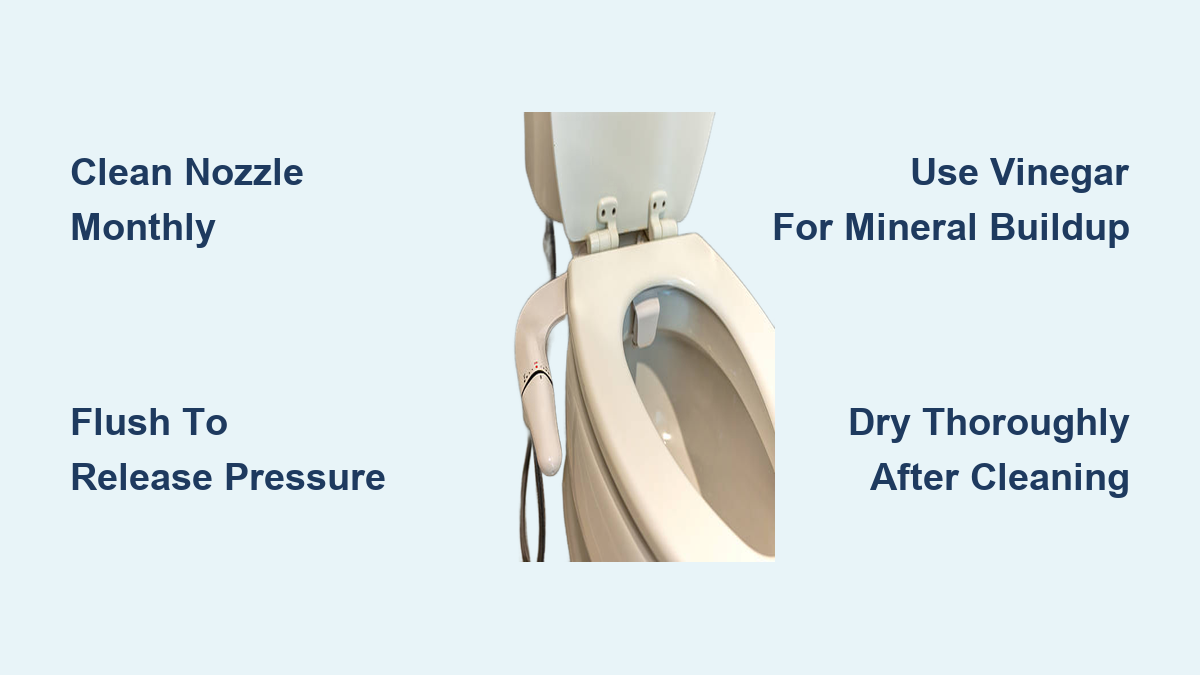
Flush to Release Pressure
After turning off the water, flush the toilet once. This drains residual pressure in the line, reducing the risk of a sudden burst when disconnecting hoses or removing filters.
Check the Owner’s Manual
Models vary significantly. Some have quick-release mechanisms, self-cleaning nozzles, or sealed filters. Always consult your owner’s manual before disassembly to avoid voiding warranties or damaging components.
Wear Protective Gear
Use rubber gloves when handling filters or cleaning with disinfectants. This protects your hands from germs and harsh residues.
Choose the Right Cleaning Supplies for Your Bidet
Using the wrong cleaner can crack plastic, degrade seals, or ruin electronic panels. Stick to non-abrasive, non-corrosive solutions.
Approved Cleaning Solutions
Mild dish soap mixed with warm water works well for daily wiping. Mix one to two teaspoons of dish soap per cup of warm water. A 50/50 white vinegar and water solution removes mineral buildup and is safe for occasional descaling. Simple Green, when diluted, is non-toxic and great for housing and hinges. For control panels, use ammonia-free Windex sprayed onto a cloth rather than directly on the unit. Always finish with warm water only to rinse away soap residue.
Avoid bleach, alcohol, ammonia, or abrasive cleaners. These can weaken rubber O-rings and cause leaks.
Essential Cleaning Tools
Gather these tools before starting. Microfiber cloths are lint-free and gentle on surfaces. A soft-bristle toothbrush dedicated specifically to bidet cleaning scrubs nozzles and crevices. Cotton swabs clean around buttons and seams. A Swiffer Duster removes dust and hair before wet cleaning. Needle-nose pliers help remove small strainers. A mini spray bottle controls solution application.
Step-by-Step Bidet Cleaning Process
Follow this sequence for a thorough, safe cleaning that restores performance and hygiene.
Dry Clean First: Remove Dust and Debris
Start with a dry pass to prevent smearing grime. Use a Swiffer Duster or dry microfiber cloth to wipe the base of the bidet, hinges, underside of the seat, and areas around the control panel. Remove hair, dust, and cobwebs. This step ensures wet cleaning does not spread dirt into crevices.
Apply Cleaner to Cloth, Not the Bidet
Never spray liquids directly onto the unit. Spray or pour your solution onto a microfiber cloth instead. Gently wipe the top and bottom of the toilet seat, the bidet housing, and the splash guard if present. Use a toothbrush or Q-tip for tight spaces like hinges and buttons. Rinse the cloth often to avoid reapplying dirt.
Clean the Nozzle Thoroughly
The nozzle is the most critical hygiene point. For routine cleaning, extend the nozzle manually or via the Nozzle Clean button. Dip a cloth or toothbrush in soapy water and gently scrub the nozzle tip and surrounding area. Do not use detergent directly on the nozzle as Toto advises. Dry with a clean microfiber towel and run the self-clean cycle if available.
For hard water buildup, wrap a vinegar-soaked paper towel around the nozzle and leave it for 15 to 30 minutes. Gently scrub with a toothbrush and rinse with clean water. Dry completely. Clean the nozzle monthly or more often if spray weakens or odor develops.
Clean the Inlet Strainer to Restore Water Pressure

A clogged strainer causes low water pressure and poor spray. Turn off the water supply and flush the toilet to release pressure. Place a towel under the hose connection. Unscrew the hose nut connecting to the toilet’s shutoff valve. Use tweezers or pliers to pull out the mesh strainer. Rinse it under warm running water and scrub with a toothbrush to remove sediment. Reinstall the strainer and reconnect the hose. Turn the water back on and check for leaks.
Clean the strainer every one to three months in average water and every three to four months in hard water. Replace it if cracked, corroded, or ineffective.
Remove and Clean Underneath the Bidet

Urine splash and moisture trap under the unit, breeding bacteria. For quick-release models like Brondell Swash, press the release lever and slide the unit off. For others, unscrew mounting bolts and remove the toilet lid if needed. Spray toilet cleaner on the porcelain and wipe the underside of the bidet with a soapy microfiber cloth. Focus on corners and mounting brackets. Rinse and dry both surfaces completely before reattaching. Clean underneath monthly.
Wipe the Control Panel and Remote Safely
Electronics are sensitive and moisture can cause malfunctions. Dampen a microfiber cloth with diluted dish soap, Simple Green, or ammonia-free Windex. Wipe buttons and screen gently. Use a dry cloth to remove streaks. For disinfection, use a Clorox wipe followed by a water-dampened cloth to remove residue. Clean weekly or as needed.
Dry All Components Completely
Moisture left behind can cause mold, corrosion, or electrical issues. Use a dry microfiber towel on all surfaces. Focus on the nozzle area, control panel seams, mounting plate, and underside of the bidet. Let everything air dry for five to ten minutes before reattaching or powering on. Never plug in or turn on the water until everything is dry.
Follow a Cleaning Maintenance Schedule
Consistency prevents buildup and extends bidet life. Daily, run the self-clean function if available and wipe surfaces. Weekly, clean the control panel and remove dust. Monthly, clean the nozzle, perform a vinegar soak if needed, and clean under the bidet. Every one to three months, clean the inlet strainer. Every six months, replace the inline filter and inspect O-rings. Descale and replace damaged parts as needed.
Troubleshoot Common Bidet Problems
Fix issues fast with these targeted solutions.
Low Spray Pressure
Clogged nozzles, dirty strainers, or kinked hoses cause this. Soak the nozzle in vinegar, clean or replace the strainer, and check the hose for kinks.
Bad Smells
Urine buildup, poor ventilation, or infrequent cleaning cause odors. Clean under the bidet monthly, use vinegar or Clorox wipes, and improve bathroom airflow.
Plastic Cracking or Discoloration
Harsh cleaners like bleach or alcohol cause this. Use only mild, non-abrasive cleaners and avoid full-strength vinegar.
Nozzle Won’t Extend or Retract
Mineral blockage or mechanical issues are the culprits. Clean the nozzle and strainer, run the self-clean cycle, and contact the manufacturer if the motor fails.
Leaking Connections
Loose nuts or worn O-rings cause leaks. Re-tighten the connection and replace the O-ring using a repair kit. Do not over-tighten.
Prevent Issues Before They Start
Avoid problems with smart habits and upgrades.
Handle Hard Water
Install an inline carbon filter between the water line and bidet. Replace it every six months to prevent mineral buildup and maintain pressure.
Avoid Contamination
Keep hairsprays, lotions, tanning oils, and body sprays away from the bidet. Heated seats can bake these into plastic, causing stains.
Inspect Seals Regularly
Check O-rings and gaskets every six months. Replace them if cracked, brittle, or flattened to prevent leaks and internal damage.
Brand-Specific Cleaning Tips
Manufacturers provide unique guidance. Brondell recommends using Simple Green, cleaning the filter annually (semiannual is better), and using the quick-release feature. Toto advises wiping the nozzle gently without detergents and cleaning monthly even with self-clean. BioBidet suggests checking the strainer every few months and replacing filters. LUXE Bidet requires manual cleaning but offers a flip-up design for easier access. Tushy recommends diluted vinegar with thorough rinsing afterward. Always refer to the owner’s manual for model-specific instructions.
Real-World User Tips for Bidet Maintenance
Learn from actual bidet owners. Label your cleaning toothbrush to avoid confusion with personal hygiene tools. Clorox wipes work for quick cleanups but degrade plastic over time, so use them sparingly. In shared homes, assign cleaning duties, especially if someone has health issues. Users with mobility issues use spray bottles and wipes to avoid bending. One user restored full spray pressure after months of decline using vinegar soaks.
Frequently Asked Questions About Cleaning a Bidet Attachment
How often should I clean my bidet attachment?
Clean the nozzle monthly and wipe surfaces weekly. The inlet strainer needs cleaning every one to three months, depending on your water quality.
Can I use vinegar to clean my bidet?
Yes, diluted white vinegar (50/50 with water) safely removes mineral buildup. Rinse thoroughly afterward to avoid residue.
Why is my bidet spraying weakly?
A clogged nozzle or dirty strainer usually causes low pressure. Soak the nozzle in vinegar and clean the inlet filter.
What should I avoid when cleaning my bidet?
Avoid bleach, alcohol, ammonia, and abrasive cleaners. These can weaken rubber O-rings and damage plastic components.
Do electric bidets need special cleaning?
Electric bidets require the same cleaning but also need careful drying around electronic control panels. Unplug before cleaning.
How do I clean under my bidet if there’s no quick-release?
Unscrew the mounting bolts and remove the toilet lid if needed. Clean the porcelain and bidet underside with mild detergent, then dry thoroughly before reattaching.
Key Takeaways for Maintaining a Clean Bidet

Clean your bidet attachment monthly using only gentle tools and mild cleaners like dish soap or diluted vinegar. Dry all components thoroughly after cleaning to prevent mold and electrical issues. Replace filters and inspect O-rings on a schedule based on your water quality and usage frequency. With consistent care, your bidet will stay sanitary, functional, and long-lasting no matter your model or water type.