A clogged toilet is one of the most stressful plumbing problems homeowners face. Whether the water rises ominously or the bowl simply won’t drain, knowing the best way to unclog a toilet saves you from mess, frustration, and costly plumber visits. Most blockages clear quickly with the right tools and a bit of know-how.
This guide walks you through proven techniques to restore proper flow in minutes. You’ll learn plunger methods, auger techniques, natural remedies, and the mistakes to avoid. Plus, you’ll get practical tips to prevent future clogs and keep your bathroom running smoothly.
Plunge With the Right Technique for Quick Results
A plunger is the fastest and most reliable tool for clearing most toilet clogs. When used correctly, it creates enough suction and pressure to dislodge blockages sitting in the trap or nearby drainpipe.
Choose the Correct Plunger Type
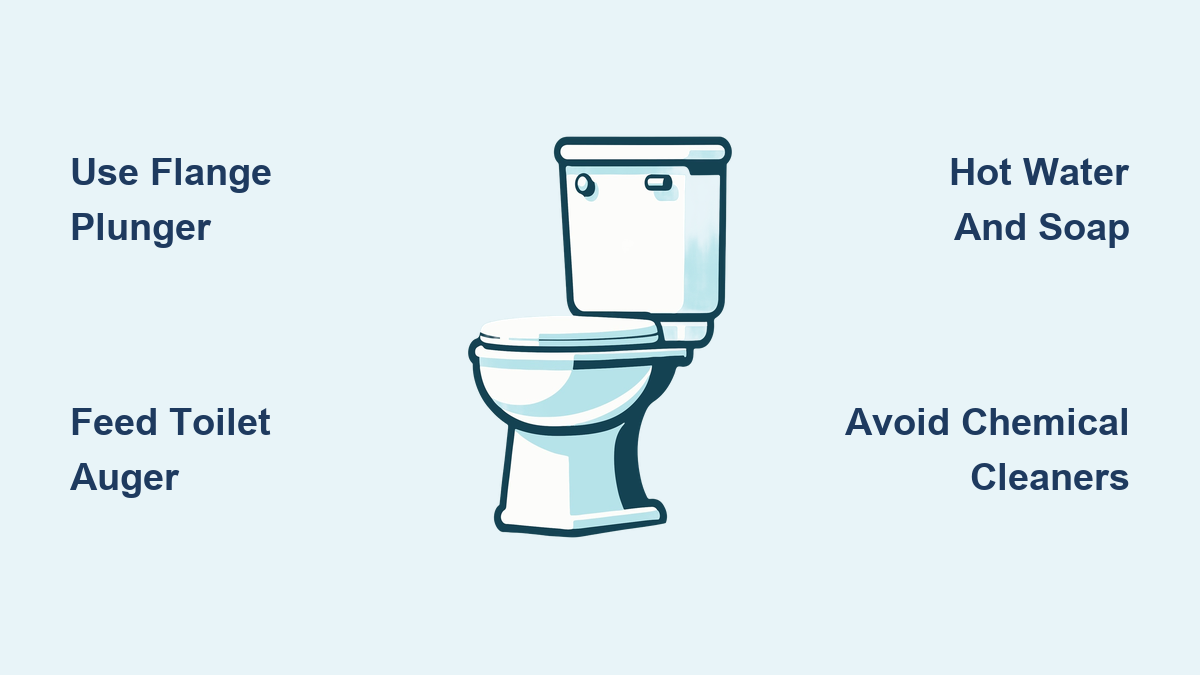
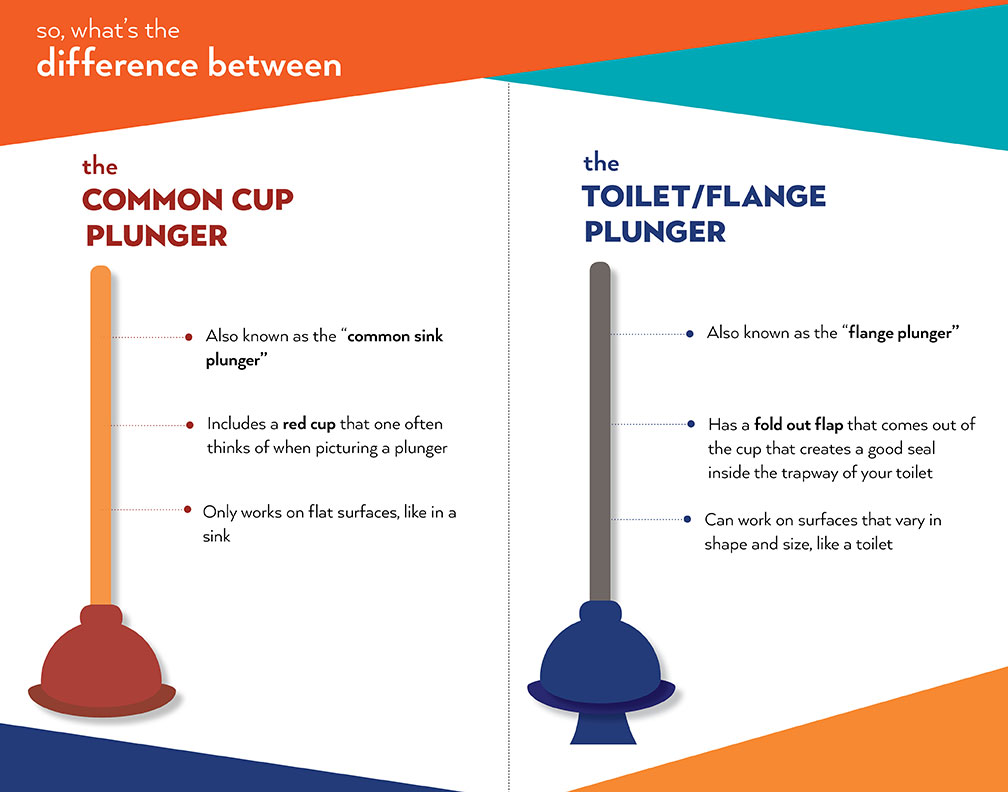
Always use a flange plunger designed specifically for toilets. It features an extended rubber flap inside the cup that creates a tight seal inside the bowl opening. Avoid using a flat sink plunger, which won’t seal properly. Check the rubber for cracks or stiffness before starting, since damaged plungers lose suction power.
Master the Plunging Motion
Follow these steps for effective plunging:
- Position the plunger so the flange fits directly into the drain opening.
- Push down gently to expel trapped air, then pull up sharply without breaking the seal.
- Repeat this pumping motion steadily for 15 to 20 seconds.
- Pull the plunger up quickly to break suction and check drainage.
If water drains, flush once to confirm the clog is gone. If not, repeat the process or move to another method.
Pro Tip: If water rises close to the rim during plunging, stop immediately and switch to a toilet auger instead.
Use a Toilet Auger for Deeper Blockages
When a plunger fails, a toilet auger reaches clogs that sit further down the drain. This tool extends 3 to 6 feet into the pipe, making it ideal for stubborn blockages.
Feed the Auger Into the Drain Safely
- Place the auger’s curved end against the bowl to protect the porcelain surface.
- Crank the handle clockwise while slowly feeding the cable into the drain.
- When you feel resistance, rotate the cable to break apart or hook the clog.
- Retract the cable slowly and wipe debris off as it emerges.
Avoid forcing the cable through resistance, which can scratch the bowl or damage pipes. Once the clog clears, flush to verify normal flow.
Warning: Never use a drain snake meant for sinks or showers. These tools can crack the toilet trap and cause expensive damage.
Try Hot Water and Dish Soap for Organic Clogs
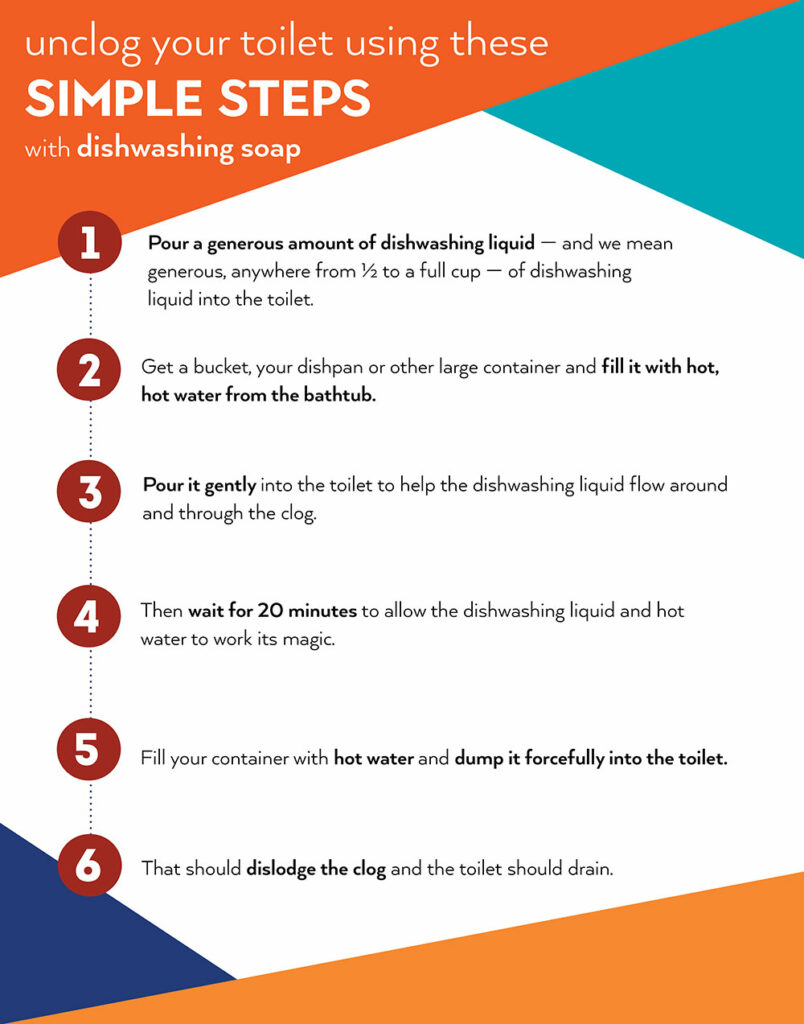
For partial clogs caused by excess toilet paper or organic buildup, a simple soap and hot water solution works surprisingly well. The soap lubricates the clog while the heat helps break it apart.
Apply the Mixture Step by Step
- Pour 1 cup of liquid dish soap into the bowl.
- Let it sit for 10 to 15 minutes so it seeps into the blockage.
- Heat 2 to 3 quarts of water until hot but not boiling.
- Pour the water into the bowl from waist height to increase pressure.
Wait another 10 minutes, then attempt a gentle flush. This method works best on soft clogs rather than solid objects.
Note: Skip this method if you’ve already poured chemical drain cleaner into the bowl. Mixing chemicals with hot water releases toxic fumes.
Avoid These Common Unclogging Mistakes
Many homeowners worsen clogs or damage their toilets by making simple errors. Watch out for these pitfalls:
• Double-flushing adds water and increases overflow risk.
• Chemical drain cleaners corrode pipes, especially in older plumbing systems.
• Plunging too forcefully can crack the wax seal or damage flooring.
• Ignoring slow drains allows small clogs to grow into major blockages.
If your toilet drains slowly even after clearing, you may have a deeper issue in the main line or vent stack.
Know When to Call a Professional Plumber
Some clogs require expert attention. Contact a licensed plumber if you notice any of these warning signs:
• Water backs up into the shower or sink when you flush.
• The toilet clogs repeatedly despite your best efforts.
• You smell sewer gas in the bathroom.
• Multiple fixtures drain slowly or gurgle at once.
These symptoms usually point to a main sewer line blockage. Professionals use specialized tools like motorized augers or hydro jets to clear these serious clogs.
Expert Tip: If you suspect a main line issue, stop using all plumbing in the house until the problem is resolved. This prevents messy and costly backups.
Prevent Future Toilet Clogs With Simple Habits
The best way to unclog a toilet is to avoid clogs in the first place. Build these habits into your household routine:
• Flush only toilet paper and human waste. Never flush wipes, feminine products, or paper towels.
• Use less toilet paper, especially if you have an older or low-flow toilet.
• Flush halfway through wiping to avoid overloading the bowl.
• Teach children what should and shouldn’t go in the toilet.
Consider scheduling annual drain cleaning or using enzyme-based cleaners monthly to keep pipes clear and odor-free.
Alternative Methods Worth Trying Carefully

Some home remedies can help in a pinch, though they work best on minor clogs. Use these methods with caution.
Baking Soda and Vinegar Reaction
- Pour 1 cup of baking soda into the bowl.
- Add 2 cups of white vinegar slowly.
- Let the mixture fizz for 30 minutes.
- Flush with hot water to clear the loosened debris.
This natural reaction breaks down minor organic buildup but won’t dissolve solid blockages.
Wire Hanger as a Last Resort
Straighten a wire coat hanger and bend a small hook at one end. Gently probe the drain opening to pull out visible debris near the surface. Never force the hanger deeper, as it can scratch porcelain or push clogs further into the pipe.
Limitation: This technique only reaches clogs very close to the drain opening.
Frequently Asked Questions About Unclogging a Toilet
What is the best way to unclog a toilet without a plunger?
Try the hot water and dish soap method. Pour 1 cup of dish soap into the bowl, wait 15 minutes, then add hot (not boiling) water from waist height. The soap lubricates the clog while the water pressure helps push it through.
Can I use chemical drain cleaners in my toilet?
It’s best to avoid them. Chemical drain cleaners can corrode pipes, damage the wax seal, and harm older porcelain fixtures. They also pose a safety risk if mixed with other cleaning products.
How long should I plunge a toilet before trying another method?
Plunge steadily for 15 to 20 seconds per attempt. If the clog doesn’t clear after 5 to 6 rounds of plunging, switch to a toilet auger. Continuing to plunge without progress rarely helps.
Will a clogged toilet eventually unclog itself?
Sometimes, but it’s risky to wait. Minor clogs may dissolve over hours, but most blockages worsen as more toilet paper and waste accumulate. Address the clog promptly to prevent overflow.
What should I do if the toilet overflows?
Turn off the water supply valve behind the toilet immediately. Then remove the tank lid and lift the flapper to stop additional water from entering the bowl. Clean up with towels and disinfect the area once the clog clears.
How can I tell if the clog is in the toilet or the main sewer line?
If