
You’ve just glanced into your toilet bowl and noticed dark, stubborn marks ruining the clean surface. Black spots in toilet bowls are more than an eyesore. They often signal underlying issues that worsen if left untreated. Many homeowners assume these marks are simple dirt or hard water stains, but the real causes include mineral buildup, mold, and harmful bacteria.
The good news is that most cases respond well to the right cleaning approach. In this guide, you’ll learn what causes black spots in your toilet, how to remove them safely, and proven methods to keep them from coming back.
Identify What’s Causing Black Spots in Your Toilet
Before reaching for a scrub brush, take time to determine the source. Using the wrong cleaner can spread bacteria or damage porcelain. Start by observing where and when the marks appear.
Mineral Deposits from Your Water Supply
Dark brown or black marks often trace back to iron or manganese in your water. These minerals oxidize once exposed to air, leaving behind deposits that cling to toilet surfaces. If marks return quickly after cleaning, especially at the waterline, mineral content is likely the culprit. Homes using well water face this issue more often. A basic water test kit confirms mineral levels.
Mold, Mildew, and Bacteria Growth
Black spots appearing in the tank, under the rim, or near the base often indicate mold. Toilets create the damp, dark environment mold needs to thrive. Serratia marcescens, a bacterium that can darken over time, forms gray or black biofilm in moist areas. It feeds on phosphates found in cleaning products and tap water.
How Poor Ventilation Encourages Black Spots
Inadequate airflow raises bathroom humidity, which supports microbial growth. Without a working exhaust fan, moisture lingers after showers and creates ideal conditions for mold. Check walls and ceilings for condensation. This is a clear warning that your space stays too damp.
Safe Cleaning Methods for Black Spots in Toilet
Once you’ve identified the likely cause, match your cleaning method to the problem. Always wear gloves and keep the bathroom ventilated during cleaning.
Use Vinegar and Baking Soda for Mild Buildup
For light mineral deposits or early biofilm, a natural solution works well.
- Pour 1 to 2 cups of white vinegar into the bowl.
- Let it sit for 15 to 30 minutes.
- Sprinkle baking soda over stained areas.
- Scrub with a toilet brush, focusing under the rim.
- Flush to rinse the bowl clean.
This method is non-toxic and safe for weekly maintenance.
Apply Hydrogen Peroxide for Mold Removal
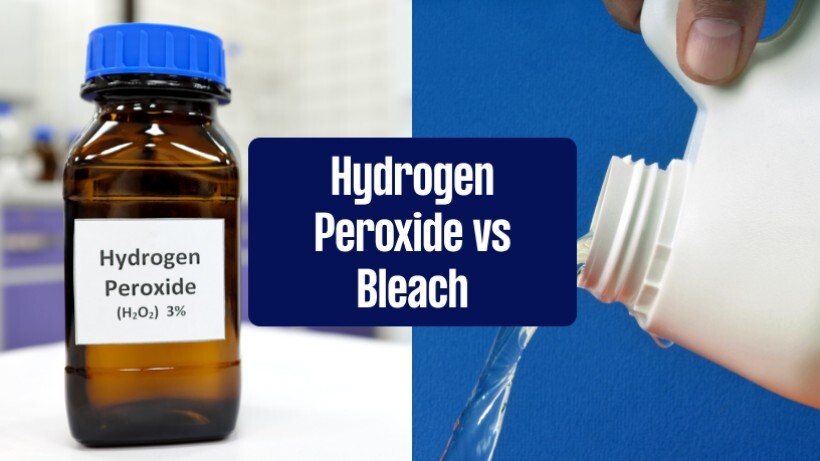
Hydrogen peroxide at 3% concentration kills mold and bacteria without harsh fumes.
- Pour 1 cup of hydrogen peroxide into the bowl.
- Let it sit for 30 minutes.
- Scrub thoroughly and flush.
For tank spots, pour the solution directly into the tank. Let it sit for 30 minutes before flushing several times to clear residue.
Try Diluted Bleach for Stubborn Biofilm
For persistent black spots caused by bacteria or heavy mineral stains, diluted bleach can help.
- Mix 1/2 cup of household bleach with 1 gallon of water.
- Apply to affected areas using a sponge or spray bottle.
- Wait 10 to 15 minutes.
- Scrub and flush the toilet.
Warning: Never mix bleach with vinegar or ammonia. Combining them releases toxic chlorine gas.
Deep Clean the Toilet Tank Thoroughly
Black spots inside the tank often go unnoticed. They can recontaminate the bowl after every flush.
Turn Off Water and Drain the Tank
- Shut off the water valve behind the toilet.
- Flush to empty the tank completely.
- Use a sponge or towel to soak up remaining water.
Scrub All Interior Surfaces
- Dip a microfiber cloth in vinegar or hydrogen peroxide.
- Wipe down all interior surfaces, especially the overflow tube and rim jets.
- Use an old toothbrush to reach tight crevices.
- Let the solution sit for 10 to 15 minutes before wiping again.
Flush the System and Refill
Turn the water back on and let the tank refill. Flush 2 to 3 times to clear all cleaning agents from the system. Repeat this process monthly for the best results.
Prevent Black Spots from Returning

Prevention is the most effective long-term strategy. Even a deep clean won’t last without consistent habits.
Install a Water Softener or Filtration System
If your water contains high iron or manganese levels, install a water softener or whole-house filter. These systems reduce mineral content before water enters your toilet, preventing future staining.
Clean Weekly with Natural Agents
Regular maintenance stops buildup before it starts.
- Use vinegar or hydrogen peroxide once a week.
- Focus on the bowl, under the rim, and inside the tank.
- A 15-minute soak followed by scrubbing keeps surfaces clean.
Improve Bathroom Ventilation
Lower humidity to discourage mold growth.
- Run the exhaust fan during and for 20 minutes after showers.
- Open windows whenever possible.
- Wipe down wet surfaces daily.
Replace Worn Toilet Parts
Rubber flappers, seals, and gaskets degrade over time and harbor bacteria. Replace these parts every 3 to 5 years or if you notice persistent odors or discoloration.
When to Call a Professional About Black Spots

Most black spot issues resolve with home cleaning. Some situations require expert help.
Suspect Plumbing or Pipe Corrosion
If black particles appear in multiple fixtures and cleaning doesn’t help, your pipes may be corroding. Older galvanized steel pipes rust internally and release debris into your water supply. A licensed plumber can inspect your system and recommend pipe replacement.
Persistent Mold Despite Regular Cleaning
Recurring mold, especially with a musty smell, may point to a hidden leak or structural moisture issue. A mold inspector can test air quality and locate moisture sources behind walls or under flooring.
Well Water Contamination Concerns
If you rely on well water and notice frequent staining, test for iron bacteria or sulfur compounds. These microorganisms cause black or slimy deposits and can clog plumbing over time. A water treatment specialist can install oxidizing filters or chlorination systems.
Frequently Asked Questions About Black Spots in Toilet
Are black spots in toilet bowls dangerous?
Black spots in toilet bowls can indicate harmful bacteria or mold growth. While most cases are cosmetic, some bacteria like Serratia marcescens may pose health risks, especially for people with weakened immune systems. Clean promptly and address the underlying cause.
What causes black spots in toilet tanks?
Black spots in toilet tanks typically come from mold, mildew, or bacteria thriving in standing water. Mineral deposits from hard water can also darken over time. Regular tank cleaning prevents buildup and keeps the water supply to the bowl clean.
Can hard water cause black spots in toilet bowls?
Yes, hard water high in iron or manganese causes black or dark brown spots in toilet bowls. These minerals oxidize and stick to porcelain surfaces. A water softener or iron-removal filter solves the problem at the source.
How do I remove stubborn black spots from my toilet?
For stubborn black spots, try a combination of vinegar and baking soda first. If that fails, use 3% hydrogen peroxide or diluted bleach. Allow the cleaner to sit for at least 30 minutes before scrubbing. Repeat the process if needed.
Will bleach permanently remove black spots in toilet?
Bleach removes black spots temporarily but doesn’t prevent them from