That relentless sound of water trickling inside your toilet tank is more than just a nuisance. A running toilet can waste up to 200 gallons of water daily, driving up your utility bill and straining local water supplies. The good news is that fixing a toilet that keeps running is usually a simple DIY job that takes under 30 minutes with basic tools.
This guide breaks down the most common causes of a running toilet and shows you exactly how to address each one. From a worn flapper to a misadjusted float, you will learn how to diagnose the issue, make the repair, and restore quiet, efficient operation to your bathroom.
Why Your Toilet Keeps Running After Flushing

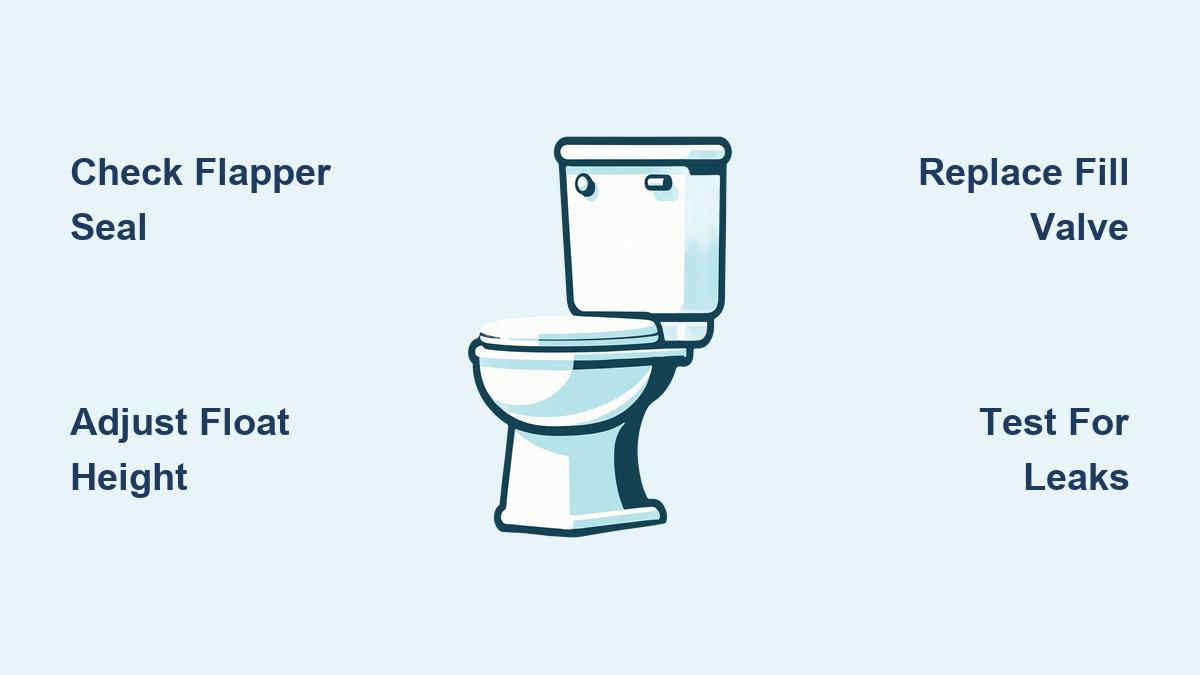
A toilet that will not stop running almost always points to a problem inside the tank. The tank relies on four key components working together: the flapper, float, fill valve, and flush valve. When any of these fail or fall out of adjustment, water either leaks into the bowl or spills into the overflow tube.
Most running toilet problems fall into one of three categories: a flapper that will not seal, a float set too high, or a fill valve that will not shut off. Identifying which one is the culprit is the first step toward a permanent fix.
Spot the Warning Signs Early
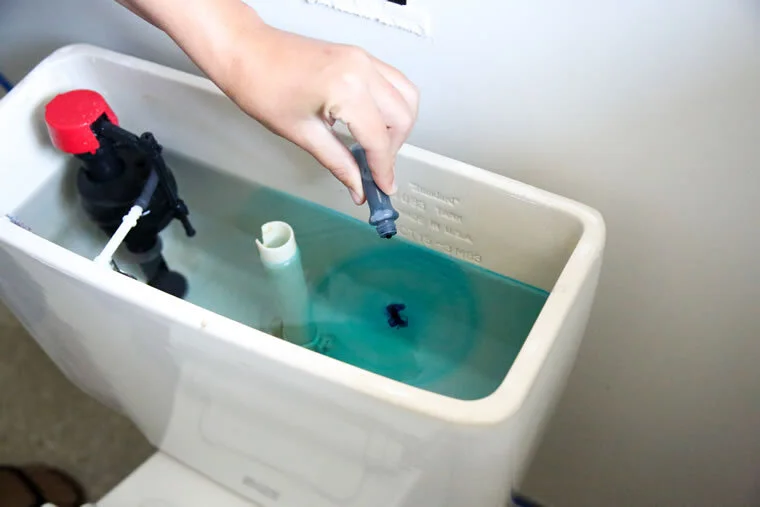
Listen for hissing or trickling sounds after the tank fills. Watch the water level. If it rises above the overflow tube, the float is set too high. You can also add a few drops of food coloring to the tank water. If color seeps into the bowl within 10 to 15 minutes, you have a leak somewhere in the system.
Diagnose a Faulty Flapper Valve
:max_bytes(150000):strip_icc()/repairing-leaky-toilet-tank-flush-valve-1824907-05-c477c2a758d346b9bff4fa9146573d0d.jpg)
The flapper is the rubber seal at the bottom of the tank that opens when you flush and closes to hold water in. It is the most common cause of a running toilet because rubber degrades over time and mineral deposits build up on the sealing surface.
Inspect the Flapper for Visible Damage
Turn off the water supply valve behind the toilet and flush to empty the tank. Lift the flapper and examine it closely. Look for cracks, brittleness, warping, or chunks missing from the rubber.