That stubborn ring around the waterline, the lingering smell that won’t quit, and the grime hiding under the rim make toilet cleaning feel like a dreaded chore. Yet a neglected toilet becomes a breeding ground for bacteria like E. coli, along with mold, mildew, and mineral buildup that damage porcelain over time. Learning how to clean a toilet the right way protects your health and keeps your bathroom fresh.
This guide breaks down the entire process using common household products and proven techniques. You’ll discover how to remove tough stains, eliminate odors, and maintain a hygienic toilet between deep cleans. Plus, you’ll pick up pro tips to avoid common mistakes that can damage your fixture or put your safety at risk.
Gather Your Toilet Cleaning Supplies
A smooth cleaning session starts with the right tools at your fingertips. Preparation prevents cross-contamination and saves you from running back and forth mid-clean.
Must-Have Cleaning Tools
- Toilet brush with stiff bristles for scrubbing under the rim and inside the bowl
- Rubber gloves to shield your hands from germs and harsh chemicals
- Toilet bowl cleaner or all-purpose bathroom cleaner suited to your stain type
- Microfiber cloths for lint-free wiping on seats and exteriors
- Disinfecting wipes for quick sanitizing of handles and high-touch areas
- White vinegar and baking soda as natural, eco-friendly alternatives
Optional Items Worth Having
- Old toothbrush for reaching hinges, crevices, and tight corners
- Spray bottle for even application of DIY cleaning solutions
- Toilet tank cleaner for internal maintenance
Safety Note: Never mix bleach with ammonia or vinegar. This combination releases toxic fumes that can cause serious respiratory harm. Always read product labels before use.
Apply Toilet Bowl Cleaner the Right Way

The bowl is where bacteria, stains, and odors concentrate most. Proper application gives the cleaner time to break down grime before you scrub.
Selecting the Best Cleaner
For powerful disinfection, choose a chlorine bleach-based formula. For hard water stains and limescale, an acid-based cleaner with hydrochloric or citric acid works best. If you prefer natural solutions, white vinegar handles light buildup effectively.
How to Apply Cleaner Properly
- Lift the toilet seat and lid.
- Squeeze or pour the cleaner under the rim so it flows down the sides and into the bowl water.
- Allow it to sit for 5 to 10 minutes, or longer for heavy stains.
- Do not flush during this dwell time.
This waiting period lets the active ingredients dissolve bacteria, mineral deposits, and organic residue before scrubbing begins.
Scrub the Toilet Bowl Thoroughly
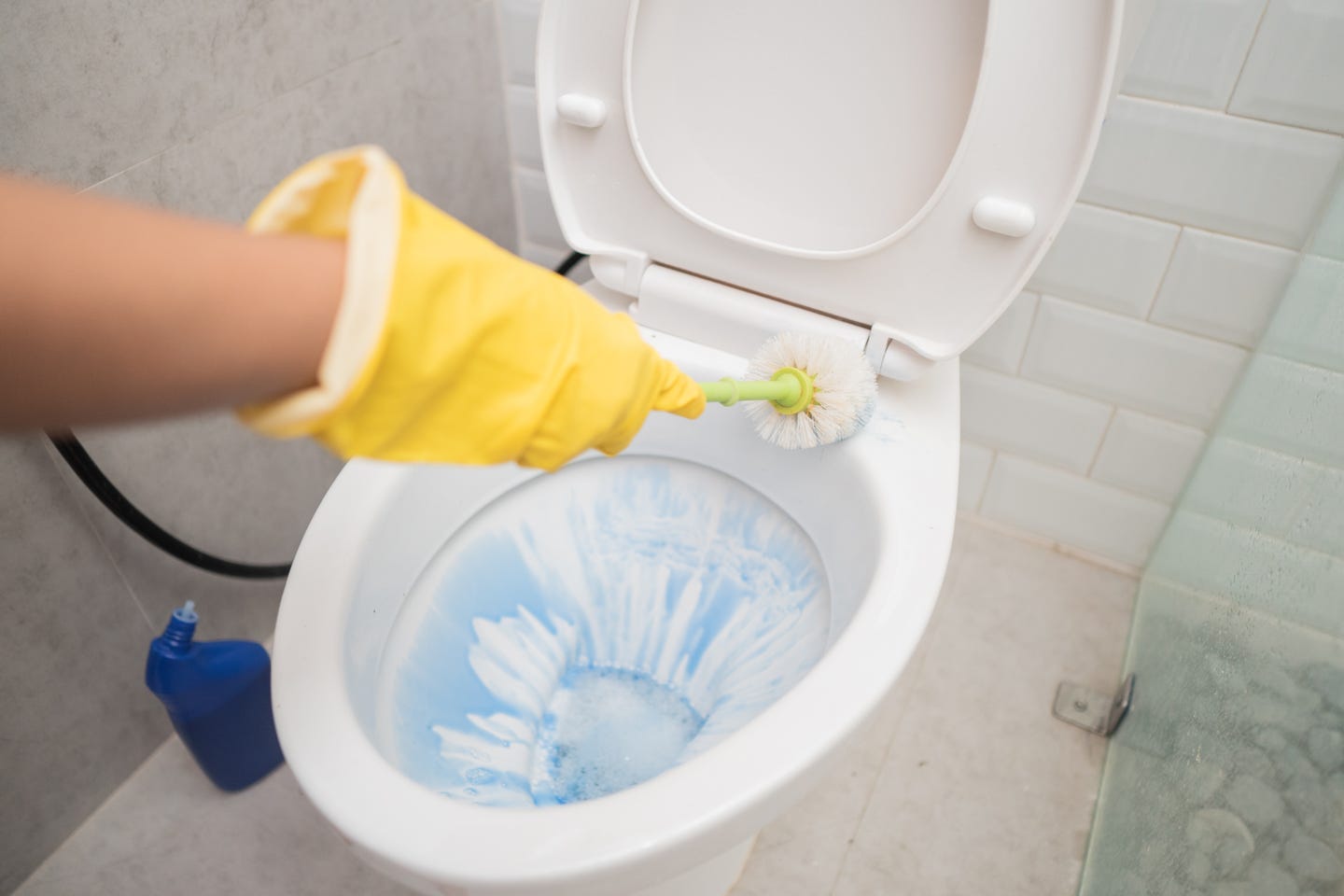
Scrubbing removes what the cleaner loosens. Skipping this step leaves behind film, germs, and discoloration.
Target These High-Risk Areas
- Under the rim where mold and bacteria thrive
- Waterline where ring stains commonly form
- Jet holes under the rim that can clog with mineral buildup
- Entire bowl surface especially where standing water collects
Scrubbing Techniques That Work
- Use firm, circular motions with your toilet brush
- Angle the brush head to reach under the rim
- Press and twist bristles into stuck-on stains
- Replace worn brushes every 3 to 6 months
Pro Tip: Sprinkle baking soda into the bowl before applying cleaner. It boosts scrubbing power and helps lift stubborn grime.
Flush and Check Your Results
Flushing washes away loosened debris and reveals how effective your cleaning was.
What to Look For After Flushing
- Clear water with no discoloration
- No remaining stains or film on the bowl
- Smooth, fast drainage without gurgling
If stains linger, repeat the cleaning process. For tough limescale, pour 1 to 2 cups of white vinegar into the bowl, leave it overnight, then scrub and flush in the morning.
Avoid flushing paper towels or wipes during this process to prevent clogs.
Clean the Toilet Exterior and High-Touch Surfaces
The outside of your toilet gets touched constantly and spreads germs quickly when ignored.
Wipe Down the Seat and Lid
- Put on fresh gloves or grab a disinfecting wipe
- Spray cleaner onto a microfiber cloth instead of directly on plastic or wood
- Wipe both top and bottom surfaces of the seat and lid
- Use an old toothbrush to scrub hinge crevices
Sanitize the Handle, Tank, and Base
- The flush handle is one of the germiest spots in your bathroom, so wipe it thoroughly with disinfectant
- Wrap a damp, soapy cloth around the toilet base to clean behind and underneath
- Dry all surfaces with a clean towel to prevent water spots
This final wipe-down ensures your toilet stays germ-free after every use.
Remove Stubborn Stains and Lingering Odors

Even with regular cleaning, toilets develop specific issues that need targeted solutions.
Eliminate Hard Water Stains
Mineral deposits create brown, yellow, or chalky rings that regular cleaners can’t touch.
Step-by-step removal:
- Turn off the water supply and flush to drain the bowl
- Apply limescale remover or white vinegar directly to stained areas
- Let it sit for 30 minutes to several hours
- Scrub with a brush and flush clean
Repeat as needed and prevent future buildup with monthly vinegar treatments.
Neutralize Persistent Odors
Bad smells usually come from bacteria trapped in the bowl, under the rim, or inside the tank.
Quick fixes that work:
- Pour half a cup of baking soda into the bowl, wait 15 minutes, then add one cup of vinegar and flush
- Clean the overflow tube inside the tank with a disinfectant-soaked cloth
- Replace old wax rings if odors come from the floor seal (call a plumber for this)
Keep the bathroom well-ventilated to reduce moisture and odor retention.
Maintain a Fresh Toilet Between Deep Cleans
Consistent habits keep your toilet hygienic with minimal effort. Prevention always beats heavy scrubbing.
Build a Simple Cleaning Routine
- Daily: Wipe splashes with toilet paper after use
- Weekly: Spray the bowl with cleaner, let it sit, then give it a quick scrub
- Monthly: Deep clean the entire toilet including the tank, base, and exterior
Prevent Mold and Mildew Growth
- Run the exhaust fan during and after showers
- Wipe down damp surfaces around the toilet regularly
- Fix leaks promptly to avoid moisture buildup
A clean toilet supports better health, hygiene, and comfort for everyone in your home.
Try Natural Cleaning Alternatives
If you prefer to avoid harsh chemicals, safe DIY options deliver solid results for routine maintenance.
Vinegar and Baking Soda Method
- Pour one cup of baking soda into the bowl
- Add 1 to 2 cups of white vinegar
- Let the mixture fizz for 10 to 15 minutes
- Scrub thoroughly and flush
This combination lifts light stains and neutralizes odors naturally.
Lemon Juice for Mineral Stains
Lemon juice contains citric acid that dissolves hard water buildup.
- Rub a halved lemon along the rim and waterline
- Let it sit for 5 to 10 minutes
- Scrub and flush for a fresh scent
Note: Natural methods work best for maintenance, not heavy disinfection.
Avoid These Common Toilet Cleaning Mistakes
Small errors can reduce cleaning effectiveness or damage your fixture. Stay aware of these pitfalls.
Never Mix Bleach with Vinegar or Ammonia
Combining bleach with acidic cleaners releases toxic chlorine gas. Always rinse thoroughly between product applications.
Always Wear Protective Gloves
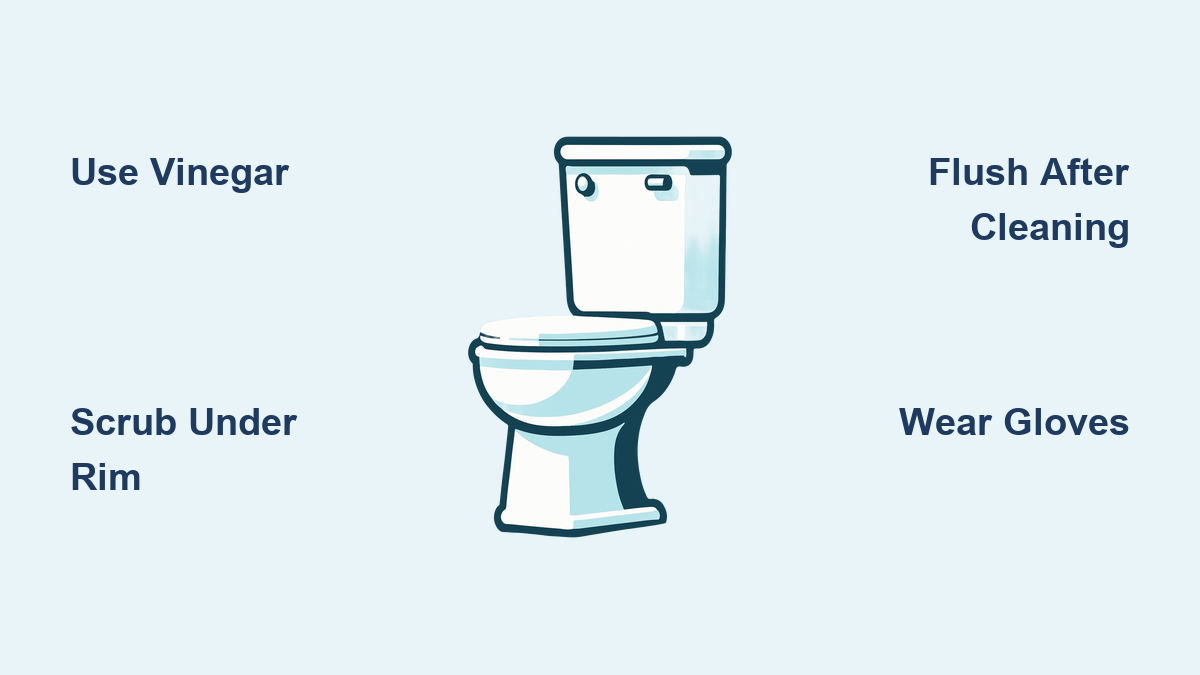
Toilet surfaces carry harmful pathogens. Gloves protect your skin, and washing hands afterward prevents germ transfer.
Replace Worn Toilet Brushes
Old, frayed brushes clean poorly and harbor bacteria. Store brushes in a ventilated holder, never on the floor.
Skip Abrasive Scrubbing Pads
Steel wool and harsh sponges scratch porcelain, creating tiny grooves where stains settle in. Stick to soft brushes and non-abrasive cloths only.
Frequently Asked Questions About How to Clean a Toilet
How often should you clean your toilet?
Clean your toilet at least once a week for routine maintenance. High-traffic bathrooms may need twice-weekly cleaning. Deep clean the entire fixture, including the tank and base, once a month.
What is the best cleaner for tough toilet stains?
For tough stains, use a hydrochloric acid-based limescale remover or a bleach-based toilet bowl cleaner. White vinegar works well for mild hard water deposits and natural cleaning.
Can you clean a toilet with vinegar and baking soda?
Yes. Pour one cup of baking soda into the bowl, add 1 to 2 cups of white vinegar, let it fizz for 10 to 15 minutes, then scrub and flush. This combo lifts light stains and deodorizes naturally.
How do you remove hard water stains from a toilet bowl?
Turn off the water, flush to drain the bowl, then apply white vinegar or limescale remover directly to the stains. Let it sit for 30 minutes to several hours, scrub with a brush, and flush clean.
Is it safe to mix bleach with other toilet cleaners?
Never mix bleach with vinegar, ammonia, or any acidic cleaner. These combinations release toxic gases that cause serious breathing problems. Use one product at a time and rinse thoroughly before switching.
How do you clean buildup inside the toilet tank?
Pour white vinegar into the tank, let it sit for several hours or overnight, then scrub with a brush and flush. For heavy buildup, use a dedicated toilet tank cleaner following product instructions.
Key Takeaways for a Consistently Clean Toilet
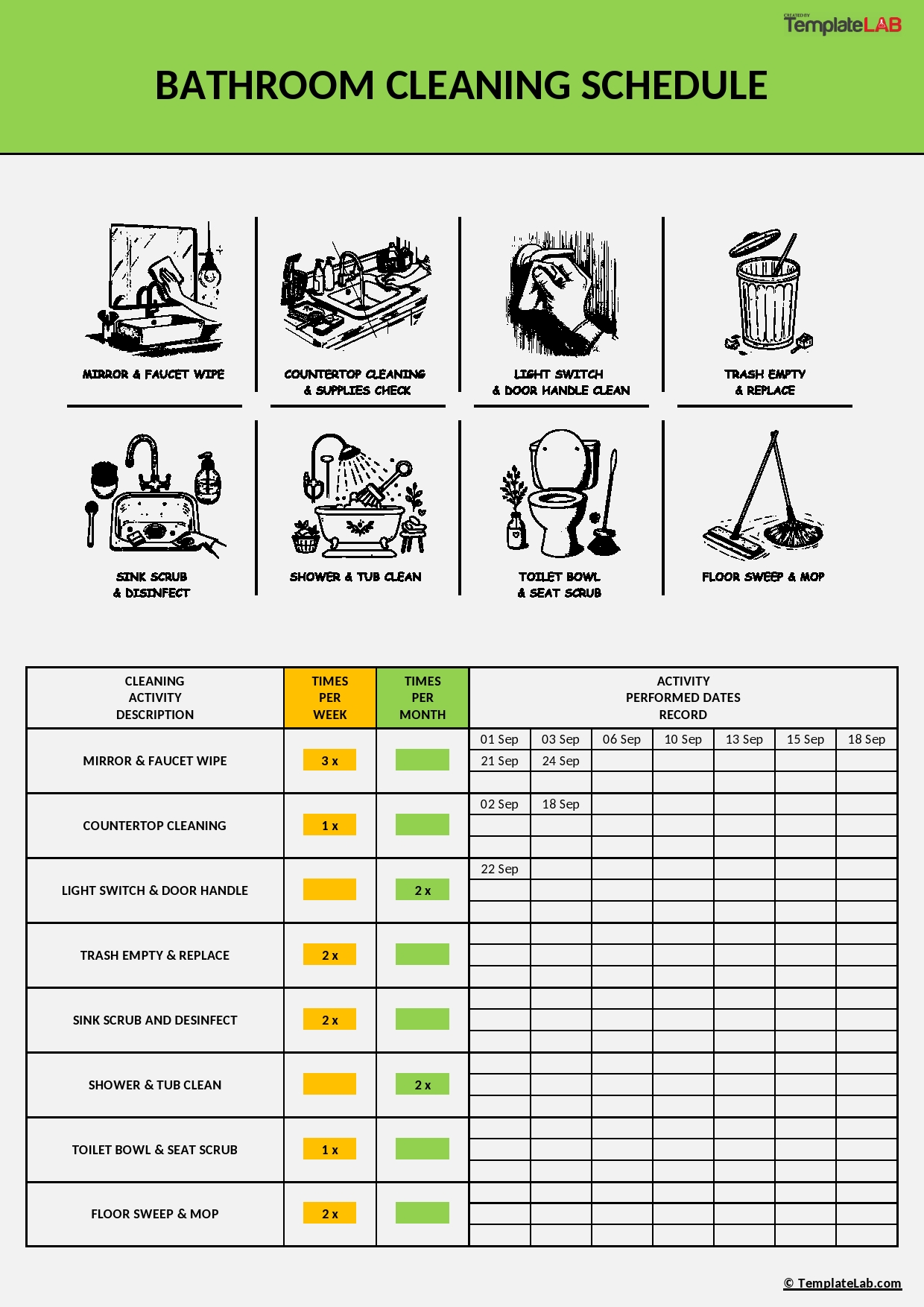
Knowing how to clean a toilet properly transforms a dreaded chore into a quick, effective routine. Focus your effort on high-impact zones like under the rim, the waterline, the flush handle, and the toilet base. Use bleach-based cleaners for disinfection and acid-based products for mineral stains, while reserving vinegar and baking soda for natural maintenance.
Build a simple weekly habit to prevent heavy buildup, and save deep cleaning for once a month. Always wear gloves, avoid mixing chemicals, and replace your toilet brush every few months for the best results. Start with the steps in this guide today, and your toilet will stay hygienic, fresh, and visually clean with minimal ongoing effort.