
You notice it one morning: a small flake at the edge of your toilet seat that wasn’t there last week. Toilet seat peeling is a frustratingly common bathroom problem that affects both hygiene and appearance. Humidity, harsh cleaners, and everyday wear gradually break down protective coatings, leaving rough or discolored patches behind. The good news is that most cases can be diagnosed quickly, and many are preventable with the right habits.
This guide walks you through the root causes of peeling, how to assess the damage, and when repair versus replacement makes sense. You’ll also learn which cleaning products accelerate deterioration and how to choose a seat that lasts. Whether you have a soft-close model or a basic plastic one, these tips will help you stop the problem from getting worse.
Identify Your Toilet Seat Material
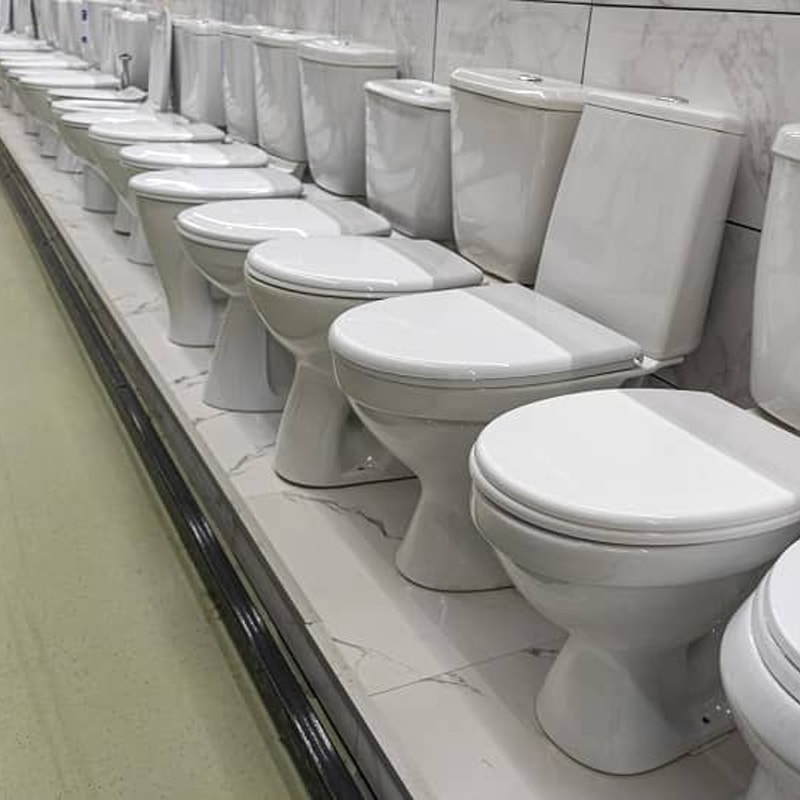
Before you can fix the peeling, you need to know what type of seat you’re dealing with. Each material reacts differently to moisture, chemicals, and daily use.
Check for a Plastic or Vinyl Coating
Many padded seats feature a vinyl or plastic coating over a foam or wood core. These are popular for comfort but tend to peel when the adhesive bond fails. Look closely at the surface: if the top layer feels smooth and rubbery but is lifting at the edges, it’s likely a coated seat. This style often peels after repeated swelling and shrinking caused by bathroom humidity.
Inspect Solid Plastic Construction
Seats made entirely of polypropylene or thermoplastic are more durable and shouldn’t peel under normal conditions. If you notice flaking or layer separation here, it could indicate UV damage from sunlight or low-quality manufacturing. Solid plastic seats usually discolor before peeling, so any layering suggests severe degradation.
Test for Wooden Core Decay
Some older or premium seats use plywood as a base, sealed with a plastic or laminate finish. When moisture seeps in through cracks or hinges, the wood swells and breaks the seal, causing the top layer to bubble and peel. Press gently on swollen areas; if they feel soft or spongy, moisture has already penetrated.
Common Causes of Toilet Seat Peeling

Peeling rarely happens overnight. It’s the result of ongoing stressors that weaken the bond between layers or degrade the material itself.
Harsh Cleaning Chemicals
Frequent use of bleach, ammonia, or abrasive wipes breaks down plastic coatings and sealants. These chemicals eat away at the surface, leading to toilet seat peeling over weeks or months. Even disinfecting sprays with alcohol can dry out vinyl, making it brittle and prone to cracking.
Common culprits include:
• Bleach-based toilet bowl cleaners
• Disinfectant wipes with strong solvents
• Scrub pads that scratch the surface
Avoid spraying cleaner directly on the seat. Instead, apply it to a cloth first.
High Humidity and Moisture Trapping
Bathrooms naturally have high humidity, especially after showers. Over time, constant condensation softens adhesives and swells organic core materials. If your bathroom lacks ventilation, such as a fan or window, the risk increases significantly. Moisture gets trapped under the seat rim or around hinge areas, accelerating peeling and potentially leading to mold growth underneath.
Sunlight and UV Exposure
If your bathroom gets direct sunlight, UV rays can degrade plastic components. This is especially true for white or light-colored seats, which may yellow before beginning to flake. UV exposure weakens molecular bonds in plastic, reducing flexibility and causing surface failure, even in solid models.
Diagnose the Peeling Stage

Not all peeling requires immediate replacement. Assess the extent of damage to decide your next move.
Surface-Level Flaking
If only small patches are lifting and the seat feels solid underneath, the issue may be superficial. This stage often responds well to cleaning and sealing if the material allows it. It’s common in older seats that have endured years of chemical exposure.
Deep Layer Separation
When large sections lift easily or expose the core, structural integrity is compromised. Padded seats with foam cores may start shedding material. Wooden bases can warp or rot. At this stage, replacement is the safest and most hygienic option.
Mold Under the Surface
Lift peeling edges carefully with gloves. If you see black, green, or fuzzy growth underneath, mold is present. This means moisture has been trapped for an extended period. **Do not attempt to