
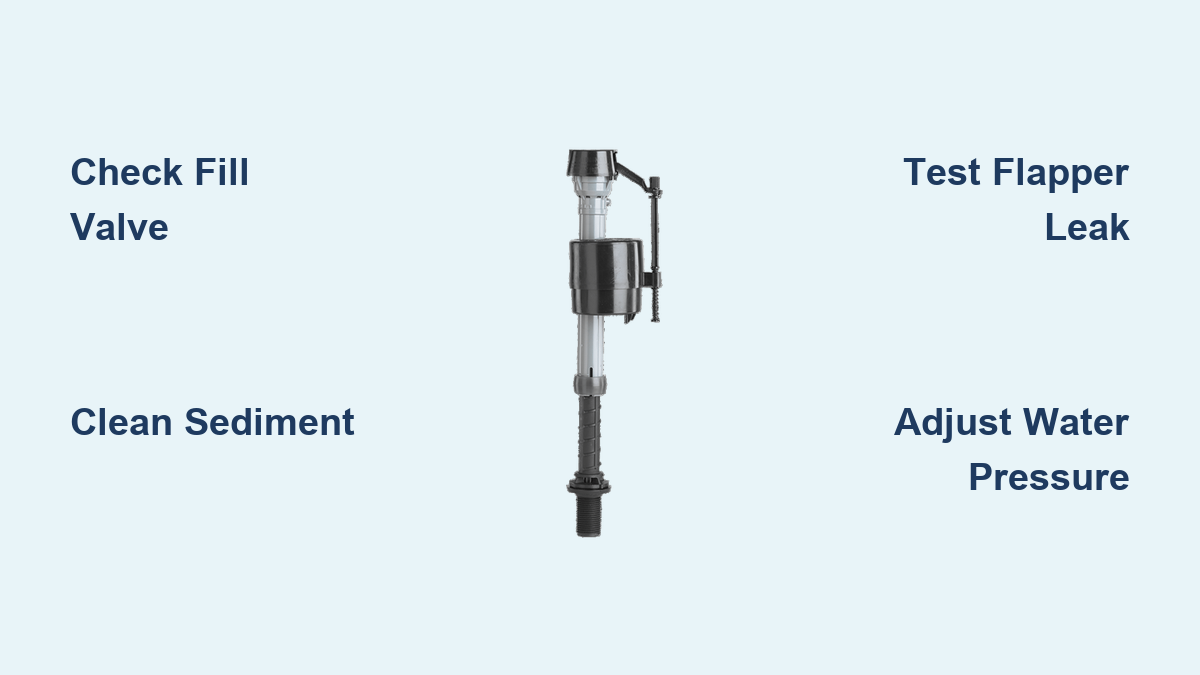
You’re sitting in your bathroom at midnight, and suddenly you hear it. A faint but persistent hissing sound coming from the toilet. It’s not loud, but it’s noticeable. The toilet isn’t leaking water onto the floor, so it must be fine, right? Not quite. A toilet hissing but not leaking is actually a red flag worth investigating. This sound usually means the fill valve is struggling to maintain pressure or failing to shut off after flushing. Left alone, it can waste gallons of water every single day.
The good news? Most causes of a hissing toilet are easy to diagnose and fix without calling a plumber. In this guide, you’ll learn the most common reasons behind the noise, how to find the exact source, and step-by-step fixes you can complete in under 30 minutes. Whether you’re dealing with an aging fill valve, sediment buildup, or a misadjusted float, we have the solutions.
Pinpoint Where the Hissing Sound Originates
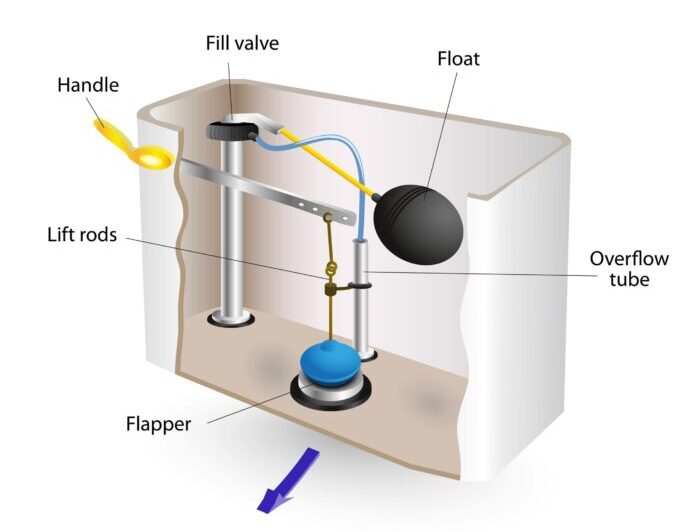
Before you grab any tools, take a moment to identify exactly where the noise is coming from. Misdiagnosing the issue often leads to wasted time and unnecessary part replacements.
Listen Closely at the Tank
Remove the tank lid and place your ear near the top. If the hissing is loudest inside the tank, the problem is likely the fill valve or flapper. A steady hiss shortly after flushing suggests the fill valve is not shutting off completely.
Run a Food Coloring Test
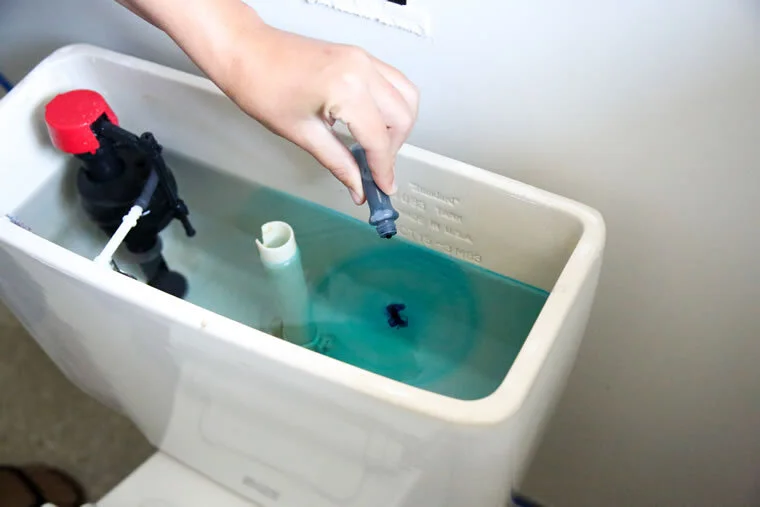
Even without visible water on the floor, leaks can occur inside the tank or into the bowl. Add a few drops of food coloring to the tank water, then wait 15 to 20 minutes without flushing. If color appears in the bowl, the flapper is leaking, which triggers the fill valve to cycle on and create that hissing sound.
Test Your Home’s Water Pressure
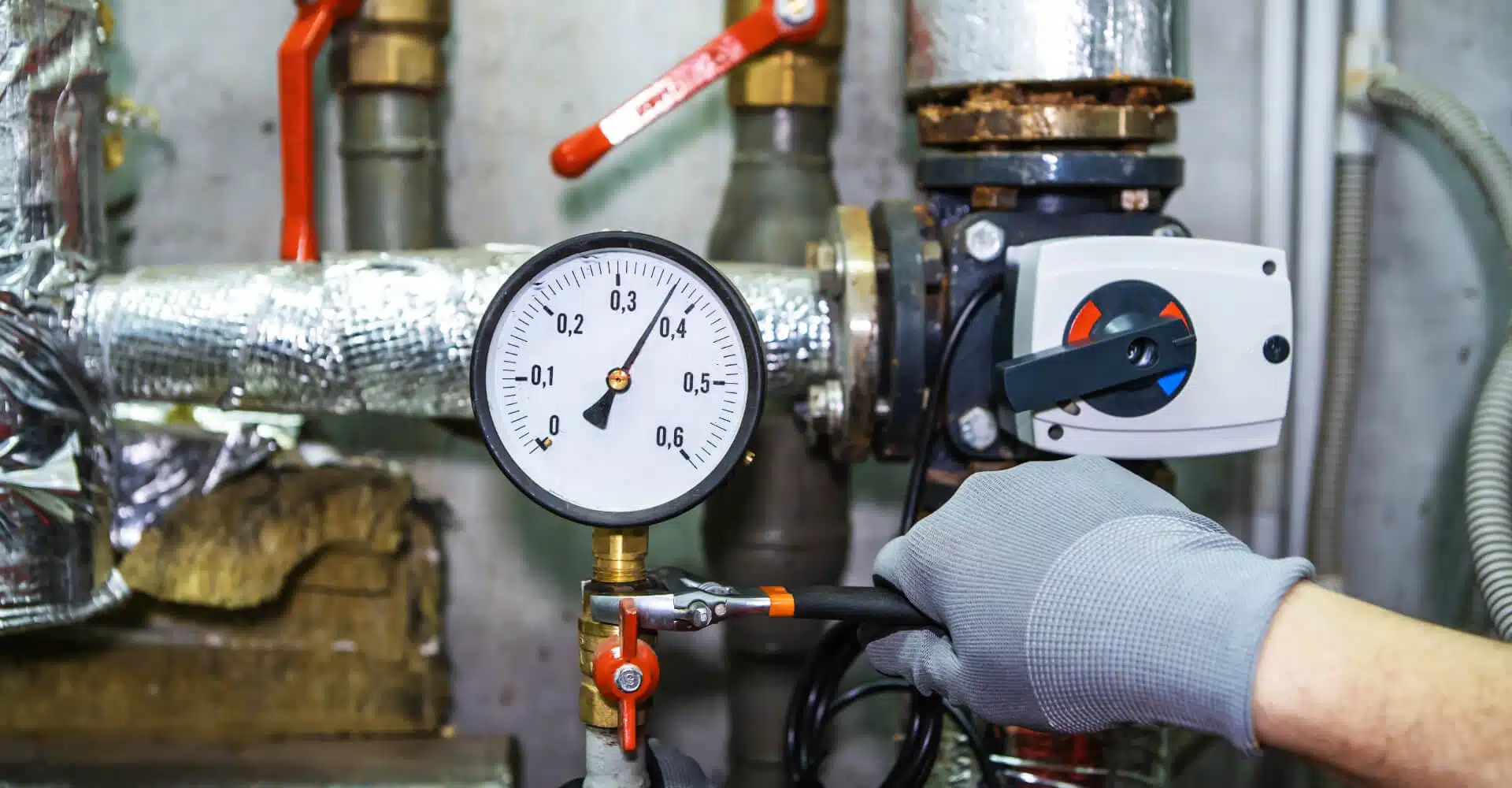
Excess water pressure can force the fill valve to work harder, generating noise. Normal household pressure ranges from 40 to 80 psi. If your home’s pressure exceeds this range, consider installing a pressure-reducing valve on the main supply line.
Inspect and Clean the Fill Valve
The fill valve controls water intake after every flush. When worn or clogged, it may not seal properly, causing the constant hiss you’re hearing.
Spot Signs of Wear or Damage
Inspect the fill valve carefully for any of these common issues:
- Cracks in the plastic