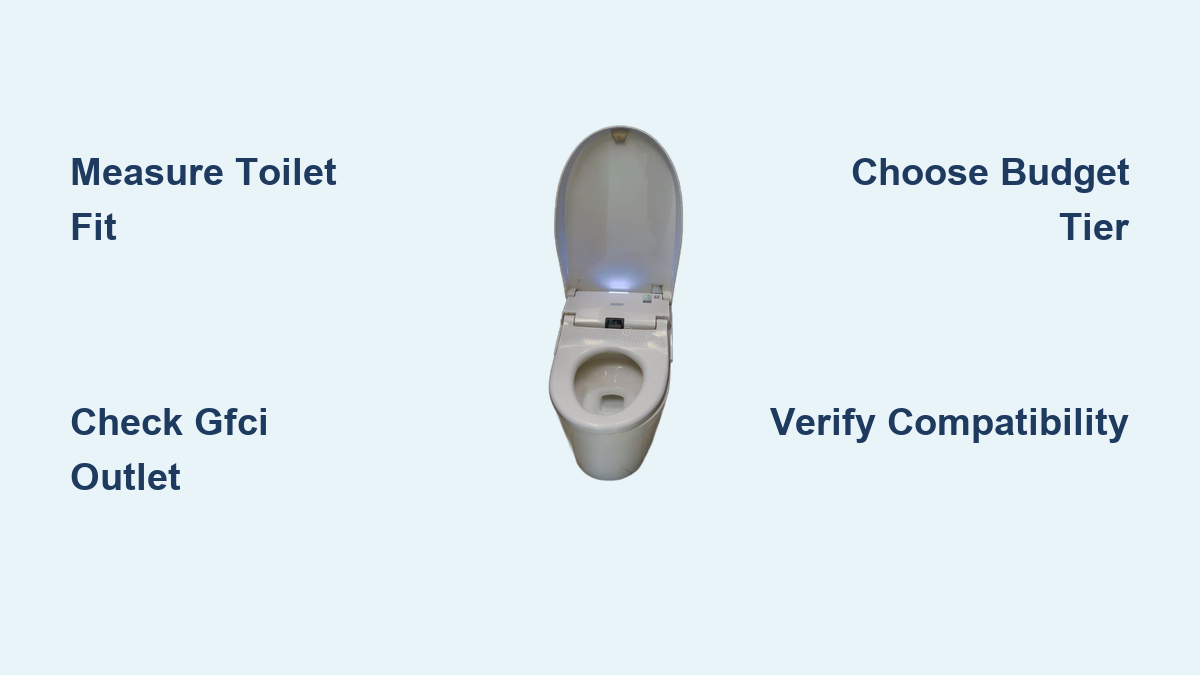
Upgrading your bathroom with a bidet toilet can transform your daily routine, offering superior hygiene, long-term savings, and eco-friendly benefits. With growing awareness and adoption in North America, the market now offers everything from simple handheld sprayers to fully automated smart toilets featuring heated seats, warm water washes, and app-controlled settings. But with so many options, how to choose a bidet toilet that fits your needs, toilet, and lifestyle can feel overwhelming.
The right choice depends on more than just price. It is about compatibility, user comfort, installation feasibility, and long-term maintenance. Whether you are a first-time user testing the waters or a tech-savvy homeowner seeking a luxury upgrade, understanding the differences between types, key features, and critical fit requirements is essential. This guide cuts through the noise, delivering a clear, step-by-step approach to help you pick the perfect bidet solution.
Match Your Budget to Bidet Type
Your budget directly determines which type of bidet you can access. Prices range from under $20 for basic sprayers to over $2,000 for premium smart toilets.
Affordable Options: $20 to $80
If you are new to bidets or want a low-risk entry point, non-electric models are ideal. Handheld sprayers and cold-water bidet attachments deliver basic cleansing at minimal cost. Handhelds connect via a T-valve to your toilet water supply and offer flexible spray control, great for caregivers or users who need precise aiming. Attachments mount under the seat and activate with a side lever, replacing toilet paper with a gentle water stream.
These lack heated water or drying functions, but they are easy to install, require no electricity, and are perfect for renters or small bathrooms. Just be aware that cold water may feel jarring in winter, and manual controls require reaching to adjust.
Mid-Range Smart Seats: $200 to $500
This range unlocks electric bidet seats, the most popular choice for homeowners. These replace your existing seat and add warm water, heated seating, adjustable pressure, oscillating spray, and warm air drying. Remote controls make operation effortless, ideal for elderly users or those with limited mobility.
Brands like TOTO, Kohler, and Bio Bidet dominate this tier, offering reliable performance and strong warranties. You also get self-cleaning nozzles, deodorizers, and night lights. Installation is DIY-friendly if you have a nearby GFCI outlet.
Premium Smart Toilets: $500 and Up
High-end smart bidet toilets combine advanced features like auto-flush, motion-sensing lids, UV nozzle sterilization, and app connectivity. Some even include greeting mode, where the lid opens automatically as you approach. These all-in-one units often come with sleek designs, energy-saving modes, and voice control integration.
While pricier, they deliver a spa-like experience and maximum convenience. However, they require professional installation in most cases and are best suited for bathroom renovations.
Traditional Standalone Bidets: $500 to $2,000 Plus
True traditional bidets are separate fixtures installed beside the toilet. Common in Europe, they offer full water temperature control and a classic aesthetic. But they demand significant space, plumbing modifications, and professional installation, making them impractical for most North American bathrooms.
They are best for luxury remodels where space and budget allow. For most users, a high-end bidet seat delivers the same hygiene benefits without the footprint.
Confirm Toilet Compatibility First

Before falling in love with a specific model, you must verify it will actually fit your toilet. Compatibility issues are the most common reason for returns.
Measure Your Bowl Shape
Your toilet bowl is either round or elongated. This determines which bidet seat will fit. Round bowls measure 16.5 to 17.5 inches from bolt center to front. Elongated bowls measure 18.5 inches or more. Use a tape measure to check this distance before shopping.
Install a round bidet seat on a round toilet, and an elongated seat on an elongated model. Mismatches lead to awkward overhang or poor coverage.
Check Critical Clearances
You need to verify three measurements. First, bolt spread measures the distance between mounting holes, and the standard is 5.5 inches. Most bidet seats accommodate 5.5 to 7.5 inches, but always verify. Second, tank-to-bowl clearance measures from seat bolt center to the front of the tank. You need at least 1.5 to 1.75 inches for the bidet mounting plate to fit flush. Low clearance blocks installation on many one-piece toilets.
Know Your Toilet Type
Two-piece toilets have separate tank and bowl, and nearly all bidet seats fit. One-piece toilets have fused tank and bowl, and fit varies significantly. Flat or 90-degree junction models like TOTO Ultramax and Kohler Memoirs accept most seats. Curved French curve junctions like Kohler Rialto often do not fit any bidet seat.
Verify Seat Length Fit
Round bidet seats are approximately 19.2 inches long. Elongated bidet seats are approximately 20.8 inches long. If the sum of your tank clearance and bowl depth is less than 19 inches, a round seat may overhang the tank. It will still function but may look unbalanced.
Pro Tip: When in doubt, send a photo and your three measurements to the manufacturer support team before buying.
Check Electrical and Water Requirements

Electric bidet seats need proper power and water connections. Understanding these requirements upfront prevents installation headaches.
GFCI Outlets Are Mandatory
All electric bidet seats require a 120V, 15-amp GFCI outlet within 3 to 6 feet of the toilet. GFCI prevents electrocution in wet environments. Never plug into a standard outlet.
Consider cord exit side when choosing a model. Some have left, right, or rear power cords to match your outlet location. If you have no outlet, you have three options. Hire an electrician to install a GFCI outlet. Use a 16-gauge, three-prong extension cord only if absolutely necessary and avoid power strips. Or switch to a non-electric model.
Water Connection Is Universal
All bidet types connect to the toilet cold water supply using a T-valve adapter. No special plumbing is needed for add-ons. Optionally, add an inline water filter to protect internal valves from sediment and chlorine, especially in hard water areas.
Prioritize Key Features for Comfort
With compatibility confirmed, focus on features that matter most for your comfort and usage.
Heated Seat Benefits
A heated seat eliminates the shock of a cold toilet. This feature is standard on mid-to-high-end models. Adjustable temperature settings let you customize warmth, ideal for elderly users or homes in colder regions.
Water Pressure and Temperature Control
Most models offer 3 to 5 pressure levels. Too high causes discomfort, and too low is ineffective. Look for fine-tuned control. For temperature, electric seats heat water either via tank heater, which stores warm water and is consistent but less efficient, or instant heater, which heats on demand and is more efficient but may fluctuate under low pressure.
Avoid hot settings. Warm water cleans better by preserving jet sensation.
Spray and Drying Features
Oscillating spray moves the nozzle back and forth for more thorough cleaning. Adjustable front and rear nozzles let you target precisely without shifting position, critical for users with mobility issues.
Most electric models include a warm air dryer lasting 1 to 3 minutes. While effective, some users still prefer a light wipe for complete dryness. If reducing toilet paper is your goal, ensure the dryer is powerful and well-positioned.
Added Conveniences
Deodorizers use built-in fans with carbon filters to neutralize odors automatically. Night lights provide soft LED illumination for nighttime bathroom trips, and motion-activated models are best.
Choose Based on User Needs
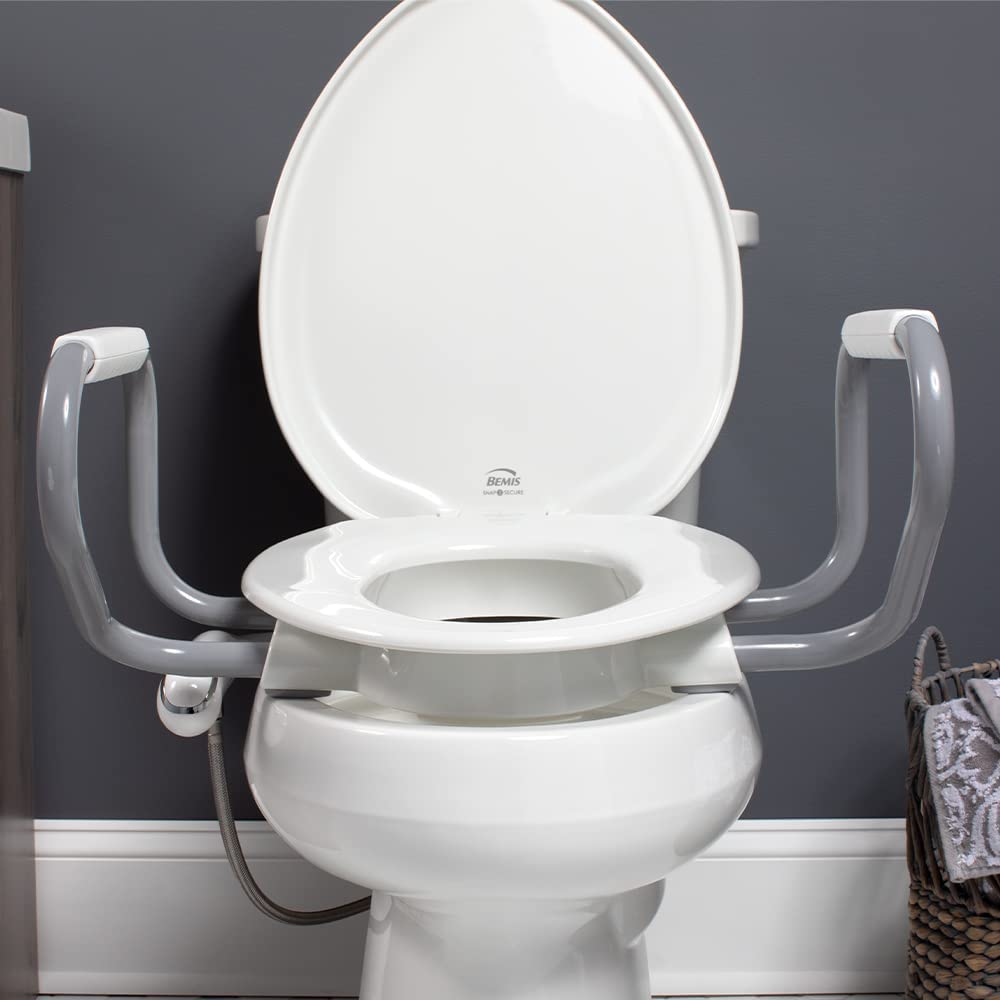
Different users have different priorities. Matching the bidet to your specific situation ensures satisfaction.
First-Time Users
Start with a non-electric attachment priced $30 to $80 or a handheld sprayer. These offer a risk-free way to experience bidet benefits without electrical or financial commitment. If you like it, upgrade later.
Elderly or Disabled Users
Prioritize remote control functionality, heated seat and warm water, auto-open lid on high-end models, and soft-close mechanism to prevent slamming. Avoid manual levers, which are hard to reach and easily triggered by pets.
Eco-Conscious Buyers
Any bidet reduces toilet paper use by 75 to 100 percent, saving $100 to $200 annually. Pair with a strong air dryer to eliminate paper entirely. Over 1 to 3 years, most electric seats pay for themselves.
Environmentally, bidets reduce deforestation. One tree produces approximately 100 rolls of toilet paper.
Renters and Small Bathrooms
Bidet seats or handheld sprayers take zero extra floor space. Non-electric models are portable, and you can uninstall and take them when you move. Avoid permanent plumbing changes unless allowed by your lease.
Luxury Seekers
Choose a high-end smart toilet or premium bidet seat with app control, auto-flush, UV sterilization, greeting mode, and energy-saving settings. These offer the ultimate in comfort, hygiene, and tech integration.
Assess Installation Difficulty
Understanding installation requirements helps you decide whether to DIY or hire help.
Handheld Sprayers
Installation takes 10 to 20 minutes with no tools needed. Connect the T-valve to your water supply, attach the hose to the sprayer, and mount the holder. No electricity is required.
Non-Electric Attachments
Plan for 15 to 30 minutes. Remove the old seat, install the mounting plate and T-valve, attach the bidet, and connect the water line. You need minimal tools, just a wrench and screwdriver.
Electric Bidet Seats
Expect 30 to 60 minutes. Mount the plate to the bowl, connect water via T-valve, and plug into a GFCI outlet. More complex due to electrical needs. If no outlet exists, hire an electrician.
Traditional Bidets
These require 4 to 8 hours and professional help. You need new water lines, drain connection, and floor or wall modifications. Only consider during a full bathroom remodel.
Pro Tip: Look for models with adjustable U-shaped mounting plates. They are easier to install than closed designs.
Maintain for Longevity and Hygiene
Proper maintenance keeps your bidet working well for years.
Self-Cleaning Nozzles
Most electric models automatically rinse the nozzle before and after use. Some add UV sterilization for extra protection. This prevents bacterial buildup and ensures hygiene.
Monthly Cleaning Tasks
Clean the mesh filter located at the water inlet monthly. Remove and rinse it to prevent clogs. Optionally install an inline filter in the water line to protect heater and valves from hard water. Use a soft brush or toothbrush to clean the nozzle monthly. Wipe the seat and cover weekly with a damp, non-abrasive cloth.
Prevent Leaks and Damage
Check hoses and connections monthly. Replace the T-valve or seals if worn. Consider a water leak detector under the toilet for early warning.
Pick a Reliable Brand and Warranty
Quality matters. Choosing a trusted brand ensures long-term support.
Top Brands Overview
TOTO leads the industry with innovative features and strong US support, offering 1 to 10 year warranties. Kohler provides premium design and good one-piece compatibility with 1 to 5 year warranties. Bio Bidet offers feature-rich products with lifetime customer support and up to 10 year warranties. Brondell delivers reliable mid-tier options with 3 to 5 year warranties. Duravit and DXV focus on luxury design with 2 to 5 year warranties.
Avoid generic Amazon-only brands with less than one-year warranties and poor compatibility.
Risk-Free Trials
Many reputable sellers offer 30 to 90 day return policies with full refunds. This lets you test the bidet at home, crucial for comfort and fit. Look for brands that include return shipping.
Canadian buyers should note that Boaty is the only brand with Canadian-based customer service.
Finalize Your Decision: 10-Step Checklist
Use this checklist to confirm your choice before purchasing.
- Define your goal. Hygiene, health, eco-savings, comfort, or accessibility.
- Measure your toilet. Confirm bowl shape, bolt spread, and tank clearance.
- Check power access. Do you have a nearby GFCI outlet.
- Set a budget. $20 for basic, $200 to $500 for smart seats, $500 plus for luxury.
- Prioritize features. Heated seat, warm water, dryer, remote, soft-close.
- Match to user needs. Elderly, renter, first-time user.
- Pick a trusted brand. TOTO, Kohler, Bio Bidet, Brondell.
- Verify compatibility. Use charts or send photos to support.
- Use a risk-free trial. Test it at home with no penalty.
- Install and maintain. Follow steps, clean monthly, check for leaks.
Frequently Asked Questions About Choosing a Bidet Toilet
What is the most important factor when choosing a bidet toilet?
Toilet compatibility is the most critical factor. Measure your bowl shape, bolt spread, and tank clearance before buying. A bidet that does not fit your toilet cannot be installed, regardless of how many features it has.
How much should I budget for a quality bidet toilet?
Budget ranges from $20 to $80 for basic non-electric models, $200 to $500 for electric bidet seats with full features, and $500 to $2,000 plus for premium smart toilets or traditional standalone bidets. Most homeowners find the $200 to $500 range offers the best value.
Do I need an electrician to install a bidet toilet?
You need an electrician only if installing an electric bidet seat and no GFCI outlet exists within 3 to 6 feet of the toilet. Non-electric sprayers and attachments require no electrical work.
Can I install a bidet seat on any toilet?
Most bidet seats fit two-piece toilets and many one-piece toilets with flat or 90-degree tank-to-bowl junctions. Curved French curve junctions on one-piece toilets often do not accept bidet seats. Always measure and verify before purchasing.
How long does it take to install a bidet toilet?
Handheld sprayers take 10 to 20 minutes. Non-electric attachments take 15 to 30 minutes. Electric bidet seats take 30 to 60 minutes. Traditional standalone bidets require 4 to 8 hours and professional installation.
Key Takeaways for Choosing Your Bidet Toilet
Choosing the right bidet toilet is not about buying the most expensive model. It is about matching your bathroom configuration, lifestyle, and specific needs. Start by measuring your toilet to confirm compatibility. Then match your budget to the appropriate tier, from basic sprayers to luxury smart toilets.
Whether you go with a $30 attachment or a $900 smart toilet, the benefits are real and lasting. Better hygiene, lower environmental impact, and daily comfort await. Use this guide to make a confident, informed choice and enjoy a cleaner, smarter bathroom experience.