If you’re tired of relying solely on toilet paper and want a cleaner, more sustainable bathroom experience, a bidet attachment is one of the smartest upgrades you can make. These compact devices install between your toilet bowl and seat, using water to cleanse after use and improving hygiene while cutting toilet paper use by up to 80%. With models ranging from $30 to $150, choosing the right one means matching features to your actual needs rather than paying for unnecessary extras.
This guide walks you through every factor that matters when selecting a bidet attachment, from water pressure and nozzle design to compatibility, safety, and long-term value. Whether you’re motivated by better hygiene, environmental concerns, or cost savings, you’ll learn exactly what to look for.
Define Your Core Motivation for Buying
Your primary reason for purchasing a bidet shapes which features matter most. Starting here prevents overspending on unnecessary extras or missing critical functions.
Hygiene-Focused Buyers
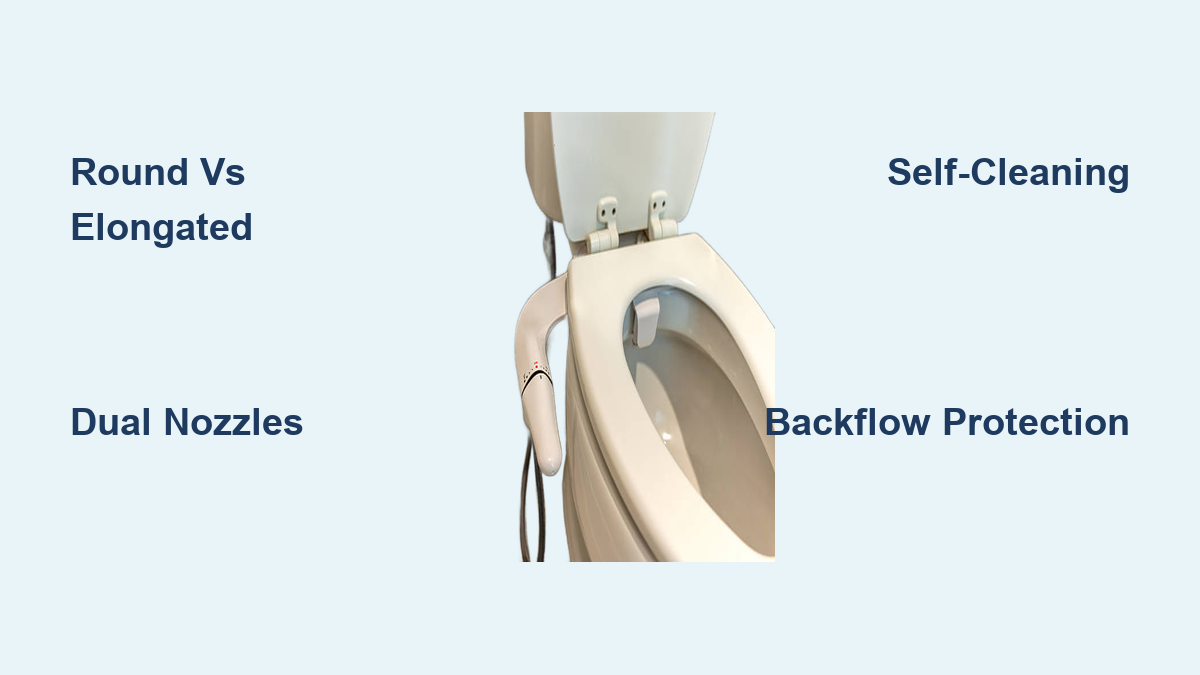
If cleaner results are your goal, prioritize adjustable pressure and dual nozzles. These features ensure thorough cleansing without requiring awkward repositioning. Self-cleaning nozzles are also essential since they rinse automatically before and after each use.
Environmentally-Minded Buyers
To reduce toilet paper waste, any functional model works. Focus on reliability and durability rather than premium features. A basic model that lasts years beats a complex one that fails early.
Cost-Conscious Buyers
Look for durable builds with brass valves and reinforced hoses. Even a $40 model can pay for itself in under a year through toilet paper savings. Skip heated seats or warm water if cold water meets your needs.
Mobility or Caregiving Needs
Choose easy-to-use controls like levers that require minimal hand strength. Self-cleaning nozzles promote independence by reducing manual maintenance. Simple operation matters most for elderly users or those with arthritis.
Match Your Toilet Type: Round vs Elongated

Not all bidet attachments fit every toilet shape. Buying the wrong type leads to misaligned spray and discomfort.
How to Identify Your Toilet Shape
Measure from the front edge of the bowl to the center of the seat bolts. Round bowls measure approximately 16.5 inches and require round-compatible bidets. Elongated bowls measure approximately 18.5 inches and need elongated models.
Checking Compatibility Before Purchase
Most brands clearly list compatible shapes on product pages. Use manufacturer fit guides or retailer tools to verify match. A mismatched model causes poor spray alignment and user frustration.
Prioritize Nozzle Performance and Design
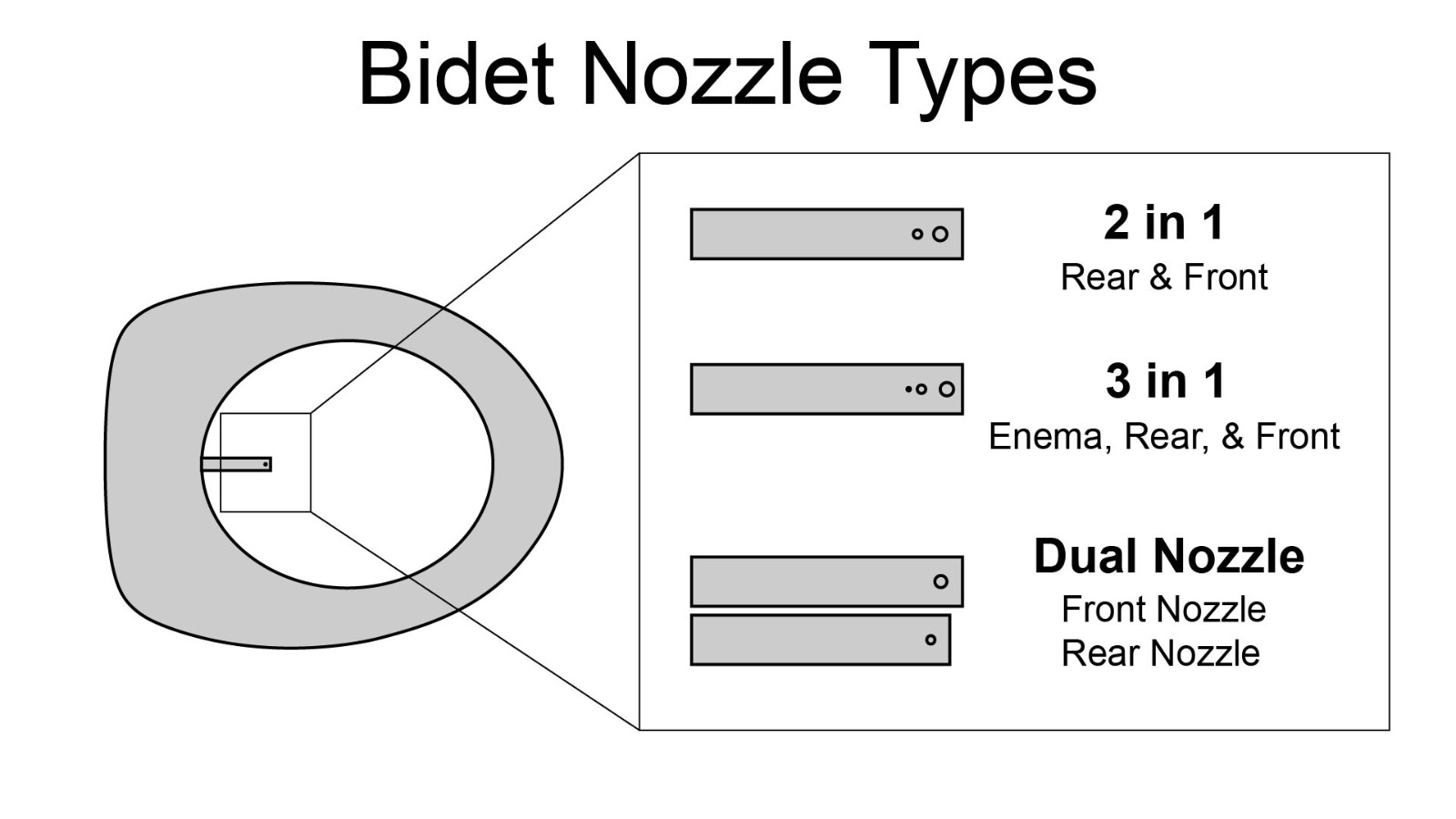
The nozzle determines how well your bidet cleans and who can use it comfortably.
Single vs Dual Nozzle Systems
Single nozzles clean both rear and front areas but require shifting position on the seat for full coverage. Dual nozzles offer separate rear and front wands, with the rear providing stronger spray and the front offering gentler cleansing. Dual nozzles eliminate guesswork and work best for households with multiple users.
Why Nozzle Guards Matter
A nozzle guard shields the spray mechanism from toilet splashes, urine, and debris. This keeps nozzles cleaner between uses and extends the lifespan of internal components. Models without guards are more prone to clogs and premature failure.
Understand Water Pressure Control Options
Too weak means ineffective cleansing. Too strong feels uncomfortable. Adjustable pressure ensures personalized comfort.
Control Types and Their Advantages
Rotating knobs offer smooth, precise adjustment ideal for fine-tuning. Levers pull to activate and adjust, making them easier for arthritic hands. Push-buttons provide a modern look but may require more finger strength. Test pressure at full strength first, then reduce gradually until it feels thorough but gentle.
Mid-Use Adjustment Matters
Top models let you dial in pressure while using the bidet. This proves critical in shared bathrooms where different users need different settings.
Why Self-Cleaning Nozzles Matter
A dirty nozzle defeats the purpose of improved hygiene. Self-cleaning is standard in quality models and essential for maintaining cleanliness.
How Self-Cleaning Works
Nozzles rinse with fresh water before and after each use. This prevents bacteria buildup and mineral deposits while eliminating the need for daily manual scrubbing. All bidet attachments tested by Consumer Reports include this feature.
Choose Cold or Warm Water Setup
Most attachments use cold water from the toilet supply, but warm water is possible without electricity.
Cold Water Models
These are simpler, cheaper, and highly reliable. The water may feel chilly in winter, especially in unheated bathrooms.
Dual-Temperature Options
Some models can connect to both hot and cold lines using a mixing valve. This allows manual temperature control without electricity. Even if starting with cold water, pick a model that supports future warm water hookup for flexibility.
Verify Compatibility Before Purchasing
Beyond toilet shape, physical fit depends on bolt spread and clearance.
Checking Bolt Spread and Clearance
Standard distance between seat bolts is 5.5 inches. Measure from the front of the tank to the seat bolt holes. Ideal clearance is 2 to 3 inches. Some models work with less, but tight spaces limit your options.
Using Brand Fit Tools
Brands like Tushy and Luxe Bidet offer online fit tools. Use these before buying to avoid installation headaches.
Assess Build Quality and Durability
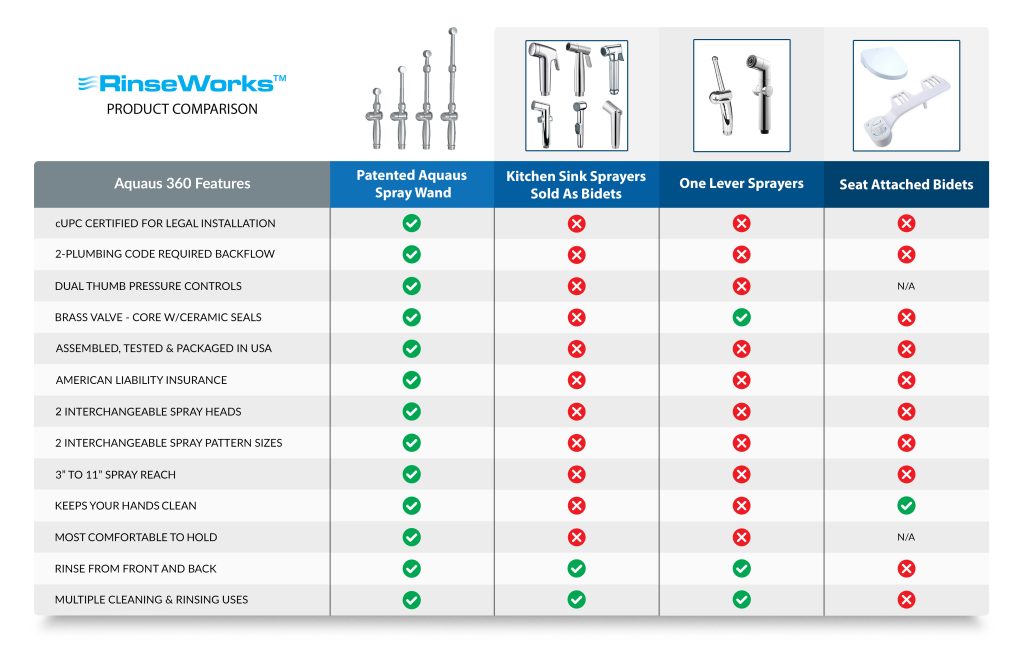
Low-cost bidets often fail within months due to brittle materials and weak valves.
What to Look For
Choose models with brass or high-grade polymer valves. Stainless steel nozzles resist corrosion. Reinforced hoses (braided or thick rubber) prevent bursting. Rigid housing with no flex around mounting points indicates quality construction.
Red Flags to Avoid
Very lightweight units suggest thin materials. Thin plastic around mounting points risks cracking. No pressure rating listed means you cannot verify performance. Poorly built models leak, crack, or develop clogs.
Check Safety Features Like Backflow Prevention
Without proper backflow protection, wastewater could siphon back into your drinking water supply.
Required Safety Features
Look for built-in check valves that allow one-way flow only. Air gaps or vacuum breakers provide physical barriers against contamination. Certified fittings should meet U.S. standards like ASSE 1057. Always verify these features before purchase.
Certification Marks to Seek
Look for UL, ETL, or CSA certification marks on components. Low-cost imports often skip these protections.
Review Warranties and Trial Periods
A good warranty and trial period protect your investment.
What to Look For
Minimum one-year warranty is standard. Two or more years indicates confidence in durability. Thirty to ninety day trial periods let you test at home. Free returns if unsatisfied provide peace of mind. Replacement parts availability matters for long-term maintenance.
Frequently Asked Questions About Bidet Attachments
How do I know if my toilet is round or elongated?
Measure from the front edge of the bowl to the center of the seat bolts. Under 17 inches indicates round. Over 17.5 inches indicates elongated. Most product pages list compatible shapes.
Do bidet attachments require electricity?
No. Standard bidet attachments use household water pressure and require no electricity. They connect to the cold water supply via a T-valve and operate mechanically.
Can I install a bidet attachment myself?
Yes. Most install in 15 to 60 minutes with basic tools like an adjustable wrench and screwdriver. Clear instructions and pre-assembled parts simplify DIY installation.
Will a bidet attachment fit my toilet?
Check the product description for round or elongated compatibility. Verify bolt spread (standard is 5.5 inches) and clearance from tank to bolt holes (minimum 1.5 inches). Use manufacturer fit tools before purchasing.
How much can I save on toilet paper with a bidet?
Bidet users save 50 to 80% on toilet paper costs. Average annual savings range from $100 to $200, with payback periods of 3 to 12 months for frequent users.
Are bidet attachments safe for seniors or people with mobility issues?
Yes. Models with lever controls and self-cleaning nozzles promote independence. Easy operation and minimal maintenance make them suitable for aging-in-place scenarios.
Key Takeaways for Choosing the Right Bidet Attachment

Choosing a bidet attachment comes down to matching features to your actual needs. Start by identifying your primary motivation, whether it is hygiene improvement, cost savings, environmental benefits, or mobility support. From there, verify toilet compatibility (round versus elongated), prioritize dual nozzles and self-cleaning functionality, and ensure backflow protection is included.
Focus on build quality over bargain prices. Brass valves, stainless steel nozzles, and reinforced hoses prevent early failure and costly water damage. Look for warranties of at least one year and trial periods that let you test at home. Brands like Tushy, Luxe Bidet, Boss Bidet, and Clear Rear consistently deliver reliable performance based on Consumer Reports testing.
With the right bidet attachment, you can install it yourself in under an hour, maintain it with simple monthly checks, and enjoy a cleaner, greener bathroom routine for years to come.