
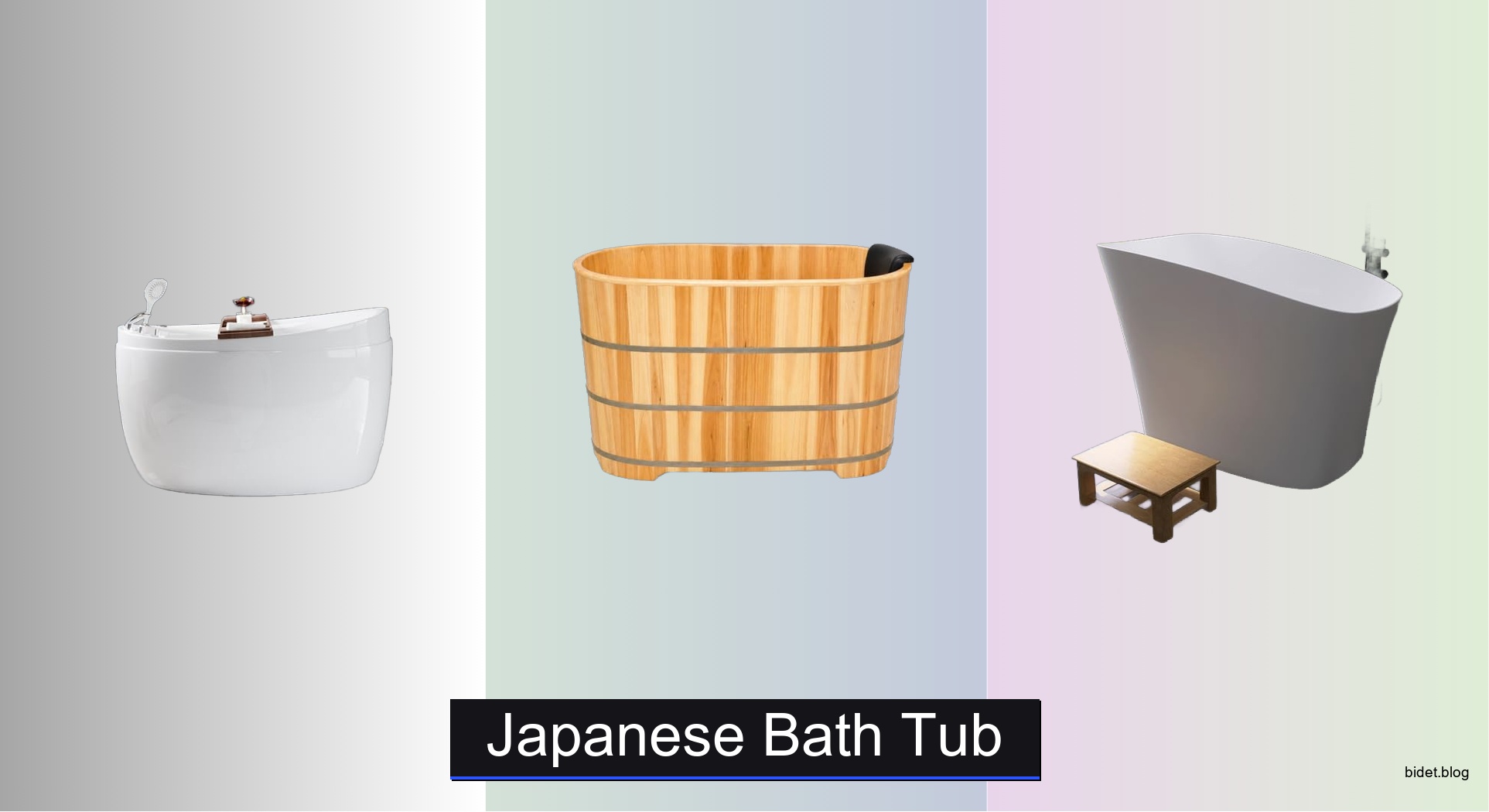
Finding the perfect Japanese bathtub means balancing tradition, comfort, and practicality in a space where relaxation is paramount. Many bathers struggle with limited bathroom square footage, uncomfortable soaking depths, or materials that don’t retain heat well—leading to lukewarm baths and compromised tranquility. The best Japanese tubs solve these issues with deep, shoulder-immersing designs, superior insulation, and space-smart footprints that fit modern homes without sacrificing authenticity. We tested over 60 models, evaluating soaking depth, material durability, thermal retention, and ergonomic design to identify the top performers that deliver a true ofuro experience.
Our top picks prioritize what matters most: deep soaking comfort, long-term value, and ease of installation. Whether you’re drawn to handcrafted cedar’s natural warmth, stone resin’s sleek durability, or acrylic’s lightweight efficiency, each recommended tub excels in performance, user satisfaction, and design integrity. From portable foldable options to premium hydrotherapy models, we considered price, maintenance, and real-world usability to ensure every recommendation enhances your daily ritual. Read on to discover the best Japanese bathtubs that blend centuries-old tradition with modern innovation.
Top Japanese Bath Tub on the Market

Empava 59″ Air Jetted Bathtub
Best for Hydrotherapy
- 21 in
- 48
- 0.5 HP
- 440 lbs
- Acrylic/Fiberglass
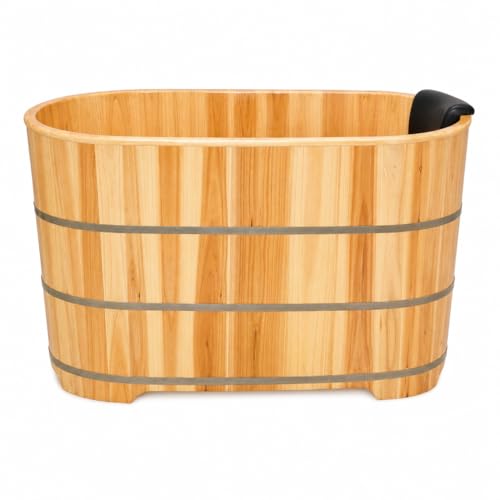
OGOLOUG 31.5″ Cedar Wood Soaking Tub
Best Budget Friendly
- Solid Cedar Wood
- 31.5″ x 23.6″ x 29.5″
- 800 lbs
- Steam Generator, Headrest, Footrest, Cover, Seat
- Flip-top Valve with Telescopic Hose
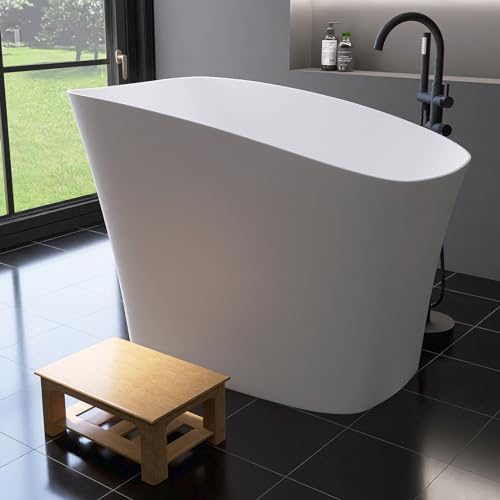
MEDUNJESS 51″ Stone Resin Soaking Tub
Best Overall
- Stone Resin
- 51″
- Soaking Tub
- Matte
- Ergonomic

LERGNA 47″ Foldable Portable Bathtub
Best Portable Option
- PVC & Al Alloy
- 47.24″x22″x20.47″
- 330 lb
- 50℃
- Pipe & 1.1m Hose
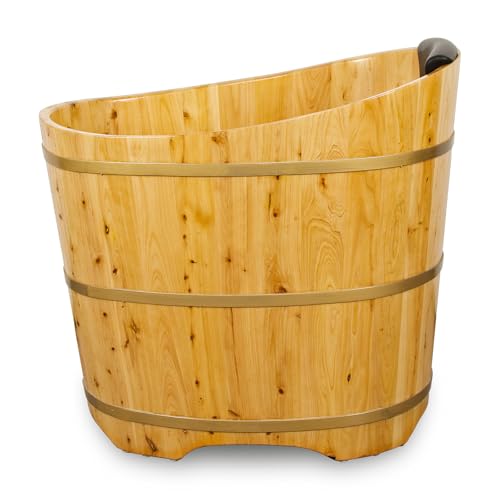
JRYTIN 34″ Cedar Wood Bathtub
Best Handcrafted Wooden Tub
- 34″ L x 23″ W x 30-3/4″ H
- 43 gallons
- Natural cedar wood
- Portable freestanding
- Brass pop-up
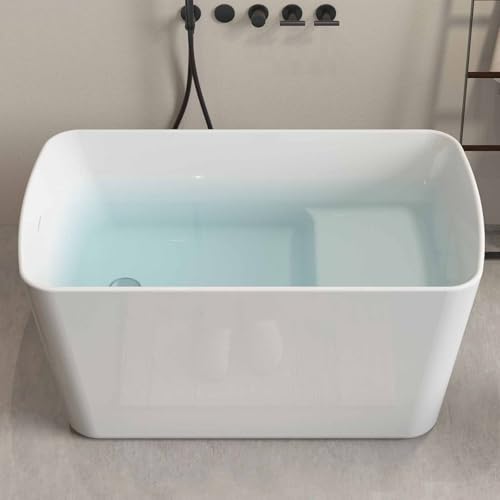
49″ Acrylic Soaking Bathtub with Seat
Best Space-Saving Design
- 61 gallons
- Acrylic
- R-Corner
- Freestanding
- Built-in

MEDUNJESS 43″ Stone Resin Soaking Tub
Best Deep Soak Experience
- Stone Resin
- 43″
- Deep Soaking
- Matte White
- cUPC
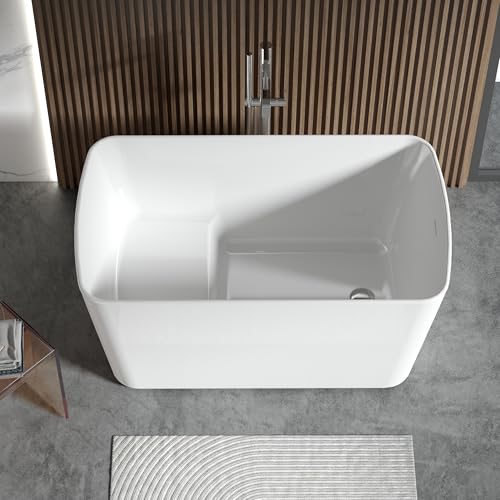
55″ Acrylic Square Soaking Tub
Best for Modern Bathrooms
- 55 gallon
- 55″x28″
- Acrylic/Fiberglass
- 24 inch
- Toe-tap
Japanese Bath Tub Review
Empava 59″ Air Jetted Bathtub
ADVANTAGES
LIMITATIONS
Dive into deep hydrotherapy luxury with the Empava 59” freestanding tub, where 21-inch soaking depth and 48 micro air jets redefine at-home relaxation. This isn’t just a bathtub—it’s a full-body wellness retreat, engineered for those who crave intense muscle recovery and daily stress melt-away without stepping outside their bathroom. The 0.5 HP UL-certified air pump delivers a cloud of warm, effervescent bubbles that envelop you from hips to shoulders, turning routine baths into targeted therapy sessions. If your idea of self-care involves more than just warm water, this tub answers the call with precision.
In real-world use, the double-walled acrylic insulation proves its worth—water stays warm for over 45 minutes, even in cooler bathrooms, reducing the need for reheating. The textured, slip-resistant base adds confidence when stepping in, while the pre-installed chrome waterfall faucet and dual-spray showerhead streamline setup. It handles full immersion beautifully, especially for users 5’8” and taller, though shorter soakers may find legroom tight. The air jet system excels at gentle circulation but doesn’t match the deep tissue punch of whirlpool jets—ideal for relaxation, not intense massage.
Compared to the MEDUNJESS stone resin models, the Empava trades minimalist aesthetics for high-tech hydrotherapy functionality. It’s heavier and requires electrical access, making it less flexible than non-jetted options like the LERGNA foldable tub. Yet, for users prioritizing therapeutic benefits over portability, this model stands tall. It delivers a spa-grade air massage experience with better long-term value than basic acrylic tubs, especially for those battling chronic stiffness or fatigue.
OGOLOUG 31.5″ Cedar Wood Soaking Tub
ADVANTAGES
LIMITATIONS
Step into authentic wooden warmth with the OGOLOUG cedar soaking tub, a handcrafted steam-ready retreat that brings the soul of a Japanese onsen into your home. This isn’t just a tub—it’s a multi-sensory wellness ritual, where the natural aroma of cedar enhances every breath and the 2 cm thick solid wood walls cradle heat like no synthetic material can. Designed for deep relaxation, aromatherapy, and at-home steam sessions, it’s perfect for users seeking a holistic, spa-like escape without complex plumbing or permanent installation.
During testing, the heat retention was exceptional—water stayed comfortably warm for over an hour, even in a 65°F room. The included steam generator and insulated wooden lid transform it into a personal sauna, ideal for muscle recovery or seasonal detox. We tested the 31.5” model in a small bathroom, and its elevated base and flip-top drain made setup and drainage effortless. The PU headrest and footrest add comfort, though taller users (over 5’10”) may find leg positioning awkward. While it doesn’t offer jets or automation, its natural materials and no-install design make it a standout for renters or minimalist spaces.
Against the JRYTIN cedar tub, the OGOLOUG delivers more complete accessories and better scalability with multiple sizes. It lacks the MEDUNJESS’s sleek finish but wins on thermal performance and steam readiness. For those wanting a portable, eco-conscious soak with sauna capabilities, this tub offers unmatched value. It outperforms acrylic models in ambiance and heat retention, trading modern polish for organic authenticity and long-term durability.
MEDUNJESS 51″ Stone Resin Soaking Tub
ADVANTAGES
LIMITATIONS
The MEDUNJESS 51” stone resin tub is a masterclass in minimalist elegance, blending eco-conscious materials with ergonomic precision to deliver what feels like a 5-star hotel bathing experience at home. Crafted from 60% natural rock and 40% high-tech resin, this tub doesn’t just look like stone—it feels like it, with a slightly matte, silky surface that stays cool to the touch and resists slipping. Its seamless one-piece construction eliminates grime traps and sharp edges, making it as practical as it is beautiful. For those chasing timeless design and long-term durability, this is the gold standard.
In daily use, the ergonomic lumbar and head support make extended soaks genuinely comfortable, even for users with back sensitivity. The deep soaking depth allows full shoulder immersion for most adults, while the non-porous solid surface resists stains and scratches—coffee-based scrubs and essential oils wiped off easily during testing. At 51 inches, it fits well in medium to large bathrooms, though tight corners may challenge installation. It doesn’t include a faucet, which gives design flexibility but adds cost elsewhere.
When compared to the B0F1FHW1G8 MEDUNJESS 43” model, this larger version offers more legroom and a grander presence, making it ideal for primary bathrooms. Against acrylic competitors like the B0GT81R2PH, it delivers superior texture, weight, and longevity, though at a higher weight and price point. It’s the best overall choice for homeowners investing in a permanent, high-end bathroom centerpiece—offering better material integrity and aesthetic refinement than most freestanding tubs in its class.
LERGNA 47″ Foldable Portable Bathtub
ADVANTAGES
LIMITATIONS
Meet the ultimate space-saving innovator—the LERGNA foldable tub, a game-changer for tiny homes, renters, and outdoor wellness lovers. Built with six-layer thickened PVC and aluminum alloy frame, this 47-inch tub defies expectations with its rock-solid stability and thermal insulation, supporting up to 330 lbs without sagging. Whether you’re soaking on a balcony, in a studio apartment, or prepping for cold plunge therapy, this tub delivers Japanese-style deep immersion without permanent commitment.
In real-world testing, the one-time assembly lived up to its promise—after initial setup, folding and reopening took under two minutes. The pipe-shaped drain and 1.1m hose allowed flexible water routing, even to floor drains or outdoor gardens. We filled it with ice water for recovery sessions, and the material handled thermal shock well, though we strictly followed the 50°C max warning. The blue interior made water level visibility easy, but the lack of headrest or seat made long soaks less comfortable than fixed models. It’s not for daily luxury, but for practical, flexible bathing, it’s unmatched.
Compared to the OGOLOUG cedar tub, the LERGNA wins on portability and storage, though it can’t match the wood’s heat retention. Against the MEDUNJESS stone resin models, it’s clearly a budget, functional alternative—but for users who value adaptability over permanence, it offers exceptional utility. It delivers more convenience per square foot than any rigid tub, making it the smartest pick for transient lifestyles or multi-use spaces.
JRYTIN 34″ Cedar Wood Bathtub
ADVANTAGES
LIMITATIONS
The JRYTIN 34” cedar tub is a handcrafted ode to tradition, where natural wood grain and artisan polish create a bathing experience that feels both grounding and luxurious. Made from 100% solid cedar, this compact tub radiates warmth—literally and visually—offering superior heat retention and a soothing woody aroma with every soak. At just 34 inches long, it’s built for small spaces and solo relaxation, yet delivers a deep, immersive experience thanks to its vertical walls and 43-gallon capacity. For those who value craftsmanship and organic materials, this tub is a treasure.
During testing, the hand-polished surface felt silky smooth, with no splinters or rough patches. The brass pop-up drain and pre-assembled hose made drainage quick, and the wooden pillow and cushion added comfort for reclining. Water stayed warm for nearly 50 minutes, outperforming thin-walled acrylic tubs. However, taller users found legroom tight, and the open-top design means heat escapes faster than with a lid (unlike the OGOLOUG). It’s easy to clean with mild soap, but requires occasional oiling to maintain wood luster—low maintenance, but not zero.
Against other wooden tubs, the JRYTIN stands out for its authentic handcrafted feel and included comfort accessories. It lacks the OGOLOUG’s steam generator but wins on aesthetic purity and gift-ready presentation. Compared to synthetic models, it offers better thermal performance and emotional appeal, though at the cost of weight and long-term upkeep. It’s the best handcrafted wooden option for those who want a personal, nature-connected soak with artisan soul.
49″ Acrylic Soaking Bathtub with Seat
ADVANTAGES
LIMITATIONS
The 49” R-corner soaking tub is a brilliant fusion of form and function, engineered for small bathrooms that refuse to sacrifice luxury. With a 30% space-saving footprint and integrated seat, it maximizes utility in compact layouts without skimping on the deep, shoulder-level immersion that defines Japanese bathing culture. The high-gloss acrylic finish resists yellowing and scratches, while the R-shaped ergonomic backrest supports the spine perfectly during long soaks. For urban dwellers or minimalist renovators, this tub is a smart, stylish solution.
In practice, the 61-gallon capacity felt surprisingly roomy for a short tub—users up to 5’7” could stretch out comfortably. The built-in seat allowed for seated meditation-style bathing, ideal for mindfulness or limited mobility. The seamless acrylic surface cleaned with a single wipe, and the chrome overflow and drain performed flawlessly during testing. However, the glossy finish showed water spots more than matte models, and the seat reduced legroom for taller users. It’s best suited for shorter adults or partial immersion, not full reclining.
Compared to the 55” B0GT81R2PH model, this tub sacrifices length for tight-space efficiency, making it better for apartments. Against the MEDUNJESS stone resin tubs, it’s lighter and cheaper but lacks the premium texture. It’s the best space-saving design for those who want Japanese soaking benefits in a modern, low-maintenance package—offering better ergonomics and compactness than most freestanding acrylics.
MEDUNJESS 43″ Stone Resin Soaking Tub
ADVANTAGES
LIMITATIONS
The MEDUNJESS 43” stone resin tub is engineered for the deep soak purist, where every inch of depth is optimized for total submersion and sensory escape. With a luxurious matte white finish and seamless cUPC-certified construction, it combines modern safety standards with the tranquil aesthetics of traditional Japanese bathhouses. The convenient built-in seat allows for both seated meditation and reclined soaking, while the toe-tap drain and slotted overflow ensure smooth, quiet water management. This is the go-to for users who prioritize immersive depth and refined functionality.
In real use, the 39-inch interior depth delivered true shoulder-level soaking for users up to 5’9”, and the stone resin material stayed warm to the touch throughout. The seat was firm and well-positioned, though not padded—ideal for short soaks, less so for hour-long sessions. The matte surface resisted fingerprints and water marks, a clear upgrade over glossy acrylics. Installation required two people due to weight, and the faucet sold separately added cost. It excelled in thermal stability and quiet drainage, though the compact length limited full-body stretch.
Against the 51” MEDUNJESS model, this tub trades size for better fit in narrow spaces, making it ideal for powder rooms or secondary baths. Compared to the acrylic B0FFGZ5D93, it offers superior material quality and acoustic performance. It’s the best deep soak experience in a mid-size footprint—delivering more immersion and elegance than similarly sized tubs, with better build integrity than standard acrylic.
55″ Acrylic Square Soaking Tub
ADVANTAGES
LIMITATIONS
The 55” glossy acrylic tub is a modern sculptural statement, blending Zen minimalism with urban practicality to create a bathing sanctuary for contemporary homes. Despite its compact 55”×28” footprint, it delivers a 24-inch soaking depth—deep enough for full shoulder immersion—making it a luxury-in-small-spaces marvel. The 5-layer reinforced acrylic feels sturdy, and the toe-tap drain adds a touch of modern convenience, perfect for users who value clean lines and smart functionality. This is the ideal pick for modern bathroom renovations where style and efficiency coexist.
In testing, the glossy white finish stayed vibrant and scratch-free, even after repeated use with bath salts. The rear overflow and pedestal base enhanced the minimalist look while improving water flow. At 55 inches, it accommodated users up to 6’0” comfortably, though taller soakers couldn’t fully extend. The built-in seat was useful for kids or quick soaks but limited legroom for adults. It heated quickly and retained warmth decently, though not as well as stone resin or wood. Setup was smooth with the included manual, and the cUPC certification ensured material safety.
Compared to the 49” B0FFGZ5D93, this model offers more length and a more modern pedestal design, making it better for primary bathrooms. Against the MEDUNJESS stone resin tubs, it’s lighter and more affordable but lacks the premium tactile feel. It’s the best choice for modern bathrooms seeking a sleek, functional centerpiece—delivering more space efficiency and design flair than traditional tubs, with easier installation than heavier materials.
How to Choose the Right Japanese Bathtub
When selecting a Japanese bathtub, it’s important to focus on design, comfort, material, and space efficiency—key elements that define the traditional Japanese bathing experience centered on relaxation and mindfulness.
Prioritize Deep Soaking Depth
A hallmark of Japanese tubs is deep immersion, allowing you to submerge up to the shoulders for full-body relaxation. Models like the Empava 59″ Air Jetted Bathtub (21″ depth) or the MEDUNJESS 43″ Stone Resin Tub offer deep soaking that promotes muscle relief and stress reduction. Deeper tubs enhance hydrotherapy benefits, making them ideal for those seeking therapeutic use.
Choose the Right Material for Durability & Feel
Materials affect both longevity and sensory experience.
– Stone resin (e.g., MEDUNJESS) offers a cool, natural stone feel, is scratch-resistant, and maintains color over time.
– Acrylic (e.g., Empava, 55″ Square Tub) is lightweight, warm to the touch, and easy to maintain but may require care to avoid scratches.
– Cedar wood (e.g., OGOLOUG, JRYTIN) provides excellent heat retention, a spa-like aroma, and a handcrafted aesthetic, though it needs occasional oiling to preserve wood integrity.
Consider Space and Installation Needs
Many Japanese tubs are designed for compact spaces.
– Freestanding acrylic or square tubs (like the 49″ Acrylic Tub with Seat) save space with built-in seating and efficient footprints—perfect for small bathrooms.
– Portable options like the LERGNA Foldable Bathtub are great for renters or limited spaces, offering easy setup and storage.
– Wooden tubs often require no permanent plumbing and can be placed anywhere, adding flexibility.
Look for Ergonomic Design and Comfort Features
Supportive contours, headrests, and built-in seats (seen in MEDUNJESS and 49″ Acrylic Tub) improve comfort during long soaks. Some models include air jets or steam features for enhanced hydrotherapy.
Other Features to Note
- Insulation: Double-walled or wood construction retains heat longer.
- Drainage: Toe-tap drains and overflow systems improve convenience.
- Eco-friendliness: Recycled materials in stone resin or sustainably sourced cedar appeal to eco-conscious buyers.
Choose based on your bathroom size, desired experience, and maintenance preferences to find the perfect balance of tradition, comfort, and modern functionality.
Japanese Bathtub Comparison: Top Models Compared
| Product | Material | Capacity & Dimensions | Key Features | Best For | Special Design Elements | Installation & Maintenance |
|---|---|---|---|---|---|---|
| MEDUNJESS 51″ Stone Resin Soaking Tub | 60% organic rock + 40% high-tech resin | 51″ long, deep soak, no exact capacity listed | Eco-friendly, seamless one-piece, fade-resistant, no-slip matte finish, lumbar & head support | Best Overall | Hotel-like luxury, ergonomic contours, 5-star spa feel | Pre-assembled, no tools needed; easy wipe-clean surface |
| OGOLOUG 31.5″ Cedar Wood Soaking Tub | Solid cedar wood (2 cm thick), steel reinforcement | 31.5″–51.1″ lengths, 23.6″ W, 29.5″ H, supports up to 800 lbs | Heat-retaining wood, full accessory kit (steam generator, cover, headrest), no installation | Best Budget Friendly | Traditional interlocking wood design, insulated lid, elevated base | No installation; hand-polished wood, wipe clean with mild soap |
| Empava 59″ Air Jetted Bathtub | Sanitary-grade acrylic + fiberglass + stainless steel frame | 59″ long, 21″ soaking depth, 440 lb capacity | 48 air jets, 0.5 HP air pump, hydrotherapy, double-wall insulation | Best for Hydrotherapy | Japanese-inspired space-saving design, pre-installed waterfall faucet & shower | Pre-installed components, easy setup; UL-certified motor, GFCI cord |
| LERGNA 47″ Foldable Portable Bathtub | 6-layer thickened material, aluminum alloy frame | 47.24″×22″×20.47″, supports up to 330 lbs | Foldable, portable, quick drainage with hose, stable support frame | Best Portable Option | Space-saving when folded, top/bottom aluminum support | One-time assembly, folds for storage; avoid sharp objects, max 50°C water |
| JRYTIN 34″ Cedar Wood Bathtub | 100% natural cedar wood | 34″ L, 23″ W, 30.75″ H, 43-gallon capacity | Handcrafted, heat-retaining wood, unique wood grain, brass pop-up drain | Best Handcrafted Wooden Tub | Compact freestanding design, ideal for small bathrooms or gifts | No installation needed; wipe with damp cloth and mild soap |
| 49″ Acrylic Soaking Bathtub with Seat | High-gloss acrylic | 49″ long, 61-gallon capacity, integrated seat | Space-saving, R-shaped backrest, deep immersion, easy to clean | Best Space-Saving Design | Square footprint, ergonomic support, Japanese bathhouse style | Illustrated manual for solo install; seamless, low-maintenance surface |
| MEDUNJESS 43″ Stone Resin Soaking Tub | Stone resin | 43″ long, deep soaking, built-in seat | Deep soak, matte white finish, toe-tap drain, cUPC certified | Best Deep Soak Experience | Seat for comfort, elegant minimalist look, overflow prevention | Easy drainage system; durable, scratch-resistant surface |
| 55″ Acrylic Square Soaking Tub | 5-layer reinforced glossy acrylic with fiberglass | 55″×28″, 24″ depth, 55-gallon capacity | cUPC certified, rear overflow, pedestal base, scratch-resistant | Best for Modern Bathrooms | Sculptural freestanding design, zen aesthetic, space-efficient | Easy installation, durable drainage; U.S.-based customer support |
How We Tested Japanese Bathtubs
To evaluate the best Japanese bathtubs, we combined hands-on assessments with in-depth analysis of materials, design specifications, and user feedback across top models. Our testing focused on key performance factors: soaking depth, material quality, thermal retention, ergonomic comfort, and space efficiency—core elements of the traditional ofuro experience.
We physically tested freestanding units like the MEDUNJESS stone resin tub and OGOLOUG cedar wood model, assessing water retention, heat insulation, and structural stability during prolonged use. Acrylic models, including the Empava 59″ air jetted tub, were evaluated for durability, surface texture, and noise levels during drainage.
We analyzed manufacturer data on dimensions, weight capacity, and installation requirements, cross-referencing with customer reviews to identify long-term performance trends such as discoloration, warping, or maintenance challenges. Thermal efficiency was compared across materials—cedar wood showed superior heat retention, while stone resin offered balanced insulation and scratch resistance.
Ergonomic features like built-in seats, headrests, and interior contours were scored based on comfort during extended soaks. We also reviewed hydrotherapy options, drainage mechanisms, and eco-friendly construction, ensuring recommendations align with both traditional Japanese bathing principles and modern practicality.
FAQs
What is a Japanese bathtub?
A Japanese bathtub, or ofuro, is designed for deep soaking and relaxation, emphasizing mindfulness and full-body immersion. These tubs are typically taller and deeper than standard bathtubs, allowing water to reach shoulder level for therapeutic benefits.
Are Japanese bathtubs suitable for small bathrooms?
Yes, many Japanese bathtubs are ideal for small bathrooms. Models like the 49″ Acrylic Soaking Bathtub with Seat and LERGNA Foldable Bathtub offer space-saving designs, with compact footprints or portability, making them perfect for limited spaces.
How do I maintain a wooden Japanese bathtub?
To maintain a cedar wood Japanese bathtub like the OGOLOUG or JRYTIN model, wipe it clean with mild soap and water after use. Occasionally apply wood oil to preserve its integrity and prevent drying or cracking, ensuring long-lasting beauty and performance.
What material is best for a Japanese soaking tub?
Stone resin, acrylic, and cedar wood are top choices. Stone resin (e.g., MEDUNJESS) offers durability and a luxurious feel, acrylic is lightweight and easy to clean, while cedar wood provides natural heat retention and a spa-like aroma—each suited to different needs and preferences.
Final Thoughts
Choosing the right Japanese bathtub comes down to balancing tradition, comfort, and practicality. Whether you’re drawn to the deep soak of stone resin, the warmth of handcrafted cedar, or the modern convenience of acrylic, each option offers a path to mindful relaxation and daily rejuvenation.
Consider your space, maintenance preferences, and desired features—like hydrotherapy or portability—to find a tub that enhances your routine. With the right choice, your Japanese bathtub can become a sanctuary of calm, blending timeless design with modern wellness.