
You press the flush handle and water bursts out around the base or sprays upward from the bowl. The bowl stays nearly empty, even though the tank fills normally afterward. This messy problem often points to a simple issue with the internal refill system, not a major plumbing disaster. In most cases, water shooting out of toilet is caused by a misaligned or clogged bowl-filler tube, and you can fix it yourself in minutes.
This guide walks you through the most common causes, starting with the bowl-filler tube, then covering venting, fill valve failure, and outdated toilet design. You’ll learn what to check, what to replace, and when to call a plumber.
Bowl-Filler Tube Misalignment

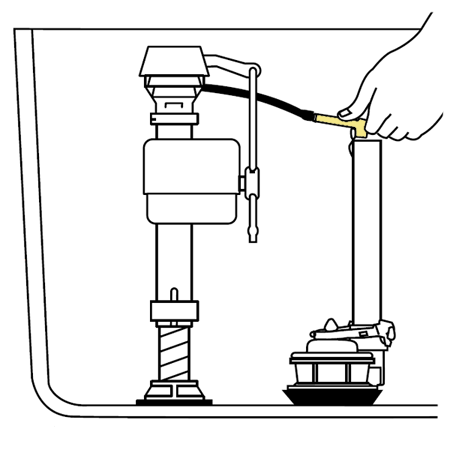
The small refill tube that feeds water into the overflow pipe is the most common culprit behind erratic bowl refills. When this tube is misplaced, cracked, or blocked, the bowl doesn’t refill properly, leading to low water levels and splashing during flushes.
Check Tube Position
• After flushing, watch where the small refill tube directs water inside the tank.
• It should be clipped above the overflow tube’s rim, aiming water directly into it.
• A loose or dangling tube won’t deliver water to the bowl.
• A submerged tube can siphon water from the tank, preventing proper refill.
Pro Tip: Use the plastic clip on the refill tube to secure it just above the overflow tube’s edge. Never let it drop below the water level during refill.
Reattach or Replace the Tube
• If the tube is disconnected, snap it back into the fill valve’s outlet.
• Ensure it is firmly seated, then gently tug to test the connection.
• If the tube is cracked or brittle, replace it. Most fill valves include a new one, or you can buy a universal kit for under $10.
Clear a Clogged Refill Port
• No water coming from the refill tube? The port on the fill valve may be clogged.
• Turn off the water supply and drain the tank completely.
• Use a thin wire or paper clip to gently clear mineral buildup from the outlet.
• Reconnect and test. If water still doesn’t flow, consider replacing the entire fill valve.
No Bowl Refill After Flush
When the bowl doesn’t refill, too little water remains to form a proper seal. This causes air and water to burst out during the next flush.
Why Bowl Water Doesn’t Replenish
• The refill tube isn’t delivering water to the bowl.
• The fill valve is malfunctioning or set too low.
• Debris is blocking the internal pathway from the refill tube to the bowl.
Confirm Water Flow to Bowl
- Flush the toilet and watch the tank refill cycle.
- Look for a steady stream of water flowing from the refill tube into the overflow.
- If nothing flows, the fill valve’s refill port is likely clogged or broken.
- If water flows but the bowl still doesn’t fill, the overflow tube may be damaged or misaligned.
Warning: Some DIYers mistakenly cap off the refill tube to save water. This stops bowl refill entirely and causes spitting and low water. Never block this tube.
Overflow Tube Issues
The overflow tube channels excess water from the tank to the bowl during refill. Damage or improper installation can disrupt this process.
Inspect for Cracks or Misalignment
• Remove the tank lid and examine the overflow tube, the tall vertical pipe in the center.
• Look for cracks, warping, or loose connections at the base.
• A cracked tube may leak sideways instead of flowing into the bowl.
• A loose tube can tilt, redirecting refill water into the tank instead of the bowl.
Ensure Correct Height
• The top of the overflow tube should sit below the tank’s overflow safety level.
• If too tall, it won’t allow full bowl refill.
• If too short, water may siphon or fail to reach proper levels.
• Replace if damaged. Most are part of the flush valve assembly.
Fill Valve Failure
Even if the refill tube looks fine, a failing fill valve can prevent proper water distribution throughout the system.
Test Fill Valve Function
• After flushing, the fill valve should send water to both the tank and the bowl via the refill tube.
• If only the tank refills, the valve’s internal routing is faulty.
• Listen for weak flow or gurgling from the refill line.
Replace the Fill Valve
• Turn off the water supply and drain the tank.
• Unscrew the water line and remove the old fill valve.
• Install a new one. Fluidmaster or Korky models typically cost $15 to $20.
• Reconnect the refill tube and adjust the water level to about 1 inch below the overflow.
Expert Note: Upgrade to a modern fill valve with a built-in refill jet. These improve bowl refill consistency and reduce spitting.
Improper Venting in Drain System
If internal components check out, the issue may lie in the plumbing vent system rather than the toilet itself.
Recognize Venting Problems
• Gurgling sounds from nearby sinks or tubs when flushing.
• Slow drainage in multiple fixtures.
• Sewer odor or repeated backup issues throughout the home.
How Venting Affects Toilet Function
• Plumbing vents allow air into drain pipes, preventing vacuum lock.
• A blocked vent creates negative pressure that siphons water from the bowl.
• This leaves the bowl underfilled and prone to spitting air and water during flush.
Diagnose Vent Blockage
• Flush while listening for gurgling in other drains.
• Climb to the roof and inspect the vent stack for debris like leaves or bird nests.
• Use a plumber’s snake or garden hose to clear minor clogs.
When to Call a Pro: If you suspect a major vent blockage or snow and ice buildup, a plumber can use a camera or power snake to clear it safely.
Old or Low-Flow Toilet Design
Some toilets, especially older models made after 1992, were designed with reduced water usage but poor flushing dynamics.
Signs of Poor Toilet Design
• Weak flush even with proper water levels.
• Bowl refills slowly or inconsistently.
• Frequent clogs and splashing during use.
Why It Causes Water Shooting
• Low water volume fails to create a full siphon action.
• Air pockets get trapped, then burst out violently during flush.
• The bowl’s trapway design may not retain enough water to seal properly.
Upgrade to a High-Efficiency Toilet
• Modern high-efficiency toilets use 1.28 gallons or less but flush more powerfully.
• They maintain proper bowl water levels and reduce spitting incidents.
• Installation is DIY-friendly or can be done by a plumber for $200 to $500.
Temporary Fix: Hold the Flush Lever
If you need a quick solution while waiting for parts, manually control the flush duration.
Extend Flush Time
• Press and hold the flush lever longer than usual.
• This keeps the flapper open, allowing more water to rush into the bowl.
• Release when the bowl reaches normal water level, about 1 to 2 inches below the rim.
Limitation: This only works short-term. It doesn’t fix the root cause and can wear out the flapper faster with repeated use.
Prevent Future Spitting Issues
Once fixed, keep your toilet running smoothly with simple routine maintenance.
Monthly Tank Inspection
• Remove the lid and check the refill tube is secure and above the water line.
• Look for mineral buildup on fill valve outlets.
• Confirm the overflow tube is upright and undamaged.
Clean Components Annually
• Shut off water and drain the tank.
• Wipe down the fill valve and flush valve.
• Flush out the refill tube with vinegar to prevent clogs.
Upgrade Supply Line
• Replace old rubber supply hoses with a braided steel riser.
• It resists kinking and bursting, ensuring consistent water pressure.
• The swap takes about 10 minutes and costs under $15.
Frequently Asked Questions About Water Shooting Out of Toilet
Why does my toilet spit water when I flush?
A misaligned, disconnected, or clogged bowl-filler tube is the most common cause. This small tube directs water from the fill valve into the overflow tube to refill the bowl. When it fails, the bowl stays underfilled and air bursts out during the next flush.
How do I fix a toilet that won’t refill the bowl?
Start by removing the tank lid and checking the small refill tube. Make sure it is connected to the fill valve and aimed into the overflow tube above the water line. If no water flows through it, clean the outlet port with a thin wire or replace the fill valve.
What causes low water level in the toilet bowl?
Low bowl water typically results from a refill tube issue, a failing fill valve, or a blocked plumbing vent that siphons water from the trap. Older low-flow toilets may also struggle to maintain proper water levels.
Can a clogged vent cause water shooting out of toilet?
Yes. A blocked vent creates negative pressure in the drain line, which can siphon water from the bowl. This leaves the bowl underfilled and causes spitting or gurgling during flushes. Clearing the vent stack usually resolves the issue.
How much does it cost to replace a toilet fill valve?
A new fill valve costs between $15 and $20 for standard models like Fluidmaster or Korky. The replacement is a straightforward DIY task that takes about 30 minutes with basic tools.
Is water shooting out of toilet a plumbing emergency?
Not usually. While messy, the issue is typically caused by a simple internal component like the refill tube. However, if water is leaking onto the floor or you suspect a vent blockage deep in the system, contact a plumber promptly to prevent water damage.
Key Takeaways for Stopping Water Shooting Out of Toilet
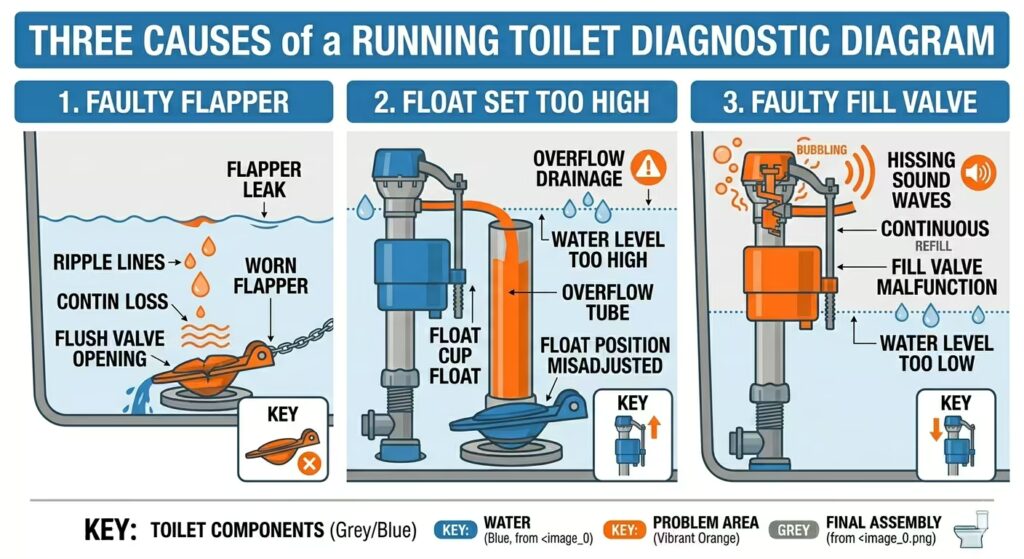
Start your diagnosis with the bowl-filler tube, since it causes the majority of spitting issues. A quick visual check and simple reattachment often solves the problem in under 10 minutes. If the tube and fill valve look fine, investigate the overflow tube and plumbing vents next.
For long-term reliability, upgrade worn components like the fill valve and supply line. These affordable replacements prevent recurring issues and protect against costly water damage. If your toilet is an older low-flow model with persistent problems, consider replacing it with a modern high-efficiency unit for better performance and water savings.