
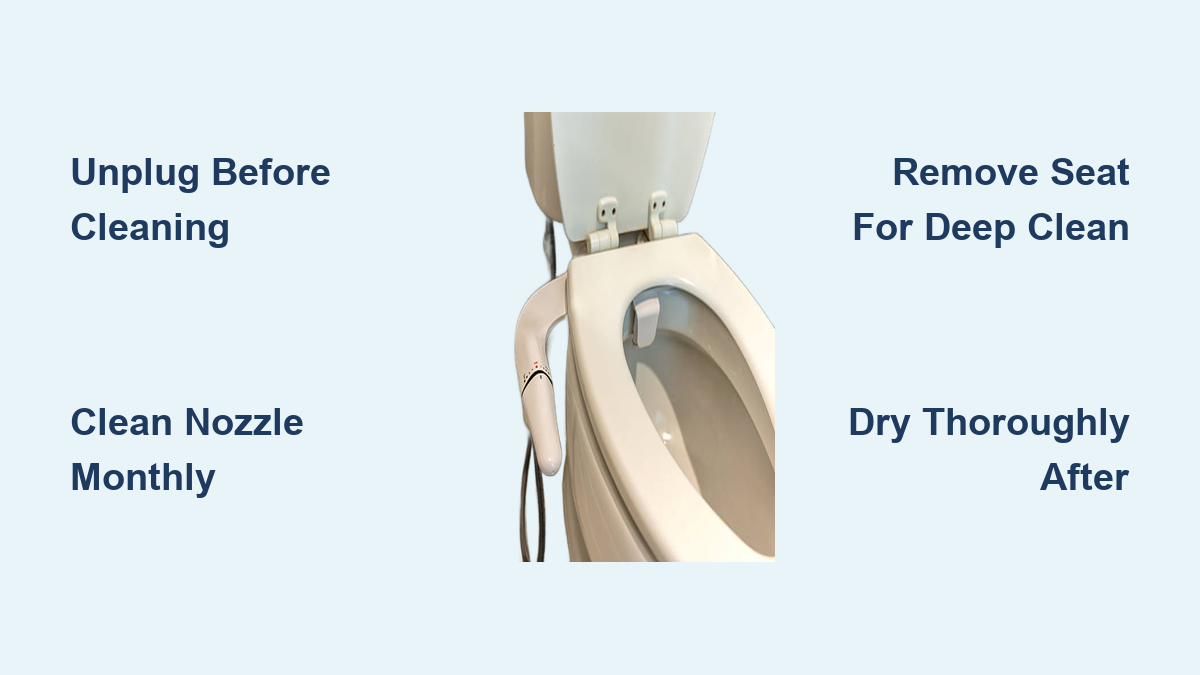
A clean bidet seat is essential for hygiene, performance, and long-term reliability. Despite their self-cleaning features, bidets require regular maintenance to prevent mineral buildup, odor, and bacterial growth. If you are noticing reduced spray pressure, musty smells, or visible grime around the nozzle or under the seat, it is time to clean. This guide covers everything you need to know about how to clean a bidet seat safely and effectively.
Whether you own a TOTO WASHLET, Brondell Swash, or a basic non-electric model, proper cleaning keeps your bidet functioning like new for five to ten years or more. Let us dive into the best practices that protect your investment and ensure a hygienic bathroom experience.
Safety First: Preparing to Clean Your Bidet Seat
Before touching any part of your bidet, safety must come first. These steps prevent electric shock, water leaks, and damage to sensitive components.
Turn Off Power and Water
Always unplug the bidet from the wall outlet before cleaning. Even low-voltage models can short if water reaches internal electronics. Next, shut off the water supply at the toilet is angle stop valve, usually located behind or beside the toilet. Flush the toilet once after shutting off water to drain residual pressure from the line. Wait one to two minutes for the unit to fully power down before handling.
Never skip this step. Working on a live or pressurized bidet risks electrical hazards and flooding.
Avoid Direct Spraying and Harsh Tools
Do not spray water or cleaner directly onto the control panel, remote, or electrical connections. Never use steel wool, abrasive pads, or sharp tools that can scratch plastic or damage seals. These actions can permanently damage your unit and void your warranty.
Consult Your User Manual
Models vary in disassembly steps, filter locations, and cleaning tolerances. Always refer to your manual, especially for TOTO, Kohler, or BioBidet units with specialized components.
Safe Cleaners for Bidet Seats
Choosing the wrong cleaner can ruin your bidet is finish or degrade internal seals. Stick to mild, non-corrosive solutions that will not damage plastic or rubber components.
Approved Cleaning Agents
Mild dish soap and warm water works well for daily wiping. Mix one to two teaspoons of Dawn, Joy, or Seventh Generation in sixteen ounces of warm water. Apply with a microfiber cloth or soft sponge to remove organic residue.
White vinegar and water in a fifty-fifty ratio dissolves mineral deposits and disinfects without harsh chemicals. Soak affected areas for fifteen to thirty minutes maximum. Prolonged exposure can harm rubber seals.
Commercial cleaners like Simple Green, ammonia-free Windex, or mild disinfectant wipes are acceptable. Wipe off completely to avoid residue buildup.
Cleaners to Avoid
Bleach and chlorine degrade rubber O-rings and gaskets, potentially causing leaks. Ammonia and acetone damage plastic surfaces and calcium-resistant coatings. Alcohol-based solutions dry out seals and discolor finishes. Toilet bowl cleaners often contain hydrochloric acid, which corrodes bidet materials. Steel wool and scouring pads scratch surfaces and compromise protective layers.
Daily Cleaning Routine for Your Bidet Seat
Keep your bidet looking and functioning fresh with minimal daily effort using these simple steps.
Wipe Exterior Surfaces
Use a slightly damp microfiber cloth to wipe the seat top and lid, sides and front of housing, and control panel. For light soiling, use only water. For fingerprints or residue, use a cloth dampened with diluted dish soap. Dry with a clean towel to prevent water spots and mold.
Clean the Remote or Control Panel
Lightly dampen a soft cloth or disinfectant wipe. Gently wipe the surface. Never spray liquid directly onto controls. Dry completely before use.
Run Nozzle Self-Clean Cycle
Press Nozzle Clean or Wand Cleaning on the remote. The nozzle extends and flushes with water before retracting. Do this daily, even if you cannot deep clean monthly.
Self-cleaning nozzles reduce contamination but do not replace manual cleaning entirely.
Weekly Surface Cleaning Steps
Go beyond daily wiping to maintain long-term hygiene with these deeper cleaning tasks.
Deep Wipe All Surfaces
With the bidet unplugged, spray soapy water or vinegar mix on the top and sides of the seat, underside if accessible, front and back of lid, and control housing. Use a microfiber cloth or soft sponge. No scrubbing is needed. Rinse with a clean damp cloth to remove soap, then dry thoroughly.
Drying prevents moisture buildup, which can lead to mold or electrical issues.
Monthly Deep Cleaning Tasks
Perform these every thirty days to prevent buildup and ensure peak performance.
Clean the Nozzle Manually
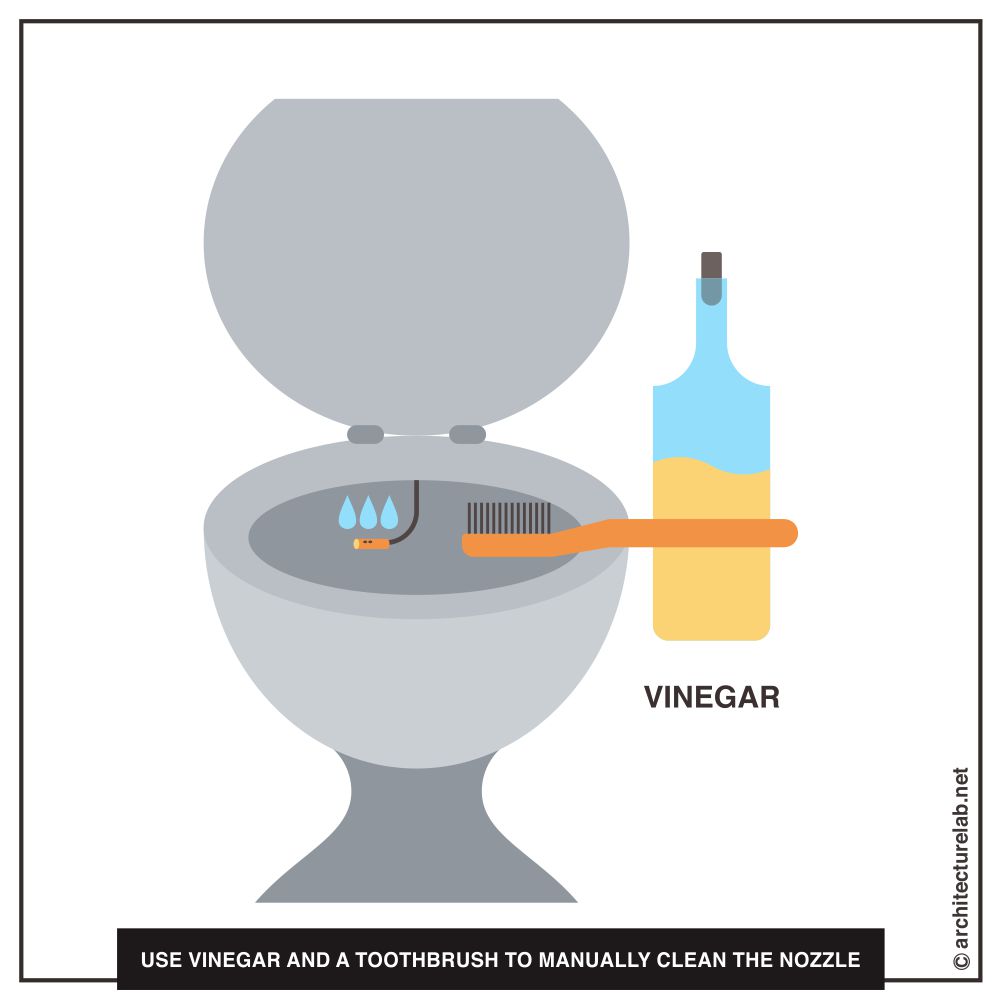
Even self-cleaning models need hands-on care. Press Nozzle Clean to extend the wand, then unplug the bidet and shut off water. Use a soft-bristle toothbrush or cotton swab dampened with mild soapy water or fifty-fifty vinegar solution. Gently scrub the spray holes, base of nozzle housing, and areas where grime collects. Press Stop and let the nozzle retract automatically. Wipe dry with a microfiber cloth.
Remove and Clean the Seat and Lid
Gain full access to hidden areas by removing the seat. Press the quick-release button, usually on the right side. Slide the seat forward and lift off. No tools are needed on Brondell, TOTO, and most modern models. Remove the toilet lid and clean both with warm, soapy water and a soft cloth. Dry completely, then reattach by sliding back until it clicks.
Clean Hidden Crevices
Use a damp cloth and toothbrush to clean the gap between seat and lid, hinges and seams, area between bidet and bowl, and under-seat mounting plate.
Maintain the Deodorizer Filter
If your bidet has odor control, clean the filter monthly. Unplug the bidet. Pull the deodorizer filter from the right side. Brush off dust with a dry toothbrush. Rinse under water if dirty, then dry completely before reinserting. Snap back into place.
Cleaning Under the Seat Monthly
This area traps moisture and bacteria, so regular cleaning is essential.
Under-Seat Cleaning Process
Unplug the bidet and use quick-release to remove it. Set the bidet aside without disconnecting hoses unless servicing. Clean the underside of the seat with a soapy cloth. Scrub the toilet rim and mounting area with toilet cleaner. Wipe bolts and plate with a damp cloth. Reattach securely, then restore power and water.
Removing Mineral Buildup in Hard Water Areas
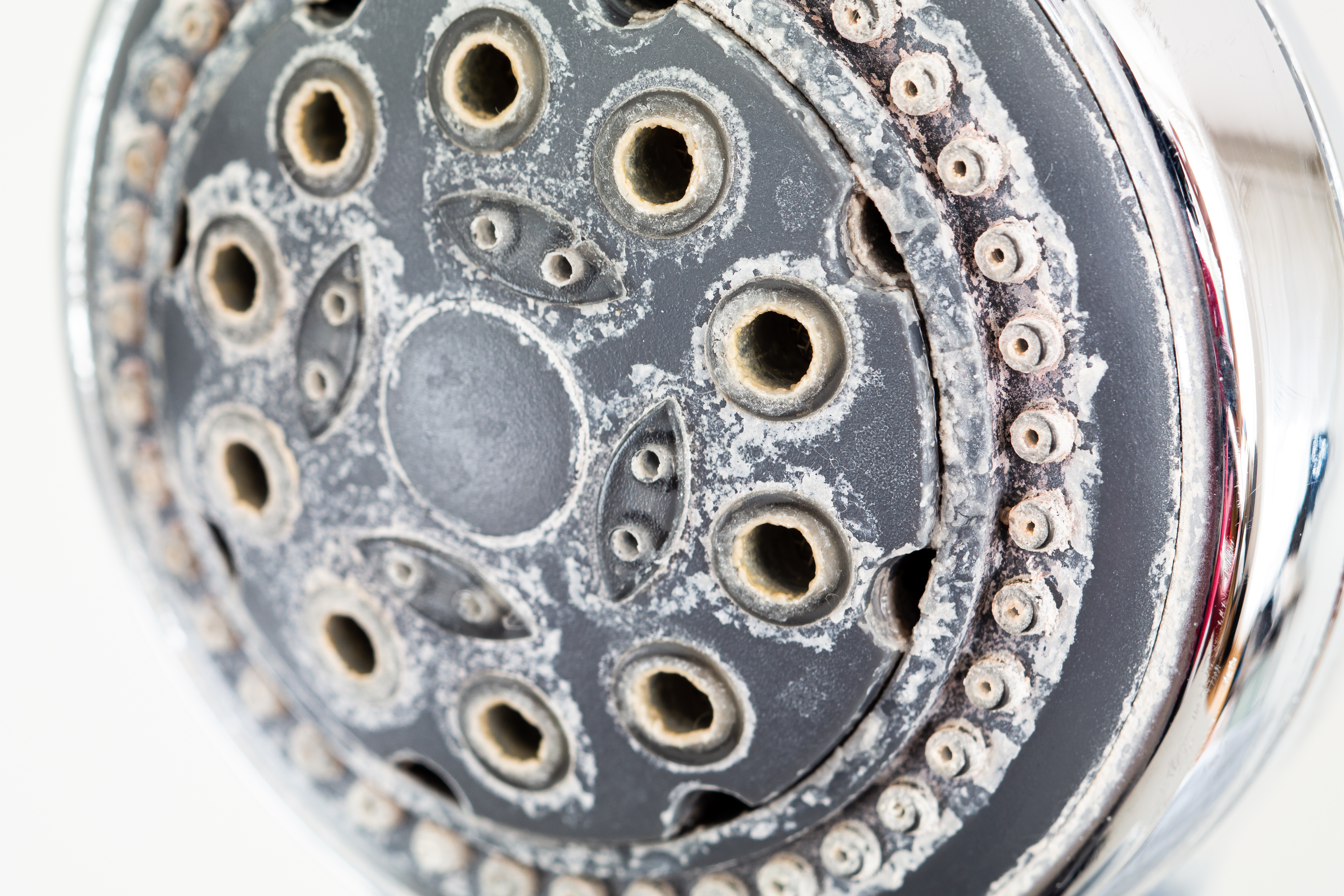
Hard water clogs nozzles and reduces spray strength if left unchecked.
Target Areas for Descaling
Focus on the nozzle spray holes, water inlet strainer, and internal valves.
How to Descale
Apply fifty-fifty white vinegar and water to affected areas. Let sit for fifteen to thirty minutes. Gently scrub with a toothbrush. Rinse with clean water. Dry before restoring power.
Never soak in undiluted vinegar, as this can damage seals. Consider installing an inline carbon filter to reduce mineral intake as a preventive measure.
Semiannual Maintenance Tasks
Prevent mechanical issues with these deeper tasks every six months.
Clean the Water Inlet Strainer
This mesh filter stops sediment from entering the system. Shut off water and flush the toilet to drain the line. Disconnect the hose nut from the angle stop. Remove the strainer, a small screen inside. Clean under running water with a soft brush. Reinstall and reconnect. Open the valve slowly and check for leaks.
Clean Water Filter Drain Valve on TOTO Models
Maintain water pressure and flow by cleaning this valve. Shut off water and unplug the bidet. Press Wand Cleaning to extend the nozzle. Remove the left-side cover. Use a flathead screwdriver to loosen and remove the drain valve. Rinse and brush off debris. Reinstall and replace the cover. Restore power and water.
Replace Deodorizer Cartridge on TOTO Models
Only on models with replaceable cartridges, not the A2, A100, or KC2. Unplug the bidet. Remove the seat via quick-release. Use a screwdriver to remove the cartridge cover. Pull out the old cartridge by the flap. Insert the new one, aligning properly. Reattach cover and seat. Plug in.
Filter Maintenance Schedule
Filters protect internal systems and ensure consistent performance.
Clean the built-in mesh strainer every three to six months to prevent clogs and weak spray. Replace the inline carbon filter every six months to reduce chlorine and minerals. Clean the deodorizer filter monthly and replace every six to twelve months.
A clogged filter causes weak spray or inconsistent flow.
Cleaning Control Panel and Remote Safely
Electronics need gentle care to function properly.
Safe Cleaning Steps
Never spray liquid directly. Dampen a cloth or wipe with mild cleaner. Wipe gently. Dry with a microfiber cloth. Let air dry completely before use.
Model-Specific Cleaning Tips

Follow brand guidelines for the best results and to preserve warranties.
TOTO WASHLET
The surface uses CLEAN RESIN, which resists grime but is sensitive to chemicals. Never use bleach, ammonia, or acetone. For lid removal, tilt forward, disconnect the left pin, then the right. Reattach the right first to avoid pinching fingers. If all LEDs flash, the seat is misaligned. Remove and reinstall flat with a full click.
Brondell Models
Safe cleaners include Simple Green, Windex, and Dawn. Use the quick-release button for removal. Clean the mesh filter annually. Replace the carbon filter every six months.
Kohler and BioBidet
Avoid alcohol, bleach, and abrasives. Clean nozzles monthly with vinegar or soap. Use only soft cloths.
Creating a Bidet Seat Cleaning Schedule
Stay consistent with a maintenance plan to extend your bidet is life.
Wipe exterior and run self-clean daily. Perform manual nozzle cleaning and remove the seat monthly. Clean the deodorizer filter and underside monthly. Inspect the inlet strainer every three to six months. Replace the carbon filter and deodorizer cartridge every six months. Set phone reminders or calendar alerts to stay on track.
Troubleshooting Common Issues
Weak spray usually indicates a clogged nozzle or filter. Clean with vinegar and inspect or replace the filter. Musty smells come from moisture under the seat. Remove and dry thoroughly, then clean the rim. Streaks or film result from hard water or wrong cleaners. Use vinegar and dry completely. Electrical issues stem from wet controls. Keep dry and never spray directly.
Flashing lights on TOTO models mean the seat is misaligned. Reinstall ensuring full click. Nozzle will not extend indicates a jam or damage. Do not force it. Contact support instead. Leaks typically come from loose hoses or bad O-rings. Check connections and replace seals.
Frequently Asked Questions About Cleaning a Bidet Seat
How often should I clean my bidet seat?
Wipe exterior surfaces daily and run the self-clean cycle daily. Perform monthly deep cleaning including nozzle manual cleaning and seat removal. Complete semiannual maintenance like filter cleaning and replacement every six months.
Can I use bleach to clean my bidet seat?
No. Bleach degrades rubber O-rings and gaskets, potentially causing leaks. It also damages plastic surfaces and protective coatings. Stick to mild dish soap, white vinegar, or approved commercial cleaners.
How do I clean the bidet nozzle properly?
Press Nozzle Clean to extend the wand. Unplug and shut off water. Use a soft-bristle toothbrush with mild soapy water or fifty-fifty vinegar solution. Gently scrub the spray holes and base. Let the nozzle retract automatically. Dry with a microfiber cloth.
Why does my bidet smell musty?
Musty odors usually stem from moisture trapped under the seat or poor cleaning in hidden areas. Remove the seat monthly and clean the underside, toilet rim, and mounting plate thoroughly. Ensure all parts are dry before reattaching.
How do I remove hard water stains from my bidet?
Apply fifty-fifty white vinegar and water to affected areas. Let sit for fifteen to thirty minutes. Scrub gently with a soft toothbrush. Rinse thoroughly and dry completely. Consider installing an inline carbon filter to prevent future buildup.
How long does a bidet seat last with proper care?
With consistent maintenance, a bidet seat can last five to ten years or more. Regular cleaning, filter replacement, and avoiding harsh chemicals preserve the unit is performance and extend its lifespan.
Key Takeaways for Maintaining Your Bidet Seat
Always unplug before cleaning to prevent electrical hazards. Use mild dish soap or vinegar and avoid bleach, ammonia, and alcohol-based cleaners. Clean the nozzle monthly with a soft toothbrush and vinegar solution. Remove the seat monthly to access and clean hidden areas underneath. Dry all parts thoroughly after cleaning to prevent mold and electrical issues.
Maintain filters by cleaning the strainer every three to six months and replacing carbon filters every six months. Follow your model is specific guidelines found in the user manual. Stick to a consistent cleaning schedule with calendar reminders. Consider models with self-cleaning or UV sanitization features for reduced maintenance.
A well-maintained bidet stays hygienic, performs reliably, and lasts for years. With just a few minutes of care each week, you can enjoy a cleaner, fresher bathroom experience every single day.