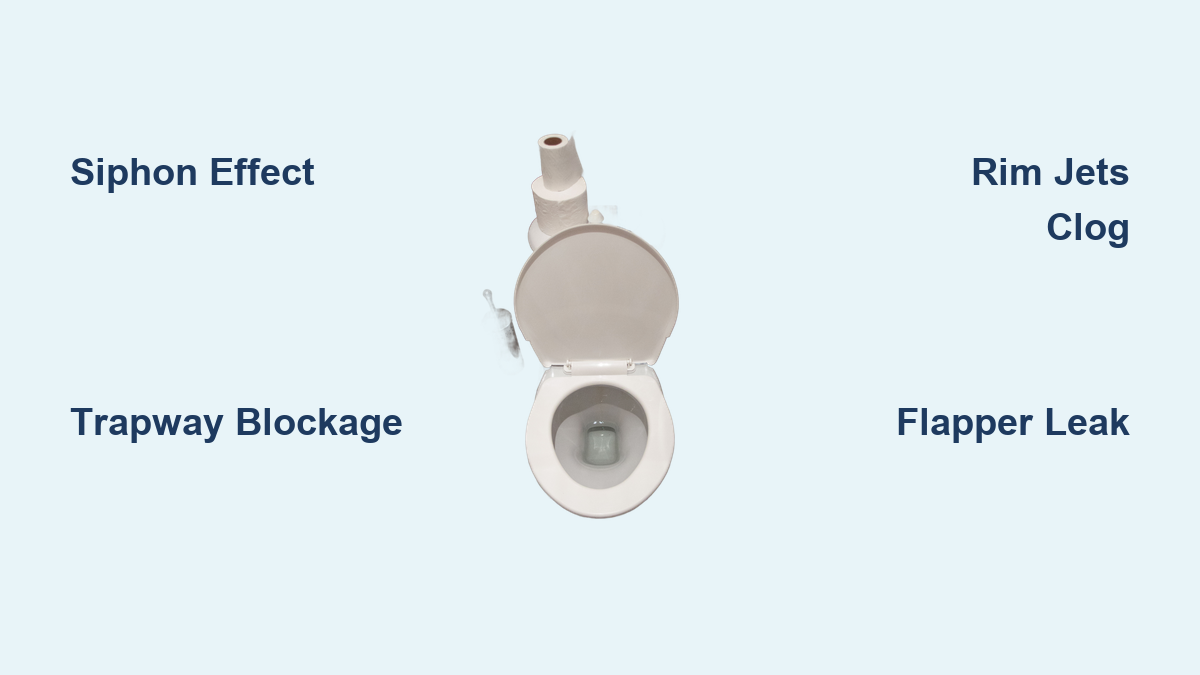
You press the handle, water swirls, and waste disappears in seconds. Yet most people never wonder what makes this everyday miracle possible. Understanding how a toilet bowl works reveals a clever blend of physics, gravity, and precision engineering hiding inside that simple porcelain fixture. Whether you are troubleshooting a weak flush, fighting constant clogs, or simply curious about water efficiency, knowing the inner workings can save you money and frustration.
Every flush depends on components working in perfect harmony. A small failure in any part can lead to wasted water, poor performance, or costly leaks. In this guide, you will learn the anatomy of a toilet bowl, the science behind the siphon effect, common problems, and how to keep your toilet running smoothly for years to come.
Toilet Bowl Anatomy and Key Components
A toilet bowl is more than a ceramic basin. It is an engineered vessel designed to channel water and waste with precision. Knowing its structure helps you understand why some flushes succeed while others fail.
Parts Inside the Bowl
- Bowl rim jets: Small holes beneath the rim that release water in a swirling pattern, scrubbing the bowl walls during each flush.
- Siphon jet (or trapway jet): A larger opening at the base that directs a powerful surge of water into the trapway to start the siphon.
- Trapway: The curved, S-shaped passage inside the bowl base that holds standing water between uses, blocking sewer gases.
- Water surface and trap seal: The standing water inside the bowl forms a barrier, usually 2 to 3 inches deep, that prevents odors and pests from entering your bathroom.
This standing water is essential. It is why you always see water in the bowl, even when the toilet is not in use. The trapway’s shape is what enables the siphon effect, the core mechanism behind every successful flush.
Common Bowl Design Types
- Siphonic bowls: The most common style in North America, featuring a longer trapway that creates a powerful, quiet siphon.
- Washdown bowls: Common in Europe, these have a shorter, wider trapway and rely on direct water force and gravity.
- Pressure-assisted siphonic: Found in commercial restrooms, combining tank pressure with siphonic action for aggressive flushing power.
Each design balances flush strength, noise level, water consumption, and clog resistance. Knowing your bowl type helps you choose the right tools and techniques for maintenance.
The Flush Mechanism Step by Step
The flush starts with a simple action but unfolds through a precisely timed sequence. Gravity, water pressure, and physics all play critical roles in the process.
What Happens When You Press the Handle
- The handle lifts a chain connected to the flapper, a rubber valve at the bottom of the tank.
- The flapper rises, opening the flush valve and releasing water from the tank into the bowl.
- Water enters through two paths: the rim feed around the top edge and the siphon jet at the base.
Most modern toilets release between 1.28 and 1.6 gallons per flush, depending on the model and efficiency rating.
The Siphon Effect Explained
As water rushes into the bowl:
– It rises above the highest point of the trapway.
– Once it spills over, gravity pulls the water down the drain pipe.
– This creates a vacuum, or siphon, that pulls bowl contents down the drain.
– The siphon continues until air enters the trapway, breaking the vacuum and stopping the flow.
This entire process takes about 4 to 7 seconds. A well-designed bowl and proper water level ensure the siphon engages quickly and clears waste completely.
Common Flush Problems
- Weak flush: Often caused by low tank water, clogged rim jets, or partial trapway blockage.
- Incomplete siphon: If water does not rise high enough, the siphon never starts, leaving waste behind.
- Double siphoning: A second flush cycle caused by trapped air in the trapway. It is noisy but usually harmless.
Most flush issues can be fixed by adjusting tank components or cleaning hidden passages inside the bowl.
Tank-to-Bowl Water Flow
The path water takes from tank to bowl is designed for maximum efficiency. Understanding this flow helps you diagnose weak or incomplete flushes.
Dual-Path Flushing Design
Modern toilets use a two-stream system:
– Rim feed: Water flows through small holes under the rim, creating a swirling action that cleans the bowl surface.
– Jet assist: A larger volume of water shoots directly into the siphon jet, boosting the surge that triggers the siphon.
This split design ensures both cleaning power and flushing strength, improving hygiene and performance.
Flow Rate and Timing
- High flow at start: The first 2 to 3 seconds deliver the most water to start the siphon.
- Gradual taper: As the tank empties, flow slows, allowing air to refill the bowl and break the siphon.
- Refill begins: Once the flush valve closes, the fill valve sends water back into the tank and bowl.
If water flows too slowly or unevenly, the flush may fail. Clogs in the rim feed tubes or a worn flapper often disrupt this balance.
Signs of Poor Flow
- Uneven swirl: Indicates clogged rim jets. Clean them with a wire or vinegar soak.
- Gurgling during flush: Suggests air blockage or venting issues in the drain system.
- Delayed siphon: May mean insufficient water volume or a blocked jet.
Regular maintenance keeps water paths clear and flushes consistent.
Trapway and Drain Connection
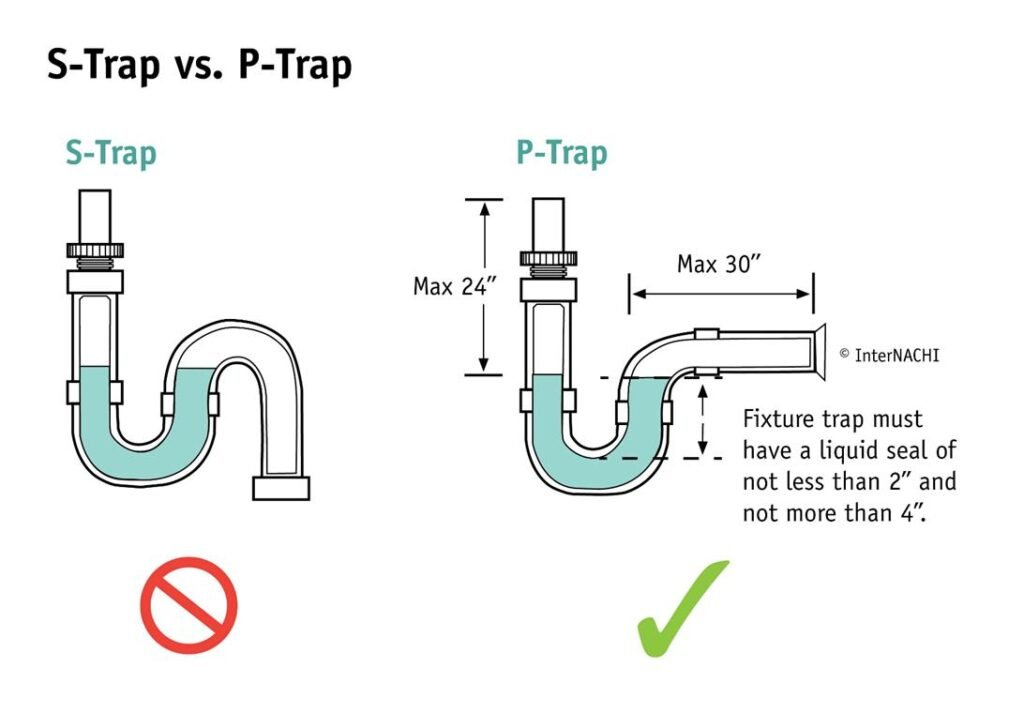
The trapway is the unsung hero of every toilet. It enables the siphon, blocks sewer odors, and guides waste toward the sewer line.
How the Trapway Functions
- S-shaped curve: Holds water to form a seal against sewer gases.
- Smooth internal glaze: Reduces friction, helping waste pass easily.
- Diameter and length: Typically 2 to 3 inches wide. Longer siphonic traps increase suction but clog more easily if misused.
A clogged trapway is the most common cause of a non-flushing toilet. Wipes, excess paper, and foreign objects often get stuck here.
Clearing Minor Clogs Safely
For partial blockages:
1. Use a plunger with firm, controlled strokes to dislodge the clog.
2. Apply downward pressure to push air into the trapway, then pull up to create suction.
3. Repeat until water drains freely.
Avoid chemical drain cleaners. They can damage the bowl’s glaze and rarely work on toilet clogs.
Venting and Drain System Role
- Vent pipe: Extends from the drain line to the roof, allowing air to enter and prevent vacuum lock.
- Without proper venting, flushing can be slow, gurgling, or incomplete.
- If multiple fixtures gurgle when you flush, the main vent may be blocked.
A functioning vent ensures smooth wastewater flow and prevents siphon disruption.
Water Refill and Reset Cycle
After each flush, the toilet automatically resets itself. This often-overlooked process is vital for keeping the toilet ready for the next use.
Refill Cycle Steps
- The flapper drops and seals the flush valve.
- The fill valve opens, sending water into the tank.
- A small tube directs water into the overflow tube, replenishing the bowl.
- The float rises with the water level. Once full, it shuts off the fill valve.
This cycle takes 30 to 60 seconds. A properly adjusted system ensures the bowl returns to its normal water level.
Why Bowl Refill Matters
- Maintains trap seal: Without enough water, sewer gases can enter the bathroom.
- Prepares for next flush: Correct water level ensures immediate siphon activation.
If the bowl does not refill fully, check the refill tube. It may be disconnected or kinked.
Common Refill Issues
- Whistling noise: Caused by a worn fill valve. Replace it if the sound persists.
- Running toilet: Often due to a flapper that does not seal or a misadjusted float.
- Slow refill: Could indicate low water pressure or a partially closed supply valve.
Fixing these issues conserves water and prevents long-term damage.
Gravity vs Pressure Flush Systems

Toilets use different mechanisms to generate flushing power. Each system has its own strengths and weaknesses.
Gravity-Flush Toilets
- The most common type in residential homes.
- Use the weight of water in the tank to create flushing force.
- Simple design, quiet operation, and easy repairs.
- Require proper bowl and trapway design to perform well.
Performance depends on tank size and water level. Older models used 3.5 to 5 gallons per flush, while modern efficient models use just 1.28 gallons.
Pressure-Assisted Toilets
- Contain a sealed tank inside the main tank that compresses air as it fills.
- When flushed, pressurized air forces water into the bowl at high speed.
- Deliver stronger flushes, ideal for commercial settings.
- Louder operation and more expensive to repair.
These are often found in public restrooms where reliability and power are critical.
Choosing the Right Type
- For homes: Gravity-flush models are quieter, cheaper, and easier to maintain.
- For high-traffic areas: Pressure-assisted toilets reduce clogs and offer consistent performance.
- For water conservation: Look for WaterSense-labeled models that meet EPA efficiency standards.
Both types rely on the siphon effect, but the method of delivering water differs significantly.
Maintenance Tips for Long-Lasting Performance

A well-maintained toilet can last for decades. Simple habits prevent clogs, leaks, and inefficiency.
Regular Cleaning Practices
- Clean rim jets: Use a small brush or wire to clear mineral buildup.
- Avoid harsh chemicals: Bleach and acid-based cleaners can degrade rubber seals and tank parts.
- Use vinegar for limescale: Pour white vinegar into the tank and let it sit overnight to dissolve deposits.
Clean the bowl and exterior weekly to prevent stains and bacteria buildup.
Preventative Checks
- Inspect flapper every 6 months: Replace if cracked or warped.
- Test for leaks: Add food coloring to the tank. If color appears in the bowl after 20 minutes, there is a leak.
- Check water level: Should be 1 inch below the overflow tube.
Fixing small issues early prevents costly repairs.
When to Call a Professional
- Persistent clogs despite plunging.
- Cracks in the porcelain bowl or tank.
- Recurring running or leaking.
- Sewer odor despite clean traps.
A licensed plumber can diagnose venting issues, replace internal components, or recommend upgrades.
Signs of a Failing Toilet
Even the best toilets eventually wear out. Recognizing warning signs helps you decide between repair and replacement.
Common Failure Indicators
- Frequent clogs: May mean a failing trapway design or internal damage.
- Cracks in bowl or tank: Can lead to leaks or sudden breakage. Replace immediately.
- Wobbly base: Caused by loose bolts or a damaged wax seal, which can lead to floor damage and leaks.
- Constant running: Indicates worn internal parts or improper sealing.
Ignoring these signs can lead to water waste, mold growth, or structural damage.
Upgrade Considerations
Modern toilets offer:
– Improved efficiency: As low as 1.0 gallon per flush without sacrificing power.
– Better flush technology: Dual-flush options and optimized trapways.
– Enhanced comfort: Elongated bowls, higher seats, and quieter fills.
Replacing a toilet over 15 years old can save thousands of gallons of water annually.
Environmental and Cost Impact
- Older toilets use 3.5 or more gallons per flush. Modern ones use less than half.
- A family of four can save up to 16,000 gallons per year by upgrading.
- Many utilities offer rebates for installing WaterSense-certified models.
Investing in a new, efficient toilet pays off in water savings and long-term reliability.
Frequently Asked Questions About How a Toilet Bowl Works
What is the siphon effect in a toilet?
The siphon effect is the process where water rushing over the trapway creates a vacuum that pulls waste down the drain. It begins when water rises above the highest point of the trapway and continues until air enters and breaks the vacuum. This is the core mechanism behind every successful flush.
Why does my toilet flush weakly?
A weak flush is usually caused by low tank water level, clogged rim jets, or a partially blocked trapway. Check the flapper, adjust the float, and clean the rim holes with a wire or vinegar to restore proper flow.
How much water does a modern toilet use per flush?
Most modern toilets use between 1.28 and 1.6 gallons per flush. High-efficiency models can use as little as 1.0 gallon, while older toilets may use 3.5 gallons or more per flush.
What is the trapway in a toilet bowl?
The trapway is the S-shaped passage inside the base of the bowl. It holds standing water to block sewer gases and creates the curve needed for the siphon effect. A smooth, clear trapway is essential for reliable flushing.
Can I use chemical drain cleaners in my toilet?
No. Chemical drain cleaners can damage the bowl’s glaze and harm internal tank components. They are also ineffective on most toilet clogs. Use a plunger or a toilet auger instead for safe and reliable results.
How often should I replace toilet parts?
Inspect the flapper every 6 months and replace it if worn. Fill valves and other internal components typically last 5 to 10 years. Regular inspection prevents leaks and keeps the toilet operating efficiently.
Key Takeaways for Understanding How a Toilet Bowl Works
Knowing how a toilet bowl works empowers you to maintain, troubleshoot, and optimize one of the most important fixtures in your home. The siphon effect, driven by gravity and water flow, is the heart of every flush. Components like the flapper, trapway, rim jets, and fill valve must work together for reliable performance.
Simple habits like cleaning rim jets, checking the flapper, and testing for leaks can extend your toilet’s lifespan and conserve water. If you notice frequent clogs, weak flushes, or constant running, address the issue early before it leads to costly damage.
Take a few minutes to inspect your toilet today. A quick check of the water level, flapper condition, and rim jets can prevent future headaches and keep your bathroom running smoothly for years to come.