You press the handle, water rushes down, and waste disappears. Yet most people never stop to ask how does a toilet work. Behind every flush is a clever combination of gravity, water pressure, and well-designed parts working together in just a few seconds.
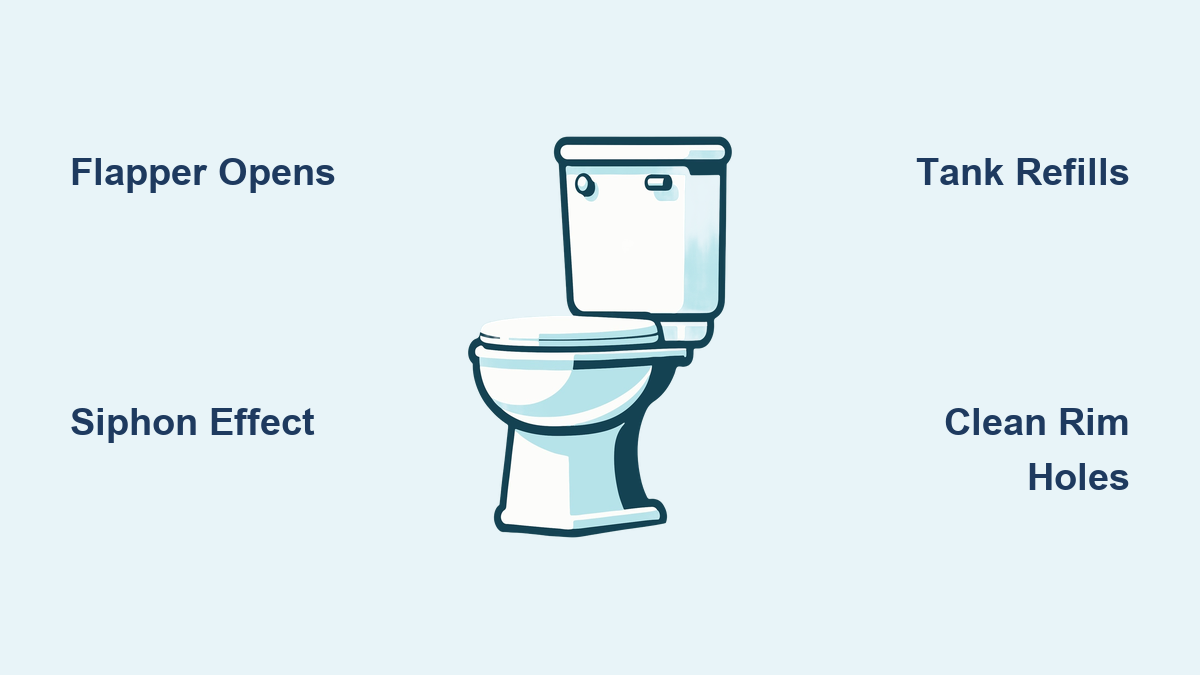
A standard toilet uses a tank-and-bowl system controlled by valves, floats, and seals. When you press the flush handle, a chain lifts a rubber flapper, sending water from the tank into the bowl. This surge of water creates a siphon effect that pulls everything down the drain. The flapper then closes, the tank refills, and the toilet is ready for the next use.
In this guide, you will learn the key parts of a toilet, the step-by-step flush process, common problems with simple fixes, and how modern designs save water. By the end, you will understand exactly how does a toilet work and feel confident handling basic maintenance yourself.
The Two Main Sections of a Toilet
Every toilet has two main parts: the tank on top and the bowl below. These two sections work together to store water, release it on demand, and remove waste cleanly.
The tank holds the water needed for flushing. It also contains the mechanical parts that control when water enters and exits. The bowl is where waste collects before being pushed through the drain. Together, they form a closed system that resets after every flush.
How the Tank and Bowl Connect
A small opening at the bottom of the tank feeds water into the bowl when the flapper opens. A separate refill tube sends a small stream of water back into the bowl after each flush to restore the water level in the trapway.
Inside the Tank: Parts That Control Water Flow

The tank holds several working components. Each one plays a role in starting the flush, controlling water flow, and refilling the tank afterward.
Key Tank Components You Should Know
- Flush handle: The lever you press to start the flush cycle.
- Chain: Connects the handle to the flapper and lifts it when pulled.
- Flapper: A rubber seal at the bottom of the tank that opens to release water into the bowl.
- Fill valve: Refills the tank with fresh water after each flush.
- Float: Rises with the water level and shuts off the fill valve when full.
- Overflow tube: Directs excess water into the bowl if the fill valve fails.
Pro Tip: If your chain is too loose or too tight, the flapper may not lift fully. This causes weak flushes or constant running water.
Inside the Bowl: Parts That Move Waste Out

The bowl is more than just a basin. It has carefully designed openings and passages that direct water flow to clear waste efficiently.
Essential Bowl Parts
- Trapway: A curved passage inside the bowl that uses siphoning to remove waste.
- Rim holes: Small openings under the rim that release water during a flush to clean the sides.
- Jet hole: A larger hole at the bottom of the bowl that pushes water forcefully into the trapway to start the siphon.
- Wax ring: Seals the base of the toilet to the floor drain to block leaks and odors.
What Happens When You Press the Flush Handle
The entire flush process happens fast. Most of the action is complete within 5 to 10 seconds. Here is how it unfolds step by step.
Step 1: The Handle Lifts the Flapper
Pressing the handle pulls the chain, which lifts the flapper off the flush valve. This opens the path between the tank and the bowl, allowing water to rush down.
Step 2: Water Surges Into the Bowl
Gravity pulls about 1.6 gallons of water from the tank into the bowl. Most of this water enters through the jet hole, creating a powerful surge that starts the siphon. At the same time, water flows through the rim holes, swirling around the bowl to clean the sides.
Step 3: The Siphon Effect Clears the Bowl
The rapid influx of water fills the bowl and forces the contents through the trapway. Once water fills the U-shaped trap completely, a siphon forms. Think of it like sucking liquid through a straw.
This siphon creates suction that pulls all the water and waste down the drain pipe and into the sewer or septic system.
Visual Cue: You will hear a gurgling sound as the siphon breaks and the bowl empties. That sound is normal and a sign the system is working correctly.
Step 4: The Tank Refills Automatically
Once the tank empties, the flapper drops back into place. The float sinks with the water level, triggering the fill valve to open. Fresh water flows into the tank and also through a small tube that refills the bowl. The tank typically refills in 60 to 90 seconds.
Warning: If you hear constant running water, the flapper may not be sealing properly, or the float may be set too high.
Common Toilet Problems and How to Fix Them
Even well-designed toilets can develop issues over time. Most problems come from worn parts or simple adjustments you can handle yourself.
Weak or Incomplete Flush
A weak flush often points to a few common causes:
- Low water level in the tank
- Clogged rim or jet holes
- Partially blocked trapway
- Old or warped flapper
To fix this, adjust the float to raise the water level to about 1 inch below the top of the overflow tube. Clean the rim and jet holes with a wire or small brush. Replace the flapper if it looks stiff or no longer seals.
Toilet Keeps Running
A running toilet usually means the flapper is not sealing and water is leaking into the bowl. To confirm, add a few drops of food coloring to the tank and wait 15 to 20 minutes without flushing. If color appears in the bowl, the flapper is leaking. Replacing the flapper is a quick fix that costs around $5 and takes about 10 minutes.
Tank Will Not Fill
If the tank stays empty, check these possible issues:
- The shut-off valve behind the toilet may be closed.
- The fill valve may be stuck or failing.
- The inlet screen may be clogged.
Open the shut-off valve fully, tap the fill valve gently to unstick it, or remove and clean the inlet screen if water flows slowly.
Modern Toilet Designs That Save Water
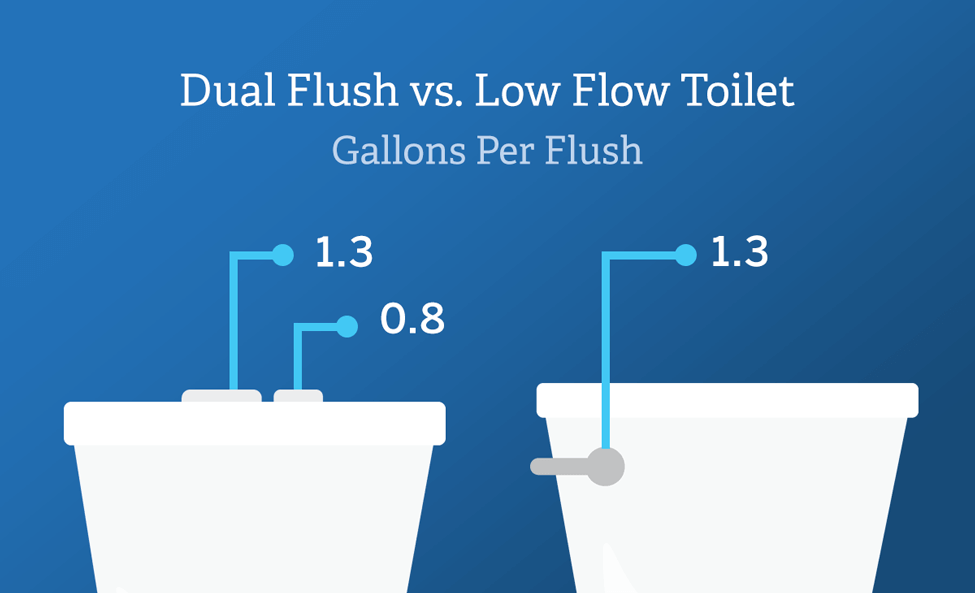
Toilets have evolved to use less water without losing flushing power. Several designs now exist to meet different needs.
Low-Flush Toilets (1.6 GPF)
Since 1994, U.S. law requires new toilets to use no more than 1.6 gallons per flush. Early models had weak flushes, but modern designs use improved trapways and pressure-assisted systems to maintain strong performance.
Dual-Flush Toilets
These toilets offer two buttons: a half flush using about 0.8 gallons for liquid waste, and a full flush using about 1.6 gallons for solid waste. This design can reduce water use by up to 20%.
Pressure-Assisted Toilets
These use compressed air in a sealed tank inside the toilet to create a more forceful flush. Common in commercial buildings, they are louder but highly effective at clearing waste.
Simple Maintenance to Extend Your Toilet’s Life
A well-maintained toilet can last 20 to 50 years. Regular care prevents clogs, leaks, and inefficiency.
Monthly Checks to Perform
- Inspect for leaks using the food coloring test.
- Clean rim holes and under the bowl rim.
- Make sure the handle operates smoothly without sticking.
Replace Worn Parts Early
Flappers and fill valves typically last 4 to 5 years. If you notice running water or weak flushes, replace these parts before they cause bigger problems.
Expert Note: Keep a basic toilet repair kit on hand. It should include flappers, fill valves, and washers, which cover most common repairs.
Avoid Harsh Cleaners
Bleach tablets placed in the tank can degrade rubber parts like the flapper and seals. Use mild cleaners or flush-safe drop-ins instead to protect the components.
Quick Troubleshooting When the Toilet Will Not Flush
Not all flush issues require a plumber. Use this simple guide to diagnose the problem.
No Water in the Tank
- Check the shut-off valve to make sure it is fully open.
- Inspect the supply line for kinks or cracks.
- Test the fill valve to confirm it is receiving water.
Tank Has Water but Will Not Flush
- Check whether the chain is still connected to the flapper.
- See if the flapper is lifting fully when you press the handle.
- Confirm the water level is high enough inside the tank.
Bowl Will Not Empty
- Use a flange plunger to create a strong seal and clear the clog.
- Try a toilet auger if plunging does not work.
- Inspect the jet hole for debris that may be blocking the main flush path.
Different Toilet Types and How Each One Works
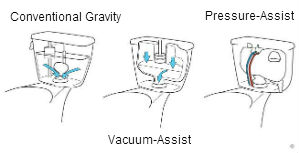
While most home toilets use gravity flush systems, other designs serve different needs and settings.
Gravity-Flush Toilets
These are the most common type. They rely on the weight of water in the tank to create flushing power. They are simple, quiet, and low-maintenance, making them ideal for most homes.
Pressure-Assisted Toilets
These use air pressure to boost flush force. Found in public restrooms and high-efficiency homes, they cost more upfront but are less prone to clogs.
Wall-Mounted Toilets
The tank is hidden inside the wall, and a flush valve and carrier system handle the work. These save space and create a modern look, but they can be harder to repair.
Composting Toilets
These use no water at all. They separate liquids and solids and break them down naturally. They are ideal for off-grid homes or eco-friendly builds.
Frequently Asked Questions About How a Toilet Works
What makes a toilet flush when you press the handle?
Pressing the handle pulls a chain that lifts the rubber flapper at the bottom of the tank. This opens the path for water to rush from the tank into the bowl, creating the force needed to clear waste through the trapway.
Why does my toilet keep running after I flush?
A running toilet usually means the flapper is not sealing properly. Water slowly leaks from the tank into the bowl, and the fill valve keeps running to replace it. Replacing the flapper usually solves the problem.
How much water does a standard toilet use per flush?
Since 1994, standard toilets in the U.S. use no more than 1.6 gallons per flush. Older models may use 3.5 to 7 gallons, while dual-flush models can use as little as 0.8 gallons for liquid waste.
What is the siphon effect in a toilet?
The siphon effect happens when water fills the U-shaped trapway completely, creating suction that pulls waste and water down the drain. It is the main force behind how a toilet clears the bowl during a flush.
How long should a toilet last before needing repairs?
With proper care, a toilet can last 20 to 50 years. However, parts like flappers and fill valves typically need replacement every 4 to 5 years.
What is the difference between gravity and pressure-assisted toilets?
Gravity toilets use the weight of water to create flushing power, while pressure-assisted toilets use compressed air to boost the force. Pressure-assisted models flush more powerfully but tend to be louder.
Key Takeaways on How a Toilet Works
Understanding how does a toilet work gives you the confidence to handle basic repairs and keep your bathroom running smoothly. The tank stores water and controls the flush, while the bowl uses the siphon effect to clear waste. Most problems come from worn flappers, misadjusted floats, or clogged holes, and you can fix these with simple tools and inexpensive parts.
Modern designs like dual-flush and pressure-assisted toilets offer better water efficiency and stronger flushing power. Regular maintenance, including monthly checks and replacing worn parts every few years, can extend your toilet’s life by decades.
Your next step is simple: open your toilet tank, take a look at the parts, and notice how they move during a flush. Once you see the system in action, you will never wonder how does a toilet work again.