
You walk into your bathroom and catch a strong rotten egg odor near the toilet. A gas smell coming from your toilet is more than an annoyance; it often signals a plumbing defect that lets sewer gases escape indoors. Many homeowners replace the wax ring only to find the stench returns within days. The good news is that most causes are diagnosable and fixable with the right approach.
This guide breaks down the top reasons sewer gas leaks into your bathroom, how to pinpoint the source, and what steps actually work. You will learn how to refill a dry trap, spot a cracked base, clear a blocked vent, and decide when to call a plumber for a camera inspection.
Why a Dry P-Trap Triggers a Gas Smell Coming from Toilet
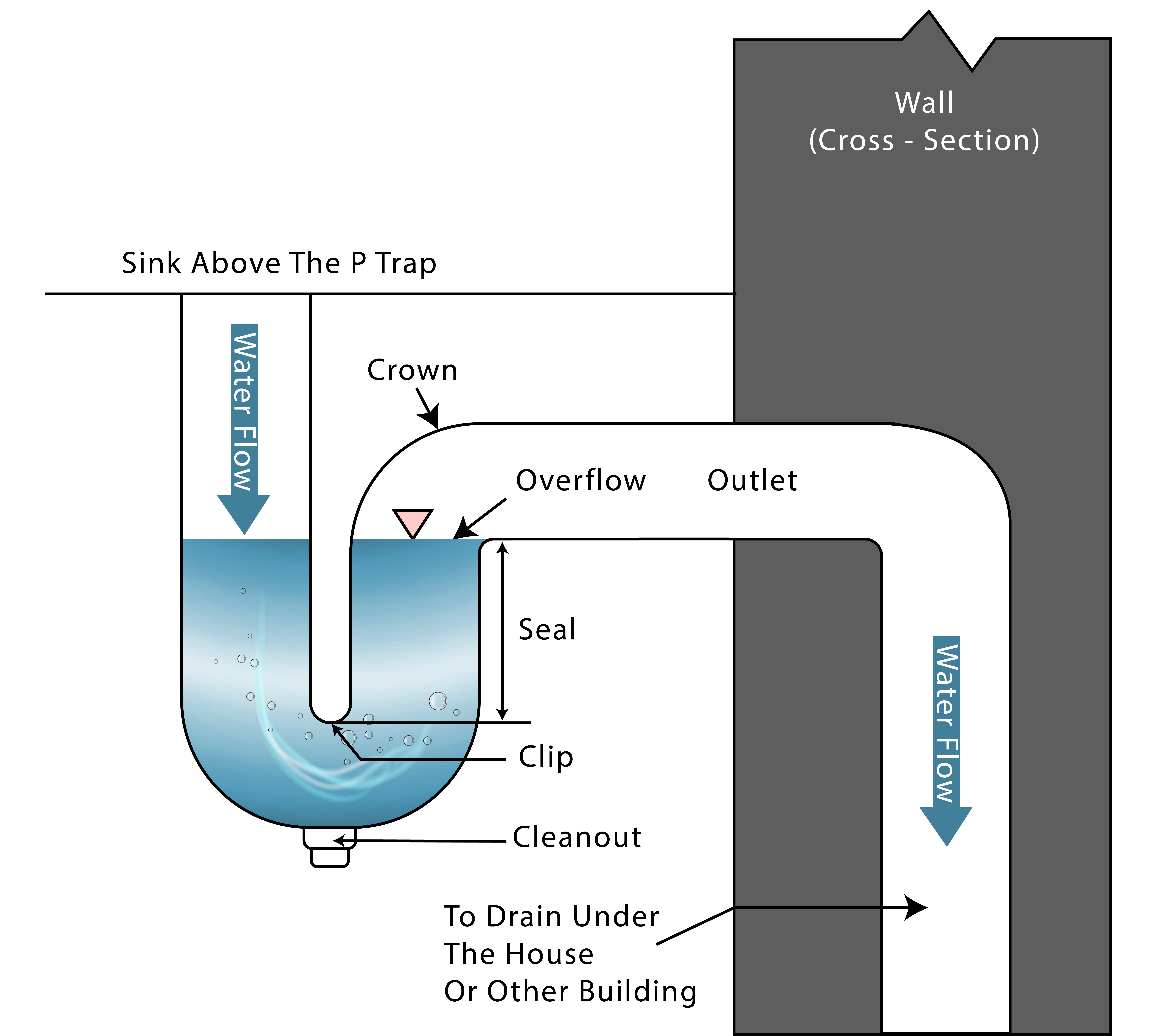
The P-trap is the curved section of pipe beneath your toilet drain that holds a small amount of water. That water acts as a seal, blocking sewer gases from rising into your bathroom. When a toilet sits unused for weeks, the water evaporates and the seal breaks.
How to Refill a Dry P-Trap Quickly
- Pour 4 to 5 gallons of water into the bowl and flush
- Repeat monthly for guest bathrooms or seasonal properties
- Add a cup of vinegar occasionally to prevent residue buildup
Pro Tip: Set a phone reminder to flush spare toilets every 3 to 4 weeks.
If the odor disappears after flushing and stays gone for days, a dry trap was the culprit. If it returns quickly, keep investigating.
Cracked Toilet Base or Poor Installation Behind Lingering Odors
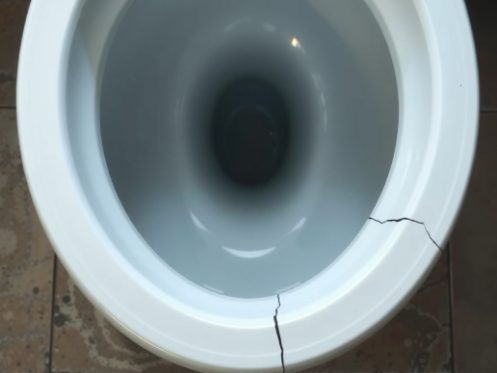
A fresh wax ring alone cannot stop a gas smell coming from toilet if the porcelain base is cracked or the toilet rocks on an uneven flange. Even tiny gaps around the base let sewer gas seep up through flooring and into the air.
Warning Signs of a Damaged Toilet Base
- Visible hairline fractures near the bottom
- Toilet rocks or shifts when you sit or stand
- Water stains or mildew on nearby baseboards
- Musty odor strongest at floor level
Steps to Secure and Reseat the Toilet
- Shut off the supply valve and drain the tank
- Remove the closet bolts and lift the toilet off the flange
- Inspect the flange and floor for cracks or rot
- Install a new wax ring or wax-free seal
- Reset the toilet evenly using shims if needed
- Tighten bolts gradually, alternating sides
Warning: Over-tightening bolts can crack the porcelain. Snug pressure is enough.
If the base itself is fractured, full replacement is the only permanent fix.
Blocked Roof Vent Stack Forcing Gas Back Inside
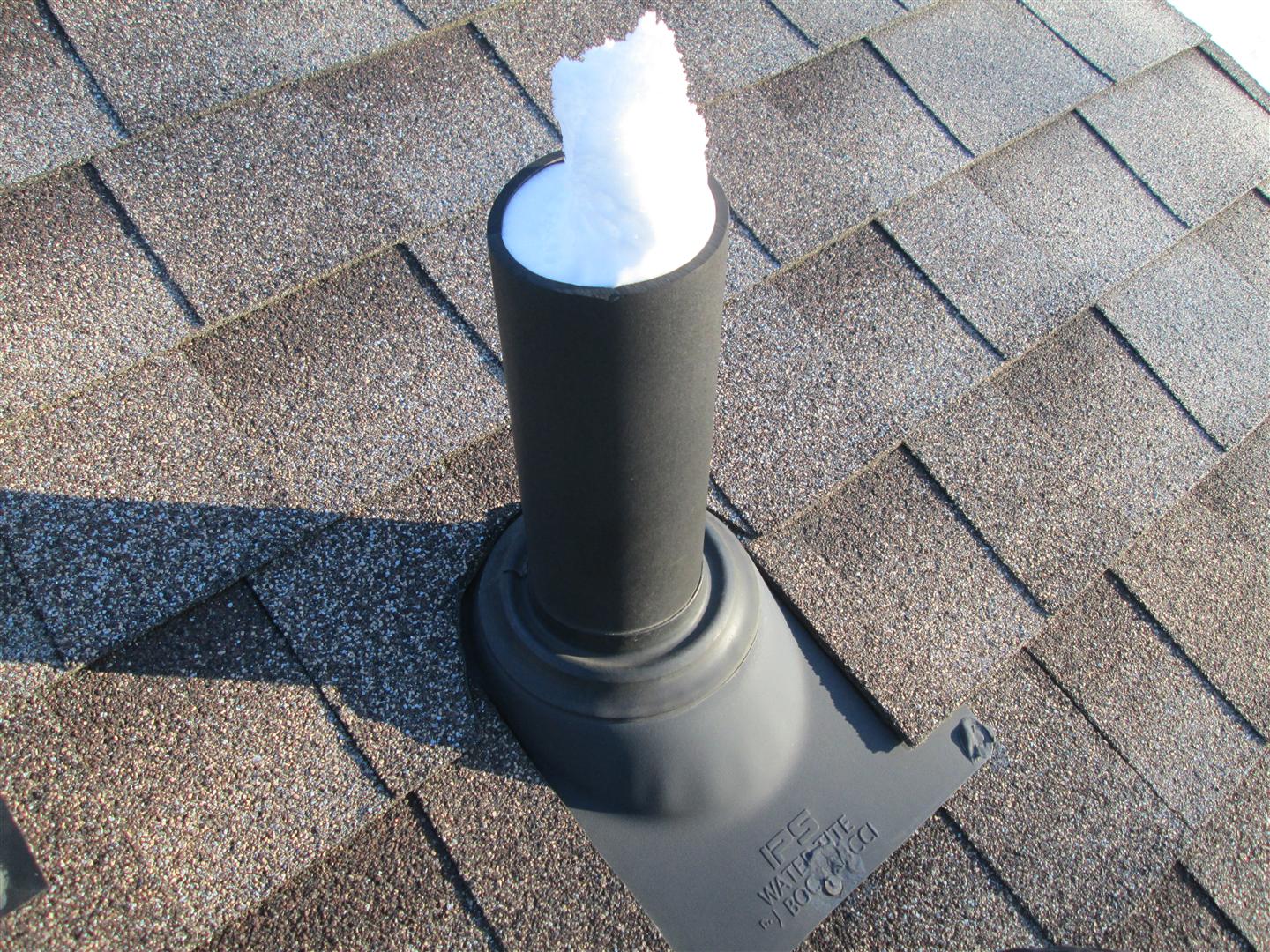
Your plumbing vent runs up through the roof and releases sewer gases outside. When leaves, ice, bird nests, or debris clog the opening, pressure builds inside the drain lines. That pressure pushes gases back through every fixture, including your toilet.
How to Check for a Vent Blockage
- Safely access the roof or hire a professional
- Look directly into the vent opening for visible obstructions
- Shine a flashlight down the pipe to spot deeper clogs
- Pour a bucket of water to test drainage flow
Clearing a Clogged Vent Pipe
- Insert a plumber’s snake or run a garden hose into the vent
- Feed slowly while rotating to break up debris
- Flush with water to push material down the line
- Listen for gurgling in nearby drains as airflow returns
Pro Tip: Install a vent cap to keep out animals and large debris long-term.
If gurgling stops after flushing, the vent is likely clear. Persistent gurgles suggest deeper blockage that needs professional rodding.
Leaky Vent Pipe Joints Inside Walls or Ceilings

Even with an open roof vent, leaks in the vent piping hidden behind walls can release sewer gas directly into your home’s structure. Older homes with cast iron or aging PVC are especially prone to loose or corroded joints.
How to Diagnose Internal Vent Leaks
- Stronger smell near upper floors or shared walls
- Musty air in the attic or basement near pipe runs
- A plumber performing a smoke test to locate escaping vapor
Repair Options for Damaged Vent Piping
- Seal PVC joints with appropriate cement
- Replace corroded cast iron sections
- Reconnect loose or separated joints
Expert Note: In-wall vent repairs are best handled by a licensed plumber due to access challenges.
Hidden Sewer Line Damage Releasing Gas Into Soil

A cracked, collapsed, or root-invaded main sewer line can leak gas into the surrounding soil or your foundation. This often affects multiple drains and may also cause slow flushing, backups, or soggy patches in the yard.
Warning Signs of Sewer Line Failure
- Rotten egg odor in more than one bathroom
- Unusually lush grass strips over the sewer line path
- Sinkholes or wet ground near the foundation
- Gurgling drains when washing machines or dishwashers run
Confirming Damage with a Camera Inspection
- A plumber feeds a waterproof camera through a clean-out
- Live video reveals cracks, root intrusion, or offset joints
- Exact location is marked for targeted repair
Cost Insight: Camera inspections typically run $150 to $500 and prevent costly guesswork.
Repairs may include trenchless pipe lining, pipe bursting, or spot excavation depending on severity.
Cross-Connection or Backflow Sending Gas Through the Toilet
In rare cases, improper plumbing connections allow sewer gas to travel through unintended paths. Sump pumps, floor drains, or laundry lines without proper traps can push gas back into the toilet.
Common Cross-Connection Risks
- Sump pump discharge tied directly into the sewer line
- Floor drains missing a water seal
- Appliances vented into the wrong drainage branch
How to Prevent Backflow Problems
- Install backflow preventers on sump pumps
- Pour water into floor drains monthly to maintain seals
- Verify appliance drains connect to properly vented lines
Always have a licensed plumber evaluate complex drainage systems for code compliance.
Wax Ring vs. Wax-Free Seals: Which Stops Gas Better?

Replacing the wax ring is standard practice, but wax-free rubber seals often outperform traditional rings. They handle uneven flanges better and allow repositioning without damage.
Wax Ring Pros and Cons
- Pros: Low cost, widely available, traditional reliability
- Cons: Can melt in hot climates, hard to center, fails on damaged flanges
Wax-Free Seal Advantages
- Resealable if the toilet is lifted for future work
- No messy cleanup during installation
- Flexible fit on uneven or recessed flanges
- Longer service life under normal use
Recommendation: Choose a wax-free seal for DIY installs or any flange showing wear.
Quick Home Tests for a Gas Smell Coming from Toilet
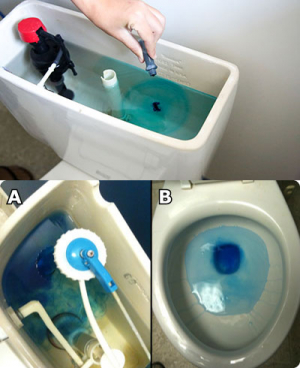
Before scheduling a service call, try these simple diagnostics to narrow down the cause.
Toilet Base Leak Test
- Mix dark food coloring with a cup of water
- Pour the mixture around the base, not inside the bowl
- Wait 10 minutes without flushing
- Check the bowl water for any color seepage
Warning: Colored water in the bowl means gas is also escaping through the same path.
Professional Smoke Test
Plumbers use a smoke machine to pressurize the system with non-toxic vapor. Escaping smoke reveals the exact leak location. Never use open flames near sewer gas since it is flammable.
When to Call a Plumber for Persistent Sewer Odors
Some problems require specialized tools and training. Contact a licensed plumber if any of these apply:
- Odor returns quickly after refilling the trap
- Toilet rocks, leaks, or shifts at the base
- Multiple drains gurgle or drain slowly
- Roof access is unsafe or unavailable
- A camera inspection is needed for accurate diagnosis
Smart Question to Ask: “Do you offer sewer gas diagnostics and camera inspections?”
Choose plumbers experienced in odor tracing, not just fixture replacement.
Long-Term Habits to Prevent Sewer Gas Smells
A few simple routines keep sewer gas from ever becoming a problem again:
- Flush unused toilets once a month
- Inspect the toilet base for leaks every year
- Clean the roof vent annually
- Schedule a sewer line inspection every 5 to 10 years
- Install vent caps to block debris and pests
Bonus Habit: Use enzyme-based drain cleaners monthly to reduce organic buildup without harming pipes.
Frequently Asked Questions About Gas Smell Coming from Toilet
Why does my toilet still smell like sewer gas after replacing the wax ring?
A new wax ring only solves one possible cause. Other sources include a dry P-trap, cracked toilet base, blocked vent stack, or damaged sewer line. If the odor persists, inspect the trap water level and check the roof vent next.
Can a dry P-trap really cause a gas smell coming from toilet?
Yes. The P-trap holds water that blocks sewer gas. In unused toilets, that water evaporates over time and breaks the seal. Flushing a few gallons of water restores the barrier and usually clears the odor within hours.
How do I know if my toilet base is cracked?
Look for visible hairline fractures near the bottom edge. Also check for rocking, water stains on the floor, or mildew around the base. A food coloring test around the base confirms whether water and gas are escaping through hidden gaps.
Is sewer gas dangerous to breathe?
Sewer gas contains methane and hydrogen sulfide. Small amounts cause odor issues, but high concentrations can cause headaches, dizziness, or more serious health effects. Treat any persistent sewer gas smell as a ventilation problem worth fixing quickly.
How do plumbers find the source of a sewer gas leak?
Plumbers use a combination of smoke tests, pressure tests, and waterproof sewer cameras. Smoke testing reveals hidden leaks in walls or vents. Camera inspection identifies cracks, root intrusion, or collapsed sections in the main sewer line.
What is the most common cause of a gas smell coming from toilet?
A dry P-trap is the most frequent and easiest fix. Infrequently used guest bathrooms lose their water seal within weeks. Pouring water into the bowl and flushing usually solves the problem immediately.
Key Takeaways for Eliminating Gas Smell Coming from Toilet
A gas smell coming from your toilet almost always traces back to one of five issues: a dry P-trap, a cracked base, a blocked vent, leaky vent joints, or sewer line damage. Start with the simplest fix by flushing the toilet and refilling the trap. If the odor returns within days, move up to inspecting the base, checking the roof vent, and scheduling a camera inspection if needed.
Your next step is a 10-minute food coloring test around the toilet base. If color seeps into the bowl, the wax seal or flange needs attention. If the base is solid, climb safely to the roof or call a plumber to clear the vent stack. Either path puts you on track to fresh, odor-free air in your bathroom.