If you’ve ever wondered how to use a bidet bottle, you’re not alone. This simple yet powerful hygiene tool is gaining popularity for its ability to clean more thoroughly than toilet paper alone. Whether you’re using it at home, on the go, or in the backcountry, a bidet bottle delivers fresh water for a fresher, healthier clean after using the bathroom.
A bidet bottle, also called a travel bidet or peri bottle, requires no plumbing, fits in your bag, and works anywhere. It’s ideal for people with hemorrhoids, postpartum recovery, limited mobility, or anyone looking to reduce toilet paper use. While it doesn’t match the power of a fixed bidet, it offers a major upgrade over dry wiping.
In this guide, you’ll learn exactly how to use a bidet bottle step by step, including positioning tips for men and women, cleaning routines, travel hacks, and how to avoid common mistakes.
Prepare Your Bidet Bottle
Before use, your bidet bottle must be clean, filled, and assembled correctly. This ensures safe, effective, and leak-free operation.
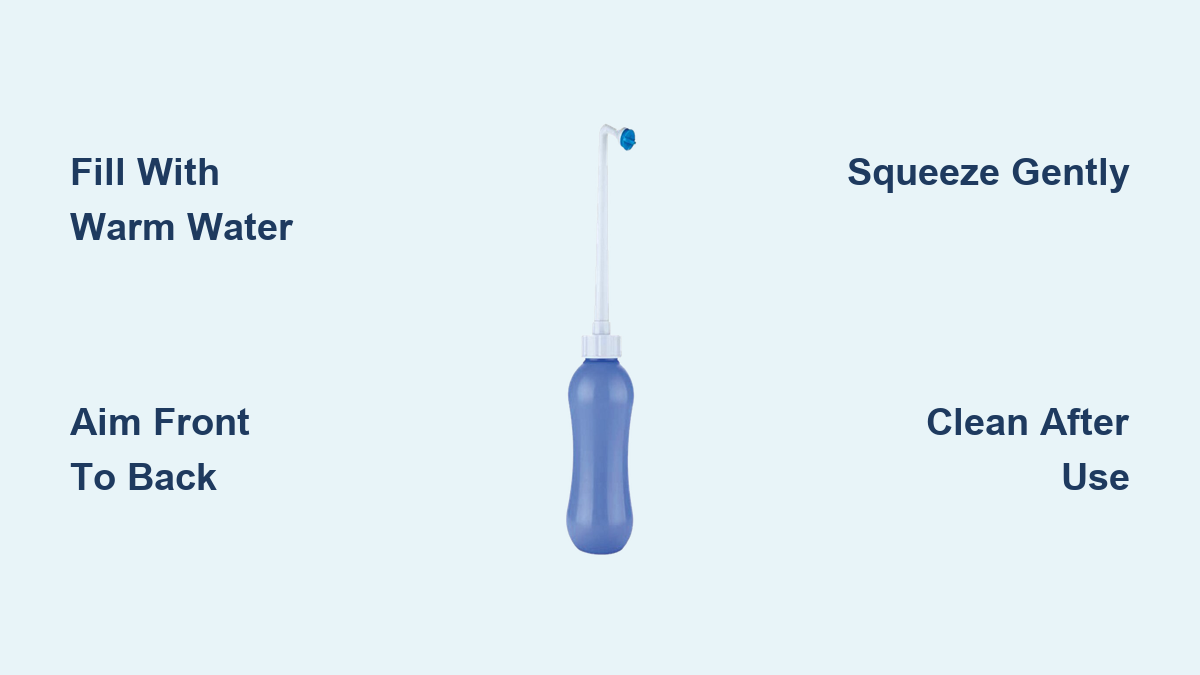
Fill With Clean, Warm Water
Use warm or room-temperature water for comfort and better cleaning. Hot water is safe only if your bottle is labeled heat-resistant. Most quality models handle up to 212°F. Never store water long-term; fill just before use to prevent bacterial growth.
Use these filling tips:
- Fill from a sink, kettle, or clean water source
- For travel, pre-fill at home or use bottled water
- Avoid using the same bottle for beverages; dedicate it solely to hygiene
Assemble the Nozzle
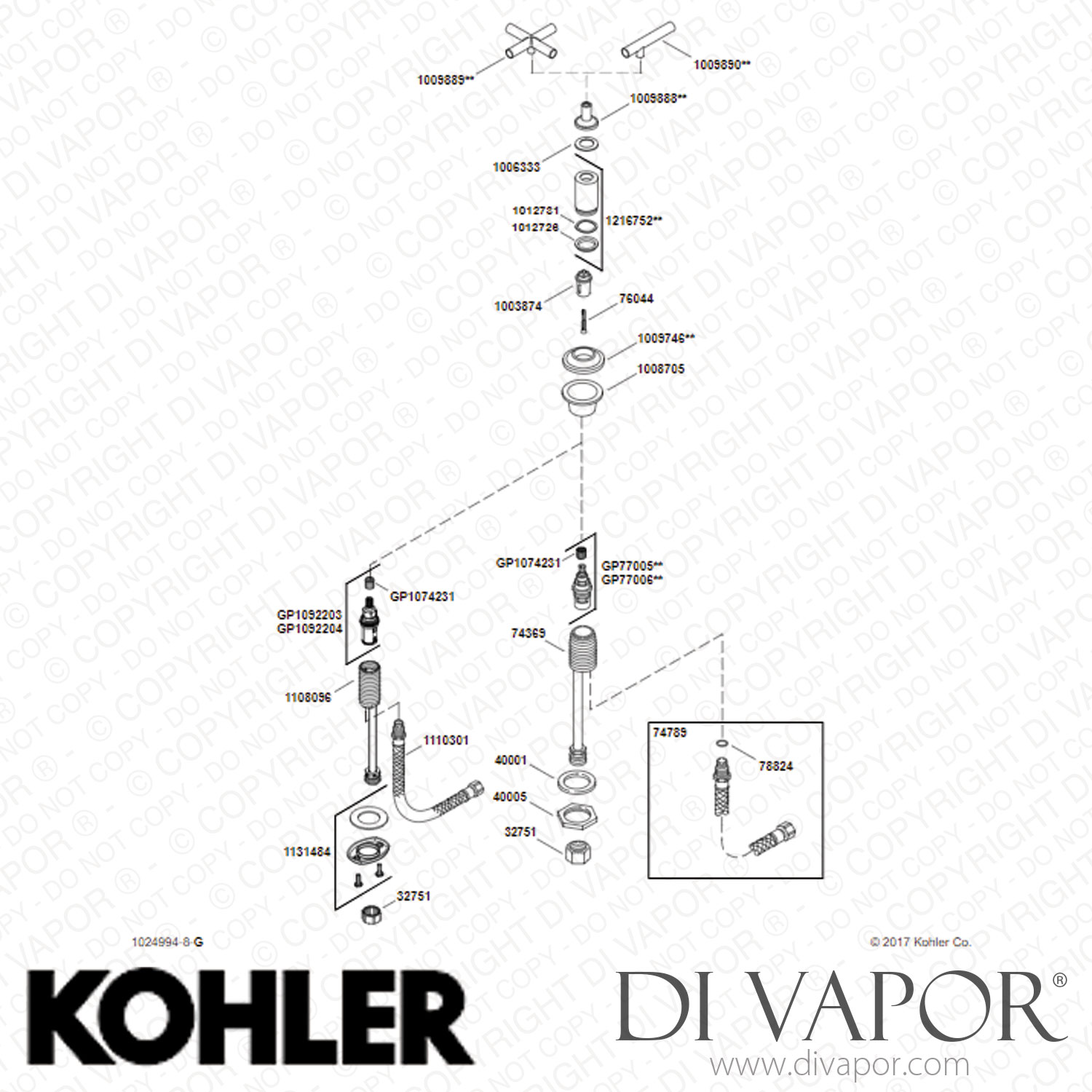
Some bidet bottles come in two parts or attach to standard water bottles. For snap-together models like Kohler, unscrew and separate the nozzle, fill the main chamber, then reattach and twist until it clicks securely.
For add-on nozzles like CuloClean, choose a compatible narrow-neck bottle such as Smartwater, Aquafina, or Dasani. Insert the nozzle with the correct O-ring size and push firmly until it seals. Test by squeezing gently to ensure no leaks.
Pro Tip: Use soda bottles instead of water bottles. They’re thicker and withstand repeated squeezing better.
Cap the Nozzle for Hygiene
Always keep the protective cap on when not in use. This prevents contamination from bags, pockets, or outdoor surfaces. It’s especially important for travel and public restroom use.
Position Yourself for Effective Cleaning
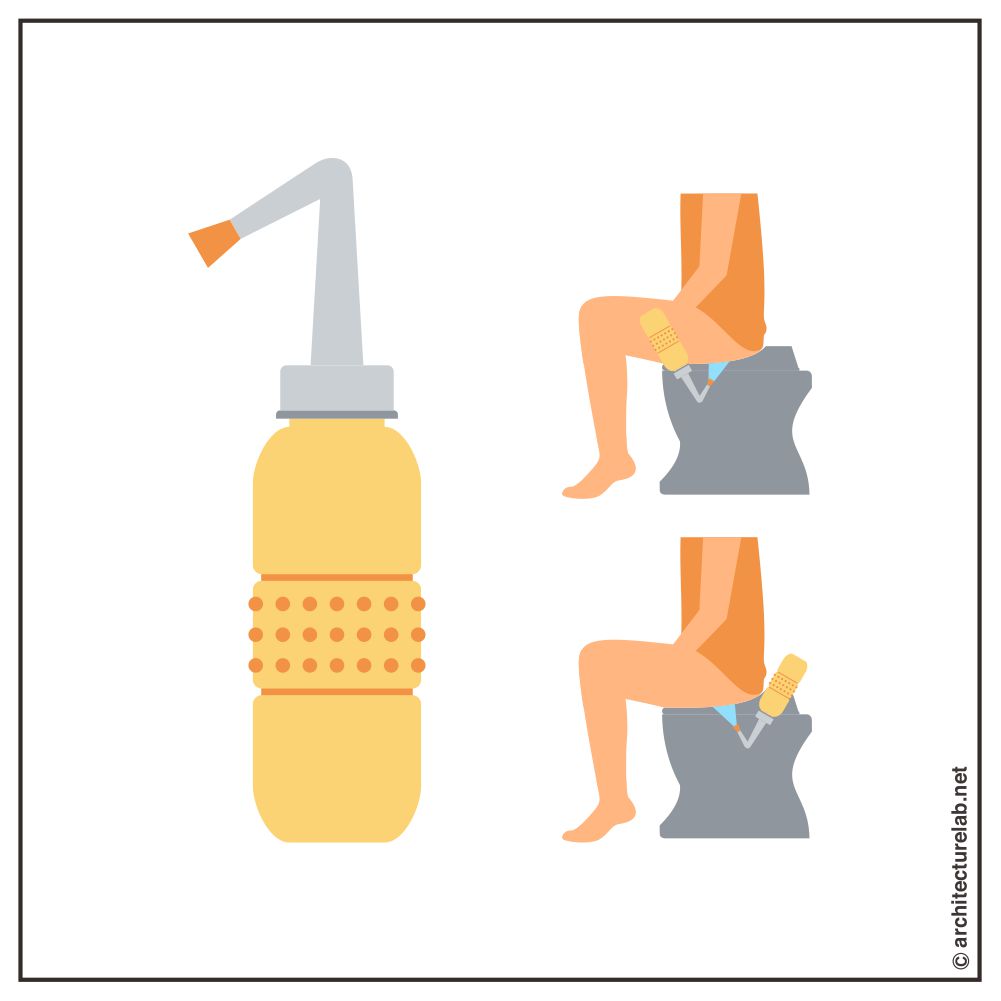
Correct body positioning is key to using a bidet bottle effectively. Poor angles lead to missed spots, splashing, or discomfort.
Women: Front-to-Back Spraying Technique
To prevent urinary tract infections and vaginal irritation, always spray front to back.
Follow these steps:
- Sit fully on the toilet with knees apart
- Lean slightly forward to open the perineal area
- Hold the bottle in your dominant hand behind you
- Aim the 75-degree angled nozzle upward from behind, directing water toward the front
- Use your free hand to gently separate the labia if deeper cleaning is needed
Critical: Never spray water directly into the vaginal canal. This can disrupt pH balance and increase infection risk.
For outdoor use, assume a deep squat and hold the bottle lower to align with your body angle. Practice at home first, as users often struggle with positioning in hiking pants or bulky clothing.
Men: Aim From Behind, Spray Forward
Men can use the bidet bottle while sitting or standing.
Follow these steps:
- Sit or stand over the toilet
- Reach behind with your dominant hand
- Point the nozzle at the anus first, then spray forward to clean the scrotum and base of the penis
- Adjust the angle as needed for full coverage
Standing may be easier for post-urination rinsing or outdoor use. Electric models allow one-handed operation with a trigger, ideal for users with limited flexibility.
Control Water Pressure and Flow
How you squeeze the bottle determines cleaning effectiveness and comfort.
Squeeze Gently for Soft Spray
Start with light pressure for a steady stream, especially for sensitive areas or after surgery. A full bottle gives better pressure than a half-empty one due to air compression.
Keep these pressure tips in mind:
- Increase pressure slightly for bowel movements
- Avoid forceful squeezing, which can cause splashback or force water into the urethra
- Electric models offer soft and strong spray modes; use soft for daily use, strong for heavy cleanups
Warning: Excessive pressure may cause discomfort or increase infection risk, especially in women.
Clean and Rinse Thoroughly
Now that you’re spraying correctly, focus on complete cleaning.
Use Short Bursts or Continuous Flow
Spray until you feel clean, usually 5 to 10 seconds. Allow waste to rinse into the toilet naturally.
Follow these cleaning guidelines:
- Don’t reuse water; always use fresh, clean water per session
- For enhanced cleaning, add a few drops of mild, unscented soap such as baby shampoo or intimate wash
- Rinse thoroughly to avoid soap residue, which can irritate sensitive skin
Do NOT use harsh soaps, fragrances, or antibacterial washes. They can disrupt natural flora and cause irritation.
Dry Properly After Use
Drying is a crucial final step to prevent chafing, odor, or fungal growth.
Pat Dry With Toilet Paper or Cloth
Blot, don’t rub. Use minimal toilet paper; many users cut usage by 80 percent. For eco-friendliness, carry a dedicated microfiber cloth towel in a hygiene pouch. Wash reusable cloths frequently.
Avoid public restroom hand towels. They’re often germ-laden.
Use Your Bidet Bottle Anywhere
One of the biggest advantages of a bidet bottle is portability. Here’s how to use it in different environments.
At Home: Daily Hygiene Upgrade
- Fill with warm tap water
- Use after every bowel movement or urination
- Combine with a small amount of toilet paper for drying
- Ideal for testing bidet use before investing in a permanent system
User Tip: “I use paper first, then water for poop, just water for pee.” Reddit user
In Public Restrooms: Stay Fresh On the Go
- Pre-fill at home or fill at the sink upon arrival
- Bring a small towel or tissues for drying
- Use a stall with space to place your bag or purse on the toilet lid
- Keep the cap on when not in use
Choose a model with a leak-proof seal and protective cap. This prevents embarrassing spills in your bag.
While Camping or Hiking: Leave No Trace
- Fill with clean drinking water before heading out
- Use over a cathole 6 to 8 inches deep or pit toilet
- Spray front to back to avoid contaminating the environment
- Rinse the bottle with clean water afterward and cap it
- Pack out used toilet paper in a sealable bag
Benefit: Eliminates paper waste and supports Leave No Trace principles.
Challenge: “It’s tough in hiking pants.” User feedback
Solution: Remove outer layers if possible for better access.
During Travel: Airplanes, Hotels, RVs
- TSA Rule: Empty bidet bottles can go through security; fill after screening
- Store in a discreet drawstring bag; many models include one
- In hotels, fill at the sink; some travelers keep a dedicated travel bidet in luggage
- RV users may pair it with a permanent bidet as a backup
Clean and Maintain Your Bidet Bottle
A dirty bidet defeats the purpose of better hygiene. Follow these steps to keep it safe and functional.
Rinse After Every Use
- Empty remaining water
- Rinse the nozzle and interior under running water
- Wipe the exterior dry
- Replace the cap
Never store water inside. This promotes mold and bacteria.
Wash Regularly With Soap
Every few uses, wash with mild dish soap and warm water. Use a bottle brush to scrub the inside. Rinse thoroughly and air dry completely before storing.
Disinfect Weekly
Prevent odor and microbial buildup with deep cleaning. Soak the nozzle in a 1:1 vinegar-water solution for 15 minutes. Alternatively, use 3% hydrogen peroxide for disinfection. Rinse well afterward.
Do NOT boil, microwave, or autoclave the bottle. Don’t use bleach unless specified by the manufacturer. These can damage seals and degrade plastic.
Choose the Right Bidet Bottle Type

Not all bidet bottles are the same. Pick one that fits your needs.
Manual Squeeze Bottle
This is the best overall option. It offers 16 to 17 oz capacity with BPA-free, heat-resistant plastic. The 75-degree angled nozzle fits natural wrist position. It’s ideal for home, travel, and postpartum care, priced at $10 to $20. Top picks include Tushy Travel Bidet and Brondell CleanSpa.
Bottle Topper
This option is lightest for backpacking. It fits Smartwater, Aquafina, and Dasani bottles, weighing as low as 0.4 oz. It’s about $10 for three nozzles. Use soda bottles instead of water bottles for better durability.
Electric Spray Bottle
This option works for users with limited grip. Battery-powered pumps offer trigger spray with soft and strong modes. Capacity is 8 to 12 oz, priced around $30. Examples include Bio Bidet Go and Toto Washlet C3.
User Feedback: “I still need toilet paper; the spray isn’t strong enough.” Multiple reviews
Collapsible Bidet
This is the most compact option. It folds flat when empty with 8 to 12 oz capacity. It’s best for travelers with limited space. Example is Bumbum Portable Bidet.
Drawbacks: Harder to squeeze, less ergonomic.
Troubleshoot Common Problems
Even experienced users face issues. Here’s how to fix them fast.
Can’t Aim Properly?
Practice in the shower with no risk of mess. Adjust body position by leaning forward and widening knees. Hold the bottle lower when squatting outdoors.
Water Leaking From Air Hole?
That’s the check valve; it lets air in but shouldn’t leak. Don’t cover it while spraying. Replace the nozzle if it leaks continuously.
Low Spray Pressure?
Squeeze harder on manual models. Ensure the bottle is full; more water means better pressure. For electric models, charge the battery. Check for clogs and rinse the nozzle under hot water.
Bottle Won’t Attach to Container?
Verify bottle compatibility; neck diameter should be 0.8 to 0.95 inches. Try different O-rings. Push firmly until it seals.
Splashing or Odors?
Reduce pressure and adjust spray angle. Dry the area completely after use. Clean and disinfect the bottle weekly.
Health Benefits and Medical Uses
Bidet bottles aren’t just for convenience; they offer real health advantages.
Ideal For
- Hemorrhoids: Water cleaning avoids painful wiping
- Postpartum Recovery: Standard in hospitals for gentle perineal care
- Colorectal Surgery: Reduces irritation and infection risk
- Arthritis or Limited Mobility: Easier than reaching with toilet paper
- Bedridden Patients: Caregivers can assist with minimal movement
- Infant Diaper Changes: Gentler than wipes on sensitive skin
Use With Caution If
- You have a weakened immune system
- You’re prone to UTIs; always spray front to back
- You have chronic vaginal or urinary conditions; consult your doctor first
Medical Advice: Avoid internal vaginal washing. Warm water alone may disrupt pH and cause bacterial vaginosis.
Eco-Friendly and Cost-Saving Benefits
Switching to a bidet bottle is good for your wallet and the planet.
Reduce Toilet Paper Use
Most users cut TP use by 50 to 90 percent. This saves $50 to $150 per year per person. You’ll also experience less clogging and fewer septic tank issues.
Support Sustainability
Less paper means fewer trees cut and less water used in manufacturing. No wipes end up in landfills. Most flushable wipes aren’t biodegradable. It’s perfect for Leave No Trace outdoor ethics.
One-Time Investment
Most bidet bottles last 2 to 5 years with care. Even the cheapest models pay for themselves in months.
Final Tips for Success
Mastering the bidet bottle takes practice, but the payoff is worth it.
Start Simple
Begin with an affordable squeeze bottle. Try it at home before taking it on the go. Use warm water and a microfiber towel for best results.
Practice Makes Perfect
Try spraying in the shower first. Adjust your position until you find what works. Don’t expect plumbed-bidet pressure; portables are weaker.
Upgrade Later
If you love water cleaning, consider a permanent bidet seat or handheld sprayer. These offer superior pressure and convenience.
Keep It Clean
Rinse after every use. Wash weekly. Replace if cracked, discolored, or hard to clean.
Frequently Asked Questions About Bidet Bottles
Can I use any water bottle as a bidet?
Yes, but squeezable narrow-mouth bottles work best. Smartwater, Aquafina, and Dasani are commonly used. Avoid wide-mouth or rigid containers.
Is using a water bottle as a bidet hygienic?
Yes, if the bottle is clean and dedicated to this purpose. Never use a bottle that has held beverages.
Should I use toilet paper with a bidet bottle?
You can, but much less is needed. Many users eliminate toilet paper entirely. If used, blot rather than rub.
Can I use soap in the bidet bottle?
Yes, in small amounts. Use fragrance-free, hypoallergenic soap and rinse thoroughly to avoid irritation.
How often should I replace my bidet bottle?
With proper care, a bidet bottle can last 2 to 5 years. Replace if cracked, discolored, or difficult to clean.
Are electric bidet bottles better?
They are ideal for people with arthritis or limited hand strength, as they require no squeezing. However, they are heavier and require charging.
Key Takeaways for Using a Bidet Bottle
A bidet bottle may not replace your home bidet, but it’s a hygienic, eco-friendly, and practical solution for life on the move. With the right technique and care, it can transform your bathroom routine anywhere, anytime. Start with an affordable squeeze bottle, practice your positioning, and keep the device clean for best results. Whether you’re at home, traveling, or camping, the benefits of better hygiene, reduced toilet paper use, and improved comfort make it worth the small investment of learning.