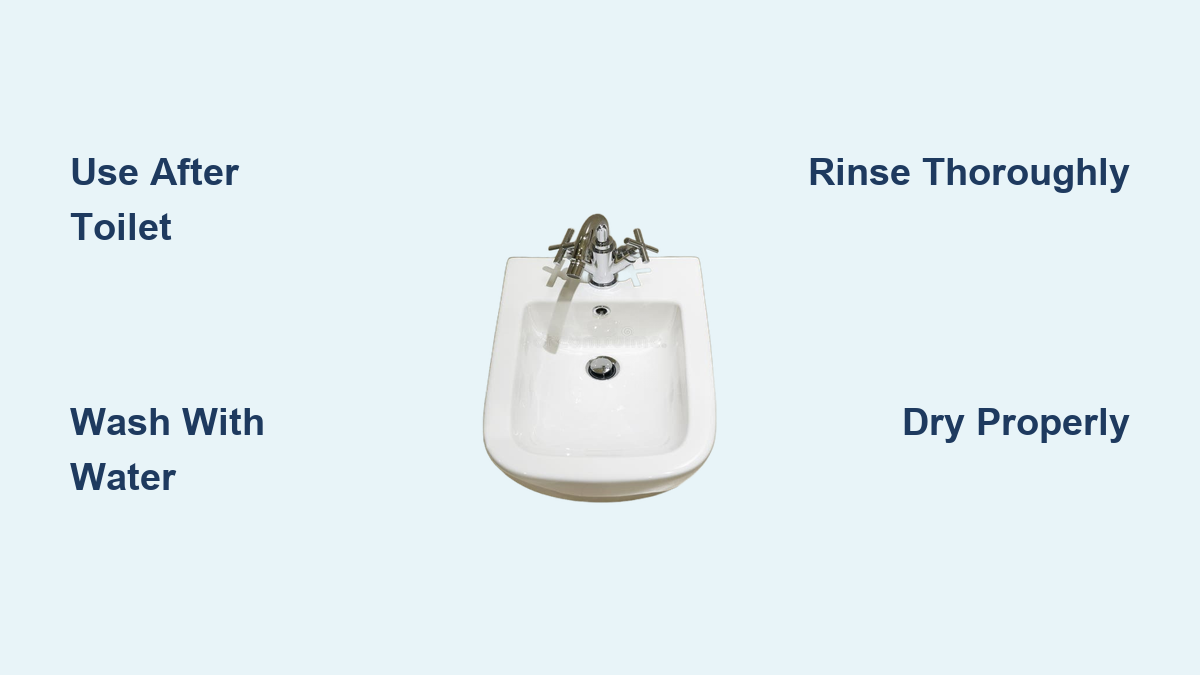
If you’ve ever stepped into an Italian bathroom, you’ve likely encountered a small porcelain basin next to the toilet, mysterious and slightly confusing if you’ve never used one. That’s the bidet, and in Italy, it’s not optional. How does a bidet work in Italy? It’s a fixture designed for personal hygiene, used daily by millions to clean themselves with water after using the toilet. Unlike in many countries where toilet paper is the sole method of cleansing, Italians consider water washing essential for true cleanliness.
The bidet is so deeply woven into Italian life that since 1975, it has been legally required in every new home and hotel bathroom. This isn’t about luxury. It’s about hygiene. Most Italians believe wiping with paper alone is inadequate, comparing it to washing your hands with a tissue instead of soap and water. Whether in a Roman apartment or a Tuscan villa, the bidet is standard, expected, and used with confidence.
Why Every Italian Bathroom Has a Bidet
In Italy, the bidet isn’t optional. It’s mandatory. Since 1975, Italian building codes have required all new residential and hospitality bathrooms to include a bidet. This legal standard reflects a national commitment to hygiene, placing the bidet on equal footing with the toilet and sink. Even in tiny city apartments where space is at a premium, architects often sacrifice storage to preserve room for the bidet.
The cultural reasoning is straightforward. Water cleans better than paper. Most Italians view dry wiping as incomplete, even unhygienic. They believe that just as you wouldn’t clean your hands with a dry wipe, you shouldn’t clean your intimate areas the same way. This mindset makes the bidet a non-negotiable part of daily life, much like brushing your teeth or washing your face.
Bidet vs. Toilet: Understanding the Difference
While both fixtures stand side by side, the toilet and bidet serve entirely different purposes.
The toilet is used exclusively for urination and defecation. The bidet is used only for washing the genital and anal areas, never for waste elimination. A common misconception among first-time users is thinking the bidet is a second toilet or a foot-washing station. It is neither. It’s a dedicated hygiene tool, similar in function to a sink but designed for intimate cleansing.
Another key difference. Bidets don’t flush. They have a faucet and drain, like a sink, but no tank or flush mechanism. Water flows from the tap, cleans the area, and drains away.
Standard Italian Bidet Design
The classic Italian bidet is a standalone porcelain unit, typically white or off-white, matching the toilet and sink. It’s shaped like a small oval or round basin, 15 to 20 inches high, allowing users to sit or straddle it comfortably. The design hasn’t changed much since the 20th century, prioritizing durability and simplicity.
Most traditional models feature a front-facing spout that directs water upward, separate hot and cold taps usually on the sides, a center drain with a pop-up stopper rarely used today, and no electronic components. All operation is manual.
Users control water temperature by adjusting the left for hot and right for cold knobs. There’s no pre-mixing valve in older units, so balancing the temperature takes a little practice. Newer models may have a single lever for easier control.
Bidets are always installed within arm’s reach of the toilet, typically to the left or right side. This allows a seamless transition. Use the toilet, stand up, step or pivot to the bidet, and begin washing.
Step-by-Step: Using an Italian Bidet

Before using the bidet, always use toilet paper to remove solid waste. This prevents contamination of the bidet basin and ensures a cleaner wash. Italians use less toilet paper than people in paper-only cultures because it’s only a preliminary step, not the final clean.
After wiping, stand up, lower your pants and underwear to your ankles, and move to the bidet. You don’t need to fully undress. Just enough to sit comfortably.
Your position depends on what you’re cleaning.
Facing the faucet is best for women cleaning the front area, especially after urination or during menstruation. This allows front-to-back washing, which helps prevent urinary tract infections.
Back to the faucet is ideal for anal cleansing after bowel movements. Sit as you would on a toilet, leaving a few inches between your body and the spout so water can reach the area.
Straddle the bidet gently, keeping your feet flat on the floor for balance.
Turn the taps slowly. Left counterclockwise gives you hot water. Right clockwise gives you cold water. Start with lukewarm water and low pressure to avoid discomfort or splashing. If your hands aren’t clean, use a tissue or paper towel to touch the handles.
For electronic bidet seats, use the remote or side panel to set water temperature from cool to warm, spray pressure from gentle to strong, and nozzle position forward for front wash or backward for rear.
Many Italians use pH-balanced intimate soap during bidet use. Called sapone intimo, this mild cleanser is designed for sensitive areas. Women use pH 3.5, matching vaginal acidity. Men use pH 5.5. Apply a small amount to your hand and gently wash the area under running water.
After washing, rinse thoroughly for 10 to 30 seconds with clean water to remove all soap and residue. Then dry using a dedicated bidet towel small and personal, often white, toilet paper common in public restrooms, disposable paper towels hygienic option in hotels, or warm air dryer on electronic models.
Never use the hand towel from the sink. This is considered unhygienic and culturally inappropriate.
Rinse the basin with clean water, especially in shared bathrooms. For electronic models, the nozzle often self-cleans automatically. Finally, wash your hands thoroughly with soap and water, just as you would after using the toilet.
Types of Bidets in Italy

The classic basin-style bidet is still the most common in Italian homes, especially in older buildings and rural areas. It’s a separate porcelain fixture with manual taps and no electronics.
Pros include durability and long-lasting performance, simplicity to repair, and cultural authenticity. Cons include taking up space, no heated water or drying function, and requiring physical transfer from the toilet.
Growing in popularity, especially in Milan, Rome, and modern apartments, are electronic bidet toilets. These replace the standard toilet seat with a high-tech unit offering adjustable warm water spray, heated seat, warm air dryer, self-cleaning nozzle, and remote control or side panel.
Brands like TOTO, Cleaneo, and Geberit are common. Installation requires a 230V electrical outlet within 60 cm, which is standard in new Italian bathrooms. These models are space-saving and luxurious, appealing to younger generations and eco-conscious users.
Handheld sprayers are sometimes installed in budget renovations or space-limited bathrooms. Attached to the toilet’s water line, they work like a small showerhead you aim manually. While functional, they lack the cultural acceptance of traditional or electronic bidets.
Why Italians Prefer Water Over Toilet Paper
Italians overwhelmingly believe that water is the only truly hygienic way to clean after using the bathroom. The logic is simple. Toilet paper removes visible waste but leaves residue. Water rinses it all away.
As one common saying goes. If you had peanut butter on your hand, would you just wipe it with paper? No. You’d use water. So why do it differently for your body?
This analogy resonates deeply. Many Italians find the idea of relying solely on paper uncomfortable or even unclean. Bidets offer a gentler, more complete clean, especially beneficial for people with hemorrhoids or anal fissures, women during menstruation, and those with sensitive skin or allergies.
Women are more likely to use the bidet daily, especially for front cleaning, UTI prevention, and menstrual hygiene. Many use sapone intimo regularly. Men typically use it after bowel movements for anal cleansing. Older adults prefer traditional bidets and manual washing. Younger Italians are more open to electronic models and hybrid systems.
Health and Environmental Benefits of Bidets
Using a bidet reduces irritation from abrasive toilet paper, risk of UTIs due to front-to-back washing, and spread of bacteria in sensitive areas. Dermatologists and gynecologists in Italy often recommend bidets for patients with skin conditions or recurring infections.
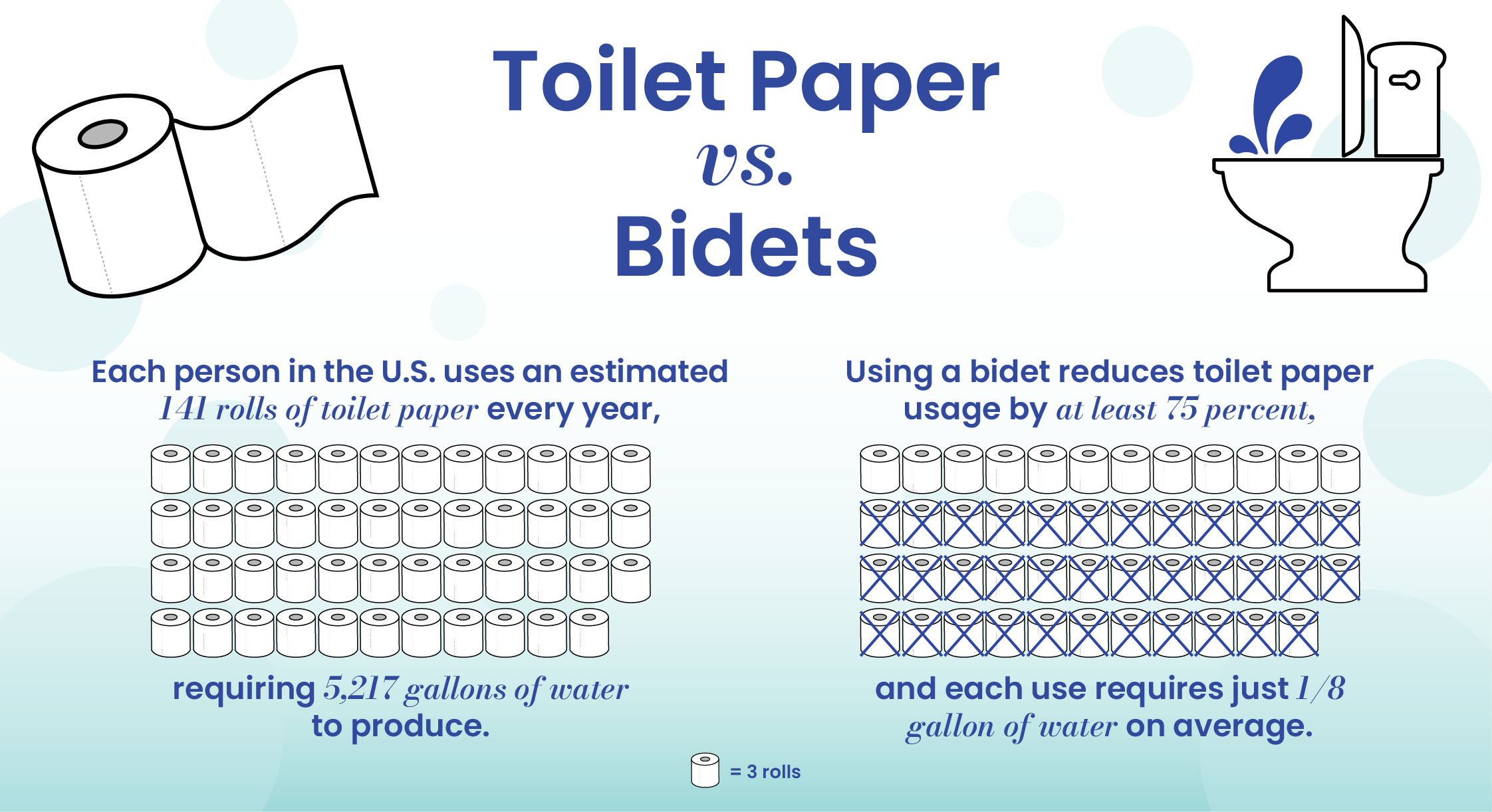
Bidets are also environmentally superior to toilet paper. Bidet users consume up to 75% less toilet paper. Manufacturing toilet paper requires trees, water, and energy, so bidets have a lower carbon footprint. They also reduce clogging and landfill burden.
Modern bidets use only 0.5 to 1 liter of water per use, and many models have water-saving features.
Tips for First-Time Users
Common mistakes to avoid include using the bidet as a toilet. It’s for washing only. Fully undressing is not necessary. Just lower your pants. Using the hand towel to dry is wrong. Always use a bidet-specific towel or paper. Ignoring soap availability is another mistake. If sapone intimo is provided, it’s meant for use. Skipping the dry step can cause irritation, so dry thoroughly.
Tourists should know not to skip it. It’s there for a reason. Start with low pressure and warm water. Look for a small towel. It’s likely for drying. Ask politely if unsure. Italians are usually happy to explain. Respect personal towels and never borrow someone else’s.
Many tourists who try the bidet end up preferring it. Once you experience the freshness of a water wash, going back to paper-only can feel outdated.
Bidets in Italian Accommodations
Whether you’re staying in a five-star hotel in Florence or a budget Airbnb in Naples, expect a bidet. Even in the smallest en-suites, space is made for one due to legal and cultural norms.
Hotels typically provide sapone intimo in the shower or on the sink, a disposable paper towel or personal cloth towel near the bidet, and clear signage sometimes with usage diagrams.
Bidets are rare in Italian public restrooms, though you may find them in older train stations like Roma Termini, some restaurants and bars, and historic buildings. When present, they are often avoided due to hygiene concerns. Most Italians prefer to use bidets at home.
Frequently Asked Questions About Italian Bidets
Do all Italian homes have a bidet?
Yes. Since 1975, Italian law has required every new home and hotel bathroom to include a bidet. Even in older buildings, most have been retrofitted with one. It’s considered as essential as the toilet itself.
Is the bidet used for anything other than personal hygiene?
While designed for intimate cleansing, Italians sometimes use bidets for foot washing after walking, handwashing small items like underwear or socks, quick body refreshes when a shower isn’t practical, and shaving legs. Any non-hygiene use should be followed by thorough cleaning.
Do I need to use soap with a bidet?
Many Italians use specialized intimate soap called sapone intimo during bidet use, especially for anal cleaning, menstruation, or pre and post-sexual hygiene. It’s not required, but it’s common and recommended for thorough cleansing. If soap isn’t available, water alone still provides better cleaning than toilet paper.
How do I dry myself after using a bidet?
Use a small dedicated towel kept near the bidet, toilet paper, disposable paper towels provided in hotels, or the warm air dryer on electronic bidet seats. Never use the hand towel from the sink. This is considered unhygienic in Italian culture.
Are electronic bidets common in Italy?
They’re growing in popularity, especially in modern apartments and luxury hotels in cities like Milan, Rome, and Florence. However, the traditional standalone bidet remains the most common type in Italian homes. Electronic models require a 230V electrical outlet, which is standard in new Italian construction.
What if I’m a tourist and don’t know how to use it?
Don’t worry. Italians are generally understanding and happy to explain. Start with low water pressure and lukewarm temperature. Use toilet paper first, then transfer to the bidet. Wash with water, rinse thoroughly, and dry with whatever is provided. Most hotels provide small towels or toilet paper near the bidet.
Final Thoughts on Using a Bidet in Italy
The bidet is more than a bathroom fixture in Italy. It’s a cultural institution rooted in hygiene, dignity, and practicality. From its mandatory installation to daily use across generations, the bidet reflects a national belief that cleanliness starts with water.
Understanding how a bidet works in Italy isn’t just about mechanics. It’s about respecting a way of life. Whether you’re a visitor or a new resident, giving the bidet a try might just change your bathroom routine forever.
The key takeaways are simple. Italians use the bidet after toilet paper as a second step for thorough cleansing. Water washing is considered more hygienic than paper alone. The routine involves wiping first, washing with water and optionally soap, rinsing, and drying with a dedicated towel. Once you experience the freshness of a water wash, many visitors find they prefer it over paper-only cleaning.