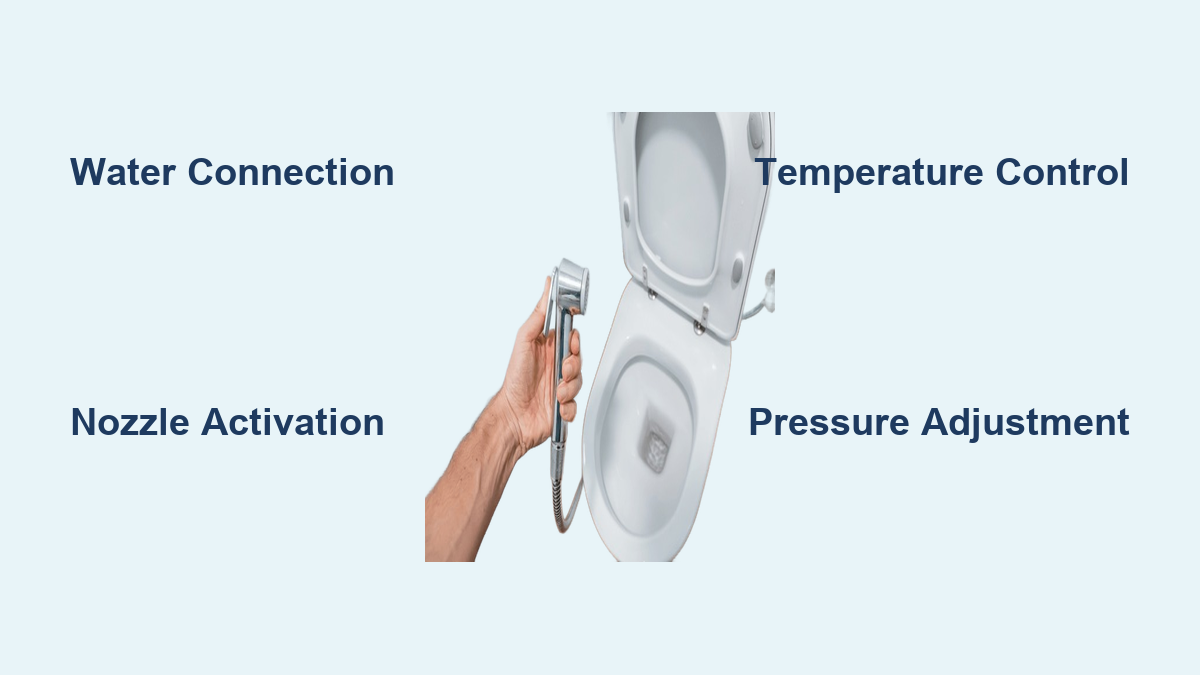
If you have ever wondered why millions of people worldwide skip toilet paper after using the bathroom, the answer might be sitting right behind your toilet. A bidet spray delivers a targeted stream of clean water to wash away residue, offering a fresher, gentler, and more sustainable alternative to dry wiping. Whether it is a handheld sprayer, an electric seat, or a standalone fixture, understanding how a bidet spray works helps you choose the right system for your bathroom.
Modern bidet systems connect directly to your home is fresh water supply, not the toilet bowl, ensuring every spray is hygienic and safe. They operate using either household water pressure or advanced electronic controls, depending on the model. From budget-friendly attachments to smart toilets with heated seats and air dryers, bidets are designed for ease, comfort, and precision. In this guide, you will learn exactly how each type delivers its cleansing stream, what components make it work, and why millions are making the switch.
Understanding the Water Source and Supply Connection
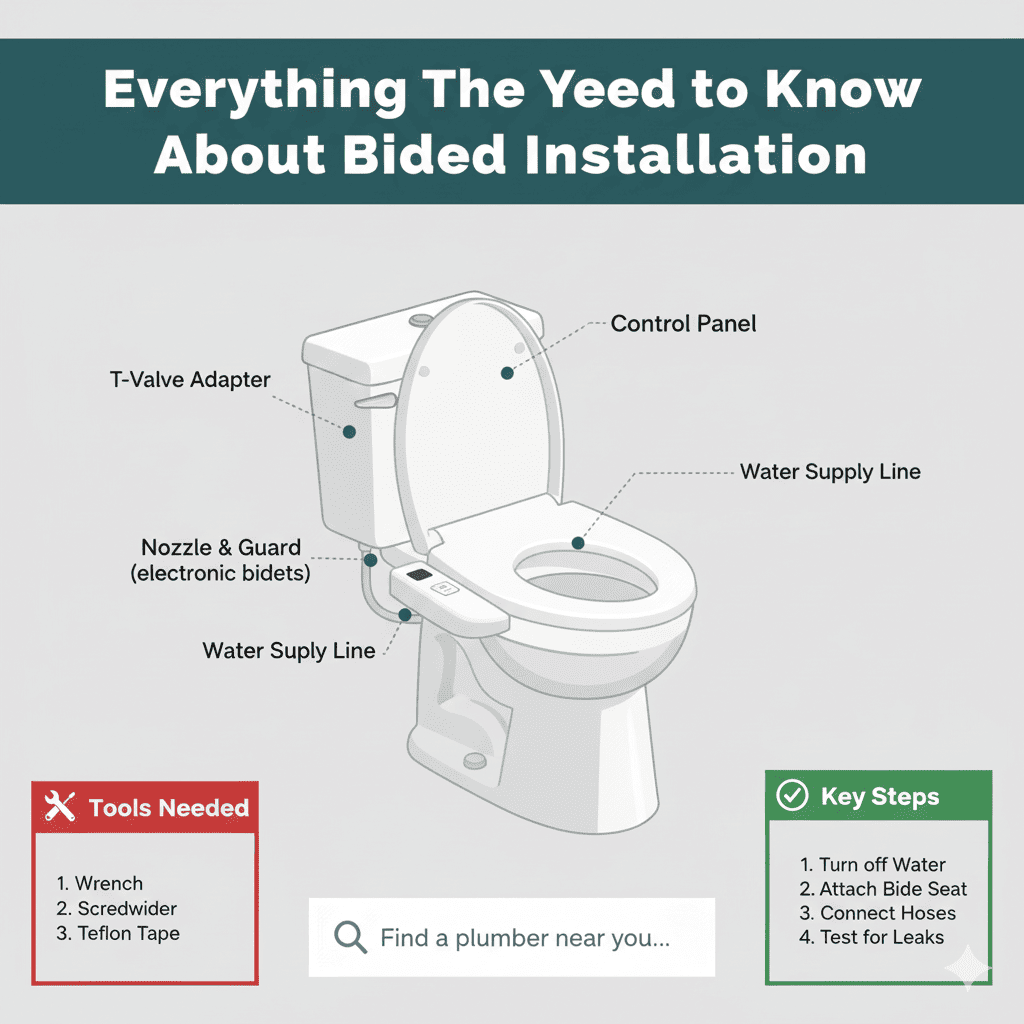
All bidet sprays rely on a direct link to your bathroom is potable water line, ensuring clean, fresh flow with every use. This direct connection is what differentiates bidets from simply using water from the toilet tank.
The T-Valve Installation Process
A small T-valve installs onto the toilet is existing water supply hose, splitting the flow between the tank and the bidet. This allows both systems to function simultaneously without affecting flushing performance. Inside the valve, check valves prevent backflow, keeping contaminated water from entering your home is plumbing. The installation typically takes under 30 minutes and requires no special tools or plumbing expertise, making it ideal for renters or first-time users.
Cold Water vs. Heated Water Options
Bidet sprays offer different temperature options based on the model and installation.
Cold-water models use unheated water straight from the supply line, which is common in non-electric attachments and handheld sprayers. Heated water systems, found in electric bidet seats, use instant ceramic heaters or small tanks with warming elements to deliver warm water on demand. Dual-line models some non-electric units tap into both hot and cold lines from a sink to mix warm water without electricity. In areas with hard water, an inline sediment filter is recommended to protect internal parts from mineral buildup and extend device life.
How Non-Electric Bidet Attachments Generate Spray
Non-electric bidet attachments are affordable add-ons that clamp onto your existing toilet seat and connect via a T-valve. These devices rely purely on household water pressure to function, making them reliable and simple to maintain.
Manual Knob Control Mechanism
Turning a side-mounted knob opens a valve, allowing water pressure to push out a cleaning nozzle. The harder you turn, the greater the flow and spray intensity. When released, the nozzle retracts automatically. This manual operation gives you complete control over pressure without any electronic components that could fail.
Temperature Flexibility in Basic Models
Basic models deliver cold water only. Advanced versions include a second T-valve to connect to a hot water source, letting users enjoy warm sprays without electrical installation. Each use consumes just 0.125 to 0.25 gallons, making these highly efficient compared to other cleaning methods.
Electric Bidet Seat Spray Mechanism Explained
Electric bidet seats replace your existing toilet lid and offer full customization of spray, temperature, and drying. These high-tech devices require both a water connection and a GFCI-protected electrical outlet within four feet of the toilet.
Activation and Nozzle Operation
Press Rear Wash or Front Wash on a remote control or side button. An infrared signal triggers the microprocessor to begin the cycle. Stainless steel or antimicrobial nozzles slide forward from under the seat when activated. Before and after use, they undergo a self-rinse cycle with clean water to prevent bacterial buildup.
Instant Water Heating Technology
When water starts flowing, a flow sensor detects movement and activates a ceramic heating element, warming water in real time. Users can adjust temperature across multiple levels through the control panel. This instant heating eliminates the need for a storage tank, providing warm water immediately upon demand.
Adjustable Pressure and Spray Patterns
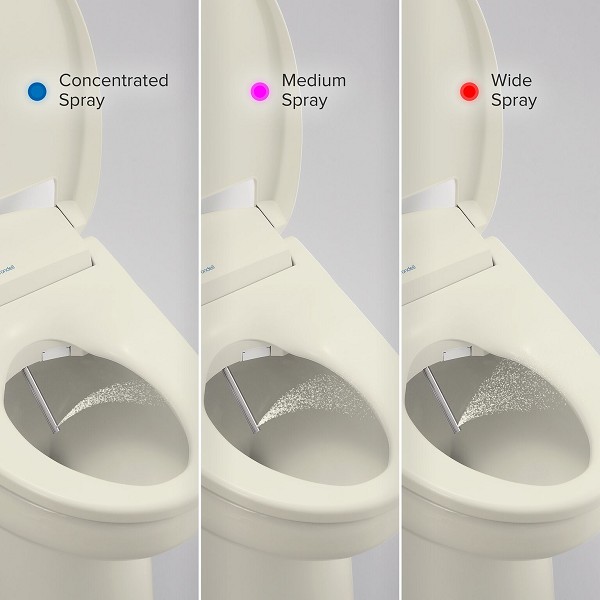
Electric bidet seats offer multiple spray patterns to suit different preferences.
Standard stream provides a continuous, steady flow. Pulsating mode delivers intermittent bursts for a massaging effect. Oscillating mode moves the nozzle side-to-side for broader coverage. An air pump mixes air into the stream to soften pressure without increasing water usage. The spray aim can also shift front-to-back or up-and-down, adapting to user anatomy for optimal comfort and coverage.
Handheld Bidet Sprayer Operation Guide
Also known as health faucets or bidet showers, these function like mini showerheads mounted beside the toilet. They are popular in Middle Eastern, Southeast Asian, and Mediterranean cultures.
Trigger-Controlled Spray Control
Users remove the handheld unit from its wall bracket and press a trigger to release water. You control the angle, distance, and pressure manually, offering maximum flexibility. Some models let you switch between mist and jet settings for gentle or deep cleaning. Beyond personal hygiene, these sprayers can clean the toilet bowl, diapers, or even pets.
Installation Requirements
Handheld sprayers require no electricity and connect via a standard T-valve to the toilet is water supply. They are the most affordable option, typically costing between $20 and $60, and can be installed in minutes without professional help.
Standalone Bidet Fixtures and Their Function
Separate porcelain basins installed next to the toilet, common in Europe and Latin America, represent the traditional bidet design. These fixtures require dedicated plumbing and floor space, making them ideal for bathroom renovations rather than retrofits.
Manual Faucet Operation
Users straddle the fixture backward for anal washing or forwards for genital cleaning and adjust water temperature and pressure with knobs, much like a sink. Common in countries like Italy, Spain, Argentina, and Thailand, these standalone units reflect long-standing cultural norms around personal hygiene.
Portable Travel Bidets and How They Work
Compact, squeeze-style bottles offer on-the-go hygiene for travelers, campers, or anyone without access to a fixed bidet system. These devices are simple yet effective for maintaining bidet-style cleaning anywhere.
Simple Squeeze Mechanism
Fill the bottle with clean water, aim the nozzle, and gently squeeze to release a stream. No plumbing or power is needed. These must be cleaned thoroughly after each use to avoid bacterial growth. They are perfect for camping, public restrooms, or travel situations where fixed bidets are unavailable.
Key Components That Make a Bidet Spray Work

Understanding the internal mechanics helps you troubleshoot issues and choose the right model. Several key components work together to deliver the cleansing spray.
Essential Parts Overview
The T-valve manages dual flow by splitting water between the toilet tank and bidet while preventing backflow with built-in check valves. The retractable spray nozzle extends during use and fully retracts when idle, made from stainless steel or antimicrobial plastic. The flow sensor triggers heating by detecting water movement and signaling the heater to activate only when needed. The ceramic heater warms water instantly in premium electric seats, heating water rapidly as it passes through. The air pump enhances spray comfort by injecting air into the water stream to create softer, aerated sprays without using more water.
Electronic Components in Advanced Models
The multiway valve directs water flow to rear or front nozzles and regulates mix with air for different spray types. The microprocessor controls functions by interpreting input from remotes or buttons and coordinating nozzle movement, heating, pressure, and timing. The infrared receiver enables wireless control but requires line-of-sight. The inline filter protects internal parts by removing sediment and minerals, especially important in hard water areas.
Using Your Bidet Spray: Step-by-Step Guide
Proper usage ensures maximum hygiene benefits. The process varies slightly depending on your bidet type, but the core steps remain consistent.
Electric Bidet Seat Usage
Stay seated after toilet use and press Rear Wash on the remote. Adjust temperature, pressure, and nozzle position to your preference. Let the spray run for 30 to 60 seconds. Press Stop, and the nozzle retracts and self-cleans. Use the air dryer or pat dry with toilet paper.
Bidet Attachment Usage
Sit on the toilet post-use and turn the knob to activate the spray. Cleanse with cold water, then release the knob to stop flow. Pat dry with toilet paper. The entire process takes less than a minute.
Handheld Sprayer Usage
Remove the sprayer from its holder and press the trigger to start flow. Aim at the desired area and adjust pressure by how firmly you press. Release the trigger when finished. Return the sprayer to the holder and ensure the shut-off valve is closed. Pat dry with paper or a towel.
Why Bidet Sprays Outperform Toilet Paper
Water removes residue more effectively than dry paper, which can smear or leave traces. A gentle water spray mechanically rinses away fecal matter and bacteria, reducing the risk of irritation, infections, and odor. Unlike dry paper, water reaches areas that wiping cannot access.
Reduced Skin Trauma
Repetitive wiping causes micro-tears, especially in sensitive areas. A gentle water spray eliminates friction, making bidets ideal for those with hemorrhoids, fissures, or postpartum recovery. This gentle cleaning approach promotes healing rather than aggravating existing conditions.
Lower Infection Risk with Proper Technique
Spraying from front to back, especially for individuals with vaginas, prevents bacteria like E. coli from entering the urethra. Improper back-to-front use may disrupt the vaginal microbiome, increasing infection risk. Following proper technique maximizes the health benefits of bidet use.
Health Benefits and Hygiene Advantages
Bidets offer significant health advantages beyond basic cleanliness. They are recommended for sensitive conditions including hemorrhoids, anal fissures, post-surgery care, colostomy patients, and those with mobility issues. The gentle water spray acts like a mechanical sitz bath, promoting blood flow, reducing inflammation, and soothing discomfort. For seniors and those with arthritis or spinal injuries, bidets enable independence in personal hygiene.
Environmental and Cost Savings
The average American uses 141 rolls of toilet paper per year. A bidet user reduces consumption by 75 to 100 percent, saving $240 or more annually. A $50 bidet attachment pays for itself in three to six months through paper savings alone. If all U.S. households switched to bidets, 15 million trees could be saved yearly, and less sewage clogging would occur from reduced paper disposal.
Maintaining Your Bidet Spray for Long-Term Use
Regular maintenance ensures your bidet remains hygienic and functions properly for years. Weekly cleaning involves wiping down the seat, controls, and exposed surfaces with mild bathroom cleaner, avoiding bleach or abrasives that can damage plastics or electronics.
Monthly Maintenance Tasks
Clean the inlet filter by removing and rinsing the T-valve filter to remove sediment. Descale nozzles by soaking or flushing with white vinegar to dissolve mineral deposits, especially in hard water areas. Inspect hose connections for tightness and check for leaks.
Troubleshooting Common Issues
Low pressure typically indicates a clogged inlet filter that needs cleaning. Strange smells require cleaning the nozzle and under-seat area with vinegar or neutral detergent. Leaking usually means the T-valve connections are loose or gaskets are worn and need replacement. Nozzle sticking in electric models may indicate blockages or motor failure requiring professional service.
Choosing the Right Bidet Spray for Your Bathroom
Different users have different needs, and selecting the appropriate bidet type ensures satisfaction.
| User Profile | Best Bidet Type | Why It Fits |
|---|---|---|
| Renter or budget user | Handheld sprayer or non-electric attachment | Low cost, easy install, removable |
| Wants luxury and comfort | Electric bidet seat | Heated water, air dryer, remote control |
| Frequent traveler | Portable squeeze bidet | Compact, no setup, works anywhere |
| Doing full renovation | Standalone bidet or all-in-one toilet | Elegant, durable, full functionality |
| Senior or disabled | Electric seat with remote | Hands-free, promotes independence |
| Shared household | Model with UV sanitization and self-clean | Reduces infection risk |
Important Considerations Before Buying
Check toilet compatibility by ensuring the bidet seat fits your toilet shape, either round or elongated. Measure before purchasing. Confirm electrical access, as electric models need a GFCI-protected outlet within four feet of the toilet. Consider water quality and use a sediment filter in hard water areas. Educate household members, as guests may be unfamiliar with bidet operation.
Frequently Asked Questions About Bidet Spray Operation
How does a bidet spray actually clean compared to toilet paper?
A bidet spray uses water to mechanically rinse away fecal matter and bacteria, reaching areas that toilet paper cannot. This provides more thorough cleaning while reducing skin irritation and the risk of infections. Studies suggest bidet use reduces urinary tract infections, hemorrhoids, and skin irritation compared to dry wiping alone.
Do bidet sprays use a lot of water?
No, bidet sprays are very efficient. Each use consumes approximately 0.125 to 0.25 gallons, which is significantly less water than used to produce a single roll of toilet paper. Producing one roll of toilet paper requires about 37 gallons of water, making bidets far more sustainable.
Are electric bidet seats difficult to install?
Electric bidet seats require both a water connection and access to a GFCI-protected electrical outlet within four feet of the toilet. The water connection uses the same T-valve process as non-electric models. If an outlet is not available, an electrician can install one. Installation typically takes 30 to 60 minutes.
Can a bidet spray cause infections?
When used correctly, bidets reduce infection risk. However, improper technique, particularly back-to-front spraying for individuals with vaginas, can transfer bacteria to the urethra and increase urinary tract infection risk. Following proper front-to-back technique maximizes health benefits.
What happens if the water pressure is too low?
Low water pressure is usually caused by a clogged inlet filter. Cleaning or replacing the filter typically resolves this issue. In hard water areas, regular descaling of nozzles with white vinegar prevents mineral buildup that can affect spray pressure.
Do bidet sprays work with all toilet types?
Most bidet attachments and seats fit standard round and elongated toilets, but compatibility varies by model. Measure your toilet before purchasing. Some specialty toilets or bidet combinations may require specific integrated models.
Final Takeaways on How a Bidet Spray Works
A bidet spray works by delivering a precise, user-controlled stream of clean water directly to the genital and anal areas, replacing or reducing the need for toilet paper. Whether through a simple mechanical attachment or a high-tech electric seat, the mechanism relies on a direct connection to your fresh water supply and smart engineering to ensure hygiene, comfort, and efficiency.
Electric models offer the most customization, featuring heated water, adjustable pressure, oscillating sprays, and warm-air drying. Non-electric options provide affordability and easy installation for renters and budget-conscious users. Handheld sprayers give unmatched control, and portable units make hygiene possible anywhere.
With proven benefits in health, sustainability, cost savings, and personal comfort, bidet spray technology is no longer a luxury. It is a smart upgrade for modern bathrooms. As awareness grows, especially in North America, bidets are shifting from novelty to necessity, redefining what it means to stay clean after using the toilet.