
You sit down, press the wash button, and nothing happens. A bidet nozzle not working is frustrating, especially when your smart toilet seat otherwise functions perfectly. Whether the nozzle fails to extend, sprays weakly, or refuses to retract, the problem usually stems from a handful of common causes that you can resolve at home. This guide walks you through every diagnostic step and repair method, from simple resets to part replacement, so you can restore full function in under 30 minutes.
Confirm Power and Reset System
Before diving into mechanical fixes, verify the basics. Many nozzle issues are actually power glitches or software errors that a simple reset can clear.
Perform a Hard Reset
Unplug the bidet from the wall for 30 seconds. This clears firmware errors and resets sensor logic. While unplugged, press and hold the power button if available to discharge residual power. Plug back in and test the wash function. This step resolves temporary malfunctions in Kohler, Luxe, and Bio Bidet models, especially when the nozzle behaves erratically after a software hiccup.
If your bidet is hardwired, turn off the corresponding circuit breaker for 30 seconds instead of unplugging.
Test Seat Sensors Manually
Bidet nozzles require the seat to detect occupancy before activating. A faulty or untriggered sensor mimics a broken nozzle.
Activate Sensor with Wet Paper Towel
Place a 4-inch by 4-inch wet paper towel over the sensor area, typically at the 4 to 5 o’clock position on the seat rim. For models with rear infrared sensors, cover the dark panel at the back. Hold for 5 seconds. You should hear a brief self-cleaning flush, which confirms the system is active. If the nozzle now extends, the issue was sensor activation, not hardware failure.
Never force the nozzle out manually. If it does not move after sensor activation, investigate further rather than pulling it.
Check Remote and On-Seat Controls
Control failure often masquerades as a nozzle problem. Rule this out early in your troubleshooting.
Test with Fresh Remote Batteries
Replace remote batteries with name-brand alkaline cells. Test by aiming the remote over your shoulder toward the ceiling, which reflects the IR signal into the receiver if the direct path is blocked. If the remote works only at close range, the IR receiver may be misaligned.
Press On-Seat Wash Button
Press the rear wash button directly on the seat. If water sprays, the remote is faulty. If nothing happens, the issue is internal, involving the solenoid, motor, or water supply.
Inspect Nozzle Extension and Retraction

Stiff, partial, or failed movement points to mechanical binding that needs attention.
Look for Obstructions and Buildup
Extend the nozzle manually via the control panel and inspect the base and guide rails. Look for toilet paper residue, mineral crust, or swollen O-rings. If the nozzle sticks or moves unevenly, mineral buildup or dried lubricant is likely the culprit.
A white, chalky ring around the nozzle base indicates hard water deposits that need cleaning.
Clean Nozzle with Vinegar Soak
Mineral clogs are the number one cause of weak or no spray from bidet nozzles.
Soak in Vinegar Solution
Mix equal parts white vinegar, water, and a few drops of dish soap. Soak paper towels in the solution and wrap them around the extended nozzle. Let sit for 2 to 3 hours. The vinegar dissolves calcium and lime, while the soap breaks down biofilm.
After soaking, gently scrub jet holes with a soft-bristled toothbrush. Run 3 to 5 self-cleaning cycles to flush debris. Test spray performance afterward.
Use a wooden toothpick to clear stubborn holes. Metal tools can scratch and worsen clogs.
Fix Retraction Issues with Lubrication
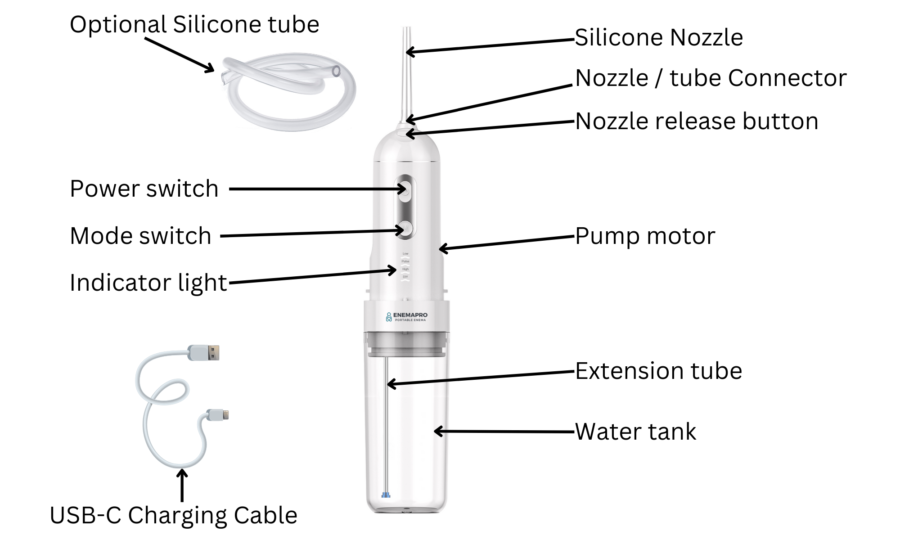
A nozzle that will not retract is often due to friction or swollen seals that need lubrication.
Apply Silicone-Based Grease
Use 100 percent silicone grease, safe for rubber and plastic, from a hardware store. Extend the nozzle, apply a pea-sized amount to the shaft and base, then work it in and out several times. Wipe off excess.
Never use petroleum jelly. It degrades O-rings and causes long-term damage.
This fix works best on Luxe Bidet models where seal swelling is common. If retraction fails after lubrication, the motor or gear may be damaged.
Clear Clogged Inlet Filter
Low or no water flow may stem from a blocked filter, not the nozzle itself.
Locate and Clean Water Inlet Screen
Turn off water at the shut-off valve. Disconnect the supply hose from the bidet’s T-valve. Inside the connector, you will find a small mesh filter. Remove it and rinse under warm water. Use a toothbrush to dislodge fine sediment.
Reconnect and slowly turn water back on. Test spray. If flow improves, the filter was the issue.
Install an in-line water filter, especially in hard water areas above 7 grains per gallon.
Replace Damaged Nozzle Tip
If cleaning fails, the tip may be cracked, eroded, or internally clogged beyond repair.
Identify When to Replace
Replace the tip if it is cracked, warped, or stained black from biofilm. Replace if jet holes are deformed or uneven. Replace if cleaning brings no improvement. Replace if you smell a persistent odor that deep cleaning cannot resolve.
A new tip will not fix a clogged filter or failed solenoid. Diagnose upstream first before replacing the tip.
Install New Nozzle Correctly
Poor installation causes leaks and misalignment that create new problems.
Follow Leak-Proof Replacement Steps
Turn off water and unplug power. Relieve pressure by pressing the wash button briefly. Remove the old tip by twisting or pulling without force. Inspect the O-ring and replace if cracked or missing. Hand-tighten the new tip without over-tightening. Turn water on slowly, starting with a quarter turn. Wait 60 seconds, then check for leaks.
Use a dry tissue to inspect connections. A steady drip means a bad seal that requires rechecking the O-ring and alignment.
Compare Stainless Steel vs. Plastic Nozzles
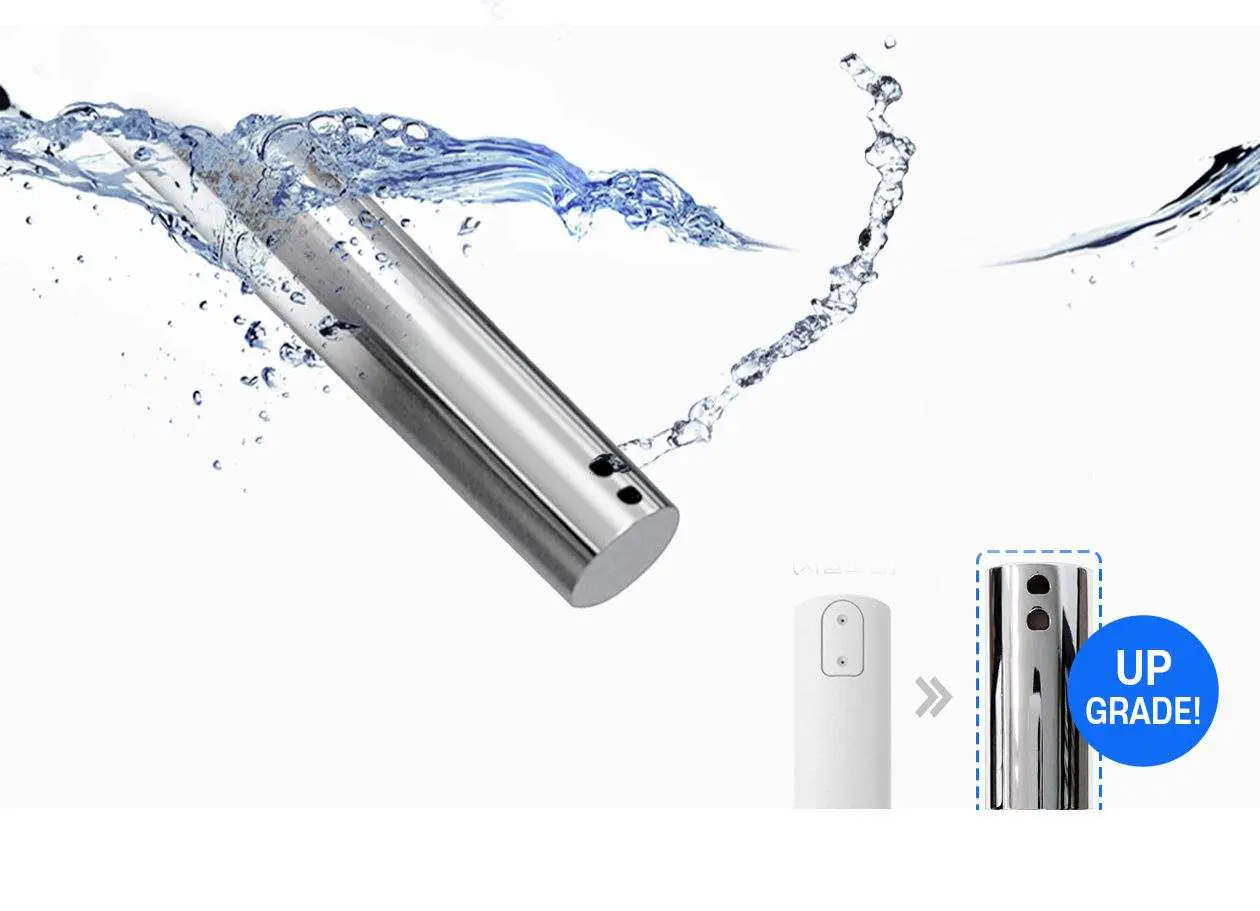
Material affects durability, but fit matters more than composition.
Stainless Steel Pros and Cons
Stainless steel resists scratches, stains, and warping. The downside is higher cost and potential cross-threading if misaligned during installation.
Plastic Nozzle Risks
Plastic costs less and offers flexibility. The risks include cracking if overtightened and faster degradation in UV light exposure.
A properly installed plastic tip outperforms a poorly fitted stainless one. Focus on sealing and correct alignment rather than material choice.
Diagnose by Symptom: Fast Reference
No Spray? Check These
No power requires resetting the outlet and testing the GFCI. Sensor not triggered means using the wet paper towel method. Clogged filter requires cleaning the inlet screen. Failed solenoid produces no sound during wash attempt.
Nozzle Stuck Open?
Mineral buildup needs vinegar soak and lubrication. Swollen seals are common in Luxe Bidet units and may require replacement or lubrication. A loose cap needs gentle tightening to prevent grime entry.
Leaking After Use?
A clogged nozzle prevents full retraction and proper sealing. A worn O-ring should be replaced during tip changes. A faulty solenoid causes leaks that persist after power is turned off.
Prevent Future Failures
Regular maintenance beats emergency fixes every time.
Run Weekly Self-Cleaning
Use the self-clean function weekly to flush minor deposits. Do not rely on it alone, as manual cleaning is still needed, especially in hard water regions.
Schedule Monthly Descaling
Soak the nozzle in vinegar every 30 days. Clean the inlet filter every 3 to 6 months. Apply silicone grease annually to keep moving parts smooth.
Install In-Line Filter
An in-line water filter removes sediment and minerals before they enter the system. Replace every 6 to 12 months. This single upgrade cuts clogs by 70 percent in high-hardness areas.
Know When to Call Support
Some issues are beyond DIY repair and require professional help.
Stop and Seek Help If
You see moisture near wires, which poses a shock risk. You hear grinding or buzzing when activating, indicating motor or gear damage. The nozzle will not move or spray despite power and reset. Leaks persist after reassembly. The shut-off valve will not stop water flow.
Luxe Bidet offers 18 to 24 months warranty, Kohler offers 1 to 2 years, and Bio Bidet offers 1 to 2 years. Have your model number and proof of purchase ready when contacting support.
Final Fix Checklist
Power on involves checking the outlet, GFCI, and performing a reset. Sensor triggered requires using the wet paper towel method. Remote working needs testing with fresh batteries. Water flowing means checking the valve, filter, and hose. Nozzle clean requires vinegar soak and scrubbing. Retracting needs silicone grease lubrication. Leak-free means inspecting the O-ring and tightening properly. Still broken means contacting support.
Frequently Asked Questions About Bidet Nozzle Not Working
Why is my bidet nozzle not extending at all?
The most common causes are a triggered sensor not detecting occupancy, a clogged inlet filter blocking water flow, or a failed motor that cannot drive the extension mechanism. Start with a hard reset and sensor activation test before investigating mechanical issues.
Can I use metal tools to clean clogged jet holes?
No. Metal tools can scratch and deform the delicate jet holes, worsening the clog and damaging the nozzle. Use a wooden toothpick or soft-bristled toothbrush instead. Scratched holes disrupt spray pattern and pressure.
How often should I descale my bidet nozzle?
Descale monthly if you live in a hard water area above 7 grains per gallon. If your water is softer, descaling every 2 to 3 months is sufficient. Regular descaling prevents mineral buildup that blocks spray and causes retraction problems.
Why does my nozzle stay extended after use?
Mineral buildup on the guide rails or swollen O-rings from prolonged moisture exposure cause retraction failure. Clean the nozzle thoroughly with vinegar and apply silicone-based grease to the shaft and seals. If the problem persists, the motor or gear mechanism may be damaged.
Is a hard reset safe for all bidet brands?
Yes. Unplugging the bidet for 30 seconds is safe for all brands including Kohler, Luxe, Bio Bidet, TOTO, and Brondell. The reset clears firmware glitches without damaging settings. For hardwired units, turn off the circuit breaker instead.
When should I replace the entire bidet instead of repairing the nozzle?
Replace if the unit is over 5 years old and shows multiple failures, if the control board is faulty, or if replacement parts are no longer available for your model. Frequent clogs combined with electrical issues or persistent leaks also indicate replacement may be more cost-effective than continued repair.
Key Takeaways for Fixing a Non-Working Bidet Nozzle
A bidet nozzle not working is rarely a total loss. Over 80 percent of cases resolve with cleaning, resetting, or simple part replacement. Start with power and sensor verification before moving to mechanical fixes. Vinegar soaking removes mineral clogs that cause weak spray, while silicone grease restores retraction for stuck nozzles.
Regular maintenance prevents most failures. Monthly descaling, quarterly filter cleaning, and annual lubrication keep your bidet functioning for 5 years or longer. Install an in-line water filter if your area has hard water above 7 gpg.
Now that you know the fixes, you are back in control. No plumber needed.