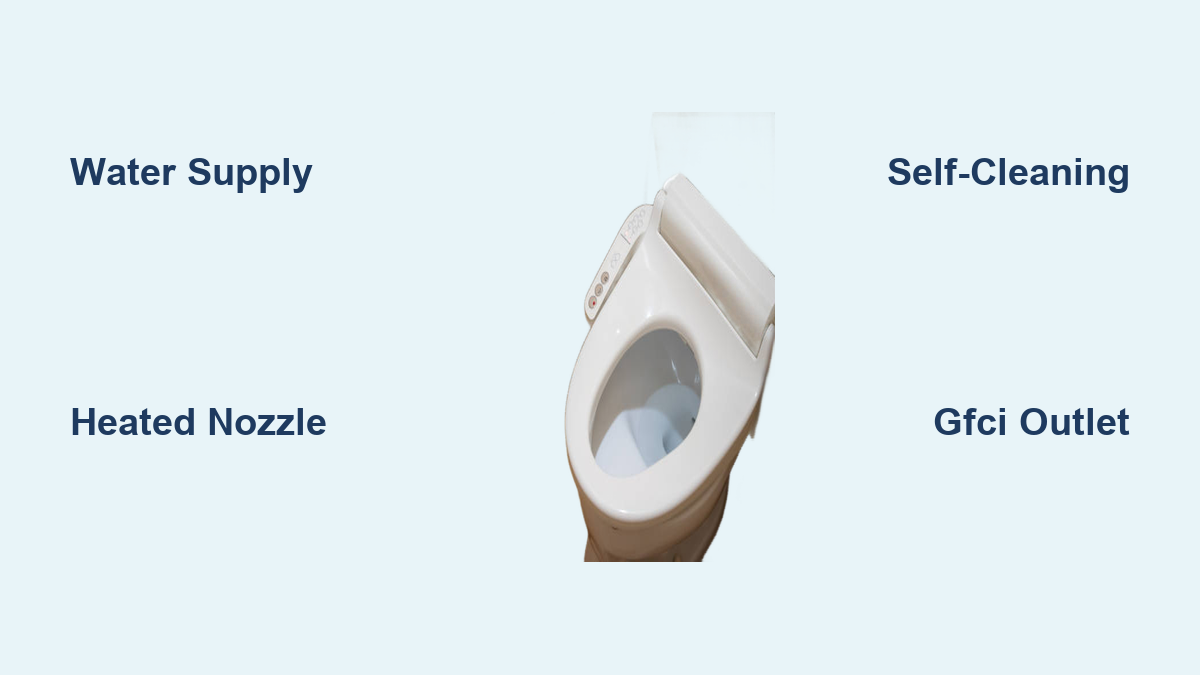
If you have ever wondered how a toilet seat can wash and dry you with the push of a button, you are not alone. An electric bidet transforms your bathroom routine by replacing toilet paper with a gentle, warm water spray that delivers superior hygiene, comfort, and sustainability. Unlike basic non-electric models, electric bidet seats plug into a power outlet and use advanced heating, pumping, and sensor systems to provide a customizable, hands-free cleanse.
At its core, an electric bidet works by drawing fresh water from your toilet supply line, heating it on demand, and spraying it precisely where needed through a retractable nozzle. Add in a heated seat, warm air dryer, and smart controls, and you have got a full spa-like experience built right into your toilet. With over 80% of Japanese households using them and adoption rising fast in the United States, electric bidets are no longer a luxury, they are a practical upgrade backed by engineering, hygiene science, and environmental sense.
Core Components That Make an Electric Bidet Work

Every electric bidet relies on a network of precision-engineered parts working together seamlessly. Understanding these components reveals how such a compact seat delivers so much functionality.
Water Supply and T-Valve Connection
An electric bidet connects directly to your toilet cold water line using a T-valve splitter. This small plumbing fixture allows water to flow both to the toilet tank and into the bidet through a flexible hose. The water used is fresh and potable, never recycled from the bowl, ensuring complete hygiene. A built-in pressure regulation valve stabilizes flow so performance stays consistent even if household pressure fluctuates.
Internal Water Heating System
One of the biggest advantages of electric bidets is warm water on demand. Two types of heaters make this possible.
Tank-style heaters continuously heat and store about 0.5 to 1 liter of water. This approach works best for budget models and quick warm-up needs, though it has limited duration typically lasting 20 to 50 seconds.
Tankless instant heaters warm water as it flows through ceramic or metal elements. This approach works best for premium models needing unlimited warm water, though it requires a stable electrical supply and slightly longer initial heat-up.
Temperature settings usually range from 86°F to 104°F across 3 to 5 levels, letting you customize comfort.
Micro-Pump for Adjustable Pressure
Unlike non-electric bidets that rely solely on home water pressure, most electric models include a booster pump. This tiny motor ensures strong, consistent spray even in homes with low pressure. Pressure is adjustable in 1 to 10 levels, allowing everything from a gentle mist to a deep clean. Some brands use an air-injection pump to aerate the stream, creating a softer feel without increasing water use.
Retractable Nozzle System
Hidden beneath the seat are one or more stainless steel or antimicrobial plastic nozzles that extend when activated. Most models feature a rear nozzle that is shorter and angled for anal cleansing and a front feminine nozzle that is longer and more forward-facing for vulvar cleaning. Each has a separate internal channel preventing cross-contamination. The nozzle retracts fully when not in use, staying protected and clean.
Self-Cleaning and Sanitization
After every use, the nozzle undergoes an automatic self-cleaning cycle. A quick rinse flushes the surface to remove residue. Higher-end models go further with UV-C light that kills 99.9% of bacteria on the nozzle, electrolyzed water for chemical-free disinfection, and antimicrobial materials like silver ions that inhibit bacterial growth.
How the Operation Sequence Works Step by Step
Using an electric bidet is intuitive, but behind the scenes a complex sequence ensures safety, precision, and comfort.
Seat Sensors Activate the System
Built-in weight or proximity sensors detect when you sit down. This triggers the system to power up and prevents accidental activation. No one wants a surprise spray.
User Selects Wash Function
Through a wireless remote, side panel, or touchless sensor, you choose between rear wash for posterior cleansing or front wash for feminine hygiene. High-end models remember your preferences through preset profiles.
Nozzle Extends and Positions
The appropriate nozzle slides forward at the optimal angle. On advanced models you can adjust its forward or backward position manually or automatically for perfect alignment.
Warm Water Spray Begins
Fresh water flows from the supply, passes through the heater if warm setting is selected, is pressurized by the pump, and exits the nozzle in a focused stream. The spray targets the perineal area while you remain seated. You can adjust water temperature, pressure level, and spray mode. Oscillating mode moves the nozzle back and forth while pulsating delivers rhythmic bursts for deeper cleaning.
Cycle Ends and Nozzle Retracts
After 30 to 60 seconds or when manually stopped, water shuts off. The nozzle retracts and runs a self-cleaning rinse to flush any residue.
Warm Air Dryer Activates
Tapping Dry activates the ceramic heating element and low-noise fan. Warm air blows from under the seat for 1 to 3 minutes with adjustable heat. In humid climates or after heavy use, light wiping may still be needed.
System Returns to Standby
Once you stand, sensors deactivate the unit. It enters eco-mode, reducing power consumption. Some models automatically close the lid on smart toilets.
Key Features That Set Electric Bidets Apart
Electricity unlocks features impossible in manual models. Here is what makes them stand out.
Heated Seat for Year-Round Comfort
No more cold porcelain shocks in winter. Embedded heating wires keep the seat at a cozy 86°F to 104°F. You can set it to low, medium, or high, and many models include auto-off or eco-mode to save energy.
Adjustable Spray Modes and Positioning
Beyond basic spray, electric bidets offer oscillating wash where the nozzle moves side-to-side for broader coverage, pulsating wash with intermittent bursts that enhance cleaning power, and position adjustment to fine-tune where the spray lands. These options make the bidet adaptable to personal needs and preferences.
Remote and App Controls
Most electric bidets come with an infrared remote mounted on the wall. Some premium models support smartphone apps, voice control, and automatic lid opening and closing. You can save favorite settings, schedule cleaning cycles, or control the bidet without touching anything.
Built-In Deodorizer
Activated when you sit, a small intake fan pulls air from the bowl through an activated carbon or ion-exchange filter. Odors are neutralized before being released, keeping your bathroom fresh. Noise levels are typically under 30 dB, making it nearly silent.
Night Light for Safe Use
LEDs embedded in the seat or rim provide soft glow-in-the-dark visibility. They automatically turn on in low light so you will not stumble in the dark.
Installation: Power, Water, and Compatibility

Installing an electric bidet is a DIY-friendly project, but it requires two key resources: water and electricity.
Electrical Requirements
An electric bidet needs a 110 to 120V grounded GFCI outlet within 3 to 4 feet of the toilet. GFCI protection is mandatory because it cuts power instantly if a current leak is detected, preventing shock. If no outlet exists, a licensed electrician should install one. Never use extension cords because they pose fire and safety risks.
Plumbing Connection
The bidet uses a T-valve to split water from the toilet supply line. One side feeds the tank while the other connects to the bidet through a flexible hose. No hot water line is needed because the bidet heats water internally.
Toilet Compatibility
Electric bidets fit standard round or elongated toilets. Check mounting hole spacing, usually 5.5 inches apart, and bowl shape. They may not fit one-piece, compact, or non-standard toilets without adapters.
Safety Mechanisms Built Into Electric Bidets
Combining water and electricity sounds risky, but electric bidets are engineered with multiple safety redundancies.
Waterproof and Sealed Electronics
All circuit boards, pumps, and heaters are housed in waterproof enclosures. Even if water splashes inside the seat, critical components stay dry.
Thermal and Overflow Protection
Thermal cut-off switches shut down the heater if it exceeds safe temperatures. Overflow sensors detect leaks and stop water flow immediately. Auto-shutoff on dryers prevents overheating.
Backflow Prevention and GFCI
A check valve stops water from flowing backward into your home plumbing. The GFCI outlet requirement is non-negotiable because it protects against electrocution.
Never install an electric bidet without a GFCI outlet. If one is unavailable, consider a non-electric bidet instead.
Maintenance for Longevity and Hygiene
Electric bidets are low-maintenance, but a few simple steps keep them working well for years.
Daily and Weekly Care
Wipe down the seat and controls with a soft cloth and mild cleaner. Avoid bleach, ammonia, or abrasive pads because they damage surfaces and coatings. Visually inspect the nozzle for mineral buildup or discoloration.
Filter and Nozzle Cleaning
Clean or replace the water inlet filter every 6 to 12 months to prevent clogs and low pressure. Soak the nozzle in white vinegar if hard water causes limescale. Some models allow manual nozzle extension for deeper cleaning.
Annual Deep Cleaning
Replace carbon or sediment filters if equipped. Perform a full system flush every 6 months using manufacturer-recommended cleaner. Remove and clean internal parts only if the manual allows it. With proper care, most electric bidets last 5 to 10 years.
Electric vs Non-Electric Bidets: What Is the Difference
Choosing between electric and non-electric depends on your needs, budget, and bathroom setup.
Electric Bidet Advantages
Electric models offer heated water with adjustable temperature, heated seat, warm air dryer, adjustable pressure with booster pump, self-cleaning nozzle, remote or app control, and deodorizer with night light. They work best for comfort, health needs, cold climates, and smart homes.
Non-Electric Bidet Advantages
Non-electric models need no power, making them ideal for homes without nearby outlets. They cost less, typically $50 to $200, and offer simple installation using water only with reliable mechanical controls. They work best for budget users, rentals, and basic hygiene upgrades.
If you lack a GFCI outlet, a non-electric bidet is a safe alternative. Or install an outlet first because many electricians can do it for under $150.
Health and Accessibility Benefits
Electric bidets are not just luxurious, they are therapeutic and inclusive.
Relief for Hemorrhoids and Fissures
The gentle warm water spray acts like a sitz bath, soothing inflammation and promoting healing. Many colorectal surgeons recommend bidets post-surgery.
Independence for Seniors and Disabled Users
People with arthritis, mobility issues, or spinal injuries often struggle to wipe. A bidet provides hands-free cleaning, increasing dignity and independence.
Menstrual and Incontinence Care
Front wash helps maintain cleanliness during menstruation. Caregivers use bidets to clean infants or adults with incontinence, reducing irritation and infection risk.
Troubleshooting Common Issues
Even reliable models can have hiccups. Here is how to fix the most frequent problems.
No Water Spray
Check that the unit is plugged in and the GFCI has not tripped. Inspect the nozzle and run a self-cleaning cycle because debris may block it. Reset the system by unplugging for 30 seconds then restarting.
Low Water Pressure
Clean the inlet filter because a clogged filter is the number one cause. Check home pressure, and if overall pressure is low, choose a model with a strong booster pump.
Leaks
Tighten connections at the T-valve and hose fittings. Replace gaskets because worn rubber seals can cause drips.
Dryer Not Working
Clean the vent because lint or dust can clog airflow. Allow the dryer to cool because it shuts off if overheated. Wait 10 minutes before trying again.
Odors
Run self-clean because buildup on the nozzle or under the seat causes smells. Replace the carbon filter if your model has one.
Frequently Asked Questions About Electric Bidets
Does an electric bidet use toilet water?
No. Electric bidets draw fresh, potable water directly from your toilet supply line through a T-valve connection. The water is the same quality as water from your bathroom faucet, never recycled from the bowl.
Can I install an electric bidet myself?
Yes. Most electric bidet seats install in 20 to 45 minutes with basic tools. You need to connect the water supply using the included T-valve and plug the unit into a GFCI outlet. No professional plumbing or electrical work is required in most cases.
Are electric bidets safe to use?
Yes. Electric bidets include multiple safety features including waterproof electronics, thermal cut-offs, overflow sensors, and GFCI protection. The GFCI outlet requirement is mandatory and protects against electrical shock in wet environments.
How much electricity does an electric bidet use?
Most models consume less than 1.2 kWh per day, about the same as a laptop computer. In standby mode, they use minimal power. Many include eco-modes that further reduce energy consumption when the seat is not in use.
Do electric bidets work in all bathrooms?
Electric bidets require a GFCI outlet within 3 to 4 feet of the toilet and fit standard round or elongated toilets. They may not be compatible with one-piece toilets, compact models, or non-standard designs without adapters.
How long do electric bidets last?
With proper care and maintenance, most electric bidets last 5 to 10 years. Warranties typically range from 1 to 3 years, with premium brands offering up to 5 years of coverage.
Key Takeaways for Understanding How Electric Bidets Work
An electric bidet works by merging plumbing, electronics, and ergonomic design into a single smart toilet seat. It delivers a customizable, hygienic, and eco-friendly cleanse using fresh water, adjustable heat and pressure, and self-cleaning technology, all at the touch of a button. From the T-valve connection to the tankless heater, from sensor-activated operation to warm air drying, every component is engineered for safety, comfort, and sustainability.
Whether you are motivated by health benefits, cost savings, environmental impact, or luxury, an electric bidet offers a transformative upgrade to your daily routine. With DIY installation in under 45 minutes, minimal maintenance requirements, and proven benefits, it is no wonder electric bidets are standard in Japan and gaining rapid adoption worldwide. If you have a GFCI outlet and a standard toilet, you are ready to make the switch and never look back.