You flush, you spray, but you’re still not clean. That frustrating moment when your bidet fails to do its job can leave you questioning whether this hygiene upgrade was worth the investment. If your bidet not cleaning properly, you’re not alone. Many users encounter weak spray, poor aim, or incomplete rinsing, even with premium models.
This guide reveals the real reasons behind ineffective bidet cleaning, from clogged nozzles to incorrect positioning, and shows you exactly how to solve each issue. Whether you have a handheld sprayer, built-in smart toilet, or freestanding bidet, you’ll learn what’s going wrong and how to achieve full, hygienic coverage every time.
Diagnose Low Water Pressure Issues

Low water pressure ranks as the number one reason bidets fail to clean effectively. Without sufficient force, the stream simply cannot reach or rinse properly.
Test Your Current Water Flow
Run the bidet at full power and observe the results carefully. Watch for a weak or sputtering stream that feels more like a trickle than a steady jet. This problem commonly occurs in older plumbing systems or with units that lack a pressure booster. If your bidet came with a flow rate specification and yours falls significantly below it, pressure is likely the culprit.
Increase Water Pressure
Open the shut-off valve completely, located near the toilet base. Ensure it turns all the way to the open position. Consider installing a pressure-boosting bidet model that includes internal pumps, such as the Bio Bidet SlimEdge or Toto Washlet, which draw water more forcefully. Avoid using splitter valves that share water between a bidet and other fixtures, as this reduces flow to both.
Clean a Clogged or Dirty Nozzle
Mineral buildup and grime clog spray holes, distorting or completely blocking the water stream. This leads to uneven cleaning or no cleaning at all, making your bidet essentially useless.
Identify Nozzle Blockage
Examine the nozzle closely. Look for white residue covering the spray holes or water coming out at an odd angle or only from one side. These indicate calcium, lime, or bacteria buildup, which is especially common in hard water areas. A dirty nozzle never cleans effectively.
Clean the Nozzle Properly
First, activate the bidet briefly so the nozzle extends. Wipe it with a soft cloth dampened with vinegar or a manufacturer-approved cleaner. Scrub gently with a toothbrush, focusing on the tiny spray holes where debris collects. Run a self-cleaning cycle if your model includes one. For stubborn buildup, soak the nozzle in white vinegar for twenty minutes monthly.
Adjust the Spray Position for Better Coverage
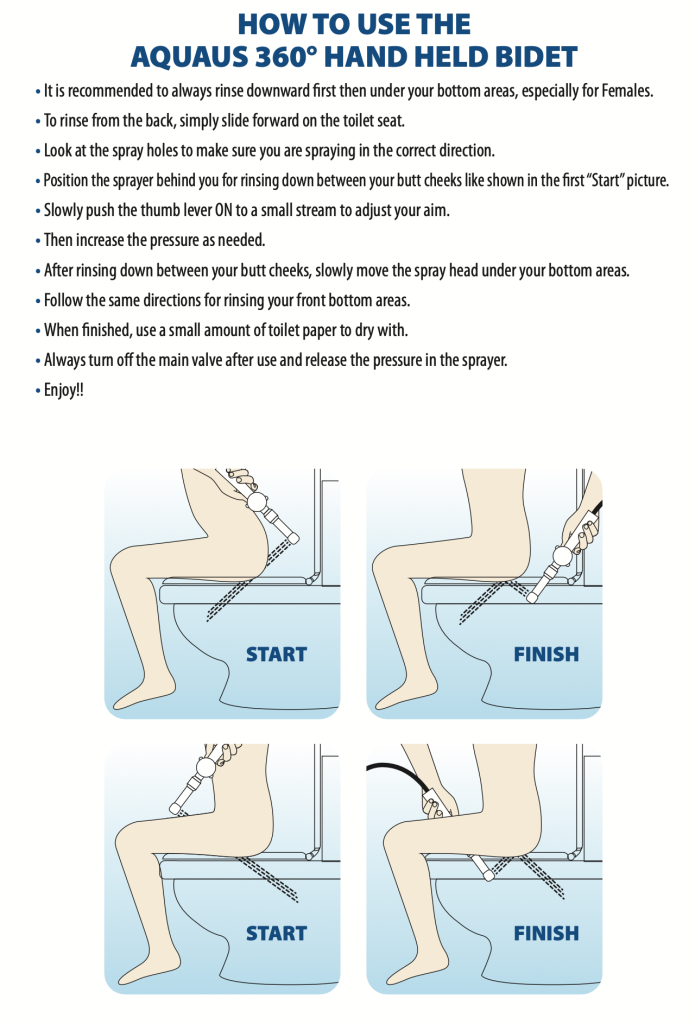
Even powerful streams fail to clean if they’re not aimed correctly. Misalignment means missing the areas that need rinsing most.
Find Your Ideal Nozzle Angle
Most bidets allow manual or remote-controlled adjustment. For rear wash, the stream should hit just above the anus, angled slightly upward. For front wash, the spray should rise from below the urethra, moving forward. Use trial runs with toilet paper first to fine-tune positioning without making a mess.
Use Control Panel Settings Correctly
On smart bidets, press the rear or front wash buttons after sitting down, not before. Use oscillate or pulse settings to widen the spray coverage area. Move the nozzle forward or backward using directional arrows if your model offers this feature.
Inspect and Unclog the Supply Hose
A kinked hose or blocked inlet valve restricts water before it even reaches the nozzle. This often gets overlooked but can completely disable cleaning power.
Check the Water Supply Line
Turn off the water valve behind the toilet. Disconnect the bidet hose from the toilet’s water outlet. Inspect for crimps or bends in the tubing. Check the filter screen located at the connector for debris buildup. Hold a cloth over the open valve and briefly turn it on to flush sediment out.
Replace Damaged Components
Rinse the filter under running water and replace it if damaged. Consider replacing cheap plastic hoses with reinforced braided ones to prevent future kinks. This simple upgrade often solves persistent pressure problems.
Replace Worn or Defective Parts
Over time, internal components wear out, especially in older or heavily used bidets. A failing part can dramatically reduce cleaning effectiveness.
Recognize Signs of Wear
Watch for nozzles that don’t extend or retract fully. Notice spray that starts and stops randomly. Check for water leaks around the base. These indicate failing motors, seals, or solenoid valves that need attention.
Order Replacement Parts
Most major brands offer free manuals and YouTube tutorials for common repairs. For nozzle assembly issues causing weak or misdirected spray, order an OEM part directly from the manufacturer. Only attempt replacement if you’re comfortable with basic tools and mechanics.
Choose the Right Bidet Type for Your Needs
Not all bidets clean equally. Some models simply lack the power or features necessary for thorough hygiene. Understanding the differences helps you select or adjust accordingly.
Compare Cleaning Performance by Type
Handheld sprayers offer high cleaning power because you control the aim directly. Built-in smart toilets provide medium to high cleaning with preset positions but require more maintenance. Freestanding bidets offer low to medium cleaning, with sitting in water and may require wiping afterward. Non-electric bidet seats rely entirely on home water pressure, making them weak when pressure is low.
Use Your Bidet in the Correct Order
Timing and technique matter significantly. Using the bidet incorrectly in your routine reduces its effectiveness and can even cause problems.
Follow the Proper Cleaning Sequence
Always wipe with toilet paper first. This removes bulk waste so the water doesn’t spread it around. Use the bidet spray to rinse remaining residue with targeted water. Finally, pat dry with a small towel or let skin air dry naturally.
Avoid Common Mistakes
Never use the bidet before wiping. Water can push fecal matter into sensitive areas, increasing infection risk. Don’t assume soap is required. While some people use the bidet like a mini-shower, it isn’t necessary for effective cleaning.
Prevent Bacterial Buildup in Your Bidet
A dirty bidet doesn’t clean. It spreads germs. Poor hygiene undermines the entire purpose of having a bidet in the first place.
Establish a Sanitization Routine
Wipe down the nozzle and housing with disinfectant wipes weekly. Run a deep-clean cycle monthly if your model includes this feature. For handheld sprayers, store the nozzle off the toilet surface to prevent contamination. Consider a bidet with UV sterilization, such as the Luxe Bidet Neo 150, which kills bacteria automatically.
Understand Medical Factors Affecting Cleaning
Sometimes the problem isn’t the bidet. It’s anatomy or health conditions that affect where waste collects and how cleaning works.
Account for Personal Health Conditions
Hemorrhoids or skin tags create folds where waste hides, requiring more targeted spraying. Limited mobility makes positioning difficult, so consider remote-controlled models. Irritable bowel syndrome causes frequent loose stools that require more thorough cleaning. People with chronic digestive issues often benefit most from bidets, but only when used correctly.
Upgrade When Troubleshooting Fails
If troubleshooting fails, your bidet may simply be underpowered or outdated. Sometimes replacement is the most practical solution.
Know When to Replace Your Bidet
Consider upgrading if your bidet is more than five years old. Replace if you experience persistent clogs or leaks. Upgrade if the model lacks pressure boost or adjustable nozzle features. Newer models often include self-cleaning features that dramatically reduce maintenance.
Select Better Cleaning Models
The Brondell Swash SE offers strong spray with full remote control and a self-cleaning nozzle. The Toto Washlet C5 provides oscillating wash with adjustable pressure and warm water. The Handheld King KS-3500 delivers high-pressure spraying with a stainless steel hose. Adding a thirty-dollar handheld sprayer alongside a weak built-in bidet provides an affordable backup cleaning option.
Frequently Asked Questions About Bidet Cleaning
Why does my bidet spray but not clean properly?
This usually indicates a clogged nozzle, low water pressure, or incorrect spray position. Clean the nozzle first, then check your water pressure and adjust the angle.
Can hard water damage my bidet?
Yes, hard water causes mineral buildup that clogs spray holes. Regular cleaning with vinegar or manufacturer-approved cleaners prevents this issue.
Should I use soap with my bidet?
Soap is not required. Most people use water alone effectively. If you prefer soap, use mild, unscented options and rinse thoroughly.
How often should I clean my bidet nozzle?
Clean the nozzle weekly with a soft cloth and vinegar. Run self-cleaning cycles if available. Descale monthly if you have hard water.
Why does my bidet smell bad?
Bacterial buildup on the nozzle or in the housing causes odors. Regular sanitization and using models with UV sterilization prevent this problem.
Key Takeaways for Solving Bidet Not Cleaning Issues
Most bidet cleaning problems stem from simple, fixable causes rather than design flaws. Clean the nozzle monthly to prevent mineral and bacterial buildup. Adjust spray position for your body type and needs. Always use toilet paper before spraying to remove bulk waste. Boost pressure with a pumped bidet model if yours lacks sufficient force. Replace worn parts or upgrade to a better model if performance lags despite troubleshooting.
A well-maintained bidet should leave you feeling fully rinsed and refreshed. If yours isn’t achieving this, work through these solutions systematically. Most issues resolve without requiring a plumber or expensive replacement. Your bidet should deliver the hygienic clean you expected when you installed it.