You have just finished using your bidet. The water has done its job, leaving you feeling fresh and clean. But now comes the often overlooked step that matters just as much: drying properly. Without the right drying technique, residual moisture can cause discomfort, skin irritation, or even bacterial growth. The good news is that several effective methods exist, ranging from simple air drying to high-tech warm air dryers.
This guide covers every practical way to dry after a bidet. You will learn about air drying, toilet paper techniques, reusable towels, and built-in dryers. Each method has different advantages depending on your budget, skin sensitivity, and environmental priorities. By the end, you will know exactly which approach works best for your situation.
Find the Best Drying Method for Your Needs
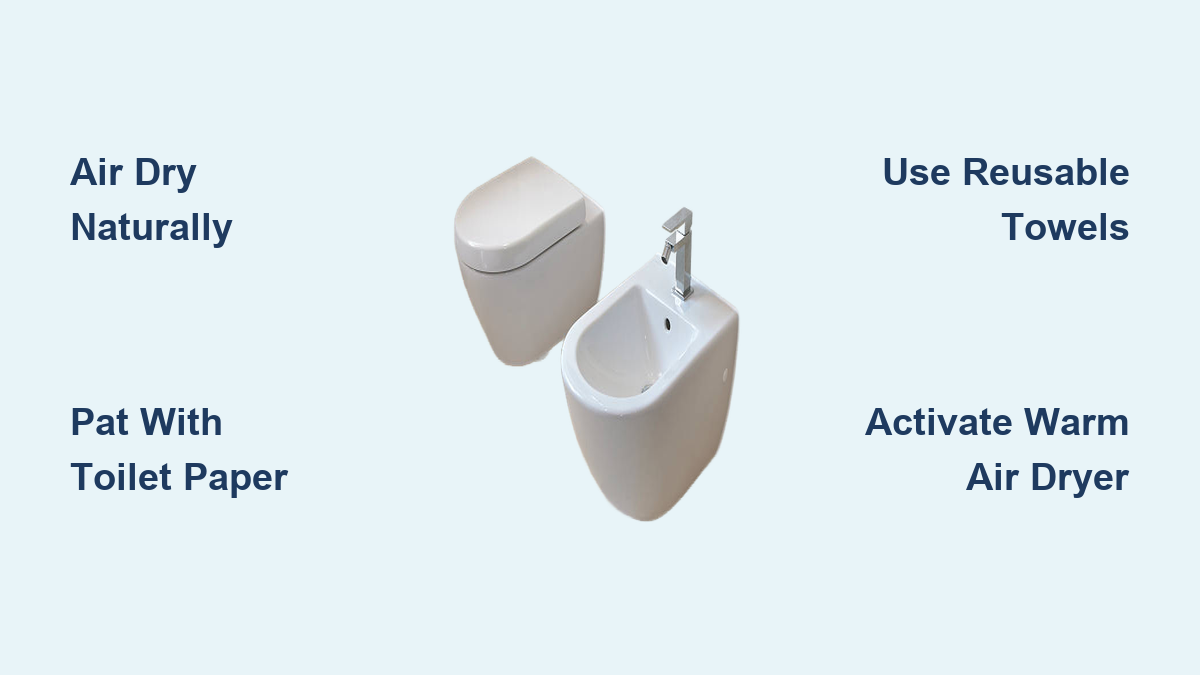
Not all drying techniques work equally well for everyone. The best method depends on your bidet type, skin needs, bathroom setup, and personal values. Five main approaches dominate post-bidet routines: natural air drying, patting with toilet paper, using reusable towels, activating built-in warm air dryers, and installing bidet attachments with dryer functions.
Air Dry Naturally
Natural air drying relies on evaporation to remove moisture without any tools or materials. This method is the simplest and most eco-friendly option available.
After rinsing, stay seated on the toilet for one to three minutes. Slightly widen your legs to improve airflow around the area. Stand only when the skin feels mostly dry. In dry climates or heated bathrooms, this method works well. In humid or cold environments, moisture may linger longer, leaving you with a damp feeling.
This approach works best for home use where you have privacy and time. It costs nothing and creates zero waste. The gentle, friction-free process protects sensitive skin from irritation. Many eco-conscious users prefer this method for its simplicity and minimal environmental impact.
Pat Dry with Toilet Paper
Even with a bidet, many people still use a small amount of toilet paper to absorb remaining moisture. The key difference from traditional wiping is the technique: gentle patting rather than rubbing.
Use one to three soft sheets of toilet paper. Fold the paper for better absorbency and gently press against the skin to soak up water. Never rub, as this creates friction that irritates sensitive areas. This is especially important if you have hemorrhoids, anal fissures, or skin conditions.
Because the bidet already removed waste, you need far less paper than before. Users typically reduce their toilet paper consumption by seventy-five percent or more. This saves money and significantly cuts environmental impact.
Choose high-quality, soft paper without fragrances or dyes if you have sensitive skin. Bamboo-based or recycled options offer more sustainable alternatives to conventional toilet paper.
Use Reusable Bidet Towels

Reusable bidet towels, also called shami cloths or tushy towels, are small dedicated towels made from absorbent materials designed specifically for post-bidet drying. These have grown popular among eco-conscious users and those with sensitive skin.
Choose the Right Material
Three materials dominate the market for bidet towels. Bamboo microfiber offers natural antimicrobial properties, fast drying times, and an ultra-soft feel. Rayon from bamboo provides smooth texture and high absorbency. Organic cotton delivers breathability and biodegradability at a lower price point.
All three materials work well. Bamboo options tend to last longest and feel softest against sensitive skin.
Follow Proper Usage and Maintenance
Store clean towels in a dedicated container near your toilet. A ceramic jar, small basket, or tank-top holder works well. After drying, place used towels in a separate lidded laundry bin or mesh bag.
Wash towels every one to two uses in hot water at sixty degrees Celsius or higher. Use fragrance-free detergent and avoid fabric softeners, which reduce absorbency. With a rotation of five towels, most users wash weekly. Replace towels every six to twelve months or when they become frayed.
Popular options include the Tushy Bamboo Bidet Towel Set and BidetCloth Reusable Wipes. Many sets include mesh laundry bags to protect fibers during washing.
Activate a Warm Air Dryer
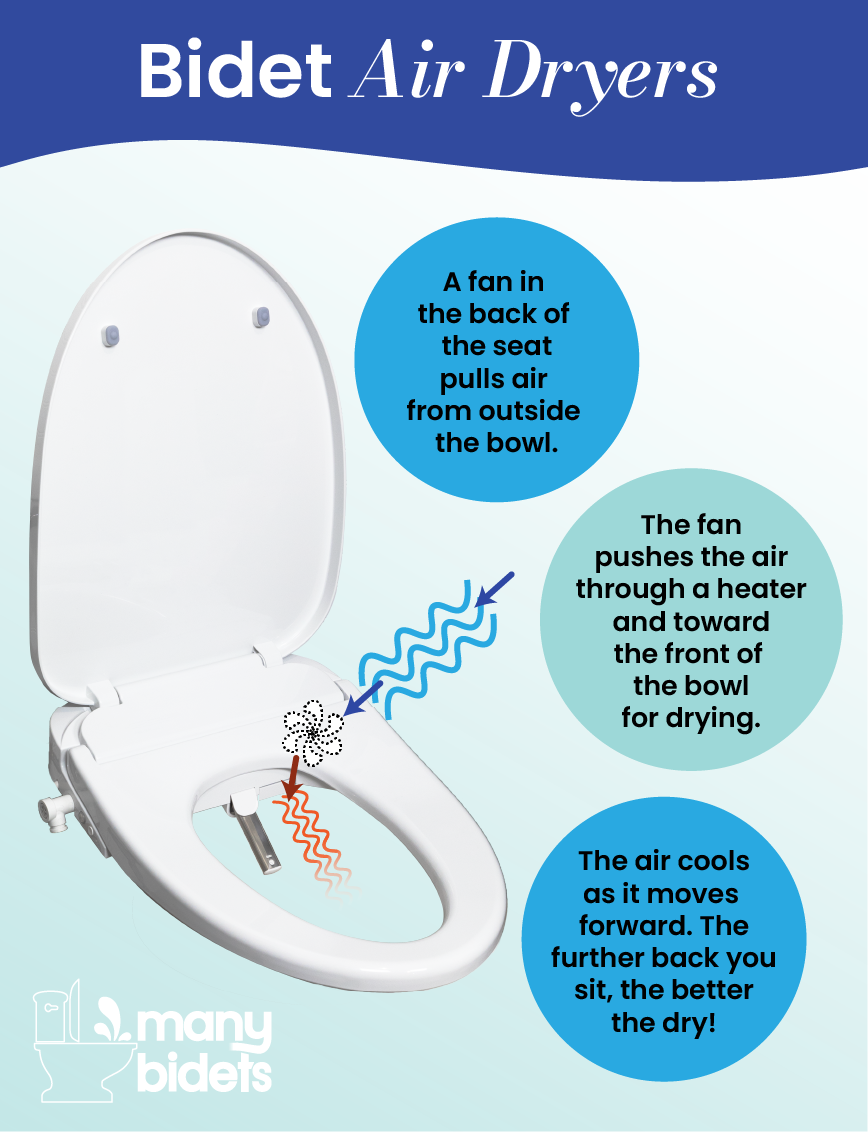
Electric bidet seats and smart toilets often include built-in warm air dryers. These devices blow warm air to dry the perineal area after cleansing, offering a hands-free experience.
How Warm Air Dryers Work
Internal heating coils generate warm air while a small fan directs it toward the user. Most drying cycles run for sixty to one hundred eighty seconds. Premium models let you adjust temperature and duration through remote controls or side panels.
You remain seated throughout the entire process, minimizing hand contact and maximizing hygiene. Many units also include heated seats, deodorizers, and self-cleaning nozzles.
Benefits and Limitations
Warm air dryers excel for users with mobility issues, elderly individuals, or those recovering from surgery. The hands-free operation supports independence and eliminates the need for manual drying.
However, drying may not be completely thorough for everyone. Many users report following up with a quick pat using toilet paper or a towel. These units require electricity and a GFCI-protected outlet within six feet of the toilet. Prices range from three hundred to over one thousand dollars depending on features.
Top models include the Brondell Swash 1400, Toto Washlet C5, and Bio Bidet SlimEdge.
Try Bidet Attachments with Integrated Dryers
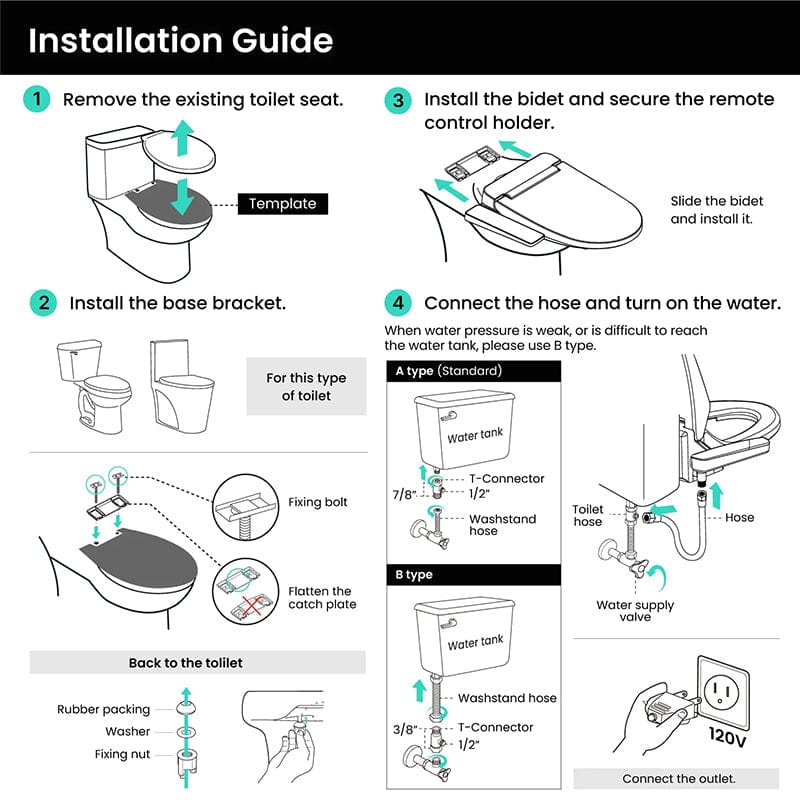
Electronic bidet attachments that include warm air dryers offer another option. These install between the toilet seat and bowl, combining cleansing and drying in one compact unit.
Advantages Over Full Seat Replacement
These attachments cost significantly less than full electric bidet seats, typically ranging from one hundred fifty to three hundred dollars. Installation is simpler and does not require replacing your entire toilet seat. They work well in small bathrooms and rental properties where permanent modifications are not allowed.
Before purchasing, verify that the model specifically includes warm air drying in its features. Read user reviews about dryer strength, as some units have weaker airflow than others.
Follow Proper Drying Technique
Regardless of which method you choose, proper technique ensures the best results. Always finish rinsing completely with appropriate water pressure before drying. Stay seated to prevent dripping or smearing. Dry thoroughly until no dampness remains.
Dispose of toilet paper appropriately. Place reusable towels in a soiled bin for washing. If using an air dryer, no disposal is needed. Always wash your hands as the final step in your hygiene routine.
Common Mistakes to Avoid
Rubbing instead of patting causes micro-tears and worsens conditions like hemorrhoids. Leaving the area damp increases risk of chafing and bacterial growth. Using excessive toilet paper wastes resources and may clog pipes. Sharing bidet towels creates high cross-contamination risk. Neglecting dryer nozzle cleaning leads to bacterial buildup. Using low-quality or scented paper irritates sensitive skin.
Match Your Method to Your Situation
Your ideal drying method depends on several factors specific to your circumstances.
Consider Your Bidet Type
Non-electric attachments work with air drying, toilet paper, or reusable towels. Electric bidet seats add warm air dryer options. Standalone bidet fixtures work with towels, air drying, or paper. Smart toilets offer built-in dryers with automatic cycles. Bidet attachments with dryers provide air drying with optional paper backup.
Account for Skin Sensitivity
For hemorrhoids, anal fissures, eczema, psoriasis, or post-surgical recovery, prioritize gentle methods. Warm air dryers and bamboo microfiber towels minimize friction and protect sensitive skin. Avoid rough wiping, scented products, and shared towels.
Factor in Climate
Cold bathrooms make air drying uncomfortable. Humid environments slow evaporation, making towels or dryers more practical. If your bathroom lacks climate control, consider a warm air dryer for year-round comfort.
Maintain Your Equipment and Hygiene
Proper maintenance keeps your drying method effective and sanitary.
Caring for Warm Air Dryers
Clean the dryer nozzle monthly using a cotton swab and mild disinfectant. Run self-cleaning cycles if your model includes them. Replace air filters according to manufacturer guidelines. Wipe down the seat and controls weekly.
Caring for Reusable Towels
Wash towels after every one to two uses in hot water. Store soiled towels in a lidded bin to prevent odors. Replace towels when they become less absorbent or show signs of fraying, typically every six to twelve months.
General Bidet Upkeep
Clean spray nozzles weekly. Descale every three to six months if you have hard water. Keep the surrounding floor dry to prevent mold growth.
Frequently Asked Questions About Drying After a Bidet
Do I really need to dry after using a bidet?
Yes, drying is essential. Residual moisture can cause skin irritation, chafing, and create conditions favorable for bacterial or yeast growth. Proper drying ensures comfort and maintains skin health.
How long does air drying take?
Air drying typically requires one to three minutes depending on your bathroom climate. Dryer, warmer environments speed up the process while humid or cold bathrooms slow evaporation.
Can I use regular toilet paper after a bidet?
Yes, but use less than before and always pat rather than wipe. Because the bidet removes waste, you only need one to three sheets to absorb remaining moisture. Choose soft, unscented options if you have sensitive skin.
Are reusable bidet towels hygienic?
Yes, when washed regularly in hot water. Machine wash at sixty degrees Celsius or higher using fragrance-free detergent. With proper maintenance, reusable towels remain sanitary and last six to twelve months.
Do warm air dryers completely dry the area?
Most users find warm air dryers effective, but many still follow up with a quick pat using toilet paper or a towel for complete dryness. Drying times average sixty to one hundred eighty seconds depending on the model.
Which drying method is best for the environment?
Reusable bidet towels and air drying have the lowest environmental impact. Warm air dryers are eco-friendly when used exclusively, eliminating toilet paper waste entirely. If using paper, choose bamboo or recycled options.
Key Takeaways for Drying After a Bidet
Drying is not optional. Moisture left behind causes irritation, discomfort, and potential infection. Pat gently rather than wiping to protect sensitive skin.
Five main methods exist: air drying, toilet paper, reusable towels, built-in dryers, and bidet attachments with dryers. Each suits different needs, budgets, and lifestyles.
Air dryers require electricity and appear only on electric bidet seats or advanced attachments. Reusable towels offer the best balance of sustainability, cost-effectiveness, and skin comfort. Toilet paper use drops dramatically with bidet adoption, benefiting your wallet and the planet.
Avoid rubbing, leaving dampness, sharing towels, and neglecting maintenance. Choose your method based on health needs, budget, space constraints, and environmental values.
With the right drying routine, your bidet experience becomes cleaner, more comfortable, and more sustainable. Many users combine methods, such as using the air dryer followed by a quick pat with a reusable towel. The goal is personal comfort and hygiene, not perfection.