
You’ve got a bidet you never use. It’s just sitting there, taking up space, clashing with your modern bathroom aesthetic, or making guests do a double-take. You’re not alone. Many homeowners and renters face the same dilemma: how to cover an unused bidet without causing plumbing issues or violating rental rules.
The good news is there are practical, reversible, and even stylish ways to hide or repurpose your bidet. From quick DIY covers to full bidet seat replacements, this guide walks through every option ranked by cost, ease, and long-term value.
Cover Bidet with Seat Covers
A fast, low-cost fix for visual improvement that takes minutes to implement.
Use Decorative Bidet Seat Covers
Slip on a padded, quilted, or furry fabric cover just like vintage toilet seat cozies. These instantly soften the look of a cold porcelain bidet and add a touch of retro charm.
These covers are available in multiple options.
• Available in multiple colors and textures including plush, vinyl, and washable fabric
• Easy to install and remove without tools
• Machine-washable options help maintain hygiene
Choose moisture-resistant materials to prevent mildew in humid bathrooms. The limitation here is that these covers only hide the seat, not the base, legs, or plumbing. They’re best paired with other concealment methods for complete coverage.
Hide Bidet with Furniture
Turn unused space into functional decor with clever furniture placement.
Place a Table or Cabinet Over It
A small table, plant stand, or vanity unit can completely hide a bidet while adding storage or display space.
Use lightweight, movable furniture for easy access when you need to flush the unit. Opt for open-back designs to avoid damaging plumbing. Add baskets or bins inside for towels, cleaning supplies, or toiletries.
Add casters or wheels to make the unit mobile. Simply roll it aside monthly to flush, then roll it back into place.
Style It as a Mini Vanity
Top the furniture with a mirror, candle, or potted plant to create a spa-like feel. This transforms the bidet zone into a decorative bathroom feature rather than an eyesore.
Build a Custom Bidet Enclosure

Create a seamless, integrated look with a custom-built solution.
Construct a Removable Box Cover
Build a box using moisture-resistant materials like PVC, sealed plywood, or MDF to fully enclose the bidet.
Design with a removable top or hinged lid for monthly flushing access. Paint or tile the exterior to match bathroom finishes. Use the top surface as a shelf for plants, soaps, or decor.
This project is moderate difficulty and DIY-friendly with basic tools. It’s best for homeowners seeking a semi-permanent upgrade rather than a temporary fix.
Install a Decorative Screen
Block the view without blocking access to the fixture.
Use Freestanding Privacy Screens
Place a 2- to 4-panel folding screen in front of the bidet to hide it from sight, especially if it faces the bathroom door.
Choose moisture-resistant materials including bamboo, vinyl, or sealed wood. Styles range from minimalist shoji designs to ornate wrought iron options. No installation is required; simply position and adjust as needed.
This solution works well for renters since the screens are lightweight and portable. Pair the screen with hanging or potted plants to blend it into the space and enhance the spa vibe.
Hang a Bidet Privacy Curtain
A shower-curtain-style solution provides visual cover with minimal effort.
Mount a Curtain with Tension Rod
Install a ceiling, wall, or tension rod and hang a mildew-resistant curtain.
Use polyester, vinyl, or PEVA for water resistance. Pick patterns that match your tiles or fixtures. Open the curtain when cleaning or flushing the bidet.
Use suction cups or tension rods in rental units where drilling isn’t allowed. For permanent installs, add a ceiling track. Ensure adequate ventilation to prevent mold buildup behind the curtain.
Block View with Partial Walls
Create a permanent-looking barrier that still allows access.
Build a Half-Wall or Partition
Install a 60- to 72-inch tall divider made of waterproof panels like PVC or sealed MDF to block line-of-sight.
Anchor lightly for stability while avoiding permanent wall damage in rentals. Add towel bars or shelves to the partition for added function.
This works best in larger bathrooms where space allows. It’s not ideal for small or shared bathrooms as it can feel cramped and reduce the perceived room size.
Upgrade to Bidet Toilet Seat
Eliminate the standalone unit entirely with a modern upgrade.
Replace with All-in-One Bidet Seat
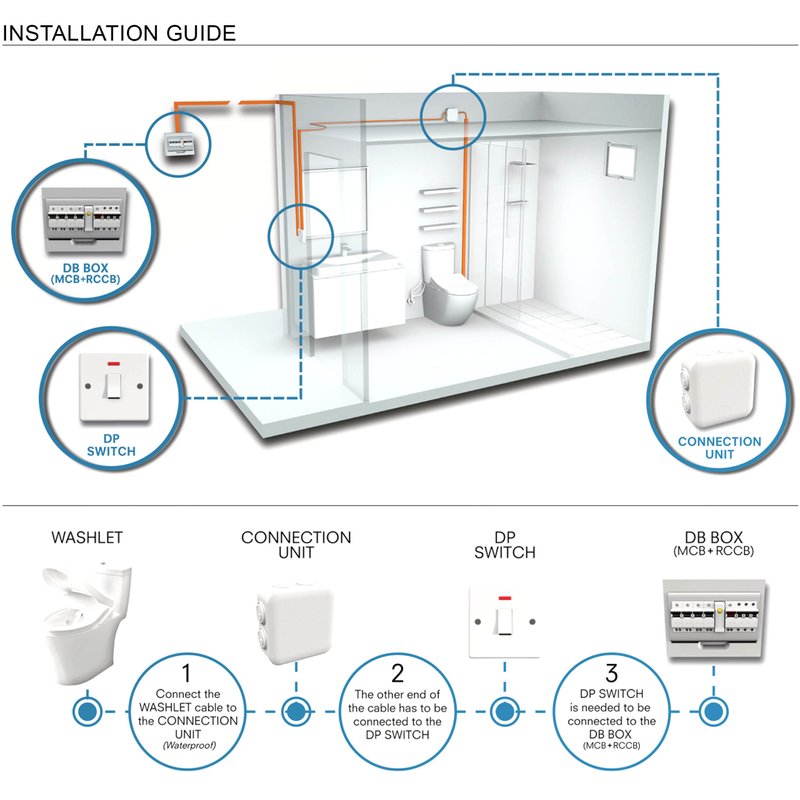
Ditch the bidet and install a modern bidet seat on your toilet. It looks like a normal seat but offers spray, heat, and self-cleaning features.
Top brands include Toto Washlet for premium quiet operation, Brondell for nozzle covers and soft-close lids, and Luxe Neo for sleek design and easy installation.
This costs between $80 and $200. Installation is DIY-friendly and takes 1 to 2 hours, though you’ll need a nearby electrical outlet for heated models.
Benefits include significant space savings. Self-cleaning nozzles reduce maintenance. Heated seats, deodorizers, and soft-close lids add luxury. Choose a model with quick-detach functionality for easy cleaning.
Remove Bidet Permanently
Free up floor space completely by removing the fixture.
Hire a Plumber to Remove It
This option works best for homeowners who want to reclaim the space entirely.
The process involves shutting off the water supply, disconnecting plumbing, capping or abandoning the line, removing the fixture, and patching the flooring which may require retiling.
After removal, repurpose the space by installing a narrow cabinet or shelf, adding a laundry hamper or vanity, or improving toilet clearance.
This costs $200 or more depending on tiling needs.
Maintain Hygiene When Unused
Even hidden bidets need care to prevent problems.
Flush Monthly to Prevent Odors
The P-trap holds water to block sewer gases. If unused, this water evaporates and lets stink into your bathroom.
Pour a pitcher of water into the bidet once a month to refill the trap. Never seal it completely without access.
Clean Hard-to-Reach Areas
Bidet sprayers and add-ons collect grime in gaps and nozzles.
Use Clorox wipes, cotton swabs, and disinfectant spray for regular cleaning. Self-cleaning bidet seats with UV or automatic nozzle wash reduce this effort significantly.
Choose Renter-Friendly Solutions
Avoid damage and keep your deposit with non-permanent fixes.
Use Non-Permanent, Portable Fixes
Stick to methods that don’t require drilling, gluing, or cutting.
Approved options include freestanding screens, tension rod curtains, movable furniture, and fabric covers. Use vinyl, PVC, polyester, or sealed wood materials. Avoid particleboard or untreated fabric that molds easily.
Don’t block doors or create tripping hazards. Ensure stability in homes with kids or pets.
Match Cover to Bathroom Style
Blend function with design for a cohesive look.
For a minimalist look, use white MDF box with clean lines, bamboo screen, or monochrome curtain. For an industrial vibe, try black metal frame with mesh, pipe shelving over the bidet, or concrete-look finish on the enclosure. For traditional or vintage style, choose an ornate wooden cabinet, fabric drape with tassels, or antique-style screen.
Add LED strip lighting to the top of enclosures for ambiance and visual lift.
Disable Without Hiding
Stop use while keeping the fixture in place.
Turn Off Water Supply
Locate the shut-off valve under the bidet and close it.
This prevents leaks and stops accidental activation while keeping the fixture for future use. Pair with a decorative cover or screen for full concealment.
This works best for rental units where removal isn’t allowed.
Frequently Asked Questions About Covering Unused Bidets
Can I completely seal off my unused bidet?
No. Never seal a bidet completely. The P-trap needs water to block sewer gases. If sealed, water evaporates and causes foul odors. Always maintain access for monthly flushing.
What’s the cheapest way to cover an unused bidet?
Fabric seat covers cost $10 to $20 and take seconds to install. They hide the seat but not the base. For complete coverage, furniture or screens offer better value starting at $20 to $40.
Will my landlord allow me to cover the bidet?
Most landlords approve non-permanent solutions like freestanding screens, tension rod curtains, or movable furniture. Always get written approval before drilling holes or making modifications.
How often should I flush an unused bidet?
Flush your unused bidet at least once per month by pouring a pitcher of water into the bowl. This replenishes the P-trap and prevents sewer gas from entering your bathroom.
Is replacing the bidet with a bidet seat worth the cost?
Yes. A $80 to $200 bidet seat eliminates the separate fixture entirely, saves space, and offers self-cleaning features. Many users report this is the best long-term solution.
Can I remove the bidet myself?
Basic disconnection is possible for DIYers, but hiring a licensed plumber is recommended. They can properly cap water lines, abandon plumbing, and patch flooring. Costs start at $200.
Key Takeaways for Covering Your Unused Bidet
The most important rule is never sealing your bidet completely. Always allow access for monthly flushing to avoid sewer smells and maintain the P-trap water seal.
For renters, stick with portable solutions like screens, curtains, or furniture covers that don’t require drilling. These cost $20 to $120 and move with you when you relocate.
For homeowners, consider upgrading to a bidet toilet seat for $80 to $200. This eliminates the separate fixture, looks like a normal seat, and includes self-cleaning features that reduce maintenance.
Test before committing. Try a screen or table first. If you like the look, invest in a more permanent fix. Turn the area into a functional, beautiful part of your bathroom, not just a covered-up eyesore.