Using the bathroom should leave you feeling truly clean, yet traditional wiping often falls short. For women, anatomy makes thorough cleansing more challenging, leading to irritation, discomfort, and increased risk of infections. A bidet offers a smarter solution by using fresh water to clean where toilet paper cannot. But how does a bidet work for women specifically? The answer lies in purpose-built design features that address female hygiene needs with precision and care.
This guide walks you through exactly how bidets function for women, from the mechanics of dual-nozzle systems to safe usage techniques, health benefits, and choosing the right model for your body and lifestyle.
How Bidets Clean: The Core Technology for Female Hygiene
Modern bidets connect directly to your home’s fresh water supply, the same clean water you use for drinking and showering. This means water never comes from the toilet bowl, eliminating cross-contamination risks entirely.
Retractable Nozzle Systems
Most electric bidet seats feature retractable nozzles that stay hidden when not in use, protecting them from airborne particles. Each use triggers an automatic self-cleaning cycle that flushes the nozzle before and after activation, maintaining hygiene between uses.
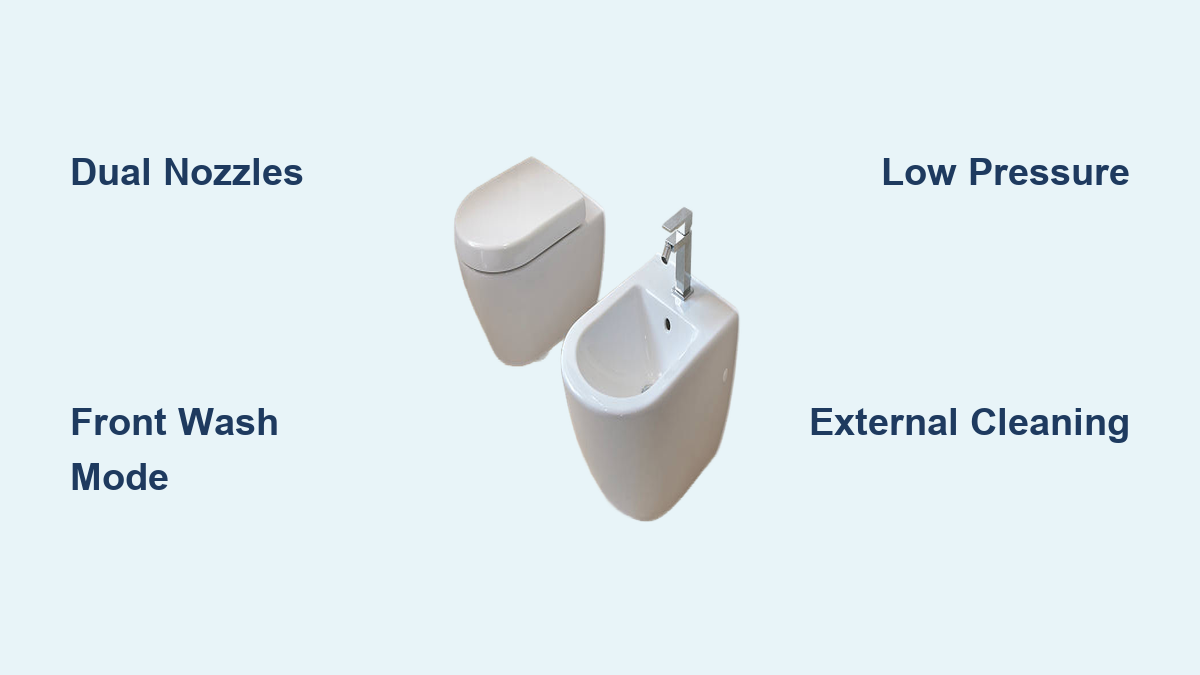
Dual-Nozzle Design for Women
Electric bidets include two separate nozzles designed for different cleaning needs:
• Rear nozzle: Cleans the anal area after bowel movements
• Front (feminine) nozzle: Provides gentle external vulvar cleansing without entering the vaginal canal
The front nozzle activates only when selected, ensuring targeted cleaning that respects female anatomy. This separation prevents cross-contamination and allows women to freshen up safely after urination or during menstruation.
Water Temperature and Pressure Control
Bidets offer adjustable water temperature typically ranging from ambient to 104°F, with most women preferring lukewarm settings. Pressure usually starts at low and adjusts upward, giving you complete control over the cleansing experience.
Understanding Female Anatomy and Safe Bidet Use

Women’s anatomy requires specific considerations to use a bidet correctly and avoid introducing bacteria where it does not belong.
External vs. Internal: What the Bidet Cleans
The bidet is designed for external cleaning only. The vulva includes the labia, clitoris, and urethral opening, all located externally. The vaginal canal is internal and self-cleaning, requiring no intervention.
“You should rinse your butt, not your vulva.”
— Long-term bidet user
This distinction matters because high-pressure water directed internally can push bacteria toward the urethra, increasing urinary tract infection risk or disrupting natural vaginal flora.
Why Direction Matters
The urethral opening sits close to the anus in female anatomy. Front-to-back cleaning prevents fecal bacteria from reaching the bladder. A bidet supports this natural protection by removing waste more thoroughly than wiping and eliminating hand-to-genital contact entirely.
Step-by-Step: Using a Bidet as a Woman
Follow this protocol for safe, effective cleansing every time you use the bidet.
Proper Positioning
- Sit fully on the toilet seat, not hovering
- Center your body over the bidet opening
- Ensure full coverage to prevent splashback
Selecting the Right Spray Mode
For rear wash after bowel movements:
- Press the rear wash button
- Start at the lowest pressure setting
- Allow 15 to 30 seconds for thorough cleansing
- Adjust position slightly if needed for complete coverage
For feminine wash after urination or menstruation:
- Press the front wash button
- Use low to medium pressure
- Lean forward slightly for better alignment
- Perform a small “bidet shimmy” side-to-side motion to distribute spray evenly
- Limit to 10 to 20 seconds
Drying After Use
Let excess water drain into the bowl, then dry using one of these methods:
• Pat dry with a small amount of toilet paper
• Use a reusable dark-colored towel washed every 2 to 3 uses
• Activate the warm air dryer on electric models set to low heat
Pro Tip: Use the bidet after every pee, especially if prone to UTIs. A 1 to 2 second front spray removes residue and keeps the area fresh.
Health Benefits of Bidets for Women

Bidets address specific female health concerns beyond basic cleanliness.
Menstrual Hygiene Support
The front spray gently removes blood from the vulva, reducing odor and irritation during your period. Bidets work safely alongside tampons and menstrual cups, as water does not enter the vaginal canal. Many women report feeling noticeably cleaner during menstruation thanks to daily bidet use.
Postpartum and Pregnancy Recovery
Bidets prove invaluable during recovery from childbirth. They provide gentle, hands-free cleaning ideal for tender areas, episiotomy stitches, or tears. Warm water soothes swelling and promotes healing.
Medical guidance recommends waiting until after your first postpartum checkup before using front spray. Always start with lukewarm water at the lowest pressure setting.
UTI Prevention
Proper bidet use reduces urinary tract infection risk by removing bacteria more effectively than wiping, supporting front-to-back cleaning technique, and minimizing hand contact with sensitive areas. The no-touch operation means less chance of introducing germs.
Safety Guidelines Every Woman Should Follow
Using a bidet incorrectly can cause problems. Follow these rules for safe use.
Pressure and Positioning Rules
Never use high pressure on the vulva, as this can force bacteria into the urethra and disrupt natural vaginal pH. Always start at the lowest pressure and increase only if comfortable. Direct spray only at external genitalia, never toward the vaginal opening.
What NOT to Do
Do not use the bidet for internal douching. The vagina cleans itself naturally, and internal washing is discouraged by gynecologists. Avoid spraying high-pressure water toward the vulva, as this defeats the purpose of gentle cleansing.
Maintenance Requirements
Wipe the nozzle monthly with a soft cloth and mild soap, even though automatic self-cleaning runs between uses. This prevents mineral buildup and ensures optimal hygiene.
Best Bidet Features for Women’s Needs

Not all bidets offer the same level of female-friendly features. Look for these specifications when shopping.
Essential Features to Seek
• Dual nozzles with dedicated feminine wash function
• Adjustable pressure with low-pressure front spray option
• Adjustable water temperature, ideally in the 95°F to 104°F range
• Self-cleaning nozzle technology
Recommended Models for Women
| Model | Key Female-Friendly Features |
|---|---|
| Bio Bidet Bliss BB-2000 | Bubble Infusion technology creates soft, aerated spray ideal for sensitive skin |
| Bio Bidet BB-1000 Supreme | Vortex wash provides consistent, gentle flow for both rear and front cleansing |
| Toto C5 (SW3083-01) | Remote-controlled customization, heated seat, and air dryer suit postpartum and menstrual use |
Installation Options
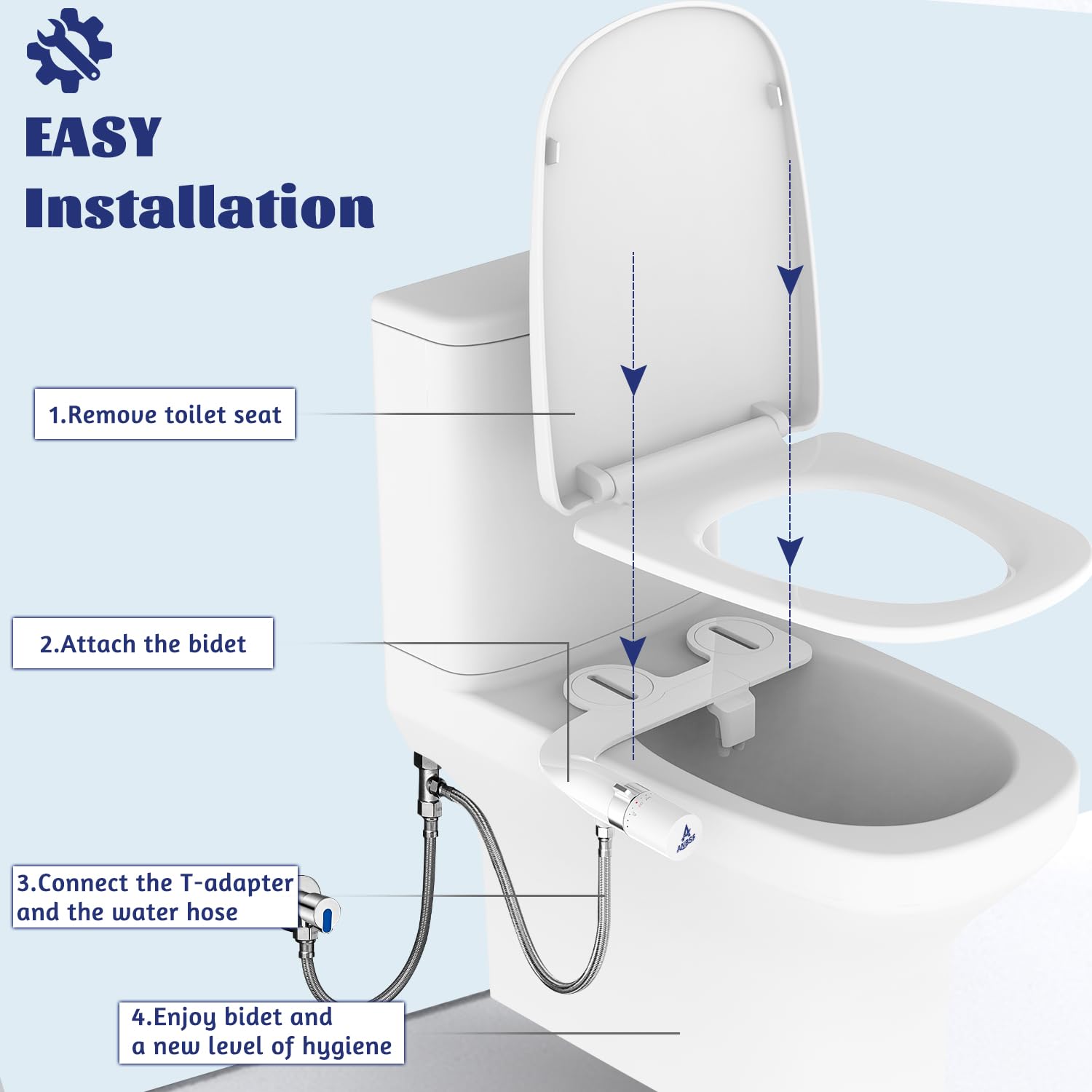
Bidet attachments install in under 30 minutes without electrical work. Electric seats require nearby power but offer full features including heated seats and dryers. Non-electric models provide basic cleansing at lower cost using ambient water temperature.
Frequently Asked Questions About Bidets for Women
Can you use a bidet after peeing?
Yes. Many women use a quick 1 to 2 second front spray after urination to stay fresh and reduce bacterial buildup. This practice particularly benefits those prone to UTIs or frequent urination.
Is it safe to wash the vulva with a bidet?
Yes, but only externally and at low pressure. The front nozzle is specifically designed for gentle vulvar rinsing. Never direct water into the vaginal opening.
Are bidets safer than toilet paper for women?
Yes. Bidets reduce friction and irritation, provide more thorough cleaning, and minimize hand contact with waste. Users report lower rates of irritation, infections, and hemorrhoids compared to toilet paper alone.
Does water enter the vagina during bidet use?
No, when used correctly. The spray targets external areas only. Standard bidets are not designed for internal use, and gynecologists do not recommend internal washing.
Key Takeaways for Women Using Bidets
Bidets represent a meaningful health upgrade for women by combining anatomy-aware design with effective water cleansing. The dual-nozzle system ensures separate streams for rear and front cleaning, protecting vaginal health while delivering thorough hygiene.
Remember these critical points: always use low to medium pressure for front cleansing, never spray toward or into the vaginal canal, and wait until postpartum recovery is complete before using front wash. Regular use reduces UTIs, eases menstrual discomfort, and eliminates the irritation caused by rough wiping.
With the right model and proper technique, you will enjoy better cleanliness, fewer infections, and significant savings on toilet paper. The adjustment period typically lasts just 3 days, after which most women cannot imagine returning to toilet paper alone.
Ready to experience the difference? Start with a basic bidet attachment to test the concept, then upgrade to an electric model with feminine wash features once you are ready for warm water and air drying capabilities.