If you’re looking for a clean, effective, and hygienic way to prepare for anal sex or simply improve personal cleanliness, learning how to douche using a bidet is a practical and accessible solution. Unlike traditional wiping, which often leaves residue, a bidet uses a stream of water to gently cleanse the anal area, reducing odor, discomfort, and risk of infection. Many modern bidets offer precise control over water temperature, pressure, and spray direction, making them ideal for safe, controlled douching.
This guide walks you through everything you need to know: from choosing the right type of bidet and preparing the correct solution, to step-by-step douching techniques and essential safety precautions. Whether you’re new to anal hygiene or refining your routine, this article gives you the tools to douche safely, effectively, and confidently.
Choose the Right Bidet Type

Not all bidets are equally suited for douching. Your choice affects control, comfort, and effectiveness.
Use a Handheld Bidet for Control
A handheld bidet (also called a douchette or shattaf) offers the most flexibility for internal rinsing. You can aim the nozzle precisely, adjust water pressure with your thumb, and gently guide it into the rectum. These devices attach to your toilet’s water supply and are common in many households worldwide. Look for one with a pause button and ergonomic grip.
Try a Bidet Seat for Daily Use
Bidet toilet seats provide automated cleaning with adjustable settings, ideal for external hygiene and light internal rinsing. However, their fixed nozzles may not penetrate deeply enough for thorough douching. Some high-end models allow forward nozzle positioning, improving access. This option works best for users who want convenience and gentle cleansing.
Avoid Standalone Bidets for Deep Rinsing
Standalone bidets (the bowl-like fixture next to the toilet) work well for splashing and manual cleaning but are less effective for internal douching. They require more space and aren’t common in modern bathrooms.
Skip Shower Enemas for Regular Use
Detachable showerheads can deliver strong water flow, but they lack precise temperature control and pressure regulation. The risk of scalding or overfilling the rectum is high. Only use this method in emergencies and always test water on your arm first.
Prepare Your Douching Solution

The liquid you use matters. Some solutions can irritate sensitive tissue or disrupt your body’s natural chemistry.
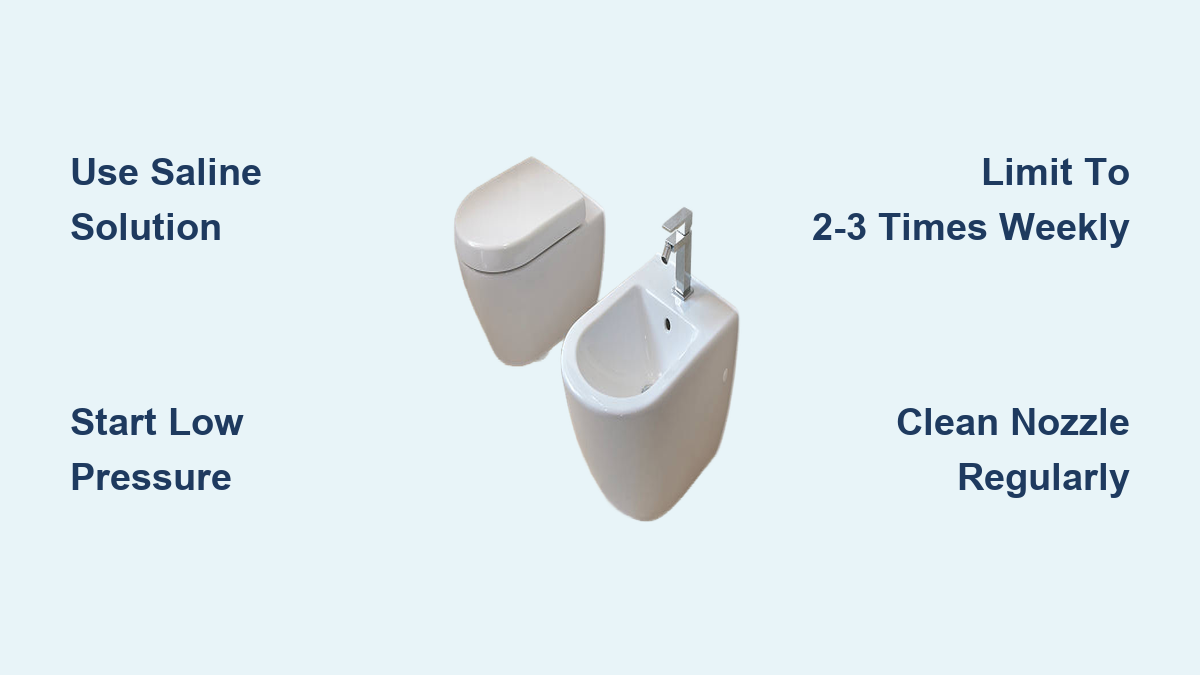
Use Saline Solution for Safety
Mix half a teaspoon of non-iodized salt into one cup (8 oz) of lukewarm distilled or boiled water. This saline solution matches your body’s natural electrolyte balance, minimizing irritation and reducing the risk of fluid absorption. It’s the safest option for regular douching.
Try Pre-Made Enemas for Convenience
Over-the-counter saline enemas (like Fleet) are sterile, pre-measured, and designed specifically for rectal use. They’re excellent for beginners or when traveling. Simply connect the nozzle to your handheld bidet or use as directed on the package.
Limit Tap Water Use
Plain tap water is acceptable occasionally, but repeated use may pull electrolytes from your bloodstream through the rectal lining. Stick to saline if douching more than once a week to avoid imbalance.
Avoid Soaps, Vinegar, and Oils
Never use soap, vinegar, alcohol, bleach, or oils like coconut or olive oil. These can strip protective mucus, cause inflammation, or trigger infections. Herbal douches not labeled for rectal use are equally risky.
Set Up a Safe Environment
Preparation prevents mess and ensures comfort during your douching routine.
Ensure Privacy and Access to Towels
Close the door, have clean towels or disposable wipes nearby, and place a non-slip mat on the floor, especially if standing or using the shower. You’ll need to dry off thoroughly after rinsing.
Check Water Supply and Temperature
Turn on the bidet and test the water on your inner wrist. It should feel warm but not hot. A temperature between 95 and 100°F (35 to 38°C) is ideal because internal tissues are far more sensitive than skin.
Position the Bidet for Easy Access
For handheld models, make sure the hose reaches comfortably while you’re seated or standing. Mount it within easy reach, or keep it in a holder clipped to the toilet so you don’t struggle during the process.
Adopt the Best Body Position
Your posture affects how well water enters and drains from the rectum.
Sit on the Toilet with Leaned Forward
Sit with knees apart and lean slightly forward. This opens the rectum gently and allows easy access. This position works well for bidet seats and light rinsing.
Elevate One Foot for Better Access
Place one foot on the toilet seat or edge of the tub. This position relaxes the sphincter muscles and improves nozzle alignment, ideal for internal douching with a handheld sprayer.
Kneel or Squat for Maximum Drainage
Kneeling or full squatting (in the shower) aligns the rectum for deeper rinsing and faster emptying. Gravity helps water flow out cleanly. Use this method when doing multiple rounds.
Start Douching Safely and Effectively
Follow these steps to clean thoroughly without causing injury.
Lubricate the Nozzle Tip
Apply a small amount of water-based lubricant to the tip of the bidet nozzle. This reduces friction and prevents microtears in delicate tissue.
Insert Gently, No More Than 1-2 Inches
With the water off, gently guide the nozzle into the anus just past the sphincter. Do not force it. Breathe out slowly to help relax the muscles. Depth beyond 2 inches increases the risk of trauma.
Release a Small Amount of Water
Turn on the spray and let 2 to 4 oz (60 to 120 ml) flow in slowly. Use low pressure. Holding too much water can cause cramping or leakage later.
Hold and Swish Gently
Keep the water inside for 5 to 10 seconds. Shift your hips slightly or jiggle your body to help loosen any residue. Don’t strain or push.
Release and Repeat Until Water Runs Clear
Move to a squatting or standing position over the toilet to let the water drain. Repeat the process 2 to 3 times. Stop when the expelled liquid is clear or only lightly tinged.
Pro Tip: Wait 30 to 60 seconds between rounds to let the rectum reset. Rushing increases discomfort and reduces effectiveness.
Dry and Clean Up Properly
Finishing strong prevents irritation and keeps things hygienic.
Pat Dry Thoroughly
Use soft toilet paper or a clean towel to gently pat the area dry. Moisture left behind can lead to chafing or bacterial growth.
Wash Hands and Equipment
Always wash your hands with soap after douching. Then clean the bidet nozzle with mild soap and water. For detachable parts, rinse and air-dry before storing.
Dispose of Wipes in the Trash
Avoid flushing wipes, even so-called flushable ones. They clog pipes and harm plumbing. Use biodegradable wipes if needed, and toss them in a lined bin.
Follow Safety Best Practices
Protect your health with smart habits that prevent injury and infection.
Go Slow and Use Low Pressure
High water pressure can damage rectal tissue or cause involuntary spasms. Always start low and increase only if needed. Handheld sprayers give you full control over pressure.
Limit Douching to 2-3 Times Weekly
Even with saline, frequent douching strips natural mucus and disrupts gut flora. Daily external rinsing is safe, but internal douching should be occasional to maintain tissue health.
Stop If You Feel Pain or Bleeding
Discontinue immediately if you experience burning, sharp pain, or blood. These may signal fissures, hemorrhoids, or irritation. See a doctor if symptoms persist.
Avoid Douching Before Anal Sex If Injured
Microtears from douching can increase STI transmission risk during anal intercourse. Wait until healed. If preparing for sex, douche no more than 1 hour beforehand and allow full drainage.
Don’t Use Laxatives as a Shortcut
Relying on laxatives to empty your bowels creates dependency and causes cramping. Focus on fiber, hydration, and timing instead. Go to the bathroom 1 to 2 hours before activity.
Know the Risks and Limitations
Bidets are safe when used correctly, but they aren’t designed for deep colon cleaning.
Bidets Aren’t Enema Bags
A bidet delivers a shallow rinse, typically just the lower rectum. It won’t clean the entire colon like an enema bag or medical prep. Don’t expect hospital-level results.
Risk of Electrolyte Imbalance
Using large volumes of plain water frequently can pull sodium and potassium from your body. Stick to small amounts of saline to stay safe.
Potential for Infection
If the nozzle isn’t cleaned or shared, bacteria can transfer. Never use the same nozzle for genital and anal cleaning unless it has a self-clean function.
Can Worsen Existing Conditions
If you have hemorrhoids, fissures, Crohn’s disease, or recent surgery, douching may aggravate symptoms. Consult your doctor before starting.
Maintain Your Bidet Regularly
A clean device means safer, more effective use every time.
Clean Nozzles Weekly
For bidet seats, run a nozzle self-clean cycle if available. Wipe the exterior with a mild disinfectant. Replace filters every 6 months if your model has them.
Flush Handheld Hoses
Run water through the hose occasionally to flush out mineral buildup, especially in hard water areas. Soak the nozzle in vinegar monthly to remove deposits.
Sterilize Reusable Tools
If using a bulb syringe or separate douching tip, boil it for 5 to 10 minutes or soak in a 1:10 bleach-water solution (rinse thoroughly afterward). Replace cracked or worn parts immediately.
Expert Tips for Better Results
Use these pro strategies to enhance comfort and effectiveness.
Start With External Cleaning
Get used to the sensation by rinsing only the outside first. Once comfortable, progress to gentle internal rinsing.
Use a Mirror If Needed
A small handheld mirror can help guide the nozzle accurately, especially when learning. Just ensure the area stays dry and clean.
Stay Hydrated and Eat Fiber
A healthy diet reduces the need for frequent douching. Drink plenty of water and eat fruits, vegetables, and whole grains to maintain regular bowel movements.
Wait Before Anal Sex
Allow 30 to 60 minutes after douching before intercourse. This gives time for any remaining water to drain and reduces the chance of leakage.
Combine With Gentle Wiping
After drying, a quick wipe with soft paper removes residual moisture and improves comfort. Avoid rough or scented wipes.
Frequently Asked Questions About Douche Using a Bidet
Is it safe to douche with a bidet?
Yes, if done gently with lukewarm saline, low pressure, and proper hygiene. Avoid deep insertion and overuse to prevent tissue damage and electrolyte issues.
Can I use my bidet for deep colon cleansing?
No. Bidets only clean the lower few inches of the rectum. For full colon prep, use medical-grade enemas under professional guidance.
Does bidet water go inside the rectum?
It can, especially if directed, but most sprays are designed for external use. Intentional internal rinsing requires careful technique and gentle pressure.
How do I know when I’m clean enough?
When the water you expel is clear or only slightly cloudy, you’ve removed most residue. This usually takes 2 to 3 rinses.
Can I douche every day?
External rinsing is safe daily for most people. Internal douching should be limited to 2 to 3 times per week to avoid irritation and mucus loss.
Are bidets more hygienic than toilet paper?
Yes. Water removes fecal particles more completely, reducing bacteria, odor, and skin irritation. It’s also better for the environment.
Key Takeaways for Douche Using a Bidet
Douching with a bidet is a safe, effective way to enhance anal hygiene when done correctly. Choose the right device for your needs, use saline solution instead of plain water, and always start with low pressure to protect delicate tissues. Remember to limit internal douching to 2-3 times per week, never force the nozzle, and stop immediately if you feel pain. With the right technique, you’ll enjoy greater comfort, confidence, and cleanliness every time. Listen to your body, maintain your equipment, and consult a doctor if you experience persistent discomfort or bleeding.