If you’re tired of the shock of cold water from a standard bidet, especially in winter, you are not alone. A warm water bidet delivers soothing, temperature-controlled spray for a more comfortable and hygienic clean, like a spa for your bathroom. The good news is getting warm water from your bidet is entirely possible, whether you are upgrading your current toilet or starting fresh. This guide breaks down every way to get warm water from a bidet, from plug-and-play electric seats to DIY plumbing hacks, so you can choose the best fit for your home, budget, and lifestyle.
You will learn how electric and non-electric systems work, what tools and connections you need, and which models deliver true comfort without wasting water or power. Whether you rent or own, live in a cold climate, or just want a gentler clean, this step-by-step resource helps you make an informed, hassle-free upgrade.
Choose Your Bidet Type Before Buying
Before chasing warm water, decide which bidet system works for your setup. Not all bidets can deliver warmth, and some require major plumbing changes.
Electric Bidet Seats with Built-in Heaters
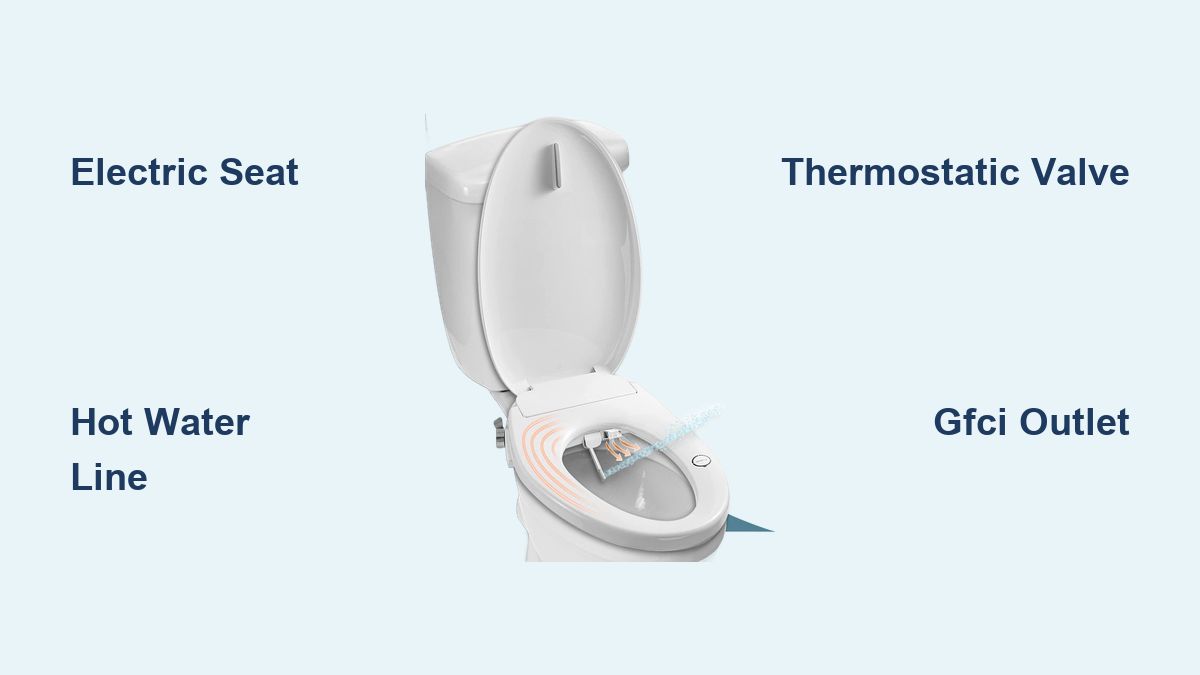
These replace your toilet seat and plug into a power outlet. They heat cold water internally using an electric element, so no hot water line is needed. Most high-end models include heated seats, adjustable spray, and warm air dryers.
Best for homeowners with access to a GFCI outlet near the toilet.
Non-Electric Bidets Connected to Hot Water Lines
These connect directly to your sink hot water supply and the toilet cold line. No electricity is required, just plumbing. A mixing valve blends the two for warm spray.
Best for DIYers with a nearby sink and willingness to route tubing through cabinets.
Add-On Bidet Attachments
These mount under your existing seat and are usually cold-only. But with a thermostatic valve and dual-line setup, some can deliver warm water.
Best for renters or those avoiding full seat replacement.
Install an Electric Bidet Seat for Warm Water

For most people, an electric bidet seat is the fastest, cleanest way to get warm water without touching your home plumbing.
Choose Between Tank and Tankless Heating
Tank models like the Brondell CL1500 heat and store water in a small reservoir. They deliver warm water instantly but only last 30 to 60 seconds before needing to reheat. These use 600 to 900 watts and are ideal for short sprays.
Tankless models like the Bio Bidet BB-550 and Discovery DLS heat water on demand as it flows. They provide unlimited warm water with only a slight 1 to 2 second delay when starting. These use 1200 to 1400 watts and are more efficient for longer use. They also have a slimmer design and longer lifespan of 7 to 10 plus years.
Pro tip: If you want non-stop warm water and do not mind a brief wait, go tankless.
Check Electrical Requirements
All electric bidets require a GFCI-protected 120V outlet within 3 to 4 feet of the toilet. They need a standard bathroom circuit of 15 to 20 amps and UL or ETL safety certification.
No outlet? You can run 12/2 NM cable from a nearby light switch box, install a new GFCI outlet in a junction box, or hire an electrician. Never use extension cords or power strips.
Warning: Never install an electric bidet without proper grounding. Water plus electricity equals danger without GFCI protection.
Installation Steps
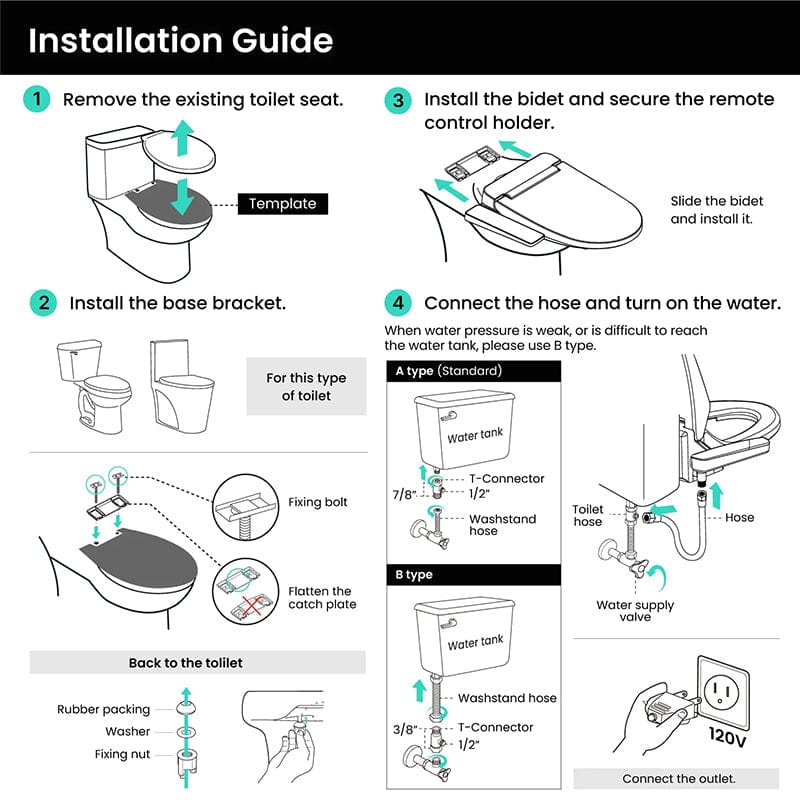
- Shut off water to the toilet and flush to empty the tank.
- Remove the old seat by unscrewing bolts under the rim.
- Attach the mounting plate using included hardware. Hand-tighten plus one-quarter turn with a wrench.
- Install the T-valve on the toilet water supply line. The bottom port goes to the original toilet hose, the middle port to the bidet cold water inlet.
- Slide the bidet onto the plate until it clicks.
- Plug into the GFCI outlet.
- Turn water back on slowly and check for leaks.
- Test spray and settings via remote or side panel.
This installation takes under 30 minutes. No plumbing or carpentry needed.
Set Up a Non-Electric Warm Water Bidet
Want warm water without electricity? This method taps into your sink hot water line, perfect for off-grid homes or energy savers.
Confirm You Have the Right Setup
You will need a sink within 6 to 10 feet of the toilet. You need access to both hot and cold shutoff valves. You must be able to drill through baseboards or cabinets for tubing. You must be willing to make minor plumbing changes.
Popular models include the Tushy Spa, Hibbent Kit, and Luxe Bidets, ranging from $70 to $150.
Connect to Hot and Cold Water Lines
- Shut off water to toilet and sink.
- Install a T-valve on the toilet fill valve. Reconnect the toilet hose to the lower port and attach the bidet cold inlet hose to the middle port.
- Install a second T-valve on the sink hot shutoff. Reconnect the sink hose to the top port and attach the bidet hot water tubing to the side port.
- Route flexible tubing from sink to toilet. Use a one-half inch spade bit to drill through cabinets. Feed braided metal or PEX tubing through and secure with cable clips.
- Mount the bidet seat and reconnect hoses.
- Turn valves back on and check every connection for leaks.
User tip: In winter, hot water can take 1 to 2 minutes to reach the toilet. Run hot water at the sink first to prime the line.
Prevent Toilet Tank Warming
A common issue is hot water backflow warming the toilet tank, causing condensation and humidity. Use a manual shutoff valve to close the hot line after each use. Alternatively, install a check valve to block reverse flow.
Upgrade Any Bidet with a Mixing Valve
Got a cold-only bidet? You can still get warm water with the right valve.
Use a Thermostatic Mixing Valve
This device blends hot and cold water to a safe, preset temperature of 95 to 105 degrees Fahrenheit. Install it under the sink or near the toilet.
How it works: Connects to both hot and cold supply lines, delivers consistent warm water to your bidet, and prevents scalding and temperature swings.
DIY hack: Install a thermostatic valve on a non-electric bidet to avoid manual adjustments.
Limitations include requiring access to both water lines, possibly needing professional help for routing, and adding $30 to $60 to total cost.
Compare Warm Water Delivery Methods

| Feature | Electric Tank | Electric Tankless | Non-Electric Hot Water Line |
|---|---|---|---|
| Warm Water Duration | 30 to 60 seconds | Unlimited | Unlimited after priming |
| Installation | Easy | Easy | Moderate |
| Power Required | Yes GFCI | Yes GFCI | No |
| Upfront Cost | $120 to $400 | $400 to $1,000 plus | $50 to $150 |
| Best For | Quick comfort upgrade | Long sprays luxury | Off-grid low energy |
| Lifespan | 5 to 7 years | 7 to 10 plus years | 10 plus years |
Avoid Common Installation Mistakes
Even simple setups can go wrong. Steer clear of these errors.
Overtightening Plastic Fittings
Hand-tight plus one-quarter turn with a wrench is enough. Overtightening cracks fittings and causes leaks.
Ignoring GFCI Safety
Never plug a bidet into a non-GFCI outlet. Test the outlet monthly with the Test and Reset buttons.
Forgetting to Prime Hot Lines
In non-electric systems, always run hot water at the sink first, especially in winter. Otherwise, you will get cold spray for the first minute.
Routing Tubing Without Clips
Unsecured tubing sags, kinks, or gets pinched. Use cable clips every 12 to 18 inches.
Skipping Descaling
Hard water clogs nozzles and heaters. Flush with white vinegar every 6 to 12 months.
Maintain Your Warm Water Bidet
Keep your system working smoothly with basic care.
Weekly
Wipe down the seat and control panel with a damp cloth. Use mild soap and avoid harsh cleaners.
Monthly
Run the nozzle self-clean cycle. Gently wipe exposed spray nozzles with a soft brush.
Every 6 to 12 Months
Replace water filters if equipped. Descale heater and lines with vinegar flush.
Pro tip: For tankless models, flush with manufacturer-approved cleaner to prevent coil damage.
Troubleshoot Warm Water Problems
Electric Bidet Not Heating
Check if it is plugged in. Reset the GFCI outlet. Ensure the warm water setting is turned on. Wait 1 to 2 minutes for tank models to reheat.
No Warm Water in Non-Electric System
Wait 1 to 2 minutes for hot water to arrive. Prime the line by running hot water at the sink. Check for kinks or disconnected tubing. Confirm both shutoff valves are fully open.
Pick the Right Model for Your Needs
Budget-Friendly Option
Luxe or Hibbent non-electric kit costs $70 to $150. No electricity needed. Great for renters or DIY beginners.
Best Value Electric
Brondell CL1500 costs about $120 at Costco. Heated seat and instant warm water. Reliable and easy to install.
Luxury Pick
Bio Bidet BB-550 or Discovery DLS costs $600 to $800. Tankless heating, remote control, warm air dryer, and memory presets for multiple users.
For Families
Choose any model with memory settings to save preferences for different users. Ideal for shared bathrooms.
Final Tips Before You Buy
Test your outlet. Make sure a GFCI is within reach. If not, factor in electrician costs of $100 to $200.
Measure distance. The sink must be close for non-electric setups.
Check certifications. Only buy UL or ETL-listed units.
Shop smart. Use BidetKing.com or ManyBidets.com for expert advice and better filters than Amazon.
Start basic. You can always upgrade later.
Frequently Asked Questions About Warm Water Bidets
Does a warm water bidet require electricity?
Yes, if you choose an electric bidet seat with internal heating. Tank and tankless models both require a GFCI-protected 120V outlet. Non-electric models that connect to your sink hot water line require no electricity.
How long does it take to install an electric bidet seat?
Most electric bidet seats install in 20 to 30 minutes. The process involves removing the old seat, attaching a mounting plate, installing a T-valve, sliding on the bidet, and plugging it in. No plumbing or carpentry experience is needed.
Can I use a bidet with warm water if I rent my apartment?
Yes, if you install a non-electric bidet that connects to your sink hot water line. This option does not require electrical changes and is removable when you move. Alternatively, ask your landlord about adding a GFCI outlet for an electric model.
Why is my warm water bidet not heating?
First, check that it is plugged in and the GFCI outlet has not tripped. Verify the warm water setting is enabled on the control panel. For tank models, wait 1 to 2 minutes for the heater to recharge after a long spray.
How far can I run hot water tubing for a non-electric bidet?
The sink should be within 6 to 10 feet of the toilet. Longer runs cause delays of 1 to 2 minutes for hot water to arrive and waste water while waiting. Insulate exposed pipes to reduce heat loss.
Do warm water bidets work during a power outage?
No. Electric bidet seats will not function during a power outage because they rely on internal heating elements. Non-electric models connected to your home water heater will still work, but you need hot water from your water heater.
Key Takeaways for Getting Warm Water Bidet
A warm water bidet is not just a luxury. It is a practical hygiene upgrade that pays off in comfort, health, and sustainability. Whether you choose an electric seat with unlimited warmth or a simple non-electric setup, the result is a cleaner, gentler, and more eco-friendly experience than toilet paper alone.
Electric tankless bidets offer the best balance of comfort and convenience with unlimited warm water, precise temperature control, and advanced features like heated seats and warm air dryers. Non-electric models provide a lower-cost alternative that works without power, though they require more plumbing effort and may have delays in hot water delivery.
With the right model and proper installation, you will wonder how you ever lived without it. Start by assessing your bathroom setup, check for GFCI outlet access or nearby sink connections, and choose a model that fits your budget and lifestyle.