If you’ve just installed a bidet hose or encountered one in a bathroom, you might feel uncertain about how to use it. A bidet hose (also called a toilet sprayer, shattaf, or bum gun) is a simple handheld tool that uses water for superior personal hygiene after using the toilet. Unlike electronic bidets, it requires no electricity and gives you full manual control over water direction and pressure.
This guide walks you through every step of using a bidet hose correctly, including gender-specific techniques, maintenance tips, and common mistakes to avoid. By the end, you’ll feel confident using this hygienic, eco-friendly tool as part of your daily routine.
Prepare After Toilet Use
Before reaching for the sprayer, complete your bathroom business and perform a quick courtesy wipe with 1 to 2 squares of toilet paper. This removes bulk waste and helps prevent clogging the spray stream or contaminating the nozzle.
Stay seated on the toilet. The bidet hose is designed for use while seated, so there is no need to stand. Position yourself comfortably with knees slightly apart to allow better access and control during cleaning.
This initial wipe is not about full cleanliness. It simply preps the surface so water can do the real cleaning more effectively.
Turn On the Water Supply

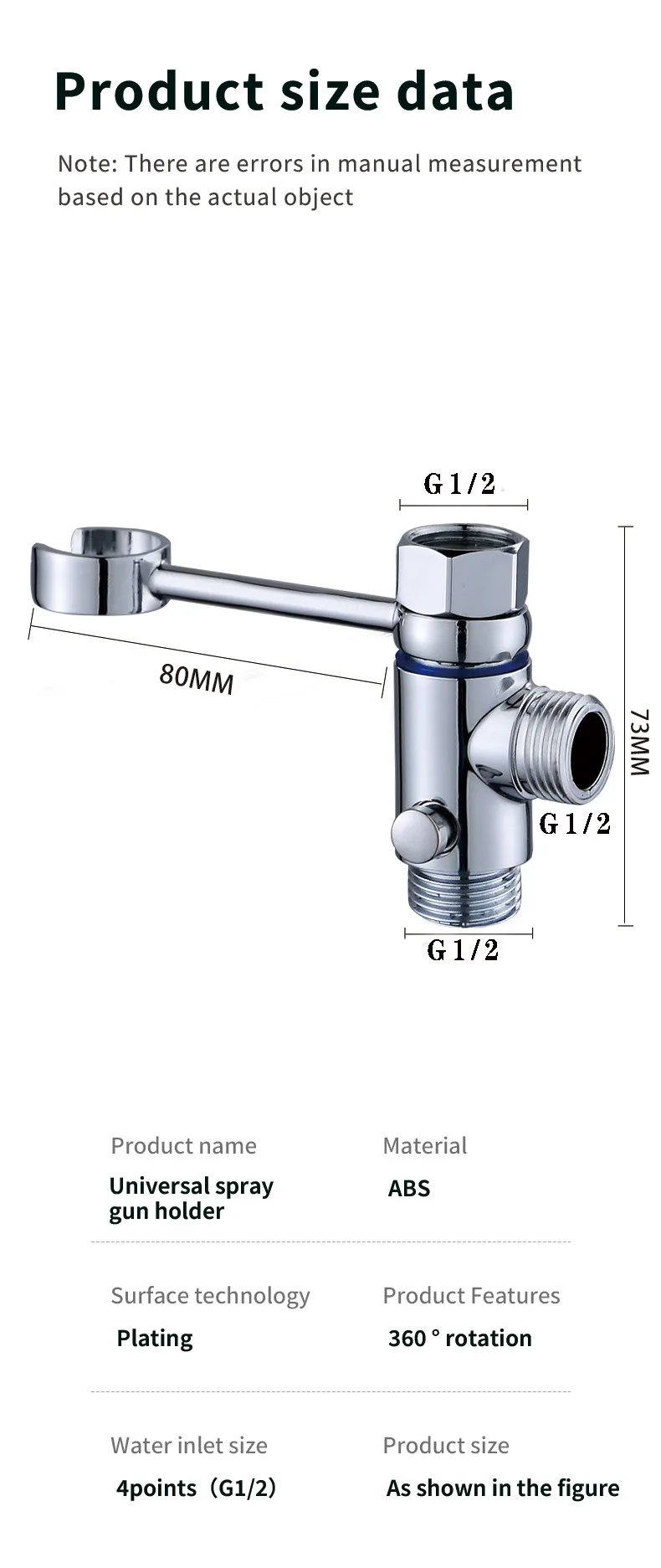
Locate the T-Valve behind or beside the toilet base. This small plumbing fixture splits the toilet’s water supply to feed both the tank and the bidet hose. Turn the valve’s lever or knob fully open to pressurize the hose.
Water will not flow until you activate the sprayer trigger. Opening the T-Valve simply enables the system. Leaving the valve closed when not in use prevents constant pressure on the hose, which reduces wear and the risk of leaks.
Always turn on the T-Valve only when you are ready to spray. If the valve feels stiff or drips, it may need lubrication or replacement.
Remove and Position the Nozzle
Grab the sprayer head from its mounting bracket, which is usually mounted on the wall to the right of the toilet. Hold it in your dominant hand.
Before aiming at your body, test the spray into the toilet bowl. Press the trigger gently to check water pressure, direction, and cleanliness. This simple step prevents surprises and ensures a smooth experience.
Hold the nozzle 1 to 2 inches away from your body. For anal cleaning, aim upward from between the buttocks toward the anus. For genital hygiene, aim forward between the legs.
Never insert the nozzle into the rectum or vagina. External washing is sufficient and safe.
Start Spraying with Low Pressure
Begin with light pressure. Most bidet hoses deliver a strong stream even with minimal trigger input. High pressure can cause discomfort, splashing, or irritation.
Gently press the trigger or rotate the dial to release water. Gradually increase pressure as needed. Think of it like adjusting a garden hose. Start low, then fine-tune.
The goal is a focused, gentle stream that cleans without force. Testing in the bowl first helps you find the sweet spot before directing the spray to your intended area.
Cleanse Front to Back (Women)

For women, always spray from front to back when cleaning after bowel movements. This minimizes the risk of transferring fecal bacteria to the urethra or vaginal area, which helps prevent urinary tract infections and bacterial vaginitis.
After wiping, use your free hand to part the labia and gently rinse the vulvar area. This approach is especially beneficial during menstruation, after urination for enhanced freshness, and postpartum or after surgery when tissue is sensitive.
You can perform a separate front wash after anal cleansing if desired. Simply reposition the nozzle and use a clean section of toilet paper or a reusable towel afterward.
Cold water is typical but effective. If cold feels uncomfortable, consider models that can be plumbed into a warm water line, though this is rare in standard setups.
Use Rear Approach (Men)
Men should use a rear-only approach for anal cleansing. Aim the stream upward from between the buttocks, keeping the nozzle 1 to 2 inches away.
Avoid spraying through the genital area from front to back. This can splash contaminated water onto the penis or scrotum. The scrotum naturally deflects water downward into the bowl when you are seated properly.
There is no need for a front wash unless specifically needed, such as after urination with residue. In those cases, clean separately with a fresh wipe or dedicated rinse.
Using low to moderate pressure prevents irritation and splashback.
Use Hands to Assist Safely
It is common and often necessary to use your free hand to spread the buttocks for better access, guide the water stream, or part labia for thorough cleaning.
While this involves contact with the area, it is part of effective hygiene. The key is to wash your hands thoroughly afterward.
To reduce hand contact, choose a model with an angled or swivel nozzle, opt for a longer hose (36 to 40 inches), or use ergonomic sprayers designed for easier positioning.
Some users report a slight learning curve, but technique improves quickly with practice.
Stop, Drain, and Return the Sprayer
Once cleaning is complete, release the trigger or close the dial to stop water flow. Then shake the nozzle gently over the toilet bowl to drain residual water.
Return the sprayer head to the mounting bracket. Leaving the nozzle in the bowl or on the floor creates hygiene and safety risks.
Draining the tip helps prevent dripping and keeps the handle dry, which reduces bacterial growth over time.
Turn Off the T-Valve
This is a critical step often missed. Close the T-Valve manually after every use.
Why does this matter? It prevents constant pressurization of the hose, reduces the risk of leaks or bursts, and extends the lifespan of the hose and connections.
Even high-quality hoses can degrade under constant pressure. Turning off the valve is like unplugging an appliance. It is simple but essential for longevity.
Make it a habit. Spray, drain, return, then shut off.
Dry Off with Minimal Paper
Pat the area dry using 1 to 2 sheets of toilet paper, a dedicated microfiber or cotton towel washed regularly, or simply air dry if time allows.
Avoid rubbing, especially if you have hemorrhoids, fissures, or sensitive skin. Gentle patting preserves comfort and prevents irritation.
Reusable bidet towels are eco-friendly and cost-effective. Just keep them separate from bath towels and wash them frequently.
Wash Your Hands Thoroughly
Even if your hands did not touch soiled areas, they held the sprayer handle, which may have been exposed to splash or residue.
Wash with soap and water for at least 20 seconds. This completes the hygiene cycle and prevents cross-contamination.
It is the final non-negotiable step, just like washing hands after handling trash or pets.
Avoid Common Mistakes
Using high pressure is a common mistake. Many users instinctively squeeze the trigger too hard. Start low. Excessive pressure can cause anal discomfort, splash outside the bowl, or nozzle vibration.
Forgetting to turn off the valve risks leaks and hose fatigue. Always shut it off manually after every use.
Touching the nozzle to soiled areas contaminates the sprayer tip. Clean it weekly and never let it touch stool directly.
Men should avoid spraying front to back through genitals. This increases splash risk and contamination.
Not drying properly leaves moisture on skin that can cause irritation or ching. Always dry gently but completely.
Clean and Maintain the System
Weekly, wipe down components using a damp cloth with mild soap or diluted vinegar. Clean the nozzle tip, hose surface, mounting bracket, and sprayer handle. Avoid bleach or abrasive cleaners that can damage seals and finishes.
Monthly, flush the system by running water through the hose for 10 to 15 seconds to clear sediment. Soak the nozzle in white vinegar if clogged with limescale.
Check O-rings and washers for wear, examine the hose for kinks, cracks, or bulges, and verify connections for leaks or looseness. Replace parts if needed. Most systems last 5 to 10 years with proper care.
Troubleshoot Key Issues
Low water pressure often results from a partially closed T-Valve, kinked hose, or clogged nozzle. Check these three items first. Open the valve fully, straighten any kinks, and soak the nozzle in vinegar to remove mineral buildup.
Leaking at the connection usually means the fitting is loose or the O-ring is worn. Tighten the fitting first. If leaking persists, replace the O-ring or washer.
Excessive splashing typically stems from high pressure or incorrect angle. Reduce pressure, aim vertically rather than horizontally, keep 1 to 2 inches of distance, and position the nozzle slightly below the target area.
Persistent dripping after shaking the nozzle may indicate a faulty internal seal that needs replacement.
Use for Special Needs and Health Conditions
For hemorrhoids or anal fissures, water cleansing eliminates friction from dry wiping, which reduces pain and promotes healing. Use low pressure and pat dry gently.
After postpartum recovery or surgery, bidet hoses soothe sensitive tissue and support independence. They are ideal after childbirth, prostate surgery, or colorectal procedures.
For arthritis or limited mobility, these sprayers are easier than twisting to wipe. Lightweight models with non-slip grips help users maintain hygiene without strain.
For IBS or chronic diarrhea, bidets provide more thorough cleaning when wiping is not enough, reducing skin irritation and odor.
Follow Cultural and Religious Practices
In Islamic tradition, water cleansing (istinja) is a religious requirement for purity before prayer. The bidet hose (shattaf) is standard in Muslim-majority countries.
Key practices include using the left hand for cleaning and reserving the right hand for eating and social interaction. Water alone is sufficient. No soap is required unless specified.
In Southeast Asia, bidet sprayers (bum guns) are ubiquitous. Cold water is normal, and water is the primary cleanser rather than toilet paper.
In the United States and Canada, adoption is rising due to eco-awareness and health benefits. Guests may need guidance, so posting a simple instruction card helps.
Maximize Environmental and Cost Savings
Bidet users reduce toilet paper use by 75 to 100 percent. The average person uses 100 rolls per year, and a bidet hose cuts that dramatically.
Initial costs range from $20 to $70, with most under $50. The payback period is 6 to 12 months via toilet paper savings. Long-term savings amount to hundreds of dollars over a decade.
Producing one roll of toilet paper uses up to 37 gallons of water. Bidet use per session uses only about 0.125 gallons. This reduces deforestation, landfill waste, and fatberg clogs from wipes.
Best of all, bidet hoses use zero electricity.
Explore Multi-Purpose Uses
Your bidet hose is not just for personal hygiene. In the bathroom, it can rinse the toilet bowl, floor, or baseboards, and clean grout or shower corners.
In the kitchen, wash fruits, vegetables, or garden tools, or rinse sinks and window boxes.
For pet and child care, bathe small pets or clean litter areas, and assist with diaper changes or potty training.
Use a dedicated sprayer for non-hygiene tasks to avoid cross-contamination. Label it clearly if used for multiple purposes.
Compare Bidet Hose to Other Types
Bidet hoses cost $20 to $70, use cold water only, require no electricity, and take minimal space. Installation is a simple DIY project taking 15 to 30 minutes.
Electronic bidet seats cost $200 to $600, offer heated water, require an outlet, and include built-in dryers. However, they have more components that can fail.
Bidet attachments cost $50 to $150 and clip onto existing toilets but offer less control than handheld hoses.
The bidet hose wins on simplicity, cost, and reliability. There are no electronics to fail and no complex plumbing required.
Frequently Asked Questions About Bidet Hoses
Do you use toilet paper before or after a bidet?
Use toilet paper first to remove bulk waste. This prevents clogging the spray and improves cleaning efficiency. After spraying, use a small amount of paper or a towel to pat dry.
Is a bidet hose sanitary?
Yes. Bidet hoses are sanitary when used correctly. Always turn off the T-Valve after use, shake the nozzle to drain water, and wash your hands thoroughly afterward. Regular cleaning of the nozzle and hose maintains hygiene.
Can women use a bidet hose safely?
Women can use bidet hoses safely and effectively. For genital hygiene, always spray from front to back to prevent bacteria transfer that can cause UTIs. The bidet is especially helpful during menstruation and postpartum recovery.
Do you need warm water for a bidet hose?
Most standard bidet hoses connect to cold water only. Warm water is possible if plumbed into a hot water line, but this is rare in standard installations. Cold water is effective and comfortable for most users.
How much toilet paper can a bidet hose save?
Bidet hoses can reduce toilet paper use by 75 to 100 percent. Most users need only 1 to 2 sheets to pat dry, compared to the dozens of sheets typically used without a bidet.
How long do bidet hoses last?
With proper maintenance, bidet hoses last 5 to 10 years. Regular cleaning, timely part replacement, and turning off the T-Valve after each use extend the system’s lifespan.
Key Takeaways for Using a Bidet Hose
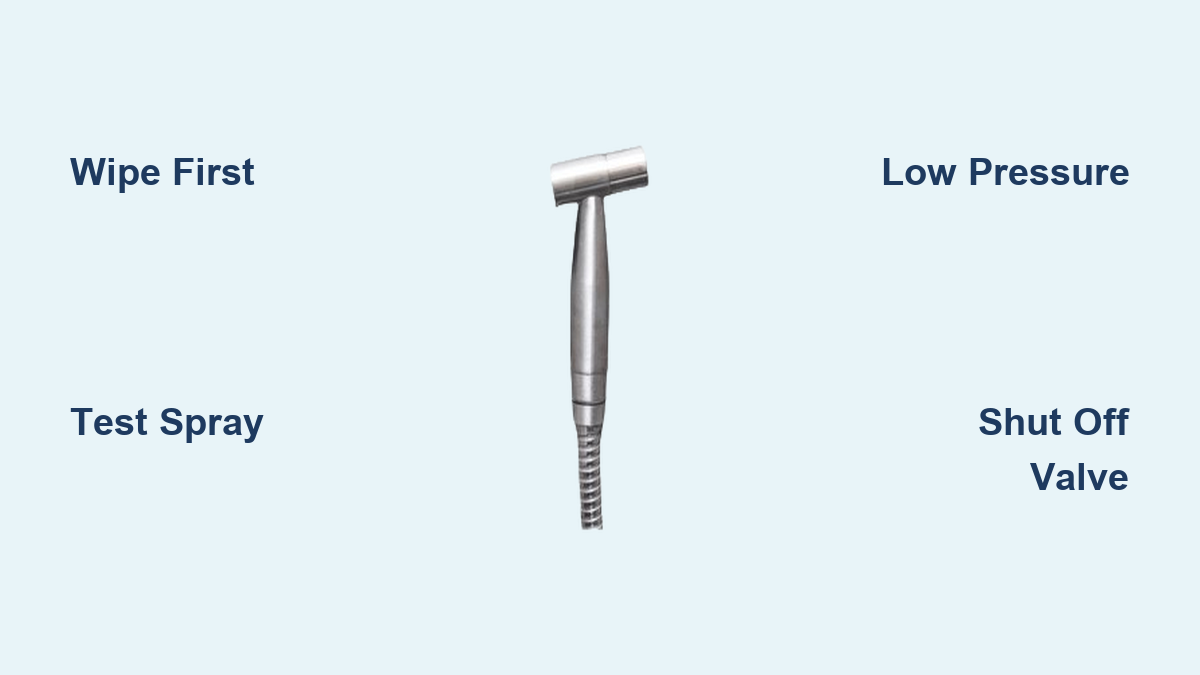
Mastering how to use a bidet hose transforms your bathroom routine into something more hygienic, eco-friendly, and cost-effective. The process is straightforward: wipe first, turn on the T-Valve, test the spray in the bowl, cleanse with low pressure while seated, shake and return the nozzle, shut off the valve, pat dry, and wash your hands.
Remember that proper technique matters. Women should always spray front to back, men should use a rear approach, and everyone should start with low pressure to avoid splashing. Turning off the T-Valve after every use is the single most important maintenance step for preventing leaks and extending the hose life.
Whether you are motivated by sustainability, health benefits, or cultural practice, the bidet hose is one of the most practical upgrades to modern personal care. With a little practice, it becomes quick, intuitive, and refreshing.