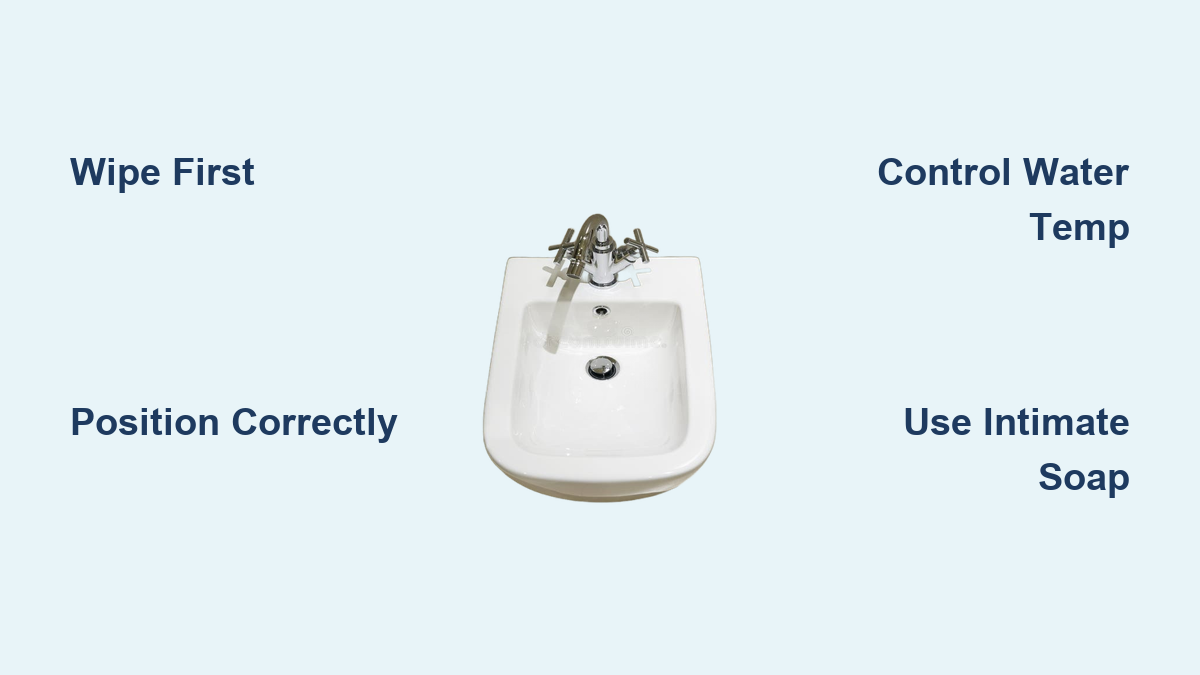
If you’ve stepped into an Italian bathroom and spotted a small porcelain bowl sitting next to the toilet, you might have wondered what on earth it’s for. The Italian bidet has been a standard fixture in Italy since 1975, when the law made it mandatory in all new homes and hotels. Yet for visitors from countries where bidets are rare, this mysterious basin often sparks confusion or embarrassment.
The Italian bidet is designed specifically for intimate hygiene using water, not as a foot tub, decorative piece, or urinal. It’s a hygiene essential that millions of Italians use daily for freshness and cleanliness. Once you understand the proper technique, using an Italian bidet becomes simple and highly effective.
This guide walks you through the complete process: from positioning your body correctly to controlling water temperature, washing with the right soap, and drying properly. You’ll also learn common mistakes to avoid and why this practice offers superior hygiene compared to toilet paper alone.
Step 1: Use the Toilet and Wipe First
Before approaching the bidet, always use the toilet first and perform a light wipe with toilet paper. This removes bulk waste and prepares the area for effective water cleaning. The bidet is designed for rinsing, not for flushing away solid matter.
Skipping this initial wipe reduces hygiene effectiveness and can leave residue that water alone won’t fully remove. Italians consider the wipe-wash sequence standard practice. Think of it like washing your hands: you wouldn’t skip wiping off excess dirt before rinsing under water.
Key points to remember:
• Use just enough paper to remove solids
• Over-wiping can cause irritation, especially with sensitive skin
• This step makes the subsequent water wash more effective
Step 2: Position Your Body Correctly

Sit Facing the Faucet for Front Cleaning
For genital hygiene, especially after urination or during menstruation, sit on the bidet facing the faucet, like sitting on a small chair. This position allows water to flow from front to back, which helps prevent bacteria from entering the urethra and reduces urinary tract infection risk.
Lean slightly forward and use your hands to guide water over the area. Most traditional Italian bidets have a fixed downward spout, so you’re using the flowing water in combination with manual washing rather than relying on a jet spray.
Sit with Back to Faucet for Anal Cleaning
After defecation, turn around and sit with your back to the faucet, mimicking your toilet position. Lean forward into a light squat to expose the anal region. Adjust your position forward, backward, or side to side to bring the target area into contact with the water.
Use one hand to gently spread the buttocks for better access. Because the spout directs water downward, body positioning is essential. You should feel the water running over the area, not shooting up at it.
Clothing tip: Keep pants and underwear around your ankles during use for ease and hygiene.
Step 3: Control Water Temperature and Flow
Turn the faucet slowly. Many Italian bidets have strong water pressure, and sudden bursts can cause splashing or discomfort. Use the handle to mix hot and cold water until you achieve a comfortably lukewarm temperature.
How to operate most Italian bidet faucets:
• Turn left for hot water
• Turn right for cold water
• Lift or twist to activate flow
Avoid extremes. Scalding water can burn sensitive skin, and icy water can be shocking. One traveler reported three days of discomfort after accidentally turning the tap fully to hot.
Difficulty level: Medium. It takes a few tries to master the temperature balance, especially in older fixtures with inconsistent controls.
Step 4: Wash with Hands and Intimate Soap
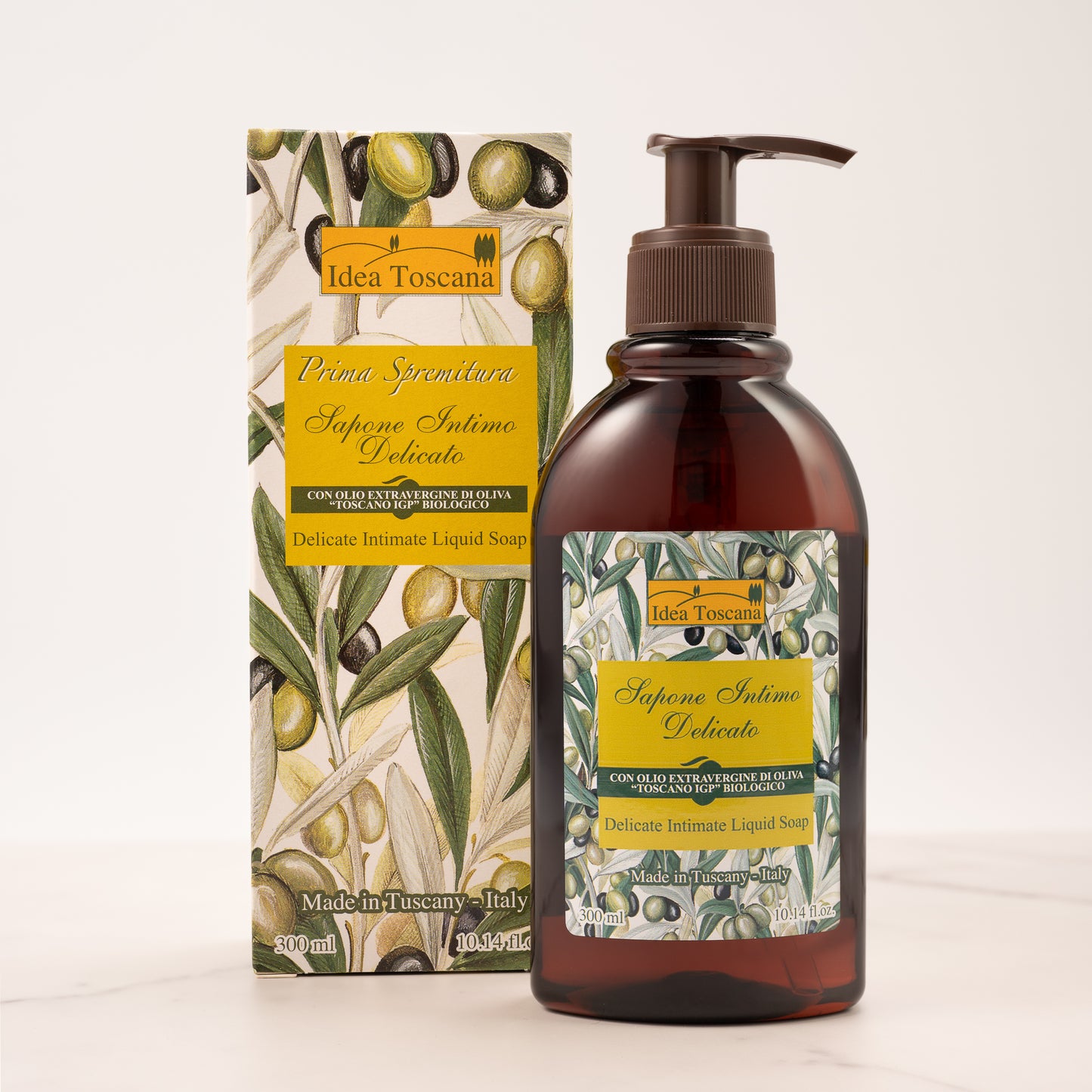
Many Italians enhance bidet use with manual washing using sapone intimo, a pH-balanced intimate cleanser formulated for delicate skin. These soaps help maintain natural acidity and prevent irritation.
Soap pH recommendations:
• Women’s soap: pH around 3.5
• Men’s soap: pH around 5.5
• Children’s soap: pH around 4.5
Apply a small amount to your hand or directly to the area, gently lather, then rinse thoroughly under running water. Never use regular body wash, bar soap, or shower gel, as they’re too alkaline and can disrupt your skin’s natural microbiome, leading to dryness or infections.
Hotels and private homes in Italy often provide sapone intimo in liquid dispensers near the sink or bidet.
Step 5: Rinse and Dry Properly
After washing, continue rinsing under clean water for several seconds to flush away all soap, bacteria, and debris. Leaving soap residue can cause irritation.
Drying options depend on the setting:
• Toilet paper: Most common in hotels and public restrooms, perfectly acceptable
• Personal bidet towel: In private homes or B&Bs, look for a small towel on a hook labeled for intimate drying
• Air drying: Some users sit briefly to let excess water drip off before using paper
• Hand towel from the sink: Never use this, it’s considered unhygienic and culturally inappropriate
When in doubt, use toilet paper. It’s safe, clean, and expected.
Dispose of used paper in the toilet if plumbing allows, or in the bin if signs indicate older systems. Many older Italian bathrooms cannot handle flushed paper.
Common Mistakes to Avoid
Misunderstanding the Bidet’s Function
Many first-time users assume the bidet squirts water upward like a sprayer. It doesn’t. The spout directs water downward into the basin. You must move your body to meet the water, not expect the water to come to you.
Fix: Sit low, lean forward, and use your hands to wash like using a personal sink.
Using the Bidet Like a Sink
Despite its shape, the bidet is not for brushing teeth, washing hands, or rinsing dishes. It’s strictly for intimate hygiene. Using it for other purposes is considered unhygienic and disrespectful in Italian culture.
Skipping the Initial Wipe
Some believe the bidet replaces toilet paper entirely. It doesn’t. The wipe-wash-dry sequence is standard in Italy. Wiping first makes the wash more effective and hygienic.
Flushing Waste Down the Bidet
The bidet is not connected to the sewer system like the toilet. Never try to flush solid waste or large amounts of toilet paper down it. Always use the toilet for waste disposal.
Health and Hygiene Benefits
Superior Cleanliness Over Toilet Paper
Water removes residual waste more effectively than dry wiping. Studies show water-based cleaning reduces bacterial load significantly compared to paper alone.
Reduced Irritation and Infection Risk
• Hemorrhoids: Gentle rinsing soothes inflamed tissue
• Sensitive skin: Avoids abrasive wiping
• UTIs in women: Front-to-back rinsing lowers infection risk
• Menstrual hygiene: Provides gentle, thorough cleaning during periods
Eco-Friendly and Cost-Saving
• Less toilet paper used means less waste and lower costs
• Bidets use minimal water, far less than a full shower
Many users report that after adopting bidet use, returning to toilet paper alone feels unsanitary.
Bidet Etiquette in Italy
It’s Expected, Not Optional
In Italy, using the bidet is standard hygiene. Not using it may be seen as careless or unclean. Most Italians use it daily, especially for freshening between showers.
Respect Personal Space and Towels
• Never use a personal towel unless it’s clearly offered for guest use
• In shared bathrooms, rinse the basin after use as a courtesy
• Avoid loud splashing or leaving water pooled on the floor
Privacy Matters
Bidet use is private. Don’t discuss it openly unless necessary. It’s a normal routine act like brushing your teeth.
Alternative Uses With Caution
Washing Feet
After long walks on cobblestones, many Italians wash their feet in the bidet. Sit on the closed toilet lid, place feet in the basin, and scrub with soap. Clean the bidet thoroughly afterward if you plan to use it for personal hygiene.
Handwashing Small Clothes
Travelers often wash underwear, socks, or swimwear in the bidet. The steady water flow and access to soap make it ideal for quick laundering. Never dry clothes over the bidet, as this is unsanitary.
Quick Freshening Without a Shower
Some use the bidet for a quick clean of armpits, intimate areas, and private parts when a full shower isn’t possible. It’s fast, water-efficient, and effective, though expect some splashing.
Shaving Legs
The bidet works well for shaving legs when no tub is available. Sit on the edge, use soap, and rinse with the steady water flow.
Types of Bidets Around the World
Standalone Italian Bidet
This is the fixed porcelain fixture installed beside the toilet. It requires floor space but offers full control over water temperature and pressure. You’ll find it in nearly all Italian homes and hotels.
Handheld Bidet (Bum Gun)
This wall-mounted sprayer with a hose is common in the Middle East, South Asia, and France. It offers more precise control than fixed spouts and is gaining popularity in Italy for accessibility.
Integrated Bidet-Toilet (Washlet)
This combines toilet and bidet functions with features like heated seat, air dryer, and adjustable spray. Standard in Japan, these are expensive but growing in Western markets.
Portable Travel Bidet
This squeeze bottle with a nozzle is ideal for travelers visiting countries without bidets. It allows water-based cleaning on the go.
Global Bidet Usage Trends
| Country/Region | Bidet Prevalence | Notes |
|---|---|---|
| Italy | Nearly universal | Legally required in new construction |
| Portugal | Very common | Lifelong use, high cultural value |
| Spain | Widespread | Standard in homes and hotels |
| France | Declining | Replaced by handheld sprayers |
| UK | Low but rising | Driven by hygiene and eco trends |
| Japan | Standard | High-tech washlets with dryers |
| Middle East | Common | Sprayers standard in toilets |
| USA | Rare but growing | Bidet adoption increasing |
In bidet countries, water is seen as cleaner and more civilized. In non-bidet countries, toilet paper dominates, but attitudes are shifting.
Maintenance Tips
Clean the Basin Regularly
Use mild disinfectant or bathroom cleaner weekly. Rinse after each use to prevent buildup.
Wipe the Rim in Shared Bathrooms
If you see splashes or moisture, wipe the seat or rim with toilet paper before leaving.
Never Leave Soap Scum or Waste
The bidet is not a trash bin. Keep it clean for the next user.
Deep Clean After Alternative Uses
If you washed clothes or feet, scrub the basin thoroughly with soap and hot water before using for personal hygiene.
Tips for First-Time Users
Practice Balance and Positioning
The bidet is lower than a toilet. Sit carefully, especially if the floor is wet. Use the wall or sink for support if needed.
Test Water Slowly
Turn the tap gently. Many bidets have high pressure and unpredictable temperature shifts.
Use Sapone Intimo Wisely
Only use intimate-specific soap. Regular soap can cause irritation.
Don’t Flush Paper in All Bidets
In older Italian homes, plumbing can’t handle flushed toilet paper. When in doubt, use the bin.
Wear Non-Slip Slippers at Night
Wet bathroom floors are slippery. Keep rubber slippers nearby.
Final Recap: The 7-Step Routine
- Use the toilet and wipe lightly with paper
- Approach the bidet and position your body
• Face faucet for front cleaning
• Back to faucet for anal cleaning - Turn on water slowly, mix to lukewarm
- Adjust posture to meet water flow
- Wash with hands, use sapone intimo if available
- Rinse thoroughly under running water
- Dry with toilet paper or personal towel
Frequently Asked Questions About Italian Bidets
Do Italians actually use the bidet every day?
Yes, most Italians use the bidet daily as part of their standard hygiene routine. It’s considered essential, not optional. Many use it especially after defecation, after urination, before intimate encounters, or when a full shower isn’t practical.
What’s the correct position for using an Italian bidet?
For genital cleaning, sit facing the faucet. For anal cleaning, sit with your back to the faucet. Because most Italian bidets have fixed downward spouts, you must position your body to meet the water flow rather than expecting water to spray upward.
Can I use regular soap on an Italian bidet?
No, you should use sapone intimo, a pH-balanced intimate cleanser. Regular body wash or bar soap is too alkaline and can disrupt your skin’s natural pH, leading to irritation or infections. Different formulations exist for men, women, and children.
What do I use to dry after using the bidet?
In hotels and public restrooms, toilet paper is perfectly acceptable. In private homes or B&Bs, look for a small dedicated towel on a hook near the bidet. Never use the hand towel from the sink, as this is considered unhygienic.
Is the bidet connected to the toilet’s plumbing?
No, the bidet is a separate fixture with its own hot and cold water supply. It’s not connected to the sewer system like the toilet. Never flush solid waste or toilet paper down the bidet.
Why do some Italian bathrooms not have a separate bidet?
In some older buildings or renovations, bidets have been removed to save space for washing machines or larger showers. However, since 1975, Italian law has required bidets in all new construction, so they’re still present in most homes and hotels.
Key Takeaways for Using an Italian Bidet
The Italian bidet is more than a curious bathroom fixture. It’s a hygiene essential that offers superior cleanliness compared to toilet paper alone. Once you master the simple wipe-wash-dry routine, you’ll understand why millions of Italians rely on it daily.
Remember the essential steps: wipe first, position your body correctly based on the cleaning needed, use lukewarm water with a gentle approach, wash with pH-balanced intimate soap, and dry properly with toilet paper or a dedicated towel. Avoid common mistakes like skipping the initial wipe, using regular soap, or treating the bidet like a general-purpose sink.
Whether you’re traveling in Italy or considering adding a bidet to your own bathroom, this practice offers significant health benefits, reduces toilet paper waste, and provides a refreshing clean that many users swear by. The next time you encounter an Italian bidet, don’t hesitate. Wipe, wash, dry, and join the millions who’ve discovered the cleanest way to stay fresh.