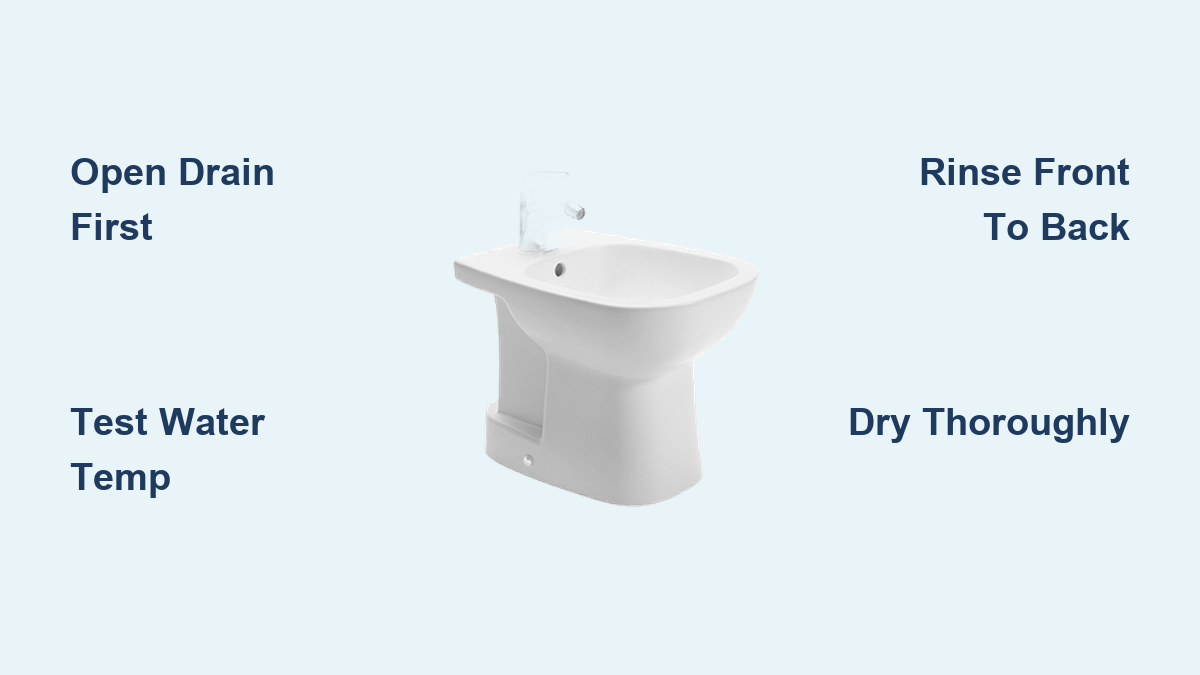
If you’ve just installed a floor standing bidet or encountered one while traveling, you might be unsure how to use it properly. Unlike modern bidet seats or handheld sprayers, a floor standing bidet is a separate plumbing fixture—a low basin designed specifically for personal hygiene after using the toilet. While common in Europe, Japan, and parts of South America, it remains unfamiliar to many in North America.
Using a floor standing bidet correctly ensures maximum cleanliness, comfort, and safety. This guide walks you through every step—from positioning and water control to drying and hygiene best practices. Whether you’re upgrading your bathroom or adapting to international customs, you’ll learn how to use this fixture efficiently, avoid common mistakes, and maintain it properly.
Position Yourself Correctly on the Bidet
Before turning on the water, position your body over the bidet. Your stance affects comfort, balance, and cleaning effectiveness.
Choose Between Straddle or Sit Position
You have two main options for positioning:
• Straddle stance: Stand with one foot on each side of the basin. This gives you better control over water flow and works well for quick rinses.
• Sit on the rim: Gently sit on the edge like a small bathtub. Best for those needing support or extended cleaning during menstruation or post-surgery recovery.
Balance and mobility play a big role. Use grab bars if needed, especially for elderly or disabled users.
Face Toward or Away Based on Need
Your orientation determines what area gets cleaned:
• Face the faucet to clean the front (genitals). You can reach controls easily and aim the stream where needed.
• Face away from the faucet for rear cleaning (anus). Lean slightly forward so water hits the correct spot.
Adjust based on comfort, anatomy, and balance. There’s no single right way—just what works best for you.
Prepare the Bidet Before Use
Proper preparation prevents overflow and ensures a comfortable experience.
Open the Drain First
Always open the drain before turning on the water. Most floor bidets have a lever, pop-up stopper, or twist plug on the side or rear.
• Open drain: Water flows through immediately, ideal for rinsing.
• Closed drain: Water pools in the basin, used only for soaking or sponge cleaning.
Leaving the drain closed by accident leads to overflow, so check every time.
Test Water Flow and Direction
Turn on the faucet briefly with your hand in the stream to confirm water comes out at the right angle. Adjust the spout if it’s misaligned and check that the spray isn’t too forceful or off-target. This small step prevents splashback and discomfort during use.
Adjust Water Temperature Safely
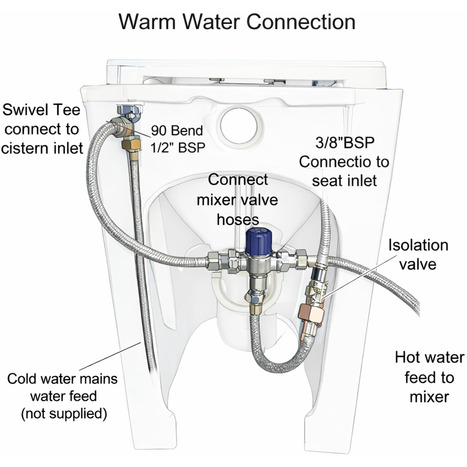
Floor standing bidets don’t have built-in heaters. They rely on your home’s hot and cold water lines, controlled by two separate knobs.
Mix Hot and Cold Gradually
Start with cold water, then slowly add hot until the stream feels lukewarm (95 to 105 degrees Fahrenheit). Never start with hot water. Sudden scalding is a real risk, especially in older homes with inconsistent water pressure.
Pro Tip: Always test the water with your hand first. Temperature can shift mid-use due to someone flushing or running a shower elsewhere in the house.
Avoid High Heat for Sensitive Skin
Hot water may feel soothing, but it can dry or irritate delicate skin. For conditions like hemorrhoids, fissures, or postpartum recovery, use cool to lukewarm water. Limit rinse time to under 30 seconds and keep pressure low. Discontinue use and consult a doctor if irritation persists.
Control Spray and Rinse Effectively
Mastering spray control ensures thorough cleaning without mess.
Start with Low Pressure
Turn the faucet to the lowest setting first. You can increase flow as needed, but high pressure at the start causes splashback and discomfort. Some models have a side lever to fine-tune spray intensity. If yours doesn’t, use the faucet knobs to modulate flow.
Clean Front to Back (Especially for Women)
To reduce the risk of urinary tract infections, always rinse from front to back when cleaning the vulva. This prevents bacteria from the anal area spreading to the urethra. You can do this in one motion or in separate cycles: face forward to rinse the genital area, then turn around, lean forward, and rinse the anus.
Note: Never douche internally. Bidets are for external use only.
Adjust Technique by Anatomy
Different bodies need different approaches. For people with a vulva, lean slightly forward and use a gentle stream. For people with a penis and scrotum, aim the spray behind the scrotum toward the anus. During menstruation, use warm water while facing the faucet to cleanse the vulvar area.
Time Your Rinse and Move for Coverage
Most users need just 30 seconds for effective cleaning, though you may want longer if you have body hair, mobility limitations, or medical conditions.
Rinse 20 to 60 Seconds
Move your hips slightly forward, back, or side to side to ensure full coverage. Minimal scrubbing is needed. Water does most of the work. Evidence from MedlinePlus supports proper perineal hygiene, including front-to-back rinsing, to help prevent infections.
Use Hands Only If Necessary
While the water stream should do the cleaning, some users gently guide the flow with their hand for hard-to-reach areas. If you do, wash your hands thoroughly afterward. Avoid using sponges or cloths unless they’re personal and cleaned regularly.
Dry Yourself Properly
Proper drying completes the hygiene process.
Turn Off Water and Drain Basin
After rinsing, close both hot and cold faucet knobs. If the drain was closed for soaking, open it now to empty the basin.
Choose a Drying Method
You have several options. Many people combine two methods:
• Toilet paper (2 to 4 squares): Dab, don’t rub, to avoid irritation.
• Personal bidet towel: Keep a small, washable towel nearby. Launder it daily.
• Air dry: Pat first, then wait 1 to 2 minutes. Ideal in warm bathrooms.
• Combo method: Air dry first, then lightly dab with paper. Most effective way to stay dry and irritation-free.
Important: Never use shared hand towels to dry intimate areas unless designated for that purpose.
Maintain Hygiene and Clean the Bidet
Regular maintenance keeps your bidet sanitary and functioning well.
Wipe Down After Use (Optional)
While not required every time, quickly wiping the rim and interior with a soft cloth helps prevent odor and buildup. Do this if visible moisture or residue remains.
Clean Weekly and Descale Monthly
For long-term maintenance, clean the entire basin weekly with a mild bathroom cleaner. Avoid abrasive pads or harsh bleach. In hard water areas, descale the faucet and aerator monthly with vinegar to prevent clogs and maintain flow. Annually, inspect water supply lines and drain pipe for leaks.
Follow Best Practices and Avoid Mistakes
Knowing common errors helps you avoid them.
Common Errors and How to Fix Them
• Clothes get wet: Pull pants fully forward or step out of one leg before use.
• Water too hot: Test with hand first. Mix cold water gradually.
• Spray misses target: Reposition body or adjust faucet angle.
• Splashing outside: Reduce pressure. Center over drain.
• Forgetting to open drain: Always check before turning on water.
• Using bidet as toilet: Never urinate or defecate in it unless dual-purpose.
Never Use Soap Daily
Mild, unscented soap can be used occasionally if recommended by a doctor, but plain water is enough for daily hygiene. Avoid scented or antibacterial soaps. They can disrupt natural skin pH and increase risk of irritation or bacterial vaginitis.
Understand Health and Safety Benefits
Floor standing bidets offer several health advantages.
Why Use a Bidet?
• Better than wiping: Removes fecal residue more thoroughly than toilet paper.
• Gentler on skin: Reduces friction, ideal for hemorrhoids or sensitive skin.
• Supports recovery: Helps postpartum, post-surgical, or mobility-limited users stay clean.
• Reduces toilet paper use: Most users cut TP consumption by 75 to 90 percent.
• Eco-friendly: Uses less than 1 gallon of water per rinse, far less than the water and energy used to make toilet paper.
Who Benefits Most?
• People in hot climates seeking freshness.
• Those managing hemorrhoids, fissures, or incontinence.
• Eco-conscious households reducing waste.
• Users from cultures where bidets are standard (Italy, Spain, Japan).
• Luxury bathroom owners with space for dedicated fixtures.
Caution: Some studies suggest frequent warm water use may disrupt vaginal flora. Use lukewarm water and avoid daily soap.
Know When It’s Not the Best Option
Floor standing bidets aren’t ideal for every situation.
Not Ideal for Small Bathrooms or Rentals
Floor standing bidets require at least 30 inches of clearance, permanent plumbing (hot/cold lines plus drain), and professional installation costing $200 to $600 or more. They’re impractical for apartments, small spaces, or renters.
Consider Alternatives
For most modern homes, especially in North America, these options are more convenient:
• Bidet toilet seat ($100 to $500): Stay seated, heated water, self-cleaning nozzle.
• Handheld sprayer ($30 to $100): Full control, easy install, great precision.
• Portable bidet ($20 to $50): Travel-friendly, no plumbing needed.
While floor bidets offer a dedicated hygiene space, they’re often seen as outdated compared to smarter, more accessible options.
Respect Cultural Etiquette
When using a bidet in shared or public spaces, follow proper etiquette.
In Shared or Public Bathrooms
• Wipe the seat or rim if wet.
• Don’t leave towels or tissues in the basin.
• Close the drain when done (if applicable).
• Use toilet paper to dry unless a personal towel is provided.
While Traveling Abroad
Floor bidets are common in Italy, France, Turkey, Japan, and Mexico. Remember: a bidet is not a toilet. Never urinate or defecate in it. Test water with your hand first and observe local habits. Some people use bidets for sponge baths or foot washing. When in doubt, ask the host or use paper to dry.
Frequently Asked Questions About Floor Standing Bidets
Should You Wipe Before or After Using a Bidet?
A light pre-wipe removes bulk waste and improves rinse efficiency. After rinsing, always dry with paper, a towel, or air. Over time, many users skip pre-wiping entirely.
Can a Bidet Replace Toilet Paper?
Yes, for cleaning. Most people still use 1 to 4 squares for drying. Bidets drastically reduce TP use, saving money and trees.
Is It Sanitary?
Yes, when used properly. It uses fresh water and promotes better hygiene. However, since floor models lack self-cleaning nozzles, regular basin cleaning is essential.
Are Bidets Safe for Women?
Yes. A gentle, front-to-back rinse supports UTI prevention and menstrual hygiene. Avoid soap and internal douching.
Can You Use It During Your Period?
Absolutely. Warm water helps cleanse the vulva gently and soothe discomfort. Face the faucet and rinse as needed.
Key Takeaways for Using Your Floor Standing Bidet

A floor standing bidet is a durable, hygienic fixture that enhances personal cleanliness, especially in spacious or luxury bathrooms. To use it correctly, always open the drain before turning on water, start with lukewarm temperature, and rinse for 20 to 60 seconds. Dry thoroughly using toilet paper, a personal towel, or air drying, then wash your hands.
While floor bidets require transfer, manual control, and extra maintenance, they remain a preferred choice for many worldwide. For most modern users, however, bidet seats or handheld sprayers offer greater convenience, precision, and value. Choose based on your space, needs, and lifestyle.