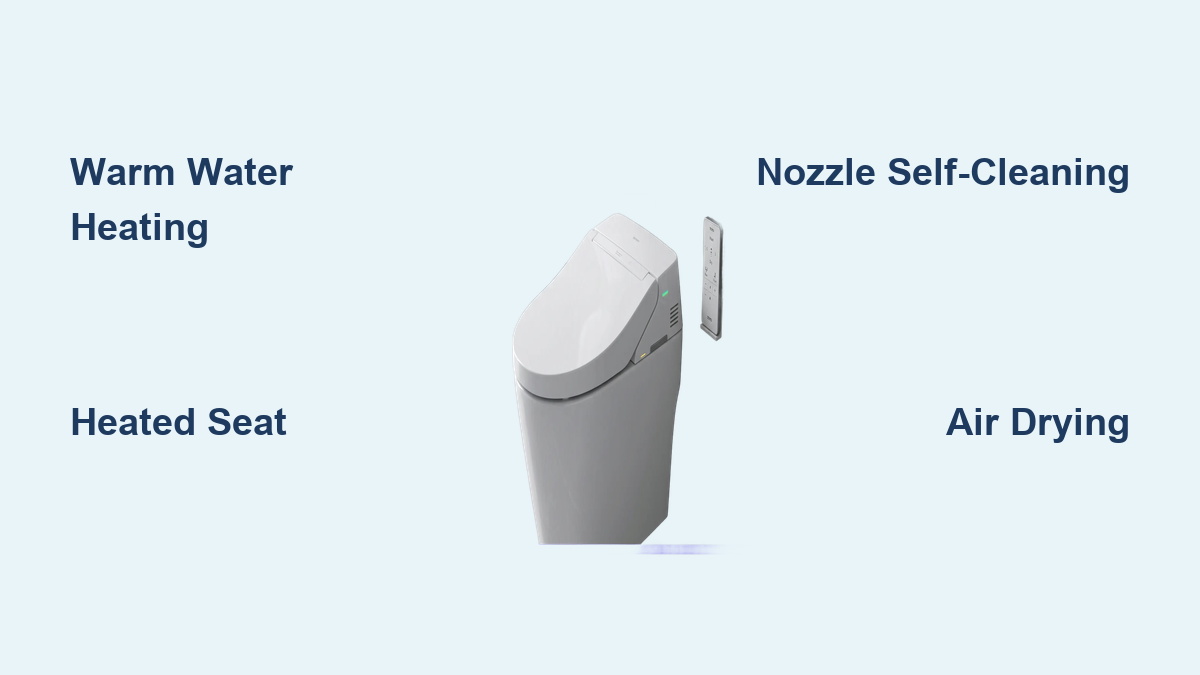
If you’ve ever sat on a freezing cold toilet seat in winter or struggled with toilet paper irritating sensitive skin, a heated bidet might seem like a luxury worth exploring. These smart bathroom attachments go far beyond basic hygiene, offering warm water cleansing, heated seating, and air drying all in one package. But how does a heated bidet work exactly? At its core, a heated bidet connects to your toilet’s water supply and electrical system to deliver adjustable warm water spray, a comfortably warmed seat, and often additional features like nozzle self-cleaning and remote controls designed for everyday comfort and cleanliness.
By the end of this guide, you’ll understand exactly how heated bidets generate warm water, what distinguishes the different heating systems, and which features genuinely improve the daily experience.
Water Heating Methods Explained
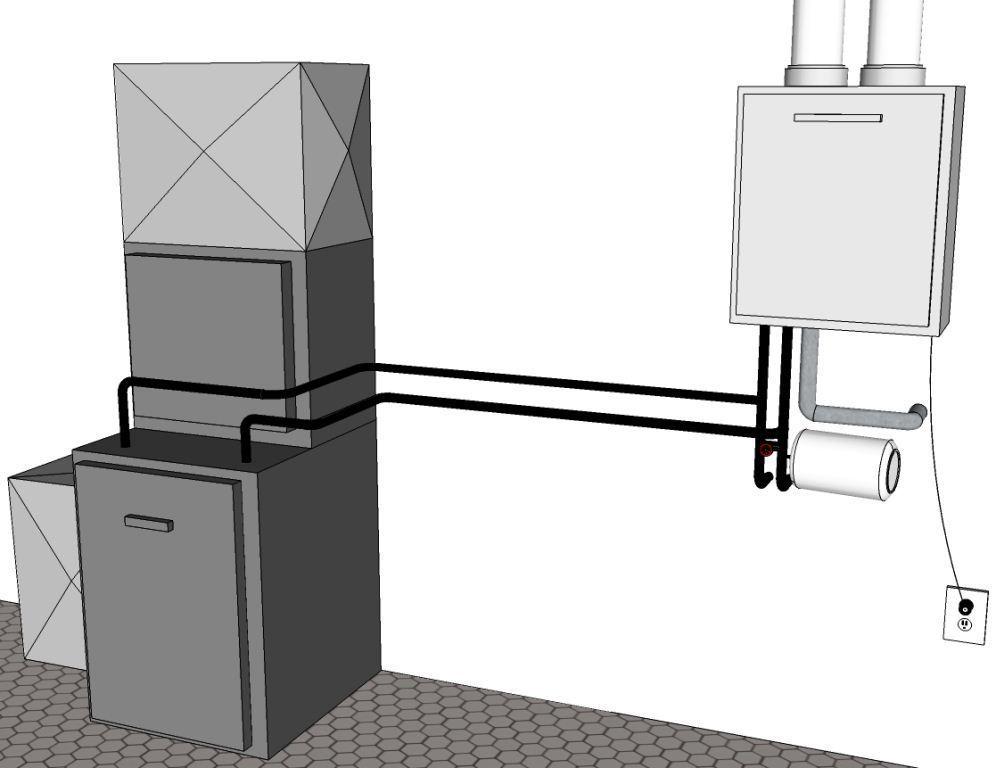
The way a bidet heats water directly impacts its performance, energy consumption, and overall user experience. There are three primary heating technologies: tank-style, tankless (instant), and hybrid systems.
Tank-Style: Pre-Heated Water Storage
Tank-style bidets contain a small internal reservoir, typically holding 0.5 to 1 liter of pre-heated water. When you activate the wash function, this stored warm water is pumped through the nozzle immediately.
Warm-up time is essentially zero since water is ready on demand. However, the supply lasts only about 30 to 120 seconds before cooling, and the tank requires roughly 5 minutes to fully reheat. These units draw approximately 600 watts of power, making them gentler on electrical circuits.
The main advantage is stronger spray pressure thanks to the pressurized storage tank. This makes tank models ideal for users who want instant warmth and shorter cleaning sessions. The trade-off is limited warm water duration, which can be inconvenient for extended use.
Tankless: On-Demand Water Heating
Tankless bidets heat water instantly as it flows through a high-wattage heating element. This design provides unlimited warm water, perfect for longer or multiple uses in succession.
There’s a slight warm-up delay of 1 to 2 seconds where cold water may appear before heating kicks in. These units draw around 1,400 watts, requiring a dedicated 15 to 20 amp GFCI circuit. The slim profile is a bonus for compact bathrooms.
The unlimited warm water duration makes tankless models ideal for families or anyone who needs thorough, extended cleansing. However, the higher power requirements mean you’ll need proper electrical infrastructure.
Hybrid: Best of Both Worlds
Hybrid bidets combine a small pre-heated tank with an instant heating element. You get immediate warmth from the tank at the start, then continuous heating as water flows through the system.
Warm-up delay is minimal to none, duration is unlimited, and power draw sits around 1,200 watts. Water pressure falls between tank and tankless models, offering decent performance without the bulk of a full tank system.
This balanced approach suits households with varied user preferences and those who want both instant warmth and extended cleaning sessions without compromise.
Heated Seat Technology
Beyond warm water for cleansing, most electric bidets include a heated seat that transforms the toilet experience, particularly in colder climates or during winter months.
How Seat Heating Works
Embedded resistive coils or carbon fiber pads warm the seat surface to a user-selected temperature, typically ranging from 86°F to 104°F (30-40°C). Heat activates when the seat is occupied or manually turned on via controls.
Power consumption runs low at 50 to 100 watts, and most units include auto shut-off after periods of inactivity to conserve energy. Temperature is carefully regulated to prevent any risk of burns, making it safe for daily use.
In countries like Japan where bathrooms are often unheated, heated seats are considered essential rather than luxurious. The comfort difference is particularly noticeable for anyone who’s experienced the shock of sitting on cold porcelain.
Nozzle Systems and Spray Modes
The nozzle is the working heart of any bidet, delivering the cleansing stream while maintaining hygiene through built-in cleaning features.
Nozzle Types and Positions
Most electric bidets use retractable stainless steel or brass nozzles that extend during use and retract when finished. Many models feature dual nozzles with separate wands for posterior and feminine wash, each optimized for different spray patterns. Adjustable wand positions allow you to move the nozzle forward or backward for personalized coverage.
Spray Modes Available
Posterior wash provides standard rear cleansing, while feminine wash offers a softer, front-focused spray for delicate areas. Oscillating mode moves the nozzle back and forth for broader coverage, and pulsating mode delivers intermittent spray for a massaging effect.
Self-Cleaning Technology
Nozzles stay hygienic through automatic sanitization. Water rinse flushes the nozzle with fresh water before and after each use. High-end models add UV sterilization using ultraviolet light to kill bacteria. Some units like TOTO’s eWater+ generate electrolyzed water that creates an antimicrobial solution from tap water. Antimicrobial coatings on nozzle surfaces provide additional protection against bacterial growth.
Weekly nozzle wiping and filter replacement every 6 to 12 months in hard water areas keeps the system performing optimally.
Air Drying Function
After washing, the built-in air dryer lets you finish without reaching for toilet paper or towels.
How Drying Works
A small fan blows warm air at temperatures between 104°F and 140°F (40-60°C) across the cleaned area. Drying time ranges from 1 to 5 minutes depending on your settings.
The dryer reduces toilet paper use by up to 75%, but it’s not quite as effective as a quick wipe with paper or a towel. Most users find a brief pat-dry after air drying provides the best results.
Installation Process and Requirements
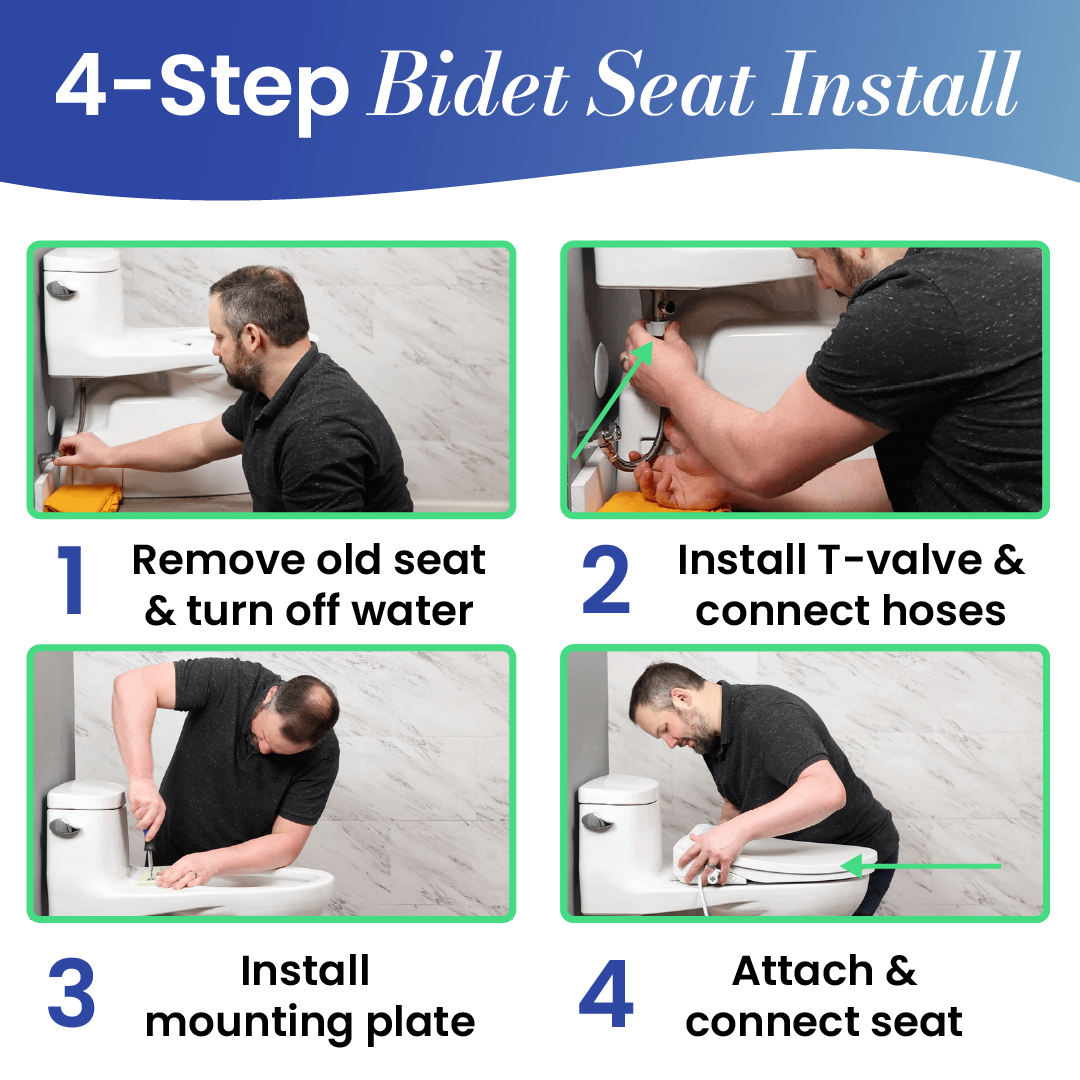
Installing a heated bidet is a DIY-friendly project, though safety requirements are non-negotiable.
What You’ll Need
Gather a T-valve splitter (usually included), adjustable wrench, screwdriver, and a microfiber cloth. Most importantly, you need a GFCI-protected electrical outlet within 3 to 6 feet of the toilet. Standard outlets are not acceptable in the wet bathroom environment.
Step-by-Step Installation
First, shut off the water supply to your toilet and flush to drain the tank. Disconnect the supply line from the fill valve, then install the T-valve onto the fill valve. Hand-tighten first, then add a half-turn with pliers without overtightening.
Reconnect the supply line to the T-valve’s bottom port, then attach the bidet hose to the side port, hand-tightening only. Mount the bidet seat using the included screws and template, tightening by hand rather than with a power tool to avoid cracking porcelain.
Finally, plug the unit into a GFCI-protected outlet only and test all functions through the remote or control panel.
Critical Safety Note
A GFCI outlet is absolutely mandatory to prevent electric shock in the moist bathroom environment. If you don’t have one, hire an electrician to install one before proceeding with installation.
Power and Performance Comparison
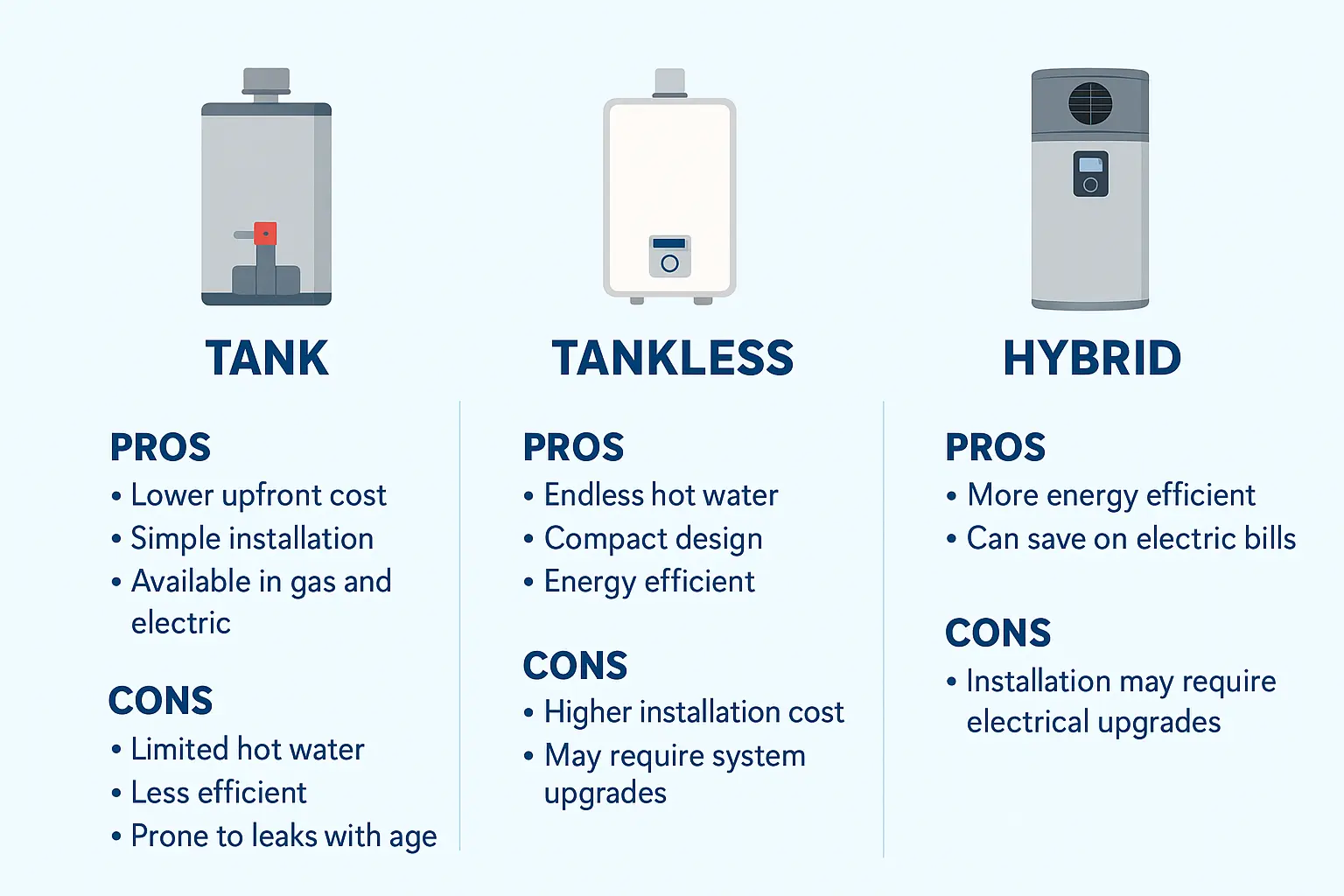
Understanding the technical specifications helps you choose the right model for your needs.
| Feature | Tank | Tankless | Hybrid |
|---|---|---|---|
| Warm Water Duration | 30-120 sec | Unlimited | Unlimited |
| Warm-Up Delay | None | 1-2 sec | Minimal |
| Water Pressure | 1.0-1.5 bar | 0.5-1.2 bar | 0.8-1.3 bar |
| Peak Power Draw | ~600W | ~1,400W | ~1,200W |
| Ideal Circuit | 15-amp | 20-amp | 15-20 amp |
Tank models work better with weaker electrical circuits, while tankless and hybrid units need stronger power but deliver superior performance. Water pressure directly affects cleaning strength, with higher pressure providing better results.
Maintenance for Longevity
A well-maintained heated bidet typically lasts 5 to 10 years with proper care.
Routine Care Schedule
Wipe the seat weekly with vinegar or mild cleaner. Run the self-cleaning cycle monthly. Replace in-line filters every 6 to 12 months in hard water areas, and descale the system every 6 to 12 months using manufacturer-approved solutions to prevent mineral buildup.
Annual inspections of the power cord and plug catch wear before it becomes a problem. Register your warranty to access full coverage, typically 2 to 3 years with most brands.
Avoid abrasive cleaners that can damage surfaces, and address any unusual sounds or performance changes promptly.
Frequently Asked Questions About Heated Bidets
Does a heated bidet use a lot of electricity?
Heated bidets are surprisingly energy-efficient. Most units consume less power than a desktop computer. Tank models draw around 600 watts, while tankless units peak at 1,400 watts but only during active use. The heated seat uses only 50 to 100 watts and includes auto shut-off features.
Can I install a heated bidet myself?
Yes, most heated bidet seats are designed for DIY installation. The process takes 30 to 60 minutes with basic tools. The critical requirement is having a GFCI-protected outlet nearby. If your bathroom lacks one, hire an electrician before proceeding.
What happens if I use my bidet without water filter replacement?
In hard water areas, failing to replace filters every 6 to 12 months leads to mineral buildup that reduces heating efficiency and can damage internal components. The spray may become inconsistent, and the heater lifespan decreases significantly.
Is the warm water truly unlimited on tankless models?
Yes, tankless and hybrid bidets provide unlimited warm water because they heat water on demand as it flows through the system. There’s no storage tank to deplete, so you can use the bidet as long as needed without cooling.
Can a heated bidet help with medical conditions?
Heated bidets offer genuine benefits for several medical situations. Warm water cleansing reduces irritation for hemorrhoid sufferers, eases bowel movements for IBS patients, and provides gentle cleaning during postpartum recovery. The hands-free operation helps elderly or mobility-impaired individuals maintain independence and hygiene.
Key Takeaways for Understanding Heated Bidet Operation
A heated bidet works by combining plumbing connections with electrical heating systems to deliver warm water cleansing and comfortable heated seating. The three main heating methods each serve different needs: tank models provide instant warmth and strong pressure for shorter use, tankless units offer unlimited warm water for extended sessions, and hybrid systems balance both advantages.
Installation requires only basic tools and a GFCI-protected outlet, making it accessible for most homeowners. The self-cleaning nozzles, adjustable spray modes, and air drying features combine to create a complete personal hygiene solution that reduces toilet paper use by up to 75% while improving comfort and cleanliness.
With models ranging from $100 to over $1,500, there’s a heated bidet for nearly every budget and need. Consider your typical use duration, electrical infrastructure, and desired features when selecting the right system for your bathroom.