You sit down, press the wash button, and nothing happens. No spray. It’s frustrating, especially when your bidet worked perfectly yesterday. If your bidet is not spraying, you are not alone. This is one of the most common issues reported by users across brands like TOTO, Kohler, Bio Bidet, and Brondell. The good news? In most cases, you can fix it yourself in under 20 minutes without calling a plumber.
This guide walks you through every possible reason your bidet is not spraying and shows you exactly what to check, in the right order. Whether you have an electric seat or a simple non-electric attachment, you will learn how to get your bidet working again.
Check Water Supply First
Before disassembling anything, confirm water is actually reaching your bidet. This sounds obvious, but it is the first thing many people skip.
Toilet Flushes But Bidet Does Not Spray
If your toilet flushes normally but the bidet is not spraying, the issue is bidet-specific, not a whole-house pressure problem. Most bidets connect via a T-connector that splits water from the toilet supply line. While the toilet gets priority, the bidet may still be starved if the T-valve’s bidet-side shutoff is partially closed, the T-fitting is clogged with sediment, or the internal O-ring is missing or damaged.
Action steps:
Locate the T-valve behind your toilet. Ensure both the main shutoff and the bidet-side valve are fully open. The handle should be parallel to the pipe. If unsure, turn both counterclockwise until they stop.
Test Water Pressure at the Bidet
Bidets need at least 20 psi to function. Standard home pressure is 40 to 60 psi, which is enough for most models. But if you live in an apartment, on a well, or in a low-pressure zone, your bidet may not activate.
Quick test to verify water flow:
Disconnect the water hose from the bidet’s inlet. Point it into a bucket and open the valve briefly. Strong flow means the water supply is good and the problem is inside the bidet. Weak or no flow means you need to check the T-valve, main shutoff, and home pressure first.
Clean the Nozzle
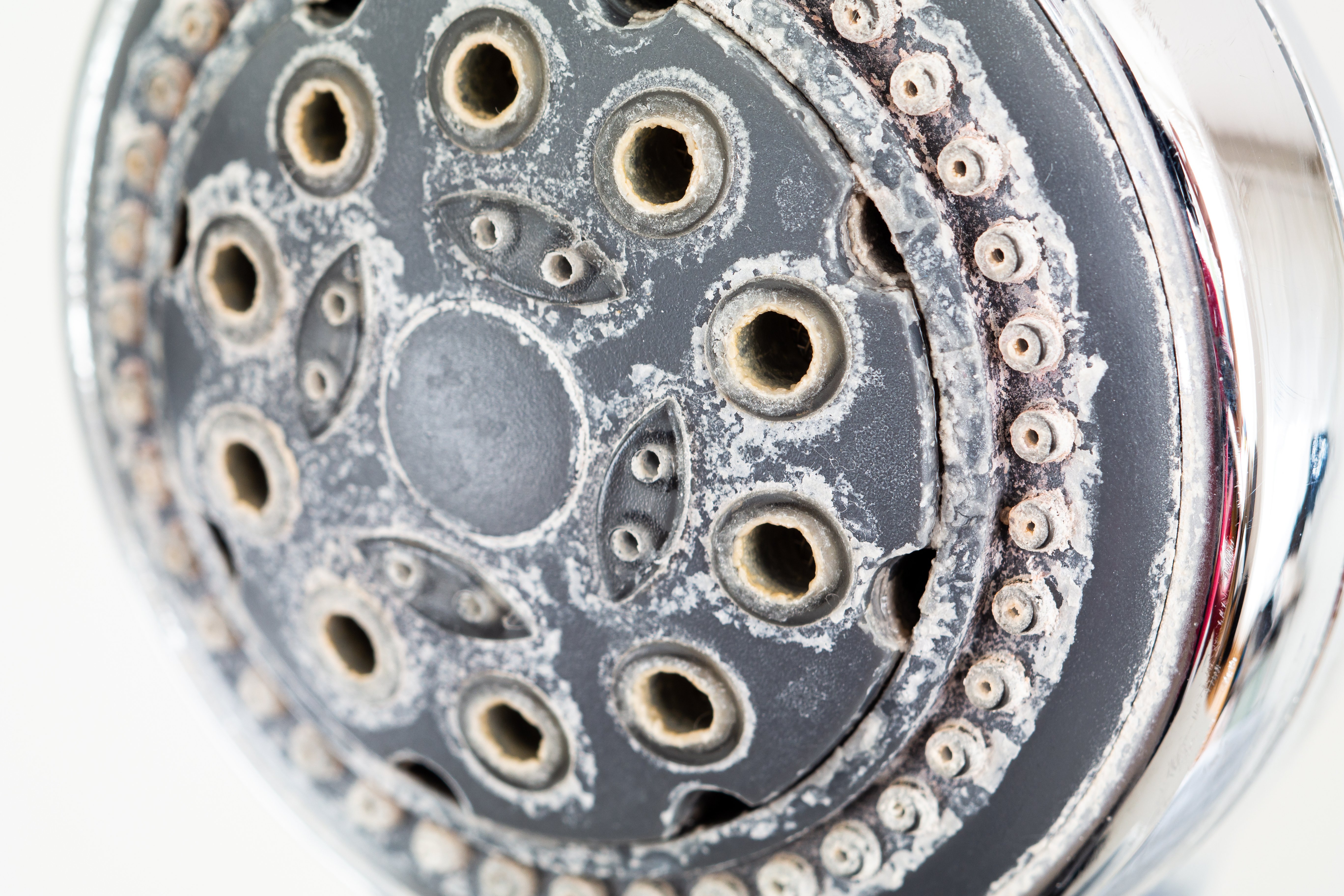
A clogged nozzle is the number one cause of bidet spray failure, especially in hard water areas. This is where you should start if water supply checks out fine.
Why Nozzles Clog
Bidet nozzles have tiny orifices measuring 0.5 to 1.2 mm. Over time, mineral deposits from hard water, including calcium and magnesium, build up and block spray holes. Sediment, biofilm, or manufacturing debris can also obstruct flow.
Symptoms of a clogged nozzle include:
Dripping instead of spraying, weak or uneven spray, no spray at all despite activation, and intermittent function that comes and goes.
How to Clean the Nozzle
Run the self-clean cycle first if your model has one. This flushes internal lines and extends the wand for easier access.
For manual cleaning, follow these steps:
Mix equal parts white vinegar and water. Soak a soft cloth or paper towel and wipe the nozzle surface. Let it sit for 10 to 30 minutes to dissolve scale. Gently scrub with a soft-bristle toothbrush or wooden toothpick. Avoid metal tools because they can scratch or damage seals. After cleaning, activate the rear wash function to flush out loosened debris.
Inspect and Clean the Inlet Filter

Most electric bidet seats have a mesh filter screen where the water hose connects. It traps sediment before it enters internal valves and pumps.
Why Filters Clog
Filters clog from sediment in plumbing lines, debris introduced during installation, scale buildup in hard water areas, and missing O-rings in the T-valve that allow dirt entry. A clogged filter can completely block water flow even if the hose and nozzle are clear.
How to Clean the Inlet Filter
Turn off the water supply. Flush pressure by pressing the wash button if the unit has power. Disconnect the water hose from the bidet. Use a small pick or tweezers to remove the mesh filter, which is usually silver or white and about a quarter inch wide. Rinse it under running water. Soak in vinegar for 10 to 15 minutes if scale is visible, then reinstall and reconnect the hose securely.
Fix Kinked or Damaged Hoses
Even a slight bend in the supply hose can restrict water flow enough to prevent spraying.
Check for Hose Problems
Look for kinks where the hose bends near the T-valve or enters the bidet. Straighten any sharp folds. Check for cracks or leaks and replace if damaged. Ensure the hose is not pinched under the seat or by the mounting bracket. Hand-tighten both connections, but do not over-tighten because this can damage seals.
Test the hose: Disconnect it and blow through it or flush with water. If flow is blocked, replace the hose with a new braided stainless steel option.
Test and Reset the Bidet
For electric models, a simple reset can fix firmware glitches or stuck solenoid valves.
Perform a Hard Reset
Unplug the bidet from the wall outlet. Wait 10 minutes to allow internal capacitors to discharge. Press and hold the power button for 5 to 10 seconds if your model has one. Plug it back in and test.
This resets the control board, clears temporary errors, and reboots sensor systems. Many Kohler and TOTO owners report temporary fixes after unplugging, which indicates a sticking valve or firmware issue.
Diagnose Sensor Issues
Modern electric bidets use sensors to detect user presence and prevent accidental spraying. If sensors do not detect you, the bidet will not spray.
Skin Contact Sensors
Found in Alpha, Brondell, Bio Bidet, and USPA models. Sensors are typically located at the 4 to 5 o’clock position on the seat, which is lower left when you are sitting.
Test the sensor: Wet a 4 by 4 inch piece of toilet paper. Place it over the sensor zone. Press the wash button. If the nozzle extends and sprays briefly into the bowl, the sensor is working.
Grease, sweat, or cleaning residue can block sensor contact. Wipe the area with a damp cloth monthly.
Weight Sensors
TOTO and Kohler models require downward pressure on the seat to activate. Press firmly on the left-rear hinge until you hear a click. Hold pressure while testing the wash function.
Infrared Sensors
Kohler BH-90 and BH-93 models use infrared sensors located at the rear of the seat. Cover the sensor area with a paper towel to simulate user presence.
Check Remote Control and Keypad
If the bidet powers on but will not spray, the issue may be with the remote or control panel rather than the bidet itself.
Replace Remote Batteries
Dead batteries are a top cause of unresponsive controls. Remove old batteries and insert fresh alkaline batteries. Avoid zinc or rechargeable batteries. Test immediately.
Align the Remote
Infrared remotes need line-of-sight. Signal can be blocked by body position or mounting location. Point the remote over your shoulder toward the ceiling because infrared bounces off walls. Reposition the remote holder for a better angle.
Test Auxiliary Controls
Many models have a manual button on the side or top of the seat. Press the rear wash button directly. If it sprays, the remote is faulty or misaligned. If it does not spray, the issue is internal.
Investigate Internal Mechanical Failures
If all external checks pass, the problem may be inside the unit.
Nozzle Does Not Extend
The wand must extend to spray. If it is stuck, clean the nozzle rails with soapy water and a soft brush. Run five self-clean cycles to flush debris. Do not force it manually because this can damage gears.
Listen for Clicking or Buzzing
Clicking means the solenoid valve is trying to open. Buzzing means the pump or motor is struggling. No sound at all suggests possible board or power failure. These sounds indicate partial function, meaning the component may be failing but not completely dead.
Model-Specific Troubleshooting
Bio Bidet
The most common issues are clogged nozzle or missing O-ring in the T-valve. Check the inlet filter, sensor zone at 7 to 8 o’clock position, and control knob for non-electric models. Clean the filter, reset the unit, and replace the knob if stripped.
Kohler
Start with a hard reset by unplugging for 10 minutes. Clean the inlet screen and nozzle. Check for firmware updates at Kohler.com. If the problem returns, you likely have an internal valve or board failure.
TOTO Washlet
Requires firm pressure on the left-rear hinge to activate. Clean the seat rim to remove grease. Perform a hard reset. If still not working, contact TOTO support because this is a common hinge sensor issue.
Non-Electric Bidet Attachments
These have no sensors or power, so focus on knob operation, T-valve function, and hose integrity. Replace the knob if cracked or stripped. Ensure the bidet side of the T-valve is fully open.
When to Stop DIY and Call Support
You have cleaned, reset, and tested, but the bidet is still not spraying. It is time to consider internal failure.
Contact the manufacturer if:
Spray fails after full cleaning and reset, nozzle movement is stiff or incomplete, you hear buzzing or clicking but no spray, the problem returns within days of fixing, or the unit is under warranty.
Most electric bidets come with a 1 to 3 year warranty covering pumps, solenoid valves, and control boards. Do not open the unit yourself because this voids the warranty.
Prevent Future Spray Failures
Avoid repeat issues with simple maintenance performed on a regular schedule.
Monthly tasks:
Run the self-clean cycle 2 to 3 times. Wipe sensor zones. Check remote batteries.
Every 3 to 6 months:
Clean the inlet filter. Inspect the hose for kinks. Deep-clean the nozzle with vinegar.
In hard water areas:
Install a point-of-use filter. Use softened water if possible. Clean every 4 to 6 weeks instead of every 3 months.
Never use bleach, acidic cleaners, or metal tools on your bidet. These damage seals and internal components.
Frequently Asked Questions About Bidet Not Spraying
Why does my bidet have no spray but the toilet works fine?
This indicates a bidet-specific issue rather than a whole-house water pressure problem. Check the T-valve shutoff, clean the nozzle and inlet filter, and ensure the hose is not kinked.
How do I know if my bidet nozzle is clogged?
Symptoms include dripping instead of spraying, weak or uneven spray, complete absence of spray despite activation, and intermittent function. Clean the nozzle with vinegar and a soft brush to resolve this.
Can low water pressure cause a bidet not to spray?
Yes. Bidets require at least 20 psi to function. Standard residential pressure is 40 to 60 psi. If your home has low pressure, the bidet may not activate or will produce weak spray.
Why does my bidet spray only after I reset it?
This indicates a firmware glitch or a sticking solenoid valve. Unplug the bidet for 10 minutes, press the power button to discharge remaining power, then plug back in. If the problem returns, the internal valve likely needs replacement.
Do non-electric bidets have the same spraying problems?
Non-electric models lack sensors and electrical components, so they experience fewer issues. Common problems include a cracked or stripped control knob, a clogged T-valve, or a kinked supply hose.
How often should I clean my bidet nozzle?
Clean the nozzle every 1 to 3 months, depending on your water hardness. In hard water areas, clean every 4 to 6 weeks. Run the self-clean cycle monthly to help prevent buildup.
Key Takeaways for Fixing Your Bidet Not Spraying
A bidet not spraying is rarely a dead unit issue. Over 80 percent of cases resolve by cleaning the nozzle, cleaning the inlet filter, or resetting the system. Start with the simplest checks first: verify water supply, ensure valves are fully open, and rule out kinks in the hose. Move on to cleaning the nozzle and filter, then test sensors and controls. If the problem persists after thorough troubleshooting, contact the manufacturer with your model number and proof of purchase. Most problems are covered under warranty, and attempting internal repairs yourself will void that coverage.