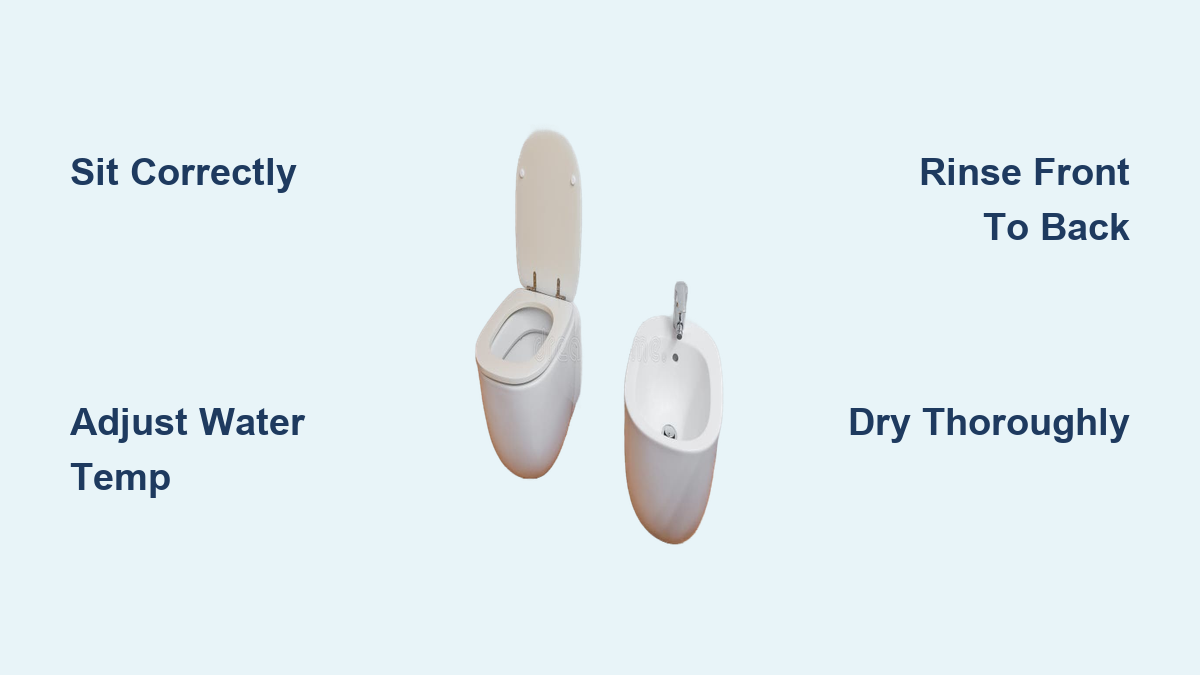
If you’ve ever wondered how to use a bidet bowl properly, you’re not alone. Despite being standard in much of the world, bidets remain unfamiliar to many, especially users of traditional toilets. A bidet bowl offers superior hygiene by replacing dry wiping with a gentle stream of water, reducing irritation, improving cleanliness, and cutting toilet paper use by up to 100%. Whether you’re encountering a freestanding bidet in Italy, installing a new seat at home, or traveling with a portable model, this guide walks you through every step safely, effectively, and confidently.
You’ll learn exactly how to position yourself, adjust water settings, clean thoroughly, dry properly, and avoid common mistakes. From standalone porcelain bowls to high-tech electronic seats, we cover all types with clear instructions tailored to your anatomy, comfort, and health needs.
Transfer from Toilet to Bidet
After using the toilet, the next step is moving to the bidet bowl. This applies specifically to freestanding bidet models, which are separate fixtures installed beside the toilet.
Step Over Carefully
Stand up from the toilet and step toward the bidet. Maintain balance, especially if the floor is wet or the bidet has a low height. Position the bidet so transfer is easy, and grab a wall or grab bar if needed for stability.
Sit or Straddle the Bowl
Sit on the rim with your legs straddling the basin. You can hover slightly above if preferred, but full contact improves control. Choose direction based on your cleaning goal:
• Back to faucet: Best after bowel movements for direct anal access.
• Facing faucet: Preferred for women after urination to support front-to-back rinsing.
Pro tip: Lean slightly forward and keep your feet flat to stabilize your posture and align the water stream.
Adjust Water Temperature and Pressure

Proper water settings make all the difference in comfort and effectiveness.
Locate Faucet Controls
Most standalone bidets have two handles. The left handle controls hot water, and the right handle controls cold water. Turn slowly to mix water to a cool-to-lukewarm temperature.
Test Before Use
Always test the stream with your hand first. Avoid high pressure by starting low and increasing only if necessary. Sensitive skin can be irritated by sudden hot or forceful water.
Warning: Some older bidets release strong jets even with slight valve turns. Open gradually.
Cleanse Genital and Anal Areas
Now that the water is ready, it’s time to rinse.
Position for Full Coverage
Shift your hips slightly to center the stream. Use one hand to gently spread the buttocks for better access. Women should rinse from front to back to minimize UTI risk. Men can aim behind the scrotum toward the anus for thorough cleaning.
Duration and Motion
Let water flow for 20 to 60 seconds. Move side to side or tilt forward and backward to reach all areas. For enhanced hygiene, use a fragrance-free intimate wash on your fingers, then rinse thoroughly.
Expert note: Water alone is sufficient for daily use. Soap is optional and may disrupt natural skin balance if overused.
Dry Properly After Rinsing
Drying completes the process and prevents discomfort.
Choose Your Drying Method
• Toilet paper (2-4 squares): Quick, hygienic, minimal waste.
• Dedicated bidet towel: Reusable, soft, eco-friendly. Wash frequently.
• Air dry (10-30 seconds): At home. Allows drip-drying over the bowl.
• Warm air dryer: Built-in feature on electronic seats only.
Best Practice
Pat dry instead of rubbing, especially with sensitive or irritated skin. In shared bathrooms, assume towels are for hands only unless labeled otherwise. Combine 30 seconds of air drying with 1 to 2 squares of toilet paper for optimal results.
Wash Hands and Clean the Bowl
Final hygiene steps ensure cleanliness for you and the next user.
Wash Hands Thoroughly
Use soap and warm water for at least 20 seconds. This step is especially important if your hands touched genital or anal areas.
Rinse the Bidet Basin
Run water at low pressure for a few seconds. This flushes away any splashed residue and prevents buildup, maintaining hygiene for the next user.
Note: Never leave the water running unattended. Always turn off both taps completely.
How to Use a Bidet Seat (Stay Seated)
Most modern users opt for bidet toilet seats, which replace standard lids and let you stay seated.
Activate Rear or Front Wash
After using the toilet, remain seated. Press the “Rear” button for anal cleansing or “Front” for feminine hygiene. The nozzle extends automatically beneath you.
Customize Your Settings
• Nozzle position: Move forward or back until the stream hits the right spot.
• Water pressure: Start low, increase gradually.
• Temperature: Select cool-to-lukewarm. Avoid hot on sensitive tissue.
• Spray mode: Choose oscillating (side-to-side) for wider coverage.
Pro tip: Lean slightly forward and relax your pelvic muscles to improve access and reduce splashback.
Dry With Warm Air or Paper
Use the warm air dryer for 30 to 120 seconds. Finish with 1 to 2 squares of toilet paper for a soft pat. Nozzles retract and self-clean after each use on most models.
Using a Handheld Bidet Sprayer
Common in the Middle East and Southeast Asia, handheld sprayers offer full control.
Stay Seated and Aim
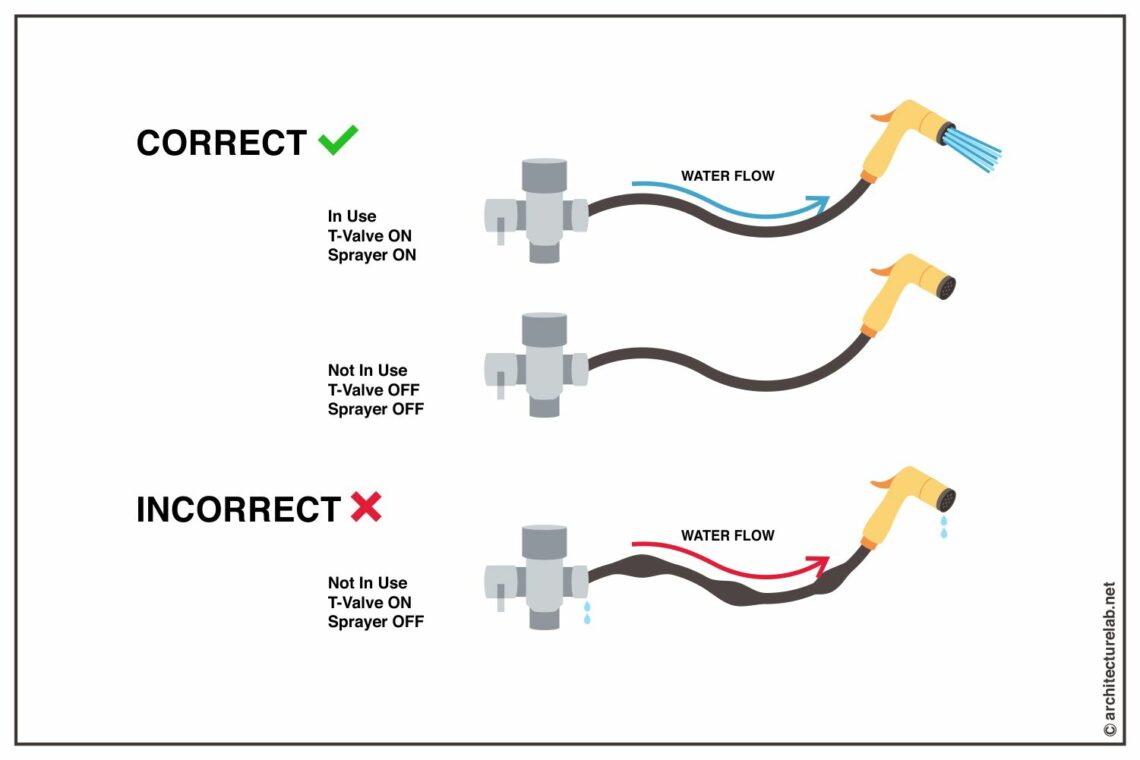
Pull the hose from its holder. Hold the nozzle 2 to 4 inches from your body. Aim at the genital or anal area before squeezing the trigger.
Control Flow and Direction
Squeeze gently to start the stream. Move the nozzle to cover all areas. Avoid spraying the walls or the toilet seat.
Shut Off the Valve
After use, close the T-valve under the toilet tank. This prevents leaks and complies with plumbing codes in some regions. Return the sprayer to its holder.
Critical: Leaving the valve open can cause slow leaks or pressure damage over time.
Portable Bidet Usage
For camping, travel, or shared facilities, portable bidets are discreet and effective.
Fill and Prime the Device
Use clean, lukewarm water (distilled if electric). Fill the reservoir according to model instructions. Most hold 8 to 16 ounces.
Use While Sitting
Sit on the toilet as usual. Aim the nozzle at the target area. Squeeze the bottle or press the button to release water.
Clean and Refill
Rinse the device after each use. Refill as needed during multi-day trips. Store in a clean, dry place.
Best practice: Use a personal travel towel or toilet paper to dry.
Positioning Tips by Anatomy
Body shape and gender affect optimal positioning.
For Women
Lean forward slightly to improve front coverage. Use front wash mode for vulvar hygiene. Always rinse front to back to reduce UTI risk. Oscillating spray helps cover broader areas.
For Men
Aim behind the scrotum toward the anus. Use rear mode primarily and front mode only if needed. Adjust the nozzle to clean under the scrotum or along the perineum.
For All Users
Higher BMI or body hair requires longer rinse times and oscillating spray. Taller people should lean further forward. Shorter people should scoot back slightly on the seat.
Avoid Common Mistakes
Even experienced users make errors that reduce comfort or hygiene.
Sitting Too Far Forward
This causes misaligned spray. Fix it by scooting back 1 inch and rechecking the nozzle position.
Clothes in the Way
Underwear or pants block the stream. Fix it by pulling clothing fully forward or down before activating.
Pressure Too High
This can cause discomfort or splashback. Fix it by starting at the lowest setting and increasing only as needed.
Forgetting to Close the Valve
This applies to handheld sprayers and non-electric attachments. Fix it by always turning off the T-valve after use.
Health Benefits and Medical Uses
Bidets are not just clean, they are therapeutic.
Soothes Hemorrhoids
Bidets eliminate abrasive wiping. Warm water reduces swelling and irritation.
Supports Postpartum Recovery
Gentle cleansing aids healing and lowers infection risk after childbirth.
Helps With IBS and Constipation
Bidets reduce skin damage from frequent wiping and soothe the anal area after hard stools.
Improves Accessibility
Bidets are ideal for elderly, disabled, or arthritic users. Remote controls and heated seats enhance independence.
Caution: Immunocompromised individuals should consult a doctor before regular use.
Maintenance for Longevity and Hygiene
Keep your bidet clean and functional with routine care.
Daily
Use the self-cleaning nozzle function if available. Wipe the remote or control panel with a damp cloth.
Weekly
Clean the nozzle, seat, and buttons with mild cleaner. Avoid bleach or abrasive pads on plastic parts.
Monthly
Descale to remove mineral buildup in hard water areas. Check hoses for cracks or leaks. Replace filters if your model has them.
Note: Unplug electric units before deep cleaning.
Environmental and Cost Savings
Switching to a bidet saves money and resources.
Reduces Toilet Paper Use
Most users cut TP use by 80 to 100 percent. Some eliminate it entirely for cleaning.
Saves Water Overall
A single bidet rinse uses less than 1 liter (0.26 gallons). Compared to 37 gallons of water per toilet paper roll used in manufacturing, bidets are far more efficient.
Septic System Friendly
Less paper means fewer clogs and minimal added water load. Experts confirm bidets improve long-term septic performance.
Cultural Etiquette and Guest Tips
Know how to use a bidet respectfully, especially abroad.
In Europe or the Middle East
Bidets are common in Italy, France, Turkey, and Saudi Arabia. Never use the bidet as a toilet. Do not urinate or defecate in the bowl.
For Guests
If hosting, clarify if nearby towels are for hands or drying. Provide toilet paper or wipes for drying if no towel is intended.
In Public Restrooms
Observe local users or ask if unsure. Dry with toilet paper unless a personal towel is offered.
Final Tips for Mastering Bidet Use
Using a bidet bowl or seat becomes second nature with practice. Follow these key principles:
• Wipe lightly first to remove bulk waste.
• Start with low pressure and cool water.
• Position yourself correctly for full coverage.
• Rinse front to back, especially women.
• Dry thoroughly using air, paper, or a clean towel.
• Wash your hands and rinse the bowl after use.
• Maintain your device monthly for peak performance.
Once mastered, bidet use is faster, cleaner, and more comfortable than wiping alone. With models now available for under $100, integrating a bidet into your routine is easier than ever. No plumbing overhaul is needed.
Frequently Asked Questions About Using a Bidet Bowl
Do you wipe before or after using a bidet?
A light pre-wipe with toilet paper removes bulk waste and improves rinse efficiency. After rinsing, use toilet paper, a towel, or warm air to dry off.
What is the correct way to sit on a bidet?
For bidet seats, sit back fully and lean slightly forward with feet flat. For standalone bidets, sit facing or away from the faucet depending on your cleaning goal.
How do you stay dry after using a bidet?
Use a warm air dryer for 30 to 120 seconds combined with 1 to 2 squares of toilet paper. Alternatively, use a dedicated bidet towel and pat dry gently.
Are bidets sanitary?
Yes, when used correctly. Self-cleaning nozzles, antimicrobial materials, and UV sterilization in high-end models enhance hygiene significantly.
Can a bidet replace toilet paper?
Yes, for cleaning. Many users stop using toilet paper for wiping. A small amount may still be used for drying.
Should you use soap with a bidet?
Water alone is sufficient for daily cleansing. If used, choose fragrance-free, pH-balanced intimate cleansers and rinse thoroughly.
Key Takeaways for Using a Bidet Bowl
Bidets offer a gentler, healthier, and more sustainable way to stay clean. Whether you’re using a classic bidet bowl in Rome or a smart seat at home, the result is the same: superior hygiene, reduced irritation, and less waste. Start with cool-to-lukewarm water and low pressure, position yourself so the stream targets the correct area, and always dry thoroughly. Remember to rinse the bowl and wash your hands after each use. With regular maintenance, your bidet will provide years of comfortable, hygienic use.