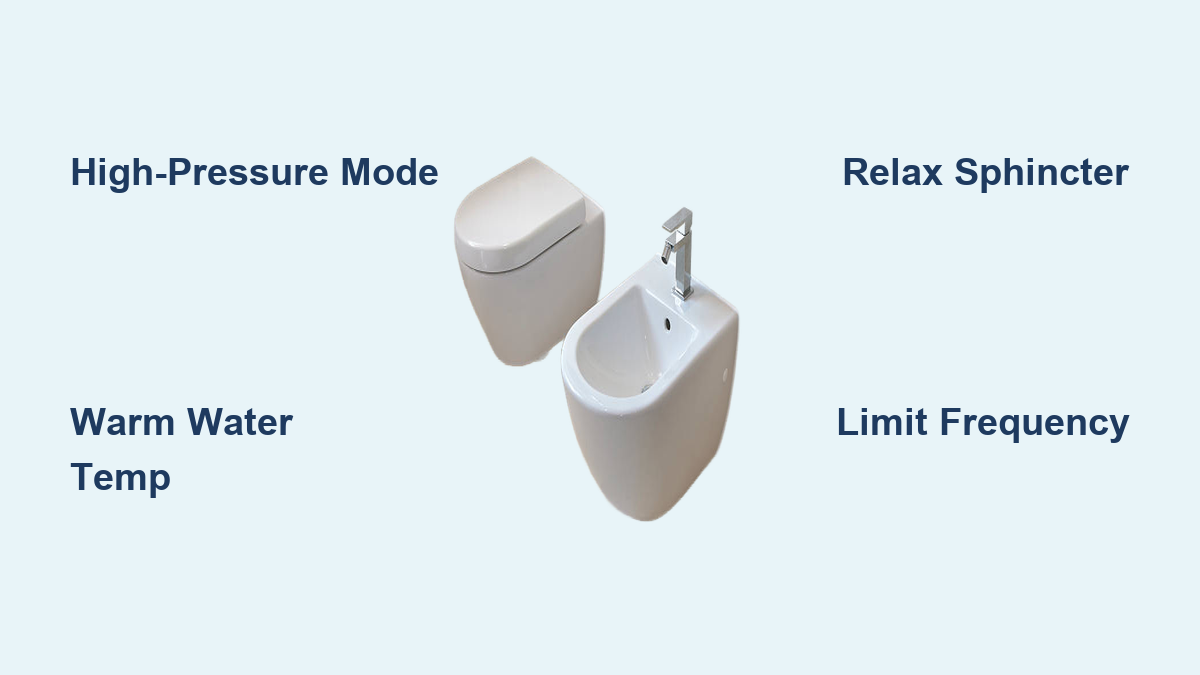
Many bidet users discover that a pressurized water stream can accidentally enter the rectum during posterior cleaning, creating a sensation similar to a traditional enema. This effect occurs when the anal sphincter relaxes and allows water to flow slightly into the lower rectum. Over time, people have learned to replicate this intentionally for deeper hygiene and relief from mild constipation.
Using a bidet as an enema is not its official purpose, but certain models with high-pressure settings can mimic a low-volume water enema. Unlike medical enemas, it requires no internal insertion and uses only tap water delivered through a focused nozzle. This guide explains how to use a bidet safely for enema-like cleansing, which models work best, and what risks to avoid.
Choose the Right Bidet Model
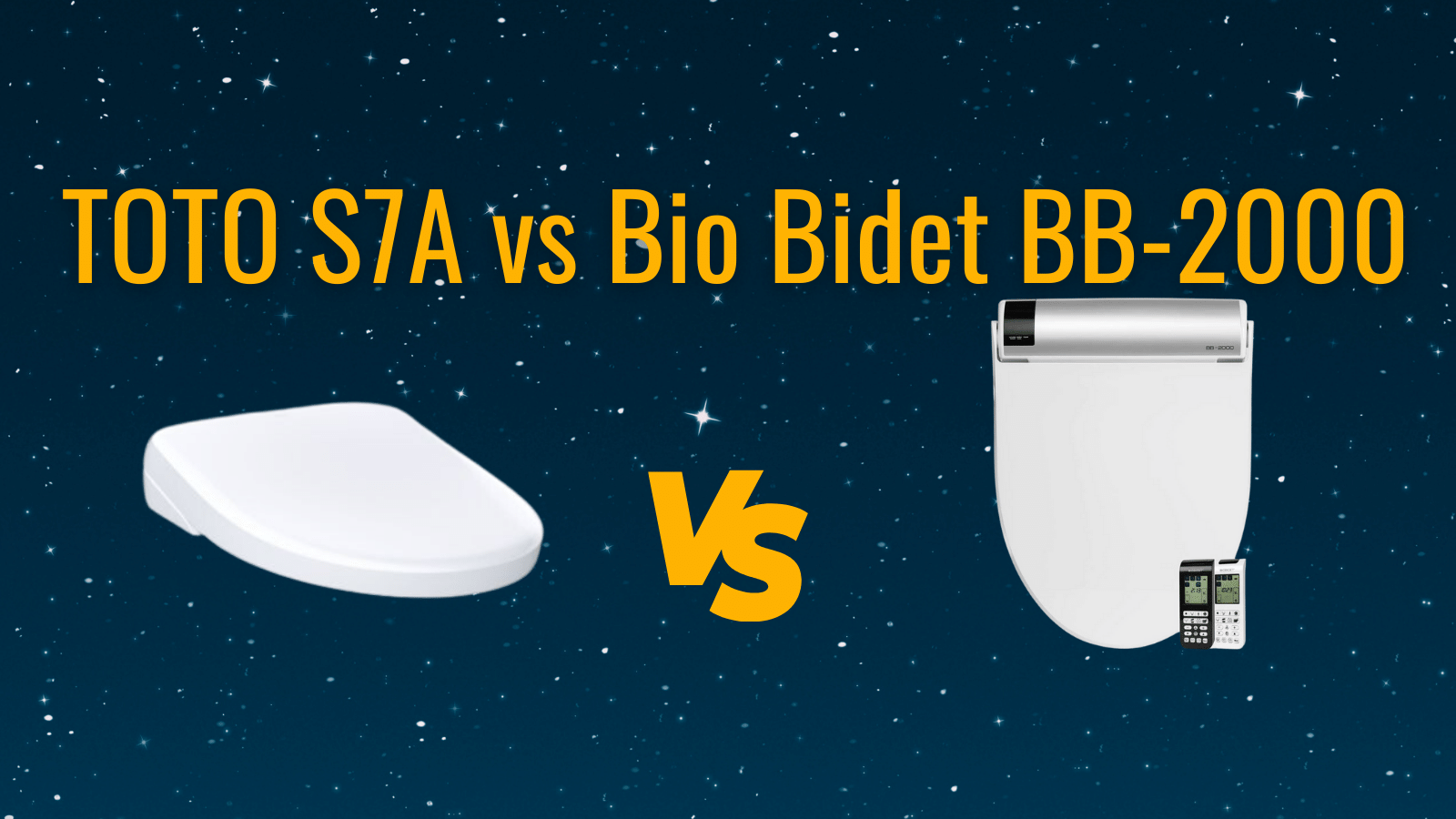
Not all bidets deliver enough pressure to create an enema effect. Success depends on nozzle design, water force, and adjustable settings.
Bio Bidet BB-2000: Best for Deep Cleansing
The Bio Bidet BB-2000 leads in performance thanks to its Vortex Wash feature, a concentrated high-pressure jet that penetrates deeper than standard sprays. Users report it mimics a true enema due to its stainless steel nozzle and intense water delivery. It also includes heated seating, warm air drying, and remote control operation.
Bio Bidet BB-1000: Good Alternative
While less powerful than the BB-2000, the BB-1000 still supports enema-like use via its turbo and vortex modes. Ideal for those seeking strong spray without premium pricing.
SlimEdge: Top Non-Electric Option
This non-electric attachment uses household water pressure to produce one of the strongest sprays available. No electricity is needed. Proper angle adjustment and deliberate relaxation allow water entry.
Portaet: Portable Precision
A high-end portable bidet with targeting mode offers full control over spray direction and pressure. Perfect for travel or users who want precision at home.
Other Effective Models
The TOTO Washlet series provides reliable pressure and customizable posterior wash. Brondell Swash models feature deep clean mode that enhances rectal stimulation. The Coway CH-500 offers strong jet wash and dual nozzles. INITIA by TOTO serves as an entry-level option with basic enema-like capability.
Avoid weak-spray models or those without pressure adjustment. If your bidet lacks a turbo or focused setting, results will be limited.
Activate High-Pressure Settings
To simulate an enema, standard wash settings are not enough. You need maximum force and precision.
Use Vortex or Turbo Mode
Select Vortex Wash, Enema Mode, or Turbo Setting if your bidet has it. These boost water pressure by 20 to 30 percent, increasing the chance of slight rectal penetration. On models without dedicated modes, increase posterior spray pressure to the highest comfortable level.
Adjust Nozzle Position
Fine-tune the nozzle position so the stream targets the anal opening directly. Some bidets allow forward and backward or side-to-side adjustments via remote. A misaligned spray reduces effectiveness.
Set Warm Water Temperature
Use warm water, not hot, to enhance comfort and encourage sphincter relaxation. Most electric bidets let you adjust temperature. Non-electric ones depend on your plumbing. Cold water may cause muscle tightening, blocking water entry.
Optimize Body Position for Alignment

Proper posture aligns the rectum with the spray, allowing easier water entry.
Lean Forward Slightly
Sit fully on the toilet and lean your upper body forward. This mimics a partial squat, straightening the anorectal angle and improving access to the anal canal.
Use a Footstool
Place a small footstool under your feet to elevate your knees above your hips. This squat-like position opens the pelvic floor and supports natural bowel movement mechanics.
Relax Pelvic Muscles
Consciously breathe deeply and release tension in your abdomen and pelvic floor. Clenching prevents water from entering. Think of the sensation like urinating or passing gas. Complete relaxation is key.
Allow Water to Enter the Rectum
Now that everything is set, initiate the spray and guide water entry safely.
Start with Low Pressure
Begin at medium pressure and gradually increase. Sudden high-pressure streams can cause discomfort or force water too deeply.
Aim Directly at the Anal Opening
Ensure the spray hits the center of the anus, not just the surrounding skin. Misdirection leads to external cleaning only.
Let Go of Sphincter Control
Do not resist the urge to relax. When the water touches the anal opening, allow the internal sphincter to open naturally. You may feel a cooling rush or mild fullness. This means water is entering the rectal canal, typically 2 to 5 centimeters.
Limit Duration to 60 to 120 Seconds
Let the spray run for up to two minutes. Longer exposure increases risk of overstimulation or dependency. Stop when you feel adequately flushed.
Expel Water and Residual Stool
After water enters, your body will respond with a natural urge to evacuate.
Wait for the Urge
Turn off the spray and pause for 10 to 30 seconds. The fluid triggers stretch receptors in the rectum, signaling peristalsis, the wave-like contractions that push contents out.
Push Gently When Ready
When you feel the need, bear down gently to expel water along with softened stool. Do not strain. Most users report feeling truly empty afterward.
Repeat Only If Necessary
One cycle is usually sufficient. Repeating multiple times daily can lead to bowel dependence. Use only when needed, such as during constipation.
Cleanse and Dry Afterward
Finish with standard hygiene to ensure complete cleanliness.
Switch to Standard Wash Mode
After the enema-like flush, use the normal posterior wash to clean the external area. Avoid reusing high pressure immediately.
Dry Thoroughly
Use the warm air dryer on electric models or pat dry with toilet paper. Moisture left behind can cause irritation.
Rinse Nozzle If Manual
For non-electric bidets, rinse the nozzle after use to prevent contamination.
Recognize When It Is Working
You will know the bidet enema is effective if you experience a cooling or flushing sensation inside the rectum. You may feel an immediate urge to defecate after spraying. Expect ejection of water mixed with small amounts of residual stool. Most users report a feeling of complete evacuation and lightness. You may notice reduced need to wipe.
These signs indicate successful rectal stimulation and cleansing.
Avoid Common Mistakes
Even with the right equipment, poor technique can reduce effectiveness or cause harm.
Do Not Use Excessive Pressure
High water pressure, especially in homes with city water supply, can cause pain or microtears. One user warned that at their mother-in-law’s house, they could be sliced in half due to high municipal pressure. Always test pressure gradually.
Never Force Water Entry
Do not push or clamp the buttocks together to trap water. The process should be passive. Forcing it increases injury risk.
Do Not Make It a Daily Habit
Using bidet enemas every day trains the colon to rely on external stimulation. Over time, natural peristalsis may weaken, leading to bowel dependency.
Avoid If You Have Medical Conditions
Skip bidet enemas if you have anal fissures, thrombosed hemorrhoids, inflammatory bowel disease, recent rectal surgery, or rectal prolapse. Water entry could worsen inflammation or delay healing.
Understand the Risks and Limitations
While convenient, bidet enemas are not medical treatments.
Bowel Dependency Risk
Frequent artificial stimulation may condition the rectum to expect water before releasing stool. Medical professionals advise that it is safe to use water pressure for constipation relief, but combine it with dietary changes, not replace them. Experts recommend fiber, hydration, Miralax, and probiotics for long-term health.
Minimal Microbiome Impact
Since bidet enemas only reach the rectum, not the entire colon, they likely have little effect on gut bacteria balance. Still, excessive use could disrupt local flora.
Electrolyte Imbalance Is Unlikely
Traditional large-volume enemas can affect sodium and potassium levels. Bidet enemas involve very small volumes, estimated under 500 milliliters, and short contact time, making systemic effects extremely rare.
No Retention, No Deep Cleansing
Unlike medical enemas, bidet sprays do not retain fluid in the rectum. There is no prolonged softening action, so it is less effective for severe constipation.
Compare to Traditional Enemas
| Feature | Bidet Enema | Medical Enema |
|---|---|---|
| Fluid Volume | Low, up to 500 mL | High, 300 to 1000 mL |
| Retention Time | None | 5 to 30 minutes |
| Insertion Required | No | Yes |
| Purpose | Hygiene plus mild stimulation | Therapeutic evacuation |
| Infection Risk | Very low | Moderate |
| Best For | Daily cleanliness, mild constipation | Severe constipation, pre-procedure prep |
Bidet enemas are best seen as enhanced hygiene tools with secondary bowel benefits, not replacements for clinical care.
Follow Safe Usage Guidelines
To stay healthy while using this technique, follow expert-backed rules.
Limit Frequency
Use only 1 to 2 times per week, or solely when constipated. Never use preventively or daily.
Combine with Healthy Habits
Support your digestive system with high-fiber foods such as berries, oats, and leafy greens. Stay hydrated with at least 8 glasses of water daily. Incorporate probiotics through yogurt, kefir, or supplements. Avoid constipating foods such as white rice, dairy, and red meat.
Consult a Doctor If Needed
If you find yourself needing the bidet every day to poop, see a healthcare provider. Chronic constipation may stem from medications such as antipsychotics like Geodon, pelvic floor dysfunction, slow transit colon, or neurological issues. A doctor can help identify the cause and recommend safer long-term solutions.
Final Tips for Success
Mastering the bidet enema takes practice and patience. Use these pro tips to improve results.
Breathe Deeply to Relax
Take slow breaths in through your nose, out through your mouth. This calms the nervous system and helps the pelvic floor release.
Experiment with Angles
Try shifting your hips slightly forward or backward to find the sweet spot where water enters most easily.
Start Slow
Begin with low pressure and short duration, then build up as you become comfortable.
Listen to Your Body
If you feel pain, cramping, or bleeding, stop immediately. These are signs to reassess or seek medical advice.
Embrace the Ritual
Many users describe psychological satisfaction, feeling cleaner, lighter, or even mentally clearer. When used responsibly, this practice can enhance well-being.
Frequently Asked Questions About Using a Bidet as an Enema
Is it safe to use a bidet as an enema?
Yes, it is generally safe when done appropriately and in moderation. Unlike traditional enemas, bidets do not require internal insertion, significantly reducing the risk of rectal perforation or mucosal abrasions. However, you should avoid excessive pressure, stop if you experience pain, and never use it daily over extended periods.
How often can I use my bidet for enema-like cleansing?
Medical professionals recommend limiting use to 1 to 2 times per week or only when constipated. Using it daily can lead to bowel dependency, where your colon becomes reliant on external stimulation to trigger bowel movements.
Which bidet model is best for enema functionality?
The Bio Bidet BB-2000 is widely considered the best option due to its Vortex Wash feature, which delivers a concentrated high-pressure jet. The SlimEdge offers excellent performance as a non-electric alternative. Both provide enough pressure to create the enema effect when used with proper technique.
Can using a bidet enema cause health problems?
Potential risks include bowel dependency from frequent use, minor microbiome disruption in the rectum, and rare cases of anal irritation from excessive pressure. People with anal fissures, hemorrhoids, inflammatory bowel disease, or recent rectal surgery should avoid this practice entirely.
How is a bidet enema different from a medical enema?
Medical enemas use 300 to 1000 milliliters of solution and require internal insertion with retention time of 5 to 30 minutes. Bidet enemas involve minimal water entry, no insertion, and no retention. Bidet versions provide mild stimulation and cleansing rather than therapeutic bowel evacuation.
What should I do if I develop dependency on bidet enemas?
If you find yourself needing the bidet every day to have a bowel movement, consult a healthcare provider. They can help identify underlying causes such as medication side effects, pelvic floor dysfunction, or slow transit constipation and recommend proper treatment.
Key Takeaways for Using a Bidet as an Enema
Using a bidet as an enema represents a modern adaptation of ancient water-based cleansing traditions. With the right model and technique, it offers a safe, non-invasive way to improve hygiene and relieve mild constipation. The Bio Bidet BB-2000, SlimEdge, and Portaet stand out as top performers for achieving the enema effect.
Always prioritize safety by starting with low pressure, limiting sessions to 60 to 120 seconds, and avoiding daily use. Combine this practice with healthy digestive habits including high-fiber foods, adequate hydration, and probiotics. If you experience pain, bleeding, or develop dependency, stop immediately and consult a medical professional.
Remember that a bidet enema should support, not replace, natural bowel function. It works best as an occasional tool for enhanced hygiene and mild constipation relief rather than a daily solution. Prioritize diet, movement, and medical guidance for lasting digestive health.