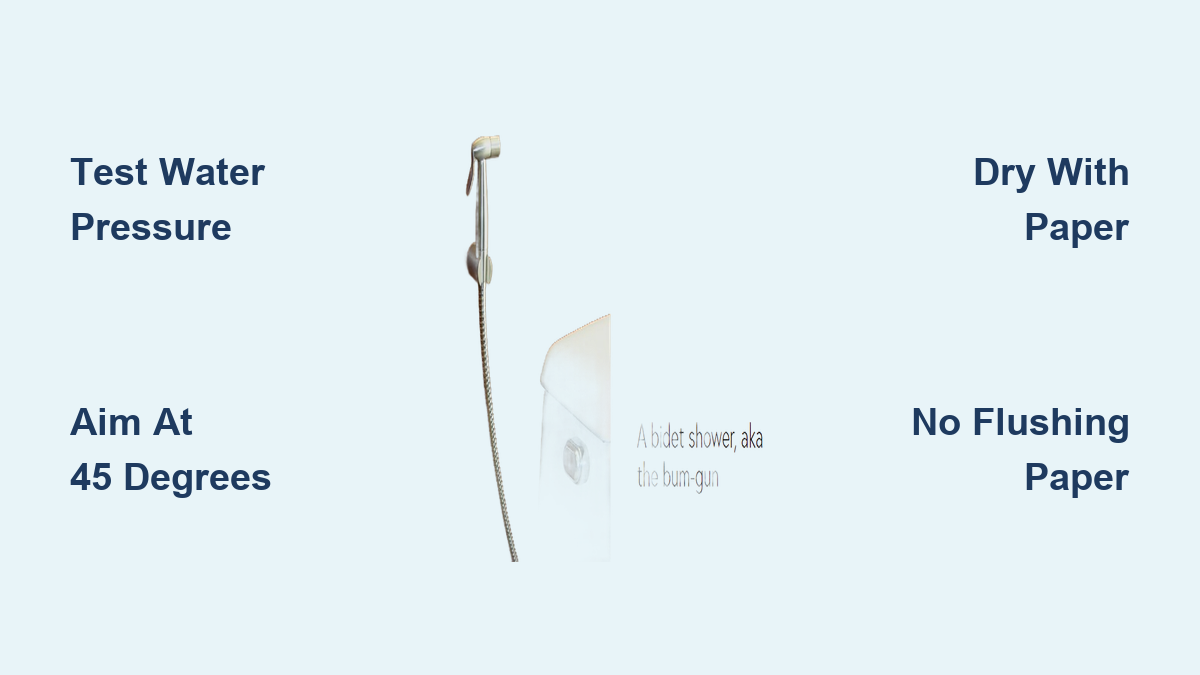
If you’ve stepped into a Thai bathroom, you’ve likely faced the small silver nozzle mounted on the wall—silent, mysterious, and slightly intimidating. This is the Thai bidet, affectionately known as the “Bum Gun.” It’s the primary hygiene tool in Thailand, used daily by millions to clean after using the toilet with water, not paper. Unlike Western reliance on dry wiping, Thai bathrooms use targeted water spray for a deeper, more effective clean. Toilet paper? It’s only for drying. Flushing it? A plumbing disaster waiting to happen.
This guide walks you through step-by-step usage, cultural norms, safety tips, and troubleshooting. Whether you’re a traveler, educator, or expat, you’ll learn everything needed to use the Thai bidet confidently, hygienically, and like a local.
Types of Thai Bidets You’ll Encounter
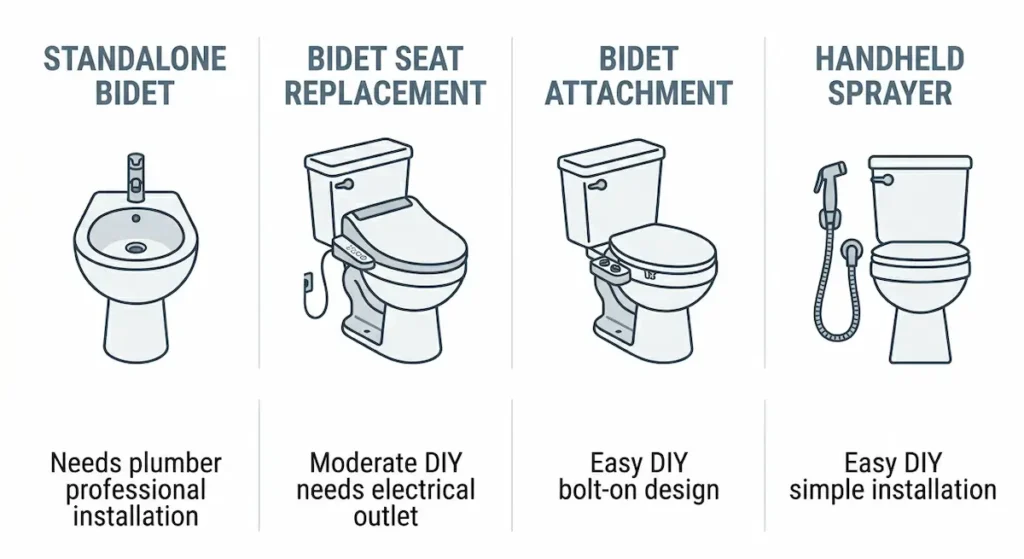
Hand-Held Bum Gun (Most Common)
Found in 90% of Thai restrooms, from budget guesthouses to high-end hotels, this is the classic trigger-style sprayer mounted on the wall or toilet base. It runs on cold water only, connected directly to the main supply.
• Control: squeeze the trigger—light pressure gives a soft spray, firm squeeze delivers a jet stream
• Nozzle: shared in public restrooms, but risk is no higher than touching a door handle
• Tip: never aim at your body without testing the pressure first
Built-In Douche Jet (Fixed Nozzle)
Some modern toilets have a permanently installed spray nozzle under the rim. Press a lever or button, and a continuous stream shoots upward.
• No hose to handle, ideal for hands-free use
• Common in renovated public restrooms and mid-range hotels
• Activate before sitting down to avoid awkward reaching
Smart Electronic Bidet (Luxury Option)
Available in Bangkok airports, malls, and luxury condos, these seats offer heated water, adjustable pressure, warm air drying, and remote controls. But they’re rare outside premium spaces due to power outages and high cost.
Bucket and Ladle System (Rural/Traditional)
In villages, temples, and older facilities, you’ll find squat toilets with a bucket and plastic ladle called a gayun. No sprayer? No flush handle.
• Clean: pour water over the area while squatting
• Flush: rapidly pour water into the bowl’s center to trigger a siphon
• Floors will be wet—this is normal in wet-room designs
Step-by-Step: Using the Bum Gun Correctly
Test Water Pressure Before Spraying
Never skip this step. Water pressure in Thailand varies wildly, from a trickle to a firehose.
- Point the nozzle into the toilet bowl
- Gently squeeze the trigger
- Assess the force: is it a mist or a jet?
- Adjust with lighter trigger pressure or turn the silver wall valve behind the toilet to reduce flow
In newer buildings, pressure can be strong enough to bruise. Always test first.
Position and Aim Properly
Stay seated on the toilet or lightly squat if using a squat toilet.
• Use your right hand to hold the sprayer
• Pull pants forward slightly to avoid splashing
• Keep the hose clear of the seat
Aim at a 45-degree forward angle. Lean forward and spray from front to back, especially for women, to avoid bacterial transfer. Direct the stream so waste flows into the bowl, not onto the floor. Avoid spraying straight up—this causes backsplash and flooding.
Clean Thoroughly and Efficiently
Spray for 5 to 20 seconds. Water removes what paper only smears.
• Do not wipe first—that defeats the purpose
• For full cleanliness, you may use your left hand to gently separate the buttocks, but wash it thoroughly after
• Women: use gentle pressure—a strong jet can be uncomfortable
• Men: adjust angle to rinse under the foreskin if uncircumcised
Dry Properly
After spraying, shake off excess water. Pat dry with 2 to 3 squares of toilet paper. No paper? Air-dry for 60 seconds, which works well in hot, dry months (April through May). Always follow with hand sanitizer if soap isn’t available.
Dispose of Paper in the Bin
This is non-negotiable. Never flush toilet paper, even “biodegradable” or “flushable” wipes. Thai plumbing uses narrow PVC pipes that clog instantly. Always place used paper in the waste bin beside the toilet.
Flushing paper equals blocked pipes and expensive repairs. Locals will know you’re a tourist.
Common Mistakes to Avoid
Using Paper as Your Primary Cleaner
Toilet paper is not for cleaning in Thailand. It’s only for drying. Trying to clean with dry paper is like wiping mud with a dry cloth—you’re just spreading it around.
Flushing the Wrong Things
Only flush liquid and human waste. No paper, no wipes, no cotton balls, no tampons. Even small items cause blockages in narrow pipes.
Ignoring the Left-Hand Rule
In Thai culture, the left hand is for hygiene only. Never shake hands with your left, pass food with your left, or eat with your left. Use your right hand for the sprayer, and your left only if needed to assist cleaning. Wash both hands thoroughly afterward.
Safety and Environmental Tips
Beware of Summer Burn
In April and May, water in sun-exposed pipes can become scalding hot. Always test water on your hand before spraying. If too hot, let it run or adjust the wall valve. Cold water is standard, and many find it refreshing in tropical heat.
Wet Floors Are Normal
Thai bathrooms are designed to be wet. Open drainage and central floor drains allow daily hosing. Floors are not dirty—they’re functional. Slip risk is real—go barefoot or wear sandals.
Health Benefits of Water Cleaning
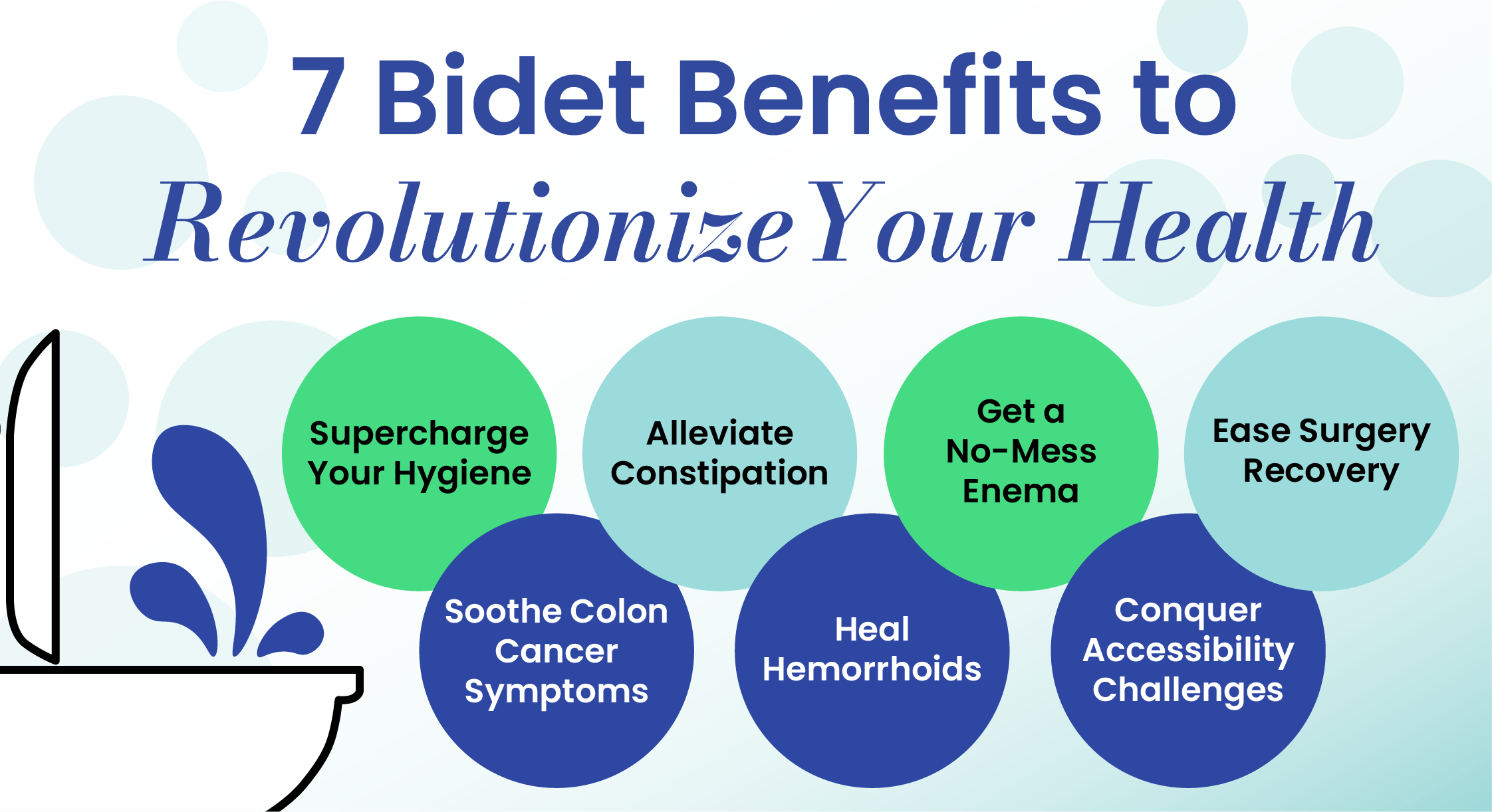
Water cleaning is more hygienic than dry wiping. It reduces risk of hemorrhoids, UTIs, and skin irritation. It prevents prickly heat rashes in humidity. It’s ideal for travelers with Thai Belly (traveler’s diarrhea). It lowers risk of fecal-oral contamination.
Troubleshooting Bidet Problems

No Water? Check the Valve
If the sprayer isn’t working, look behind the toilet for a silver shutoff valve. Turn it 90 degrees to open the flow.
Too Much Pressure?
Use lighter trigger pressure or partially close the wall-mounted valve to reduce maximum output.
Leaking Hose?
Likely cause is a worn O-ring or loose connection. Replace the washer or tighten the fitting, but don’t over-tighten.
No Toilet Paper Provided?
Common in public restrooms. Carry your own—a small travel pack is essential.
No Soap?
Frequent in schools and rural areas. Use hand sanitizer (60%+ alcohol) as backup.
No Bidet at All?
Use the bucket and ladle (gayun). Pour water for cleaning. Flush by rapidly pouring into the bowl’s center.
Cultural Norms You Must Know
Left Hand Equals Hygiene Hand
This is not a suggestion—it’s a cultural rule. The left hand is associated with anal cleaning. Using it to eat or shake hands is deeply offensive. Locals may use it to assist cleaning, but always wash thoroughly after.
Carry Your EDC Kit
Everyday Carry essentials for Thai bathrooms include travel toilet paper, hand sanitizer, biodegradable wipes (optional), a small towel, and disposable gloves for high-traffic restrooms. Assume nothing will be provided.
Paper Is for Drying Only
Repeat: the bidet is the cleaner. Paper is the dryer. Trying to clean with paper alone is inefficient, unhygienic, and frustrating.
Why the Thai Bidet Wins
Superior Cleanliness
Water removes fecal residue more completely than paper. Users report less odor, fewer stains, and better comfort. It’s especially beneficial for hemorrhoids, UTIs, or sensitive skin.
Eco-Friendly and Efficient
Uses less than one liter per use. Far more sustainable than logging, manufacturing, and shipping toilet paper. Reduces plumbing blockages by cutting paper use.
Infrastructure-Smart
Thai pipes can’t handle solids. Bidet use aligns with local plumbing limits. Flushing paper causes immediate clogs—avoid it at all costs.
Cost-Effective
No need to buy toilet paper constantly. Low water usage. Durable hardware—most sprayers last years.
Frequently Asked Questions About Using a Thai Bidet
Do I use the bidet before or after wiping?
Bidet first, then minimal paper for drying. Wiping before spraying defeats the purpose. Spray to clean, then pat dry with 2 to 3 squares.
Is tap water safe for personal hygiene?
Yes, for external use only. Not for drinking, but safe for cleaning. Always test temperature first due to summer burn risk.
Can I flush biodegradable wipes?
No. Even “flushable” wipes clog Thai pipes. Always bin them.
What if there’s no bidet?
Use the bucket and ladle (gayun). Pour water for cleaning. Flush by rapid pour into the bowl.
Are airport restrooms bidet-equipped?
Yes. Suvarnabhumi and Don Mueang airports have handheld sprayers, Japanese-style electronic bidets, sanitizers, and bins.
How do I avoid wetting my clothes?
Pull pants forward before spraying. Use the 45-degree forward lean. Mastery takes about one week of consistent use.
Key Takeaways for Using Your Thai Bidet
The Thai bidet, or Bum Gun, is a smart, sustainable, and superior hygiene solution. It works with the climate, respects infrastructure limits, and delivers a cleaner result than dry wiping ever can. It takes practice. The floor will be wet. The water is cold. But within a week, you’ll wonder how you ever lived without it.
Practice first in your hotel or apartment. Carry your own supplies—never rely on availability. Embrace the system—it’s hygienic, sustainable, and culturally respectful. When you return home, you might just miss the spray.