
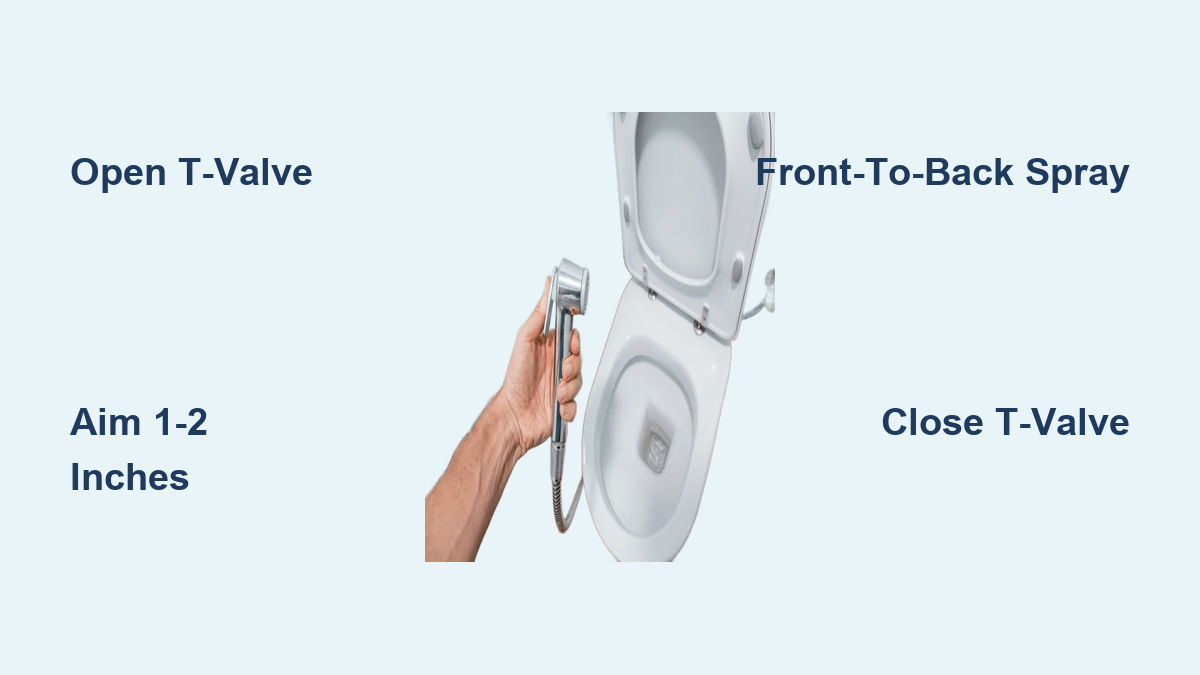
If you’ve ever felt frustrated with toilet paper leaving residue or causing skin irritation, you’re not alone. More people are switching to handheld bidet sprayers for superior hygiene, reduced waste, and gentler cleansing. This guide walks you through exactly how to use a bidet spray, from positioning and aiming to drying and maintenance.
Using a bidet spray correctly takes a little practice, but the benefits are worth it. You can cut toilet paper use by up to 90%, soothe sensitive skin, and achieve a cleaner result than wiping alone. Let’s break down every step.
Prepare the Bidet Spray System
Before using your sprayer, make sure it’s ready and safe to operate.
Open the T-Valve
Locate the T-valve behind your toilet tank. This device splits the water supply between the toilet and the bidet hose. Turn the lever to open it, allowing water to flow into the sprayer line.
Always close the T-valve after each use. Leaving it open keeps pressure in the hose, which increases the risk of leaks, bursts, or flooding, especially during travel or extended absences.
Test the Water Flow
Point the nozzle into the toilet bowl and press the trigger to release water. Check the temperature first. Most sprayers deliver cold water unless connected to a hot water line. Also check the pressure. Start low to avoid splashback or discomfort.
If the pressure feels too strong, consider installing a pressure-limiting valve. Many factory settings are excessively high and can cause tissue irritation.
Position Yourself Correctly on the Toilet

Your body position significantly affects how well the spray works.
Stay Seated After Use
Complete your bowel movement or urination first. Remain seated on the toilet to maintain stability and control during spraying.
Adjust Your Posture
Lean slightly forward and scoot your hips toward the front edge of the seat. You can lift one foot onto the toilet base or spread your legs slightly for better access. For full exposure, gently raise your buttocks off the seat using the rim as a pivot.
This posture opens the anal area and improves your aim for thorough cleansing.
Aim and Activate the Spray Properly
Now it’s time to use the sprayer with precision.
Hold the Nozzle Correctly
Grab the sprayer head from its holder and hold it in your dominant hand, which is usually your right hand. Keep your left hand free to gently separate the buttocks, but never let your left hand touch the nozzle.
Position the Nozzle
Place the tip 1 to 2 inches (2.5 to 5 cm) from your body. For anal cleaning, insert the nozzle slightly into the gluteal cleft, aiming upward toward the anus. For women, always spray front to back to prevent transferring bacteria from the anus to the urethra, which reduces UTI risk.
Do not insert the nozzle deeply into the rectum or vagina. Bidet sprayers are designed for external use only unless medically advised.
Start with Low Pressure
Press the trigger gently and begin with a low or moderate stream. This prevents splashback and tissue irritation. Increase pressure gradually if needed. Use a focused jet rather than a wide spray for better accuracy, and move the nozzle slightly to cover all areas.
High pressure can cause micro-tears or worsen hemorrhoids over time.
Cleanse Thoroughly and Safely
Proper duration and technique ensure complete hygiene.
Spray for 20-40 Seconds
Continue spraying until you feel clean. Most users need 20 to 40 seconds, depending on water pressure and personal preference.
For men, focus on the anal region from behind. For women, use after urination, menstruation, or intercourse for freshening, and always go front to back. You may apply mild soap externally during heavy flow or after sex, but never internally unless prescribed.
Use Left Hand to Separate
Your left hand can help lift and spread the buttocks for better access, but it must never contact the nozzle. This prevents cross-contamination.
Turn Off and Rehang the Sprayer
After cleaning, secure the device properly.
Release Trigger and Drain Residual Water
Let the remaining water drip into the bowl. This prevents dripping when you rehang the sprayer.
Return to Holder Securely
Place the sprayer head back in its wall or side-mounted bracket. Ensure it’s upright and snug to avoid sagging or mold buildup.
A loose or dangling hose can lead to kinks, leaks, or bacterial growth over time.
Shut Off the T-Valve
Once done, turn off the T-valve behind the toilet. This relieves pressure in the system, prevents leaks, and extends the life of seals and hoses.
Leaving the valve open constantly increases failure risk, especially in older units or during long absences.
Dry Yourself Properly
Water cleansing is effective, but drying is still necessary.
Pat Dry with Minimal Toilet Paper
Most users report using only 1 to 2 squares of toilet paper after a bidet. This reduces waste and irritation. Alternatively, use a dedicated bidet towel (reusable microfiber recommended) or try the air-dry method by sitting briefly with cheeks spread.
Bidet sprayers reduce TP use by 40 to 75 percent, saving money and trees.
Wash Your Hands Thoroughly
Even though you didn’t touch waste directly, the sprayer and surrounding surfaces may be contaminated. Always wash your hands with soap and water after use.
Follow Gender-Specific Best Practices
Tailor your technique for optimal hygiene.
For Women: Front-to-Back Only
Always direct the spray from front to back to avoid introducing E. coli into the urinary tract. It’s ideal for freshening after urination and safe during menstruation (external use only). It also helps maintain cleanliness post-intercourse.
Do not use internal douching, as this disrupts natural vaginal flora and may increase infection risk.
For Men: Rear Access Preferred
Due to anatomical positioning, rear-to-front spraying is more effective. It’s especially beneficial for uncircumcised men needing extra hygiene and reduces residue buildup under the foreskin. It also soothes irritation from hemorrhoids or digestive issues.
Maintain Your Bidet Spray Regularly

Long-term performance depends on simple upkeep.
Clean Weekly
Wipe down the nozzle and handle with disinfectant or diluted bleach. Flush the hose by running water for 10 to 15 seconds to clear biofilm.
Descale Monthly in Hard Water Areas
Soak the nozzle in white vinegar for 30 minutes to dissolve mineral deposits. For persistent limescale, use an inline filter on the T-valve and replace it every 6 to 12 months.
Inspect for Damage
Check monthly for cracks or kinks in the hose, worn O-rings or seals, and leaks at connections. Replace the unit if you notice discoloration, odor, or leakage that won’t resolve.
In freezing climates, drain the hose and T-valve to prevent bursting.
Troubleshoot Common Problems
Fix issues fast with these solutions.
Low Water Pressure
Causes include a clogged nozzle, closed T-valve, or low home pressure. Soak the nozzle in vinegar, open the valve fully, or install a low-pressure model.
Leaking T-Valve
A loose connection or worn washer is usually the culprit. Tighten gently or replace the washer or valve.
Sprayer Won’t Shut Off
A stuck trigger mechanism is typically to blame. Clean or replace the sprayer head.
Unpleasant Odor
Bacterial growth in the hose causes this issue. Flush with vinegar solution and replace if persistent.
Backflow Risk
Without a check valve, contaminated water can re-enter your plumbing system. Upgrade to a model like HammerHead that includes a built-in anti-backflow valve.
Understand the Health and Safety Facts
Bidets offer medical benefits, but come with cautions.
Who Should Use One
People with hemorrhoids, postpartum recovery patients, those with sensitive skin (eczema or psoriasis), mobility-impaired individuals, and constipation or diarrhea sufferers benefit greatly. Water cleansing reduces friction and inflammation compared to wiping.
Who Should Be Cautious
Avoid use during active rectal bleeding. Wait after anorectal surgery unless cleared by a doctor. Women prone to yeast infections or bacterial vaginosis should limit frequency. A 2016 Japanese study linked pre-defecation bidet use to increased post-bowel-movement itching in men.
Electric bidets may harbor bacteria if not cleaned regularly, per a 2017 hospital study.
Frequently Asked Questions About Using a Bidet Spray
Do I still need to wipe after using a bidet spray?
Yes. Most people still use 1 to 2 squares of toilet paper or a dedicated towel to dry off. Water alone doesn’t absorb quickly enough.
Is it safe to insert the nozzle into the rectum or vagina?
No. Handheld bidet sprayers are designed for external use only. Deep insertion can cause injury and is unnecessary for effective cleansing.
Can women use a bidet spray for feminine hygiene?
Yes. Women can use it after urination, menstruation, or intercourse. Always spray from front to back to prevent bacteria from reaching the urethra.
Why does water get on the sprayer itself?
Minor splashback and misting are normal, even with good technique. Clean the nozzle and handle regularly to maintain hygiene.
How do I prevent splashback during use?
Keep the nozzle 1 to 2 inches from your body, use moderate pressure, and aim vertically or slightly upward. Use short bursts instead of continuous spray.
Is a bidet spray difficult to install?
No. Most handheld bidet sprayers install in under 30 minutes with basic tools. You simply connect a T-valve to the toilet’s water supply line and mount the holder within reach.
Key Takeaways for Using Your Bidet Spray
Mastering how to use a bidet spray takes practice. Within a few days, you’ll refine your aim, pressure, and drying method. The key steps are preparing the system by opening the T-valve, positioning yourself correctly on the toilet, aiming the nozzle 1 to 2 inches away, and using low to moderate pressure.
Always remember to spray front to back if you’re a woman, close the T-valve after each use, and dry with minimal toilet paper. With correct technique, your bidet spray becomes a seamless, clean, and sustainable upgrade to your bathroom routine that reduces irritation, cuts toilet paper waste, and leaves you feeling fresher than ever.