If you’re struggling with constipation, you’re not alone. Up to 16% of adults worldwide experience this uncomfortable condition, with rates even higher among pregnant women, seniors, and those with digestive conditions like IBS-C. While fiber, hydration, and movement are foundational solutions, an often-overlooked tool can offer fast, drug-free relief: the bidet. Using a bidet before bowel movements, not just after, can stimulate evacuation, soften stool, and reduce straining. Research shows that just 2 to 5 minutes of warm water exposure before defecation significantly improves constipation symptoms. This guide explains exactly how to use a bidet for constipation, which models work best, and what science says about its effectiveness.
Optimal Timing: Use Before, Not After Bowel Movements
The key to bidet-assisted constipation relief lies in timing. Unlike standard hygiene use (post-defecation), therapeutic bidet use happens before you attempt to poop. Clinical studies show the greatest symptom reduction when users apply warm water stimulation immediately prior to defecation.
Why Pre-Defecation Use Works
Using the bidet after a bowel movement only cleans. Pre-defecation use activates sensory nerves in the anal canal, encouraging the rectoanal inhibitory reflex (RAIR), which relaxes the internal sphincter and promotes natural evacuation. Warm water on the anus mimics natural triggers by softening hardened stool at the rectal opening, relaxing tight anal muscles, stimulating nerve endings to initiate peristalsis, and reducing fear of pain so users can relax.
Recommended Duration and Frequency
Apply warm water for 2 to 5 minutes of exposure. Use once per attempted bowel movement. For best results, use consistently over 7 or more days.
Proper Positioning for Maximum Relief
Position matters significantly when using a bidet for constipation. Proper alignment maximizes effectiveness and reduces straining.
Adopt a Squat-Like Posture
Sit upright on the toilet with feet flat on the floor or use a footstool like Squatty Potty. Lean slightly forward. This posture straightens the anorectal angle, making it easier for stool to pass, just like squatting. Combine this position with bidet stimulation for optimal results.
Align the Nozzle Correctly
Misalignment reduces effectiveness and increases risk of discomfort. For built-in seats, adjust the nozzle position so the stream hits the anal opening directly. For handheld sprayers, aim the wand at a slight upward angle into the anus. Avoid spraying the urethra, especially for users with vulvas. Tip: Slightly scoot forward on the seat if your bidet nozzle doesn’t reach properly.
Adjusting Water Settings for Constipation

Getting the water settings right enhances the therapeutic effect while preventing injury or discomfort.
Set the Right Temperature
Use warm water between 95°F and 105°F (35°C to 40°C). This temperature range enhances blood flow and muscle relaxation, soothes hemorrhoids and fissures, and increases comfort during sensitive bowel attempts. Never use hot water, as it can burn delicate tissue. Most electric bidets have preset warm water controls for convenience.
Control Pressure and Flow
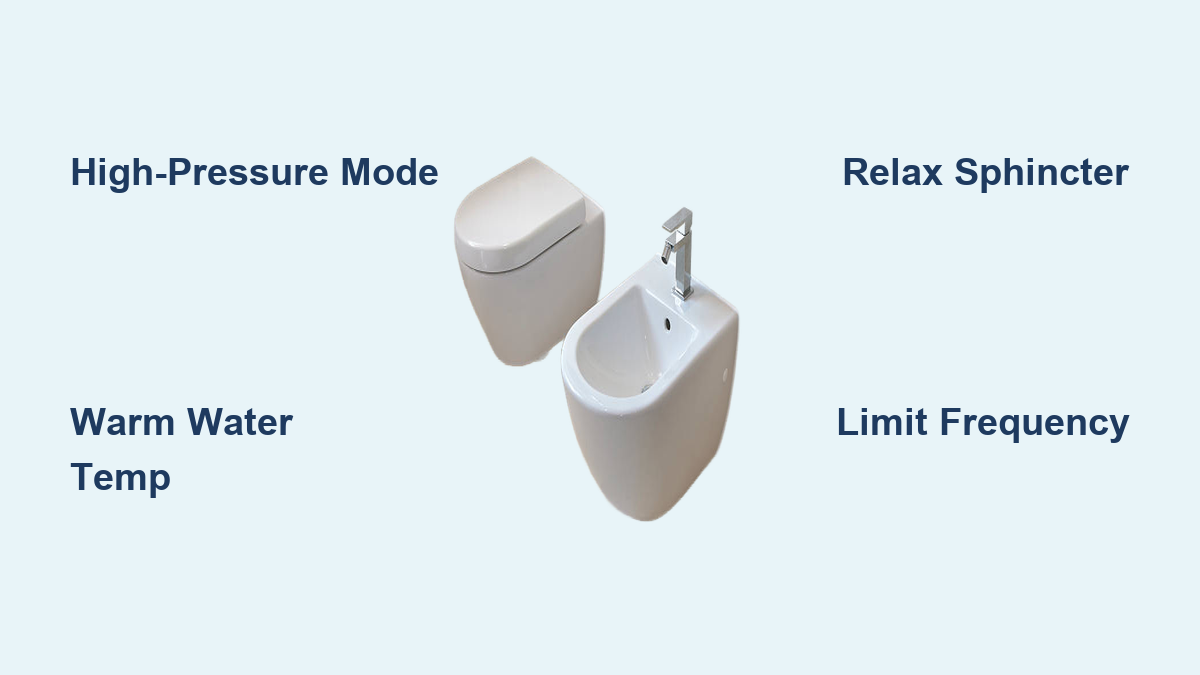
Start at the lowest pressure setting and gradually raise only if needed. Begin with low pressure and escalate gently if no movement occurs. Avoid high pressure, as it won’t push through impaction and may cause tissue trauma. Moderate settings (3 to 5 out of 10) are usually sufficient for most users.
Activating Enema-Like Stimulation
Many modern bidets offer special modes designed for deeper cleansing and constipation relief.
Use Dedicated Enema Functions
Look for these features on your bidet: Enema Wash, Vortex Mode, Turbo Clean, or Pulsation and Oscillation. These features deliver a more focused stream that may penetrate 1 to 3 cm into the lower rectum, loosening stool and enhancing stimulation without the volume of a medical enema.
Step-by-Step Application
Sit comfortably with feet supported. Activate the posterior wash or enema function. Begin with a 10 to 20 second burst. Pause and assess: Did you feel a reflex? Any urge to move? Repeat once or twice more if needed. Total time should not exceed 5 minutes. If a bowel movement starts, let it happen naturally. Do not force it.
Who Benefits Most from Bidet Use
Pregnant and Postpartum Women
Hormonal changes (progesterone, relaxin), iron supplements, and uterine pressure slow digestion during pregnancy. Bidets help by reducing straining which can worsen hemorrhoids, offering gentle stimulation without medication, and improving hygiene after delivery. One RCT found that pregnant women using bidets for 7 days saw their constipation severity drop from severe to some problems on the CASP scale.
Seniors and Mobility-Impaired Users
Reduced activity and slower gut motility increase constipation risk in older adults. Bidets allow independent bowel stimulation, less reliance on laxatives, and improved anal hygiene without bending or wiping forcefully.
IBS-C and Hemorrhoid Sufferers
Warm water reduces pain from wiping. Gentle pulsation may ease IBS-related sluggishness. Bidets also avoid irritation from dry toilet paper on sensitive tissue.
Choosing the Right Bidet Type

Built-In Bidet Seats
These are ideal for chronic or recurring constipation. They integrate into your toilet and offer adjustable pressure, warm water, oscillation, and self-cleaning functions with hands-free operation via remote. Top picks include premium models like Toto Washlet and Bio Bidet Bliss UB-70, and mid-range options like Luxe Bidet Neo 125 and Brondell Swash SE.
Handheld Bidet Sprayers
These offer the most flexibility for targeted pre-defecation use. You get full control over direction and pressure. They can be used while sitting or squatting and are inexpensive and easy to install. Perfect for renters or those with limited mobility.
Freestanding Bidets
Traditional stand-alone units like European bidet bowls require transferring from the toilet, making them less practical for elderly or pregnant users. They are still effective if filled with warm water and used manually.
Essential Features for Constipation Relief
Must-Have Functions
Look for these features when choosing a bidet for constipation:
• Adjustable pressure with 5 or more levels for gentle escalation without trauma
• Temperature control so warm water enhances relaxation
• Nozzle positioning for accurate targeting of the anus
• Oscillation or pulsation to mimic massage and boost stimulation
• Enema mode for a focused stream with deeper effect
Important Safety Add-Ons
• Auto-stop timer (30 to 60 seconds) prevents overuse
• Backflow preventer stops contaminated water from entering supply line
• Self-cleaning nozzle reduces infection risk
• Child lock prevents accidental activation
• Thermal fuse avoids overheating
Safe Usage Guidelines and When to Avoid
Common Mistakes to Avoid
Do not spray back-to-front, as this increases UTI risk. Avoid using high pressure routinely, as it can damage delicate tissue. Do not overuse enema mode, as it may lead to dependency. Stop and consult a doctor if you experience pain or bleeding.
Limit Frequency
Even with benefits, moderation is key. Use enema-like stimulation no more than 2 to 3 times per week. Daily use is acceptable for hygiene only, not deep stimulation. Long-term overuse may condition the body to require water for bowel movements.
When to Avoid Bidet Enemas
Do not use a bidet for constipation relief if you have active rectal bleeding, recent colorectal surgery, severe anal fissures, inflammatory bowel disease (IBD) flare, pelvic infections, high-risk pregnancy, or a history of rectal prolapse. Persistent constipation needs medical evaluation. A bidet helps symptoms but does not treat underlying causes like hypothyroidism, medication side effects, or slow transit.
Combining Bidet Use with Lifestyle Habits
Bidets work best alongside foundational habits that support long-term digestive health.
Increase Fiber Intake
Aim for 25 to 35 grams per day from fruits, vegetables, oats, legumes, and nuts. Fiber supplements like psyllium (Metamucil) or methylcellulose (Citrucel) can help fill gaps.
Stay Hydrated
Drink 6 to 8 glasses (1.5 to 2L) of water daily. Men need about 3.7L and women about 2.7L total. Dehydration hardens stools and worsens constipation.
Move Regularly
Walk 30 minutes per day. Try abdominal massage using clockwise circles. Yoga poses like knees-to-chest aid motility.
Manage Stress and Respond to Urges
Chronic stress disrupts the gut-brain axis. Practice mindfulness, breathing, or journaling. When you feel the urge to poop, go immediately. Delaying leads to harder stools.
Maintenance and Troubleshooting
Keep Your Bidet Clean
A dirty nozzle can introduce bacteria. Run the self-cleaning cycle weekly. Wipe the exterior with mild soap. Descale every 3 to 6 months, especially in hard-water areas.
Fix Common Issues
If water is cold, wait 1 to 2 minutes for the heater to warm up. For weak spray, check for clogs, kinked hose, or mineral buildup. If the stream is misaligned, adjust nozzle position via remote. If there’s no power, ensure the GFCI outlet is not tripped. If the app isn’t connecting, reset the remote or update firmware.
Frequently Asked Questions About Bidet Use for Constipation
Can a bidet actually help with constipation?
Yes. Clinical studies show that using a bidet before defecation (not after) with warm water for 2 to 5 minutes can significantly improve constipation symptoms. The warm water stimulates nerve endings, relaxes the anal sphincter, and triggers the natural defecation reflex.
Which bidet features are best for constipation relief?
Look for adjustable pressure (5+ levels), temperature control, nozzle positioning, oscillation or pulsation, and a dedicated enema or vortex mode. These features work together to provide gentle stimulation without causing tissue trauma.
How is a bidet enema different from a medical enema?
A bidet enema uses minimal water (a few ounces max) and only penetrates the lower rectum (1 to 3 cm). A medical enema uses 500 to 1000 mL and reaches the sigmoid colon. Bidet enemas are for stimulation and softening, while medical enemas are for full evacuation. Bidet enemas have a lower risk profile when used properly.
Is it safe to use a bidet enema every day?
For hygiene purposes, daily use is fine. For constipation relief using enema mode, limit use to 2 to 3 times per week. Overuse may lead to dependency where your body requires stimulation to have bowel movements.
Who should avoid using bidets for constipation?
Avoid if you have active rectal bleeding, recent colorectal surgery, severe anal fissures, IBD flare, pelvic infections, high-risk pregnancy, or history of rectal prolapse. Consult your healthcare provider if you have underlying medical conditions.
How long does it take to see results?
Some users report immediate relief during a single session. Clinical studies showing significant improvement used consistent use over 7 days. For chronic constipation, regular use combined with lifestyle changes produces the best results over time.
Key Takeaways for Using a Bidet for Constipation Relief
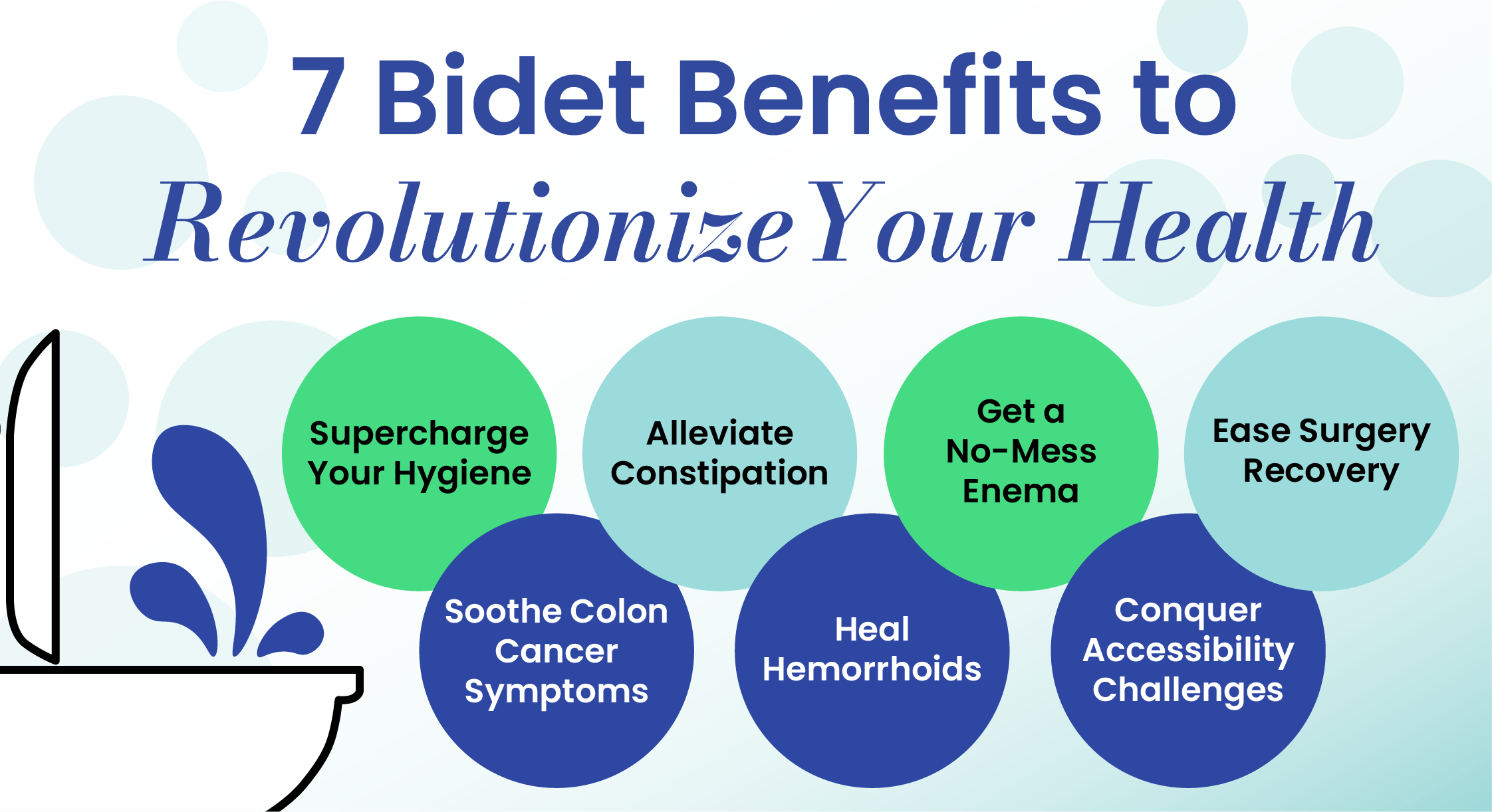
A bidet can be a powerful, non-drug tool for managing occasional constipation, especially when used correctly before bowel movements. The most important factors are timing (use before, not after), temperature (warm 95°F to 105°F), and pressure (start low, go slow). With adjustable warmth, pressure, and targeted spray, bidets stimulate natural reflexes, reduce straining, and improve comfort. Built-in seats with enema functions offer the most convenience, while handheld sprayers provide flexibility and affordability. While not a cure-all, bidets are a safe, cost-effective, and hygienic addition to your digestive wellness routine. Combine bidet use with fiber, fluids, and movement for lasting relief. If constipation persists, always consult a healthcare provider to rule out serious underlying conditions.