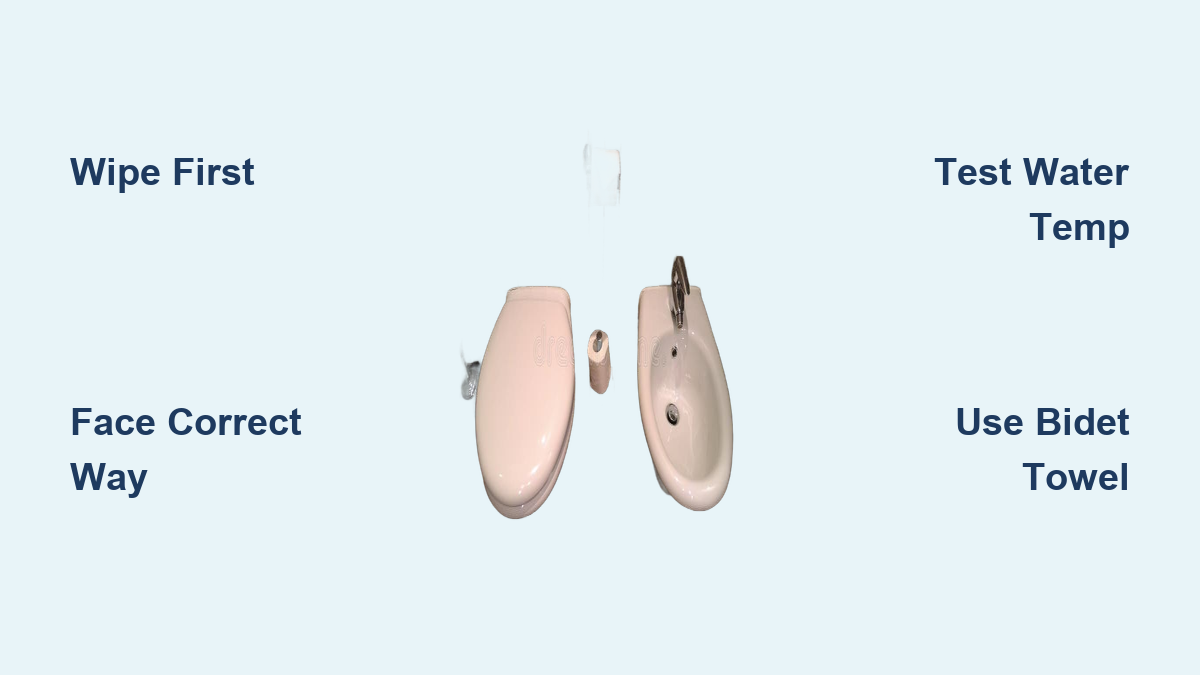
You’re settling into a charming Italian apartment or a boutique hotel in Lisbon when you notice a small porcelain fixture next to the toilet that looks like a tiny bathtub but isn’t meant for full-body soaks. This is a European bidet, and if you’ve never used one, you’re not alone. Millions of travelers and newcomers to Southern Europe stand confused, wondering what this strange basin is actually for.
The truth is, the European bidet is a dedicated hygiene station designed to clean your intimate areas with water after using the toilet. Unlike American style toilet paper reliance, much of Europe views the bidet as essential for cleanliness, comfort, and dignity. This guide breaks down everything you need to know from step by step usage to cultural etiquette, so you’ll feel confident using any standalone bidet you encounter.
Step 1: Use the Toilet and Wipe First
Before approaching the bidet, always complete your business on the toilet seat first. Whether urinating or defecating, finish on the toilet.
Then, wipe with toilet paper to remove solid waste. This is a non-negotiable step in European hygiene culture.
Why Wipe Before Washing
Wiping before washing prevents clogging the bidet’s smaller drain and reduces contamination risk for the next user. Even if you plan to wash thoroughly, dry wiping first ensures the bidet stays clean and functional. Think of it like pre-washing a dish before putting it in the sink.
- Always wipe before using the bidet
- This protects the plumbing in older European buildings
- It makes the water cleaning more effective
Step 2: Transfer and Choose Your Position
Stand up from the toilet and move to the bidet. Now comes the key decision: which way to face?
There are two standard sitting positions, each optimized for different cleaning needs.
Face the Faucet for Front Cleaning
Sit facing the water taps for cleaning the genital area. This position gives you better visibility and control over water flow.
Best for
- Women after urination or during menstruation
- Men cleaning the penis or scrotum
- Anyone using soap or manual washing
Women should always rinse front to back to prevent bacteria from reaching urethra and causing urinary tract infections.
Turn Back to the Faucet for Rear Cleaning
Sit facing away from the taps to clean the anal area after a bowel movement. This orientation allows water to naturally reach the perineum and anus.
Best for
- Post-defecation hygiene
- Users with upward-facing nozzles
- Those prioritizing thorough rear rinsing
A helpful comfort hack is to lift one foot slightly by resting it on a small stool or the toilet lid. This opens the area and improves access.
Step 3: Control Water Temperature and Flow
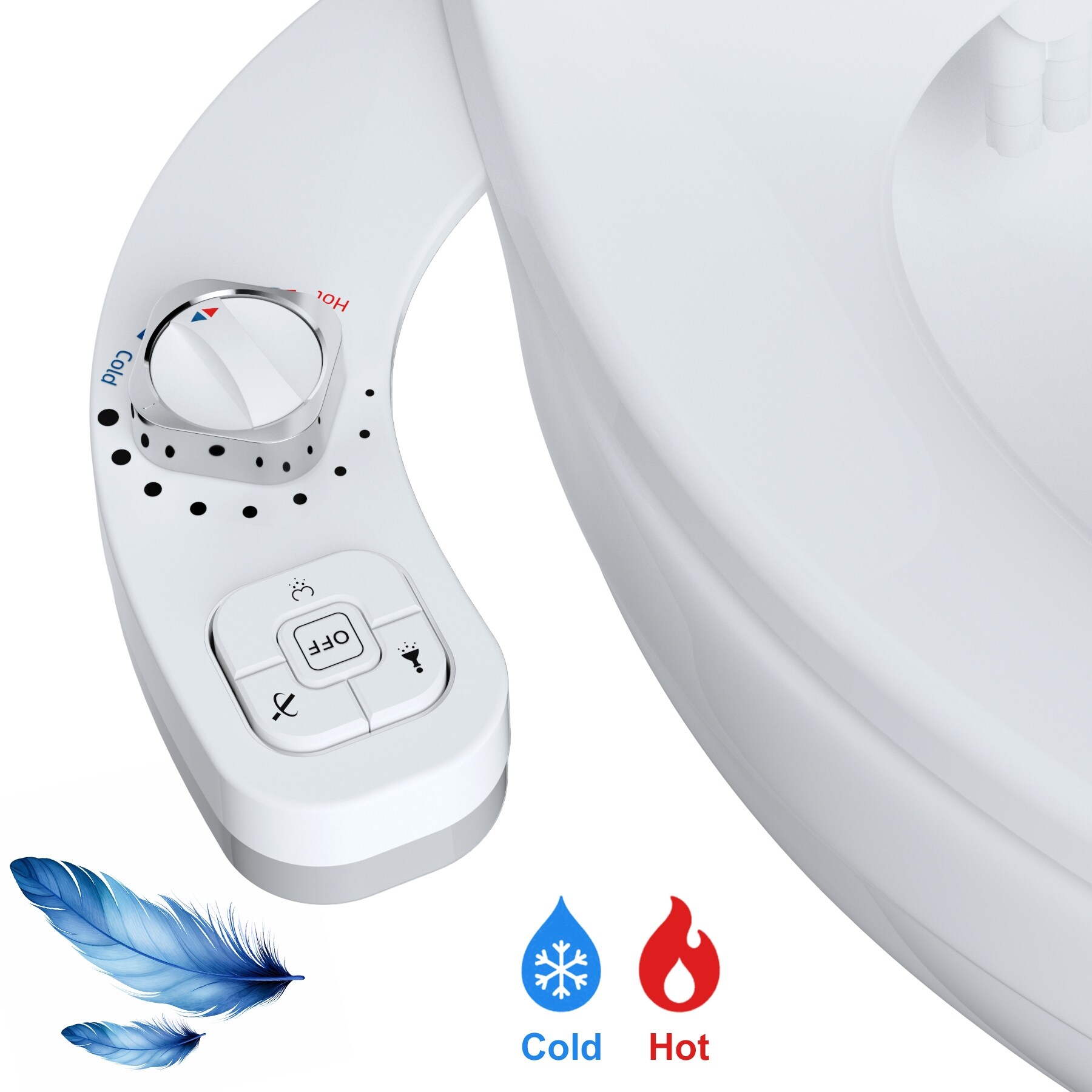
Now it’s time to turn on the water. Most European bidets have two taps with hot water on the left and cold water on the right.
Start both taps slowly and mix them to achieve a lukewarm temperature between 35 and 40 degrees Celsius. Never use hot water straight from the tap because sensitive skin can scald in seconds.
Test Before You Spray
Place your hand over the nozzle or in the stream to check temperature, pressure, and direction of spray. If the bidet has no nozzle and is basin style, fill it partially with warm water and use your hands to scoop and splash.
High pressure can irritate delicate tissues. Begin with low flow and increase only if comfortable.
Step 4: Wash Thoroughly and Hygienically
Once the water is running, begin cleaning the intimate areas.
With a Spray Nozzle
Let the stream rinse the area. Use fingers if needed to guide water or remove residue. Combine with a light wipe using damp toilet paper for extra effectiveness.
With a Basin Style Bidet
Sit in the shallow water or splash manually. Apply mild soap such as liquid hand soap or intimate wash if desired. Avoid harsh soaps that disrupt natural pH balance.
Only use soap occasionally because daily use can dry out sensitive skin or upset vaginal flora. After washing, rinse your hands thoroughly especially if they touched unclean areas.
Step 5: Dry Yourself Properly
Drying is essential because moisture left on skin can cause chafing, irritation, or bacterial growth.
Use a Dedicated Bidet Towel
Look for a small towel hanging near the bidet. These towels are changed frequently and used only for drying the private area.
Never use the hand towel from the sink. That’s for hands only, and using it elsewhere is considered unhygienic and culturally inappropriate.
Alternative Drying Methods
- Toilet paper: Lightly pat dry if no towel is available
- Air dry: Sit briefly or stand nearby in warm climates
- Personal travel towel: Bring your own for added comfort
Step 6: Clean Up After Use
Good hygiene doesn’t end when you stand up. Follow this checklist every time.
Rinse the Bidet
Run clean water for a few seconds to flush away any residue. This shows courtesy to the next user and maintains cleanliness.
Turn Off Taps Completely
Leaving water running wastes resources and can cause leaks over time.
Dispose of Toilet Paper Correctly
In many European countries, toilet paper does not go in the toilet. If plumbing allows, flush. Otherwise, look for a lined bin beside the toilet and dispose of paper there. Older buildings, rural areas, and homes with septic tanks often require bin disposal.
Wash Your Hands
Finish with a thorough hand wash using soap and water. This final step completes the hygiene cycle.
Complete Checklist: Wipe, wash, dry, rinse, dispose correctly, wash hands.
Bidet Types and How They Change Usage
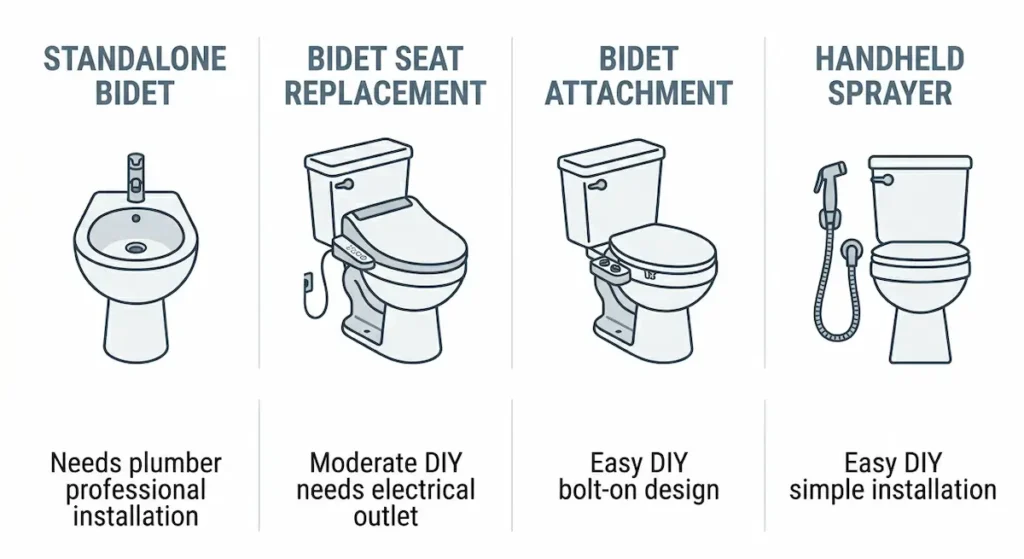
Not all bidets work the same way. Knowing the type helps you adapt your technique.
Standalone Bidet (Traditional)
This is the most common type in Italy, Portugal, Spain, and France. It is a separate fixture with hot and cold taps requiring you to transfer from the toilet. Users sit directly on the rim.
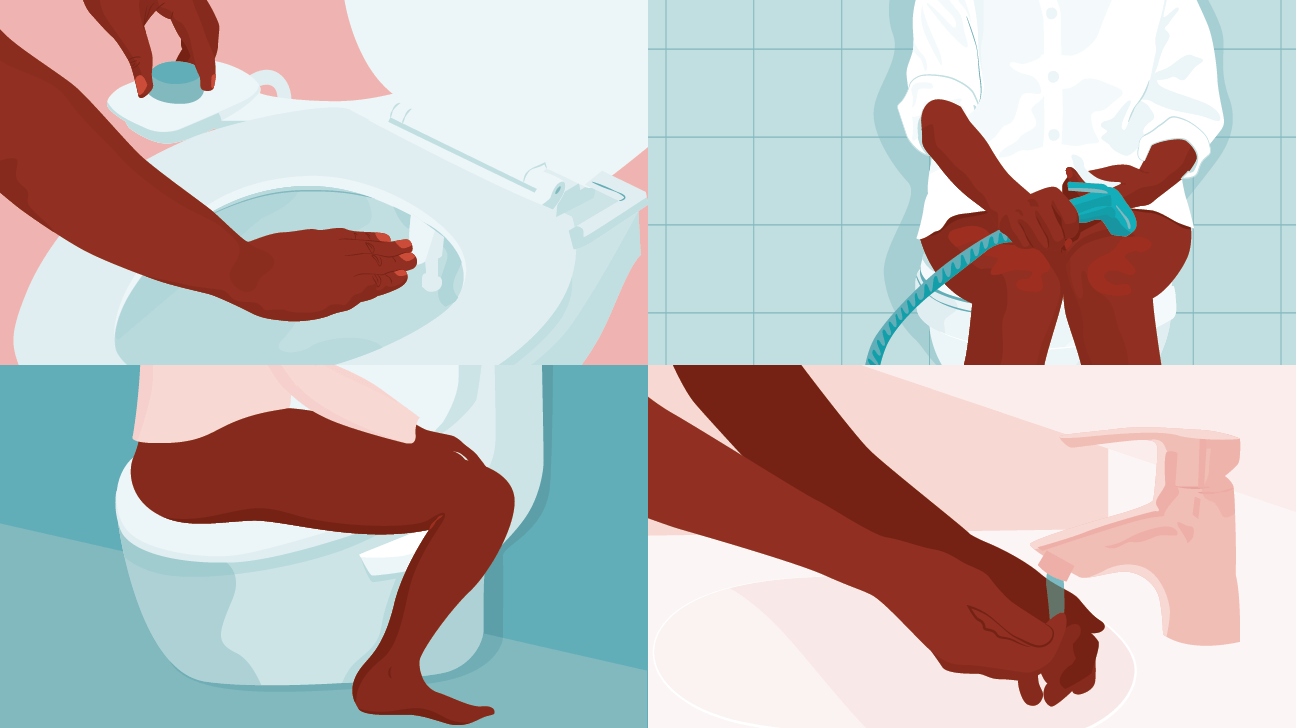
Handheld Sprayer (Bidet Shower)
A wall mounted hose with a spray head is common in Greece, Turkey, and older European homes. You use it while sitting on the toilet, aiming carefully to avoid splashing clothes.
Integrated Bidet Seat (Electronic)
Installed on the toilet, this type features automatic nozzles, warm water, and an air dryer. No movement between fixtures is required. Simply press the rear wash or front wash button.
Combination Toilet Bidet Unit
This all in one fixture includes seat heating, deodorizing, and self cleaning nozzles. It’s increasingly popular in modern European bathrooms.
Gender Specific Tips for Better Use
While bidets are gender neutral, usage patterns differ slightly.
For Women
- After urination: Face the faucet and rinse front to back
- During menstruation: Use to gently clean vulvar area
- Postpartum recovery: Functions like a sitz bath
- Post-sex freshening: Common practice for comfort
For Men
- After bowel movements: Sit back to the faucet for effective anal cleaning
- Genital hygiene: Wash penis and scrotum especially when not showering
- General freshening: Use after workouts or long travel days
Bidets are not just for women. Men benefit equally from improved cleanliness and reduced irritation.
Bidet Etiquette: Do’s and Don’ts
Understanding local customs prevents embarrassment and promotes respect.
Do’s
- Wipe before washing
- Use the correct drying towel
- Rinse the bidet after use
- Wash hands thoroughly
- Observe how locals use it
Don’ts
- Never urinate or defecate in the bidet
- Don’t use the hand towel to dry private areas
- Don’t assume it’s for face washing
- Don’t ignore it out of confusion
In Southern Europe, skipping the bidet is like skipping handwashing. It’s seen as unclean.
Regional Differences Across Europe
Bidet use varies significantly by country.
| Country | Prevalence | Notes |
|---|---|---|
| Italy | Very High | Mandatory in new homes since 1975 |
| Portugal | High | Used daily in homes and hotels |
| Spain | Moderate to High | Common in modern bathrooms |
| France | Moderate | Found in older or upscale homes |
| Germany | Low | Prefers handheld sprayers |
| UK and Ireland | Very Low | Often misunderstood as decorative |
In the UK, many people have never used a bidet and may think it’s decorative or meant for face washing.
Safety and Health Tips
Using a bidet is safe if done correctly.
Water Temperature
Ideal temperature is 35 to 40 degrees Celsius. Always test with your hand first because scalding can happen in under five seconds.
Water Pressure
Start low and increase gradually. High pressure can cause microtrauma to sensitive tissues.
Skin Conditions
Avoid using if you have open sores, infections, or recent surgery unless advised by a doctor. Intact skin is a natural barrier.
Septic Systems
In rural or older homes, do not flush toilet paper. Use the bin if signage indicates.
Debunking Common Myths
Myth: Bidets replace toilet paper completely
Reality: Most people use both, washing then lightly drying.
Myth: You squat over the bidet
Reality: You sit directly on the rim.
Myth: Bidets are only for women
Reality: Used by all genders. Men benefit from anal hygiene.
Myth: Bidets are outdated
Reality: Still widely used especially during illness or menstruation.
First-Time User Tips
Nervous about your first bidet experience? Follow these simple rules.
- Start slow: Open taps gently to avoid surprise sprays
- Test temperature: Always check with your hand
- Wipe first: Remove solids before washing
- Use the right towel: Never the sink hand towel
- Face the right way: Front for genitals, back for anus
- Rinse the bowl: Show respect to the next user
- Practice control: Learn your comfort level with heat and pressure
If staying in an Italian or Portuguese rental, search how to use a bidet before arrival. It’s worth the two minute prep.
Environmental and Health Benefits
Switching to bidet use isn’t just about comfort. It’s better for your body and the planet.
Eco Advantages
- Eliminates over 300 toilet paper rolls per person annually
- Reduces deforestation, manufacturing emissions, and sewage clogs
- Saves money over time
Health Perks
- Reduces urinary tract infection risk in women
- Soothes hemorrhoids and postpartum discomfort
- Gentle on sensitive skin and mobility limited users
- Improves overall genital hygiene
Frequently Asked Questions About European Bidets
Can I use soap in a European bidet?
Yes, if desired. Use mild, non-irritating soap such as liquid hand soap or intimate wash. Avoid harsh soaps that disrupt natural flora.
Do I need to remove all my clothing to use a bidet?
Not necessarily. Most people step out of one pant leg to straddle the bidet. Full removal is only needed if clothing restricts movement.
Is the bidet cold to sit on?
Yes, porcelain can be cold especially in winter. Consider a padded bidet seat cover for comfort if you have one.
Where does used toilet paper go when using a bidet?
Flush if plumbing allows. Use a lined bin if signs indicate. Always follow posted bathroom instructions especially in older buildings.
Can men use a European bidet?
Yes. Bidets are designed for all genders. Men use them for anal and genital hygiene especially after bowel movements.
Is it okay to pee in the bidet?
No. The bidet is not a toilet. Urinating in it is considered improper and unhygienic.
Final Thoughts on Mastering the European Bidet
Using a European bidet isn’t complicated. It’s common sense with water. Once you get past the initial hesitation, you’ll likely wonder why more places don’t have them.
From Italy’s legal mandate to Portugal’s daily rituals, the bidet represents a cultural commitment to cleanliness, dignity, and sustainability. It’s not a luxury. It’s not weird. It’s normal, just different from what you might be used to.
So next time you see that small porcelain bowl beside the toilet, don’t ignore it. Sit on it. Turn on the water. Clean properly. Dry off. Rinse the bowl. Wash your hands. You’re not just using a fixture. You’re joining a tradition of hygiene that millions swear by. Master the bidet and you’ll travel with confidence, comfort, and a little more class wherever in Europe you go.