Imagine finishing a long hike, stuck in a public restroom with scratchy, barely-there toilet paper—or worse, none at all. You are left feeling less than clean, and you know wiping alone is not enough. This is where a travel bidet steps in. Small, portable, and powerful, it delivers a stream of water for thorough, hygienic cleansing on the go. Whether you are camping, traveling abroad, recovering postpartum, or just want a fresher clean at home, knowing how to use a travel bidet properly transforms your personal hygiene routine.
Using a travel bidet is not complicated, but doing it right makes all the difference. From positioning and water pressure to drying and storage, each step ensures maximum cleanliness and comfort. This guide breaks down everything you need to know, step by step, so you can use your portable bidet confidently and effectively, no matter where you are. You will learn how to fill, aim, clean, dry, and maintain your device, plus tips for choosing the best model and troubleshooting common issues.
Fill the Bidet Properly
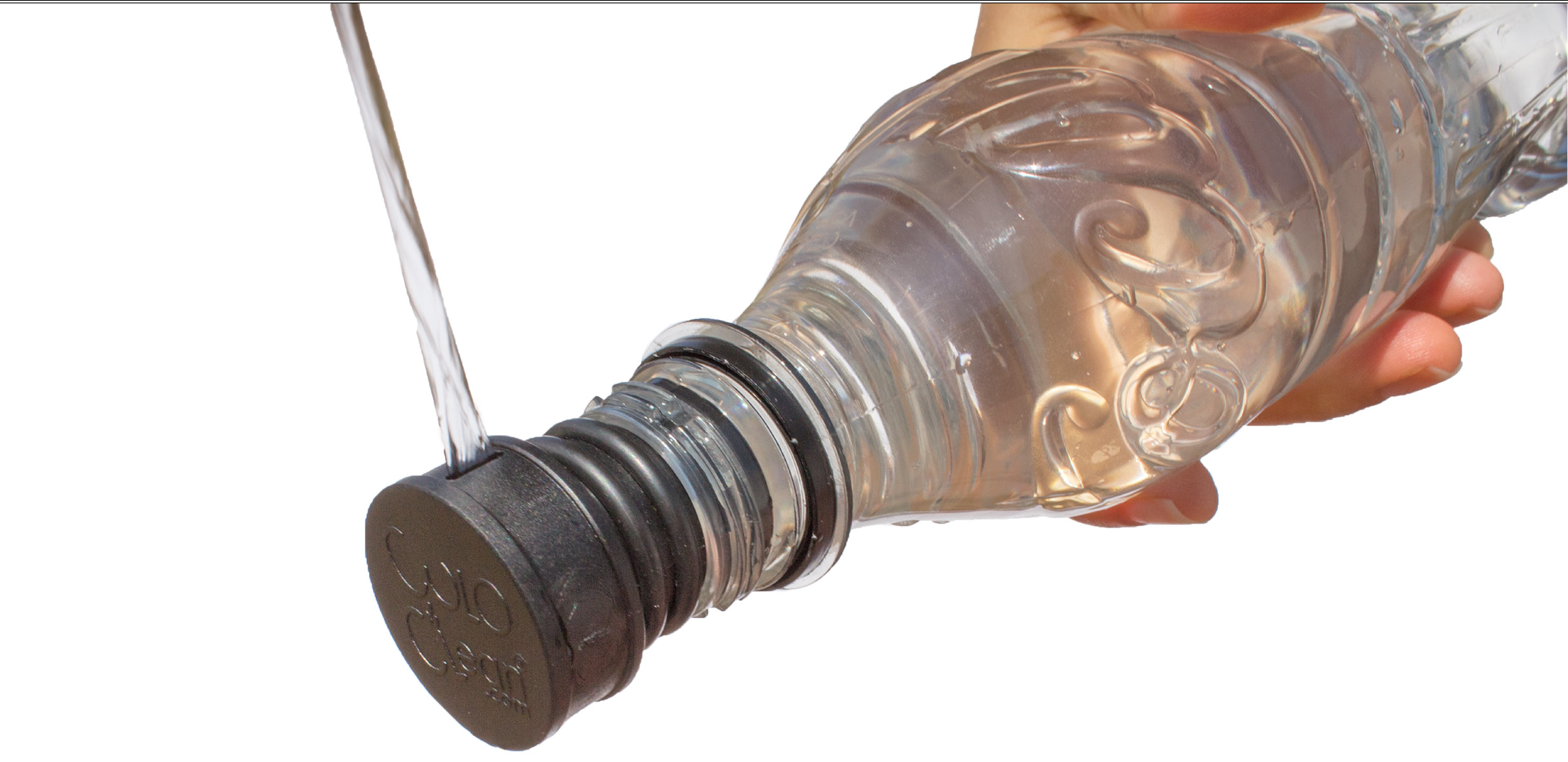
Before every use, your travel bidet needs clean water. How you fill it depends on the type you own. Getting this step right ensures consistent water pressure and prevents leaks during use.
Manual Squeeze Bottle Models
These lightweight devices like the CuloClean or Bumbum attach to standard water bottles or have built-in reservoirs. To fill properly:
• Unscrew the nozzle cap completely
• Fill with room-temperature or slightly warm water—never hot, as this can damage skin or the device
• Add a drop of mild soap or feminine wash only if the manufacturer allows it
• Screw the cap back on tightly to prevent leaks
In the backcountry, use filtered or purified water to avoid contamination. A full bottle provides better pressure, so do not wait until it is nearly empty before refilling.
Rechargeable Electric Models
Devices like PureJet, LuxeJet, or GoFlow have detachable tanks that must be filled before use. Follow these steps:
• Remove the reservoir from the motor unit
• Fill under a tap to the marked line—do not overfill
• Reattach securely before turning on the device
• Never submerge the motor or charging base in water
Position for Effective Cleaning

Your body position determines how well the water reaches the right spots and how much splashing occurs. Proper positioning takes practice but quickly becomes second nature.
Clean the Front (Female Genital Area)
For women, front cleaning is essential for hygiene and UTI prevention. Sit on the toilet with legs slightly apart and lean forward to open the area. Hold the bidet in your dominant hand, aiming the nozzle from behind, front to back. Keep the stream external and never insert the nozzle. Always rinse front to back to avoid transferring bacteria to the urethra.
Clean the Back (Anal Area)
For post-bowel movement hygiene, stay seated or squat slightly to improve access. Reach behind with the bidet, angling the nozzle toward the anus. Use short bursts to control splash and coverage. Adjust hand position as needed. Practice improves accuracy significantly.
Using a small footstool at home mimics a squatting posture and makes back cleaning easier.
Activate the Spray Correctly
How you release water depends on your bidet type. Mastering this step ensures control and comfort during use.
Squeeze for Manual Models
Gently squeeze the bottle to start the flow. Apply more pressure for stronger spray and ease up for gentle rinsing. A fuller bottle gives better pressure because there is less air compression. Practice at home to learn exactly how much force you need for comfortable cleansing.
Press the Button for Electric Models
Turn on the device with the power button. Most offer adjustable intensity where a short press gives low flow and a long press provides high flow. The nozzle may extend automatically or need to be uncoiled before use. Electric models offer hands-free spray, freeing your other hand for positioning.
Cleanse and Rinse Thoroughly
Now that the water is flowing, focus on effective cleaning. The goal is removing all residue without causing irritation.
For General Hygiene
Spray for 5 to 15 seconds, depending on need. Use short bursts to avoid overspray. Reapply if necessary and do not rush through this step. A thorough rinse feels noticeably fresher than quick wiping.
For Women
Front-to-back motion is non-negotiable for preventing E. coli from reaching the urinary tract. Focus on the vulva, not inside the vagina. This technique is ideal after urination, menstruation, or sex.
For Anal Cleansing
Target residual fecal matter without overdoing pressure. Use gentle sweeps or pulsing spray. This approach is especially helpful for those with hemorrhoids, fissures, or IBS. Avoid excessive force, as this can irritate sensitive skin or worsen existing conditions.
Dry the Area Completely
Rinsing is only half the job. Moisture left behind can cause chafing, odor, or infections. Proper drying completes the hygiene routine.
Best Drying Methods
Pat dry with 1 to 2 squares of toilet paper. Use a dedicated microfiber towel kept in your bag. Some users carry a foldable, quick-dry travel towel just for this purpose. A reusable towel cuts toilet paper use by up to 80 percent, which is great for sustainability.
Why Drying Matters
Proper drying prevents yeast infections and skin breakdown. It reduces friction and irritation. Most importantly, it leaves you feeling truly fresh, not just partially clean.
Clean and Store the Device
A dirty bidet defeats the purpose of better hygiene. Post-use care is essential for maintaining your device and preventing bacterial growth.
For All Models
Empty remaining water immediately after each use. Rinse the reservoir and nozzle with clean water. Shake out excess moisture, then air-dry with the cap off. Store in a ventilated carrying case and never seal the device while it is damp.
For Electric Bidets
Wipe the exterior with a damp cloth. Never submerge the motor or charging port. Let the charging port dry completely before plugging in. Collapsible models like GoFlow compress to half size, making them perfect for backpacks or purses.
Choose the Right Model for You

Not all travel bidets are equal. Your lifestyle and needs determine the best fit. Understanding the differences helps you make an informed decision.
Manual Bidets: Lightweight and Affordable
Manual bidets are best for backpackers, budget users, and minimalists. Examples include CuloClean and Bumbum. These devices weigh under 0.5 ounces, fit in a pocket, require no charging, and cost under $10. The drawbacks include requiring hand strength, offering less consistent pressure, and having a learning curve for aiming.
The CuloClean attaches to Smartwater-style bottles. Check the O-ring size for secure fit, targeting bottles with 0.8 to 0.95 inch diameter.
Rechargeable Electric Bidets: Precision and Comfort
Electric bidets are best for travelers, postpartum care, and medical needs. Examples include PureJet, LuxeJet, and GoFlow. These devices offer adjustable, hands-free spray with consistent 3 to 5 psi pressure and up to 100 uses per charge. The drawbacks include being heavier at 3 to 6 ounces, needing occasional charging, and costing $30 to $60.
Recharge after every 2 to 3 weeks of regular use to maintain optimal battery performance.
Use in Different Scenarios
A travel bidet shines in specific real-world situations. Understanding where it excels helps you get the most value from your device.
Traveling Abroad
Many countries have no bidets or poor-quality toilet paper. A portable bidet ensures consistent hygiene in hostels, planes, or public restrooms. It reduces discomfort in places where squat toilets are common.
Outdoor Adventures
Leave No Trace rules often require packing out used toilet paper. A bidet eliminates the need for toilet paper. Rinse and pat dry instead. Pair with a zip-lock bag for any used paper if local rules require it. Use biodegradable wipes only if allowed, and always pack them out.
Medical and Postpartum Care
Doctors recommend water cleansing for hemorrhoids, episiotomy recovery, anal fissures, and post-surgery care. Using a travel bidet soothes pain, reduces infection risk, and speeds healing. It provides gentler cleansing than wiping, which is crucial during recovery.
Daily Home Use
A travel bidet enhances cleanliness even if you have a regular bidet at home. It is great for sensitive skin, mobility issues, or frequent bathroom use. It also lowers household toilet paper consumption significantly.
Troubleshoot Common Problems
Even the best bidets can have issues. Knowing how to fix them fast prevents frustration during use.
Low Water Pressure
Weak squeeze causes low pressure on manual models, while low battery causes it on electric models. A clogged nozzle can also reduce flow. Squeeze harder or refill the reservoir to increase pressure. Recharge the device if the battery is low. Flush the nozzle with warm water or vinegar to remove blockages.
Leaking
A loose cap, damaged O-ring, or overfilling causes leaks. Tighten the cap firmly and replace the O-ring if damaged. Fill only to the marked line to prevent overflow.
Bad Smell
Bacteria from trapped moisture causes unpleasant odors. Rinse and dry the device after every use. Perform a weekly clean with a 1 to 1 mixture of water and white vinegar. Store with the cap off or ajar to allow airflow.
Spray Will Not Aim Right
Poor positioning or angle causes spray misdirection. Practice in private to improve your technique. Adjust your body posture and use a mirror if needed, especially for home use.
CuloClean Will Not Fit Bottle
Wrong bottle diameter prevents proper attachment. Use bottles with 0.8 to 0.95 inch inner diameter. Try different O-rings if included with your model. Stick to Smartwater, Aquafina, or similar bottles known to fit.
Test your setup at home before heading out on any trip.
Maximize Hygiene and Sustainability
A travel bidet is not just convenient. It is a smarter way to stay clean with real health and environmental benefits.
Health Benefits
Using water for cleansing reduces UTI risk in women. It prevents skin irritation and rashes. It soothes hemorrhoid discomfort. It lowers the chance of fungal or bacterial infections. These benefits make a travel bidet valuable for anyone prioritizing personal hygiene.
Environmental Impact
The average person uses 141 rolls of toilet paper per year. Bidet users cut that by up to 80 percent. This reduction means less deforestation, less water waste in paper production, and less sewage clogging. Making one roll of toilet paper uses 37 gallons of water, which is more than a bidet uses in months.
Cost Savings
A $10 manual bidet lasts for years with proper care. Electric models pay for themselves in 6 to 12 months through toilet paper savings. You also stop buying wipes or premium paper, adding to your savings.
Final Tips for Best Results
Mastering your travel bidet takes practice, but these tips speed up success significantly.
Practice at home first to get comfortable with positioning and pressure. Test different water temperatures and spray lengths. Build confidence before using in public restrooms.
Carry a microfiber towel that dries faster than paper. It is reusable and compact, preventing chafing and waste. Label your bidet to avoid confusion in shared bags or with similar bottles. Keep extra water handy for refilling on the go, which is ideal for multi-day hikes or long trips.
Choose the right model based on your specific needs. Backpacking works best with manual models like CuloClean. Comfort and ease point toward electric models like PureJet or GoFlow. Postpartum or medical use benefits from rechargeable models with adjustable spray.
Frequently Asked Questions About Travel Bidets
Can you use a travel bidet on a plane?
Yes, you can use a travel bidet on a plane. Fill the bottle with water after passing through security. Use it in the airplane bathroom like you would in any other public restroom. The compact size makes it easy to carry in your personal item bag.
Do travel bidets work for both front and back cleaning?
Travel bidets work for both front and back cleaning. For front cleaning, aim from behind, moving front to back. For back cleaning, aim toward the anal area. Both require practice to master positioning and avoid splashing.
How do you dry after using a travel bidet?
Pat dry with toilet paper or use a dedicated microfiber travel towel. Reusable towels are more eco-friendly and cost-effective over time. Make sure the area is completely dry to prevent irritation or infection.
Are travel bidets worth the money?
Travel bidets are worth the money for most people. They cost between $10 and $60 but pay for themselves in 6 to 12 months through toilet paper savings. They provide better hygiene, reduce environmental impact, and offer peace of mind when traveling or camping.
How long do electric travel bidets last?
Electric travel bidets typically last 3 to 5 years with proper care. The battery degrades after 500 or more charge cycles. Manual models last 2 to 5 years depending on usage and maintenance.
Can you use a travel bidet for postpartum care?
You can safely use a travel bidet for postpartum care. Doctors recommend water cleansing after childbirth because it is gentler than wiping. Choose an electric model with adjustable spray pressure for the most comfortable experience. Always follow any specific instructions from your healthcare provider.
Key Takeaways for Using Your Travel Bidet
A travel bidet is more than a convenience gadget. It is a hygiene upgrade with real health, environmental, and financial benefits. By following these clear, actionable steps, you will use yours with confidence, cleanliness, and ease anywhere life takes you.
The most important steps are filling properly, positioning correctly, and drying thoroughly. Practice at home before traveling to master your technique. Choose the right model for your lifestyle, whether that is a lightweight manual squeeze bottle or a rechargeable electric model with adjustable pressure.
Regular cleaning and proper storage extend the life of your device and maintain hygiene. Troubleshoot common issues like low pressure or leaking promptly to avoid problems when you need your bidet most.
With your travel bidet ready, you can face any public restroom, camping trip, or travel adventure knowing you will stay clean and fresh.